Daily Habits to Maintain a Flexible Spine as You Age: Simple Steps for a More Comfortable Life
This post contains affiliate links. As an Amazon Associate, I earn from qualifying purchases at no extra cost to you.
Free resources — no credit card required for trial
🎧 Listen to health & wellness audiobooks free for 30 days
Start 30-Day Free Trial →
🛒 Recommended Products
As an Amazon Associate we earn from qualifying purchases at no extra cost to you.
Back Gel Ice Pack Wrap — Microwaveable Pain Relief Heat Pad for Upper and Lower Back Thera
$22.99
BODYPROX Pain Relief Ice Pack with Strap for Hot and Cold Therapy — Microwave Heat Pad for
$14.99
iReliev Hot and Cold Therapy Gel Pack — Reusable Freezable Microwaveable Compression Pack
$16.99
Magic Gel Ice Pack for Back Pain Relief — 2 Pack Reusable Lower Back Wrap for Hot or Cold
$19.99
Relief Expert Reusable Ice Pack for Back — Lower Back Ice Pack Wrap with Cold Compress
$17.99
📚 Read unlimited health books free for 30 days
Try Kindle Unlimited Free →
Your spine is one of the hardest-working parts of your body. It keeps you upright as you cook breakfast, steady as you reach for a book, and comfortable as you stroll through the park with a friend. But as the years go by, it’s perfectly natural for the muscles, joints, and cushioning discs of the spine to feel a little stiffer than they used to. The good news? You don’t need a gym membership or an intense workout plan to support a flexible spine. A handful of gentle, consistent daily habits — stretching, good posture, staying hydrated, and moving mindfully — can make a world of difference in how your back feels and how freely you move. This guide is here to show you exactly how to get started, one small, steady step at a time.
Why a Flexible Spine Matters More As We Get Older
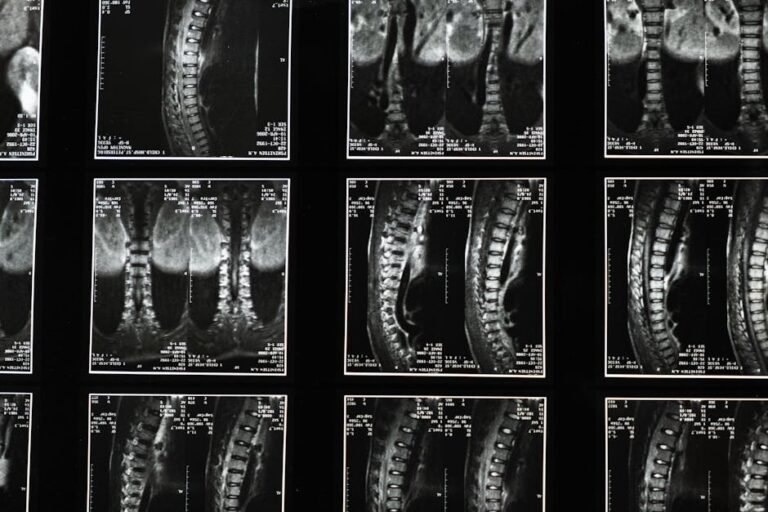
Think about everything your spine does for you in a single day. It supports your posture when you sit down for a meal, helps you twist to look over your shoulder while driving, and absorbs the impact of every step you take. It’s made up of vertebrae, discs, muscles, and ligaments all working together — and like any well-used structure, it benefits enormously from regular care and attention.
As we age, the discs between our vertebrae can lose some of their moisture and cushioning, muscles may tighten from sitting for long periods, and joints can become less supple. This can lead to stiffness, reduced range of motion, and even an increased risk of falls or injury. But here’s the encouraging truth: gentle, consistent movement can nourish those joints, keep the surrounding muscles flexible, and help you stay active and independent for longer.
The goal isn’t to turn back the clock or become an athlete overnight. It’s about building small habits that support your spine every single day, so that the things you love — walking with a friend, gardening, playing with grandchildren — stay comfortable and enjoyable. Steady progress, not perfection, is what makes all the difference.
Gentle Stretching: The Foundation of a Flexible Spine
Stretching is one of the most effective and accessible ways to maintain a flexible spine. It helps keep the joints mobile, eases muscle tension in the back, neck, and hips, and even helps nourish the discs by encouraging fluid movement through the spine. The key word here is gentle — slow, controlled movements that feel comfortable, never forced.
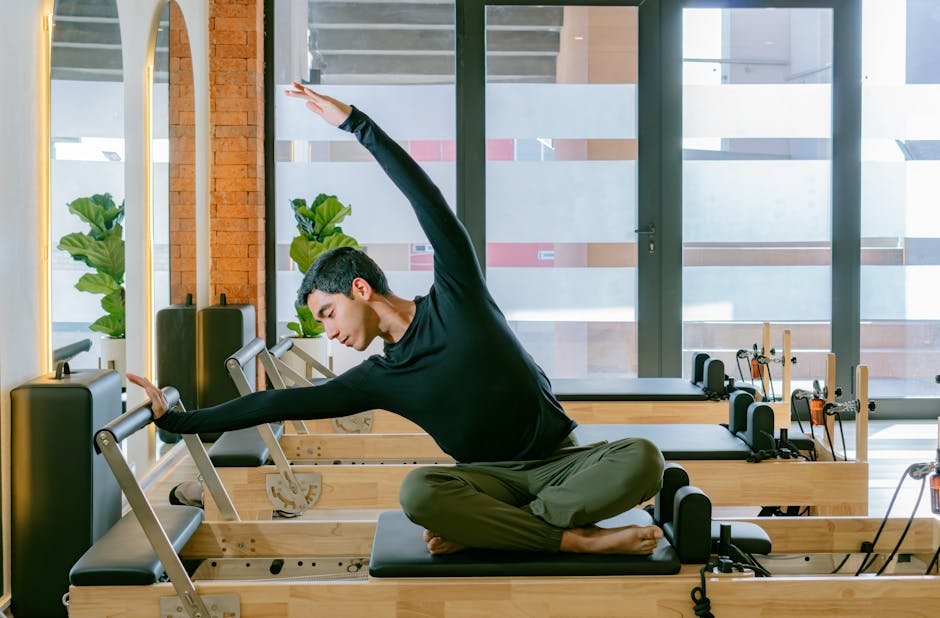
A few stretches are particularly well-suited for supporting spinal flexibility. A simple seated spinal twist — sitting tall in a chair, placing one hand on the opposite thigh, and gently rotating your torso — helps keep the mid- and upper back supple. A gentle seated forward bend, where you hinge at the hips with a long spine and reach toward your shins, lengthens the spine and relieves lower back tension. Even a slow cat-cow movement done in a chair — arching gently on an inhale, rounding softly on an exhale — keeps the spine moving through its natural curves. Aim to hold each stretch for 10 to 20 seconds and repeat two or three times.
Don’t forget the neck and hips either. A slow neck tilt, easing one ear toward the shoulder and then gently turning to look over each shoulder, releases stiffness that often travels down into the upper spine. And a seated figure-four hip stretch, crossing one ankle over the opposite knee and leaning forward slightly, helps loosen the hips — because tight hips and a stiff lower back often go hand in hand. Always warm up for a minute or two first with easy movements like gentle arm circles or walking in place, and if anything hurts, ease off immediately. If you have osteoporosis, a history of spinal surgery, or a chronic back condition, please check with your doctor or physiotherapist before starting any new stretching routine.
Posture Awareness: Supporting Your Spine All Day Long
Stretching for ten minutes in the morning is wonderful — but what about the other 23 hours and 50 minutes? That’s where posture awareness comes in. Good posture isn’t about standing rigidly at attention; it’s about distributing your body’s weight evenly so that your spine, muscles, and ligaments aren’t being overloaded in any one area. And small, practical adjustments throughout the day can train your body to move with less stiffness over time.
When you’re sitting, try placing a small rolled towel or a lumbar cushion at the small of your back for support. Keep your feet flat on the floor and your knees roughly in line with your hips. Imagine a gentle string lifting the crown of your head upward — this simple mental cue can instantly improve your alignment without any strain. When standing, think of your ears being stacked over your shoulders, which sit over your hips. Keep your shoulders relaxed and your chest open, and resist the urge to lock your knees.
One of the most powerful posture habits you can build is taking regular micro-breaks. Every 30 to 60 minutes, set a gentle reminder on your phone or watch to stand up, roll your shoulders back, and take a few slow, deep breaths. It sounds simple, but these brief resets add up across the day and remind your body to return to a more comfortable, supported position. And when lifting anything — even something light — remember to bend at the hips and knees, keep the object close to your body, and avoid twisting as you lift.
Hydration: The Unsung Hero of Spinal Health
Here’s something many people don’t realise: staying well hydrated is genuinely important for your spine. The discs between your vertebrae are largely made up of water, and they rely on good hydration to maintain their height, cushioning, and shock-absorbing ability. When those discs are well-hydrated, your spine moves more freely and comfortably. When they’re not, stiffness and discomfort can increase.
As we get older, our sense of thirst can become less reliable, which means it’s easy to become mildly dehydrated without even noticing. A practical goal for most adults is around six to eight cups of fluid each day, though this can vary depending on your health, medications, and the climate where you live — your doctor can help you find the right amount for your individual needs. The trick is to sip steadily throughout the day rather than trying to drink a large amount all at once.
If plain water doesn’t excite you, there are lots of easy ways to make it more enjoyable. A squeeze of lemon, a few cucumber slices, or a sprig of fresh mint can make a glass of water feel like a small treat. Herbal teas and light broths also count toward your daily fluid intake. Keep a glass or water bottle somewhere visible as a gentle reminder, and pay attention to signs that you might need more fluid — dark urine, a dry mouth, fatigue, or feeling a little lightheaded can all be clues. If you have kidney disease, heart conditions, or other health considerations, always follow your doctor’s guidance on fluid intake.
Mindful Movement and a Simple Daily Routine for Spine Flexibility
Mindful movement is about paying gentle attention to how your body feels as you move, choosing actions that feel supportive rather than stressful, and building consistency over intensity. You don’t need to push hard or move fast — in fact, slow and steady is far better for the spine, especially if stiffness or discomfort is something you’re managing.
A simple daily routine of just 10 to 15 minutes can work wonders. A slow, comfortable 10-minute walk with a tall spine is an excellent starting point — focus on even breathing and an easy arm swing if that feels natural. After your walk, a few pelvic tilts (lying on your back with knees bent, gently pressing the small of your back toward the floor and releasing) are excellent for training the pelvis and lower spine to move together and reducing lower back stiffness. Repeat these five to ten times. Finishing with a few minutes of diaphragmatic breathing — breathing slowly in through the nose, letting the belly rise, and exhaling softly — helps relax the muscles around the spine and makes movement feel safer and more enjoyable.
If you’d like a simple structure to follow, here’s a gentle framework to try: in the morning, spend five minutes on neck and back stretches, followed by five minutes of slow breathing. At midday, do a quick posture check and take a ten-minute walk. In the evening, practise a few pelvic tilts or seated twists to release the hips and lower back. And throughout the day, use those 30-to-60-minute posture micro-breaks to stand tall, breathe, and reset. This doesn’t have to be perfect — even doing part of it on busy days is far better than doing nothing at all.
What You Can Do: Practical Tips for Maintaining a Flexible Spine Every Day
Sometimes the best thing is having a simple, go-to list of actions you can take right now. Here are some practical, evidence-informed habits drawn from everything we’ve covered — small changes that can make a real difference to how your spine feels day to day.
- Start your day with gentle movement: Before you even get out of bed, try a few slow knee-to-chest pulls or gentle ankle circles to get the circulation going and ease morning stiffness.
- Stretch daily, even briefly: Even five minutes of gentle stretching — a seated twist, a neck tilt, a forward bend — is enough to keep the joints nourished and moving well.
- Warm up before stretching: A minute or two of easy walking in place or gentle arm swings helps prepare your muscles and reduces the risk of strain.
- Use a lumbar support when sitting: A small cushion or rolled towel at the lower back makes a surprisingly big difference to how your spine is supported over long periods of sitting.
- Set posture reminders: A simple phone alarm every 45 minutes to check in with your posture and take a few deep breaths can prevent hours of unhelpful slouching.
- Keep a water bottle in sight: Visibility is a powerful reminder. A glass or bottle on your kitchen counter, your desk, or beside your favourite chair encourages steady sipping throughout the day.
- Make hydration enjoyable: Experiment with herbal teas, lemon water, or light broths to keep your fluid intake varied and pleasant.
- Take short walks regularly: Even a ten-minute stroll after a meal helps keep the spine mobile and supports overall wellbeing.
- Practise diaphragmatic breathing: A few minutes of slow belly breathing each day relaxes the muscles surrounding the spine and helps reduce tension.
- Listen to your body: If a movement causes pain, stop and rest. Pain is your body’s way of asking for care, not to be pushed through.
- Seek professional guidance when needed: A physiotherapist or your GP can offer personalised modifications, especially if you have osteoporosis, a history of back surgery, or ongoing back pain.
Remember, these habits are most powerful when they become part of your everyday routine. You don’t need to do everything at once — pick one or two to start with, build from there, and celebrate every small win along the way.
The Bottom Line: Maintaining a flexible spine as you age doesn’t require anything extreme — just a little gentle, consistent attention each day. By weaving simple stretches, posture awareness, steady hydration, and mindful movement into your daily routine, you’re giving your spine exactly what it needs to stay comfortable, mobile, and strong. Progress may be gradual, and that is perfectly okay. Every small step you take — an extra stretch here, a posture reset there, another glass of water — adds up to something meaningful over time. You deserve to move through your days with ease, confidence, and comfort. Your spine has carried you this far; these gentle daily habits are your way of taking care of it in return.
This is not medical advice. Consult your healthcare provider before starting any new health routine or using any product mentioned here.