
Dental Hygiene Routine for Seniors with Arthritis: Practical Tips for a Healthy Smile
This post contains affiliate links. As an Amazon Associate, I earn from qualifying purchases at no extra cost to you.
Free resources — no credit card required for trial
🎧 Listen to health & wellness audiobooks free for 30 days
Start 30-Day Free Trial →
🛒 Recommended Products
As an Amazon Associate we earn from qualifying purchases at no extra cost to you.
TheraBand First Step to Active Health Kit — Senior Exercise Program for Balance and Fall P
$19.99
EZ Off Jar Opener for Seniors — Under Cabinet Jar Opener for Weak Hands and Arthritis
$9.99
Omron 5 Series Upper Arm Blood Pressure Monitor — 2-User 100-Reading Memory Wide-Range Cuf
$44.99
OMRON 7 Series Wireless Wrist Blood Pressure Monitor — Clinically Validated with Connect A
$69.99
Vitality 4 Life Senior Resistance Band with Instruction Guide — Specifically for Elderly F
$16.99
📚 Read unlimited health books free for 30 days
Try Kindle Unlimited Free →
If you live with arthritis, you already know how the simplest daily tasks can suddenly feel like a challenge. Buttoning a shirt, opening a jar, gripping a pen — and yes, brushing and flossing your teeth. Maintaining a dental hygiene routine for seniors with arthritis is something that doesn’t get talked about enough, yet it matters enormously for your overall health, confidence, and quality of life. The good news? With a few smart adjustments to your tools and technique, you can keep your mouth healthy and your smile bright — without putting extra strain on your hands, wrists, or fingers. Let’s walk through everything you need to know.
Why Oral Health Is So Important When You Have Arthritis
Oral health is about so much more than a nice smile. For seniors, keeping teeth and gums healthy helps protect against tooth decay, gum disease, and bad breath — all of which can affect eating, speaking, and daily comfort. When these problems are left untreated, they can spill over into bigger health concerns, affecting nutrition and overall well-being.
When arthritis is part of your life, the challenge is that the very actions needed to care for your mouth — gripping a toothbrush, threading floss, twisting open a toothpaste cap — can cause pain or simply become too difficult on tough days. Dry mouth is another concern worth mentioning: many common arthritis medications can reduce saliva production, which naturally protects your teeth. Less saliva means a higher risk of tooth decay and sensitivity, making a consistent dental routine even more important.
Here’s the empowering truth: adapting your routine to fit your body isn’t giving up — it’s being smart and kind to yourself. A routine that works with your arthritis is far more likely to get done consistently, and consistency is what truly protects your smile over time.
Common Obstacles Seniors with Arthritis Face During Dental Care
Understanding the specific challenges arthritis creates is the first step toward overcoming them. Many people feel embarrassed that something as basic as brushing teeth has become difficult, but it’s genuinely common — and there are real, practical solutions for every obstacle.
The most frequent challenges include limited grip strength and stiffness in the hands, wrists, or fingers, especially in the morning when joints tend to be at their worst. Pain can flare up during or after brushing, particularly if you’ve already been using your hands for other tasks. Smaller objects like floss or toothpaste caps can be frustratingly hard to manipulate. Fatigue — especially during an arthritis flare — can make even a short routine feel overwhelming. Some people also experience jaw pain or TMJ discomfort, making wide mouth movements uncomfortable. And as mentioned, dry mouth from medications can increase sensitivity.
Balance is another factor worth noting. Leaning over a sink while concentrating on brushing can feel unsteady, and if reaching a mirror is awkward, you may rush through the process without cleaning thoroughly. Recognising these hurdles means you can plan around them — rather than just pushing through and giving up when it hurts.
Choosing the Right Tools for a Dental Hygiene Routine with Arthritis
The single biggest game-changer for a dental hygiene routine for seniors with arthritis is using the right equipment. The standard tools most of us grew up with simply weren’t designed with arthritic hands in mind — but there are excellent alternatives available.
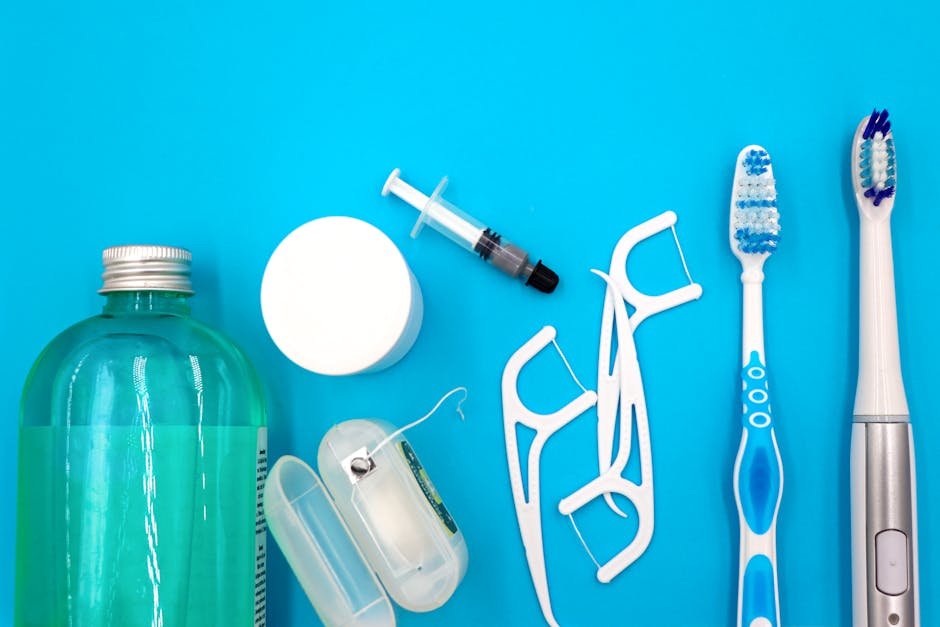
For toothbrushes, look for soft-bristled brushes with a larger, easy-to-grip handle. Soft bristles are gentler on sensitive gums and still clean effectively — you don’t need firm bristles to do a good job. If a standard handle is still too narrow, rubberized grip sleeves, ergonomic handles, or Velcro straps that wrap around your hand can make a significant difference. Many people find that switching to an electric toothbrush is the single best change they make. A good electric model with a palm-sized, non-slip handle does most of the work for you — you simply guide it gently rather than scrubbing back and forth. Look for ones with a built-in two-minute timer to take the guesswork out of how long to brush.
For flossing, traditional floss that requires pinching and threading is one of the hardest tasks for arthritic fingers. Pre-threaded floss picks with larger handles, floss holders that fit around the wrist, or a water flosser (oral irrigator) are all excellent alternatives. Water flossers use a gentle stream of water to clean between teeth and along the gumline — effective, easy to hold, and much kinder on stiff fingers. If you wear dentures or partials, choose a denture brush with a larger handle and use a denture-safe cleanser to simplify the cleaning process.
Step-by-Step: Building Your Adapted Daily Routine
A great dental routine doesn’t have to be complicated. The goal is two minutes of brushing twice a day, daily flossing or interdental cleaning, and a good rinse. The key is setting yourself up for success before you even start.
Begin by creating a comfortable, supportive environment. Sit at a stable chair with back support in front of a well-lit mirror rather than standing and leaning over the sink — this reduces both fatigue and balance risk. Keep all your tools within easy reach on a countertop tray so you’re not fumbling for things mid-routine. A cup of water, your toothbrush, toothpaste, flossing aid, and mouthwash should all be ready before you begin.
When brushing, rest your elbow on the counter to reduce wrist strain and hold the toothbrush with your whole hand rather than just your fingers. Use gentle, small circular motions or short back-and-forth strokes along the gumline — don’t press hard. Soft bristles and light pressure are all you need. Break the two minutes into two one-minute segments if it helps, and use a gentle timer. For flossing with picks or a water flosser, guide carefully between each tooth in a C-shape motion, and use a low-pressure setting on a water flosser if your gums are tender. Finish with an alcohol-free fluoride mouthwash, swished gently for 30–60 seconds, to help protect against decay and reduce dry mouth irritation. On high-pain days, give yourself permission to shorten sessions — the important thing is to keep the habit going, even in a simplified form.
What You Can Do: Practical Tips for Easier Dental Care with Arthritis
Small adjustments can make a surprisingly big difference to how manageable your routine feels. Here are some of the most effective practical strategies, gathered into one easy list:
- Switch to an electric toothbrush with a wide, non-slip handle to reduce the effort needed for brushing motions.
- Use a grip aid such as a rubberised sleeve or Velcro strap on your toothbrush handle if grip strength is limited.
- Try floss picks or a water flosser instead of traditional floss to avoid painful pinching and threading.
- Sit down while brushing — use a chair with back support and a well-lit tabletop mirror to reduce fatigue and improve balance.
- Keep tools at counter height on a tray so you’re not reaching into cabinets mid-routine.
- Use fluoride toothpaste and, if you have sensitivity, choose a formula designed for sensitive teeth.
- Rinse with an alcohol-free mouthwash to help protect against dry mouth and decay without irritating sensitive tissues.
- Sip water throughout the day to combat dry mouth caused by medications.
- Schedule brushing at your best time of day — if mornings are stiff, try brushing after you’ve had a chance to warm up and move around a little.
- Tell your dentist about your arthritis so they can recommend adaptive tools, adjust chair positioning, and tailor your care plan.
- Ask an occupational therapist about customised grip aids and adaptive devices — these specialists are an underused resource for exactly this kind of challenge.
- Use lukewarm water rather than cold when rinsing, which is kinder to sensitive teeth and gums.
- Set a visible reminder — place your toothbrush and floss where you’ll see them, or use a simple daily checklist to track consistency.
One more tip that many people find genuinely helpful: play a favourite song or short podcast while you brush. It makes the time feel shorter, turns a chore into something almost pleasant, and helps you stay consistent because you’re actually looking forward to it.
Staying Consistent and Getting Professional Support
The most important thing about any dental routine isn’t perfection — it’s consistency. Even on difficult days when arthritis pain is higher, doing a shortened version of your routine keeps the habit alive. Skip a day, and simply start fresh the next morning without self-criticism. Progress, not perfection, is what protects your teeth over years and decades.
Regular dental visits are a cornerstone of good oral health for seniors with arthritis. Aim for a cleaning and checkup every six months, or more frequently if your dentist recommends it. When you go, be upfront about how arthritis affects your daily routine — a good dental hygienist can demonstrate grip aids, suggest ergonomic tools they’ve seen work well for other patients, and help you identify any areas of your mouth that need extra attention. Don’t be shy about asking for accommodations during your appointment, such as more frequent breaks, a slightly reclined chair position, or shorter appointment blocks if jaw fatigue is an issue.
If you have a caregiver, family member, or trusted friend who helps you day-to-day, consider involving them in your dental routine — not to take over, but to bring tools to the sink, offer a steadying hand, or simply provide a friendly reminder. Maintaining your independence in self-care is important, and having gentle support available makes it easier, not harder, to stay in control.
The Bottom Line: A dental hygiene routine for seniors with arthritis doesn’t have to be painful, frustrating, or complicated. By choosing the right tools — like an electric toothbrush, floss picks, or a water flosser — setting up a comfortable environment, and making small adjustments to your technique, you can protect your teeth and gums effectively every single day. Arthritis may change how you do things, but it doesn’t have to change the outcome. Your smile, your comfort, and your confidence are absolutely worth caring for — and with these practical strategies, you have everything you need to do just that.
This is not medical advice. Consult your healthcare provider before starting any new health routine or using any product mentioned here.