Exercises to Improve Senior Posture: A Gentle, Practical Guide to Standing Taller and Feeling Better
This post contains affiliate links. As an Amazon Associate, I earn from qualifying purchases at no extra cost to you.
Free resources — no credit card required for trial
🎧 Listen to health & wellness audiobooks free for 30 days
Start 30-Day Free Trial →
🛒 Recommended Products
As an Amazon Associate we earn from qualifying purchases at no extra cost to you.
TheraBand First Step to Active Health Kit — Senior Exercise Program for Balance and Fall P
$19.99
EZ Off Jar Opener for Seniors — Under Cabinet Jar Opener for Weak Hands and Arthritis
$9.99
Omron 5 Series Upper Arm Blood Pressure Monitor — 2-User 100-Reading Memory Wide-Range Cuf
$44.99
OMRON 7 Series Wireless Wrist Blood Pressure Monitor — Clinically Validated with Connect A
$69.99
Vitality 4 Life Senior Resistance Band with Instruction Guide — Specifically for Elderly F
$16.99
📚 Read unlimited health books free for 30 days
Try Kindle Unlimited Free →
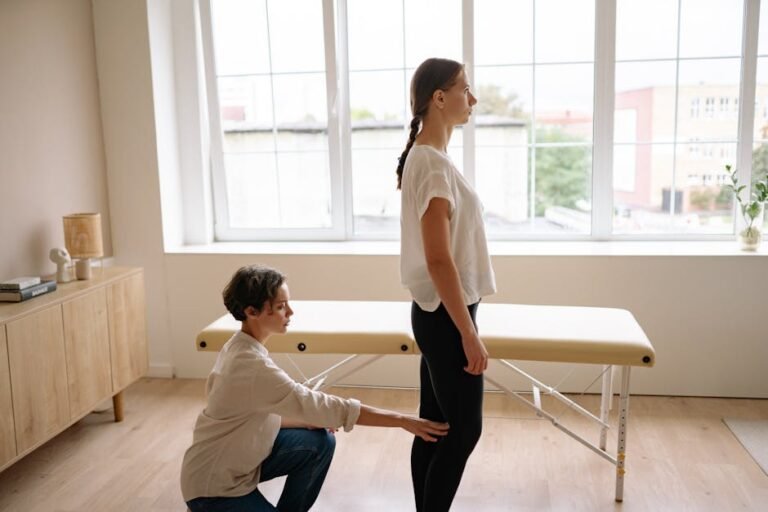
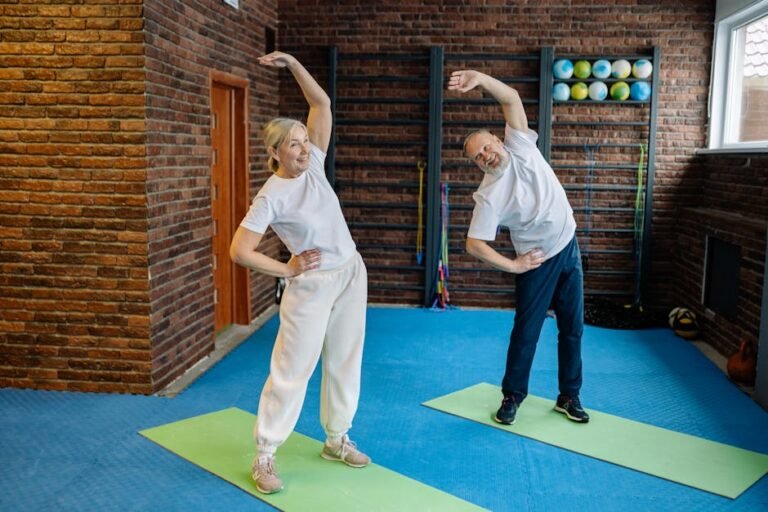
Have you noticed your shoulders creeping forward, or felt that nagging ache in your neck after sitting for a while? You’re not alone — and the good news is, it doesn’t have to stay that way. Exercises to improve senior posture are one of the most powerful, accessible tools you can use to feel stronger, breathe more easily, and move through your day with greater confidence. Whether you’re 60 or 90, your body is remarkably responsive to gentle, consistent movement. This guide walks you through exactly what to do, why it matters, and how to make it a sustainable part of your daily life.
Why Posture Matters More Than You Think as You Age
Good posture isn’t just about appearances — it’s deeply connected to how you feel every single day. As we get older, muscles naturally become a little weaker, joints grow stiffer, and the spine can shift gradually into less-than-ideal positions. These changes often show up as rounded shoulders, a forward-jutting head, or a hunched upper back. And while these shifts can seem minor at first, over time they can have a real ripple effect on your wellbeing.
Poor posture has been linked to neck and back pain, shallow breathing, headaches, and even balance difficulties that can increase fall risk. When your head sits too far forward, for example, the muscles in your neck and upper back have to work much harder than they should — like holding a bowling ball at arm’s length rather than directly above your shoulders. That constant strain wears you out and contributes to discomfort you might have just been accepting as “normal ageing.”
The encouraging truth is that small, consistent habits can genuinely shift the way your spine and muscles work together. Improving posture isn’t about forcing your body into an uncomfortable position — it’s about giving your spine the support and mobility it needs to do its job efficiently. When that happens, you feel steadier, breathe more deeply, and move with noticeably less effort. That’s a quality-of-life win at any age.
Before You Begin: Safety Tips and Warm-Up Advice
One of the best things about these exercises is that they’re designed to be safe and adaptable for a wide range of mobility levels. You can do all of them at home, using just a chair, a wall, or a few simple props like a resistance band or a foam roller. But before you jump in, a little preparation goes a long way.
Start every session with a gentle 5-minute warm-up. Try slow marching in place, rolling your shoulders forward and backward, gentle neck turns side to side, and a few slow, deep breaths. This wakes up your muscles and joints so they’re ready to move safely. As you exercise, breathe normally throughout — don’t hold your breath — and move slowly and with control. A helpful mental cue is to imagine a gentle string pulling from the very top of your head, encouraging your spine to lengthen naturally.
Stop immediately if you feel pain, dizziness, or numbness at any point. If you have osteoporosis, known spinal issues, or have had recent surgery, it’s important to check with your doctor or physiotherapist before starting any new exercise routine. Keep a sturdy chair or a wall nearby for support, and always work within a comfortable range of motion. There’s no prize for pushing through discomfort — steady, gentle progress is exactly what you’re aiming for.
The Best Exercises to Improve Senior Posture Step by Step
Here’s a set of seven gentle, effective movements specifically chosen to target the areas most affected by age-related posture changes: the neck, upper back, chest, mid-back, and lower spine. You don’t need to do all of them at once — starting with three or four is perfectly fine.
Chin Tucks are a fantastic starting point. Sit or stand tall, then gently tuck your chin straight back — as if you’re making a slight double chin — while keeping your eyes looking forward and your head level. Hold for 3 to 5 seconds and release. Aim for 8 to 12 repetitions. This simple movement retrains your neck alignment, easing the strain that comes from a forward head position. If your neck feels stiff, reduce the hold to just 2 seconds.
Shoulder Blade Squeezes are equally simple and surprisingly satisfying. Sit or stand tall with your elbows bent at 90 degrees. Gently squeeze your shoulder blades together, as if trying to hold a small coin between them, and hold for 5 seconds before relaxing. Do 10 to 15 repetitions for 2 to 3 sets. This strengthens the upper back muscles that pull your shoulders back and open up your chest.
Wall Angels take things a step further. Stand with your back against a wall, feet about 6 inches out. Raise your arms to a goalpost position with the backs of your hands touching the wall. Slowly slide your arms up the wall as far as comfortable, then back down. Repeat 8 to 12 times. If your back lifts off the wall, simply reduce the range of motion — that’s perfectly fine. This exercise builds shoulder mobility and upper back strength at the same time.
The Doorway Chest Opener is brilliant for releasing the tight chest muscles that pull your shoulders forward. Stand in a doorway, forearms resting on the frame at roughly shoulder height, and gently step forward until you feel a mild stretch across your chest. Hold for 15 to 30 seconds and repeat 2 to 3 times. If you prefer a seated version, hold a towel or strap behind your back and gently pull it taut to open your chest. Either version helps your arms rest more naturally by your sides.
The Seated Row with a Resistance Band strengthens your mid-back beautifully. Sit tall in a sturdy chair with a resistance band anchored under your feet. Hold both ends of the band with palms facing each other, and pull the band toward your torso as you squeeze your shoulder blades together. Slowly release and repeat for 10 to 15 reps, 2 sets. A lighter band or shorter range of motion works just as well — focus on control over force.
Thoracic Extension Over a Foam Roller might sound intimidating but it’s wonderfully effective for opening up the upper back. Place a foam roller horizontally on the floor and lie back over it so it sits under your upper back, knees bent, feet flat. With hands lightly behind your head, gently extend backward over the roller for a mild upper back stretch. Do 6 to 8 small, controlled extensions. No foam roller? Roll up a towel and try it seated instead.
Finally, Pelvic Tilts build core awareness and support the natural curve of your lower spine. Lying on your back with knees bent and feet flat, gently press your lower back toward the floor, hold for 5 to 10 seconds, then relax. Repeat 10 to 15 times. You can also do this seated. A stable pelvis anchors the whole spine and reduces lower back tension significantly.
Practical Tips: What You Can Do Right Now to Build Better Posture
Exercise sessions matter, but what you do between sessions matters just as much. The beauty of posture work is that you can weave small habits into your existing daily routine without any extra equipment or dedicated time. Here are some of the most effective strategies:
- Tie posture checks to everyday moments: Stand tall while waiting in a queue, sit back in your chair during meals, or do a quick chin tuck and shoulder squeeze during TV commercial breaks.
- Schedule a regular time: A short 10-minute routine in the morning, after lunch, or before bed is easier to stick to than an open-ended “I’ll do it later.”
- Use visual reminders: A sticky note on the fridge, a phone alarm, or a mirror near your desk can all serve as gentle prompts to check your alignment throughout the day.
- Start small and build gradually: Choose 3 to 4 exercises to begin with, practised 2 to 3 days a week. As they feel easier and more familiar, add more exercises or an extra set.
- Listen to your body on tougher days: If you wake up stiffer than usual, simply reduce your range of motion and focus on breathing and comfort rather than pushing through.
- Consider simple props: A light resistance band, a foam roller, or even a sturdy posture support cushion can make these exercises more comfortable and effective.
- Celebrate every small win: Notice when sitting feels easier, when you catch yourself slouching less, or when you feel steadier on your feet. These are real, meaningful improvements worth acknowledging.
How to Put It All Together: A Simple Weekly Routine
If you’re wondering how to structure these exercises into an actual routine, here’s a gentle starting point that works well for most seniors. Begin with your 5-minute warm-up — marching in place, shoulder rolls, gentle neck turns, and deep breathing. Then choose 3 to 4 exercises from the list above and perform 1 to 2 sets of each, doing 8 to 12 repetitions (or holding for the recommended time). The whole session should take no more than 15 to 20 minutes. Finish with 2 or 3 slow, deep breaths, standing tall and imagining that gentle upward pull through the crown of your head.
Aim to do this 2 to 3 times per week to begin with. Consistency is far more valuable than intensity here. As these movements start to feel natural and easy — usually within a few weeks — you can add more exercises, increase your repetitions, or try a slightly stronger resistance band. Progress doesn’t have to be dramatic to be real. Your body responds to regular, gentle challenge over time.
It also helps to think about posture not as a separate “exercise task” but as something you’re gradually building into the fabric of how you carry yourself. The chin tucks and shoulder squeezes you practise during a TV break will start to feel automatic. The awareness you build during wall angels will make you notice when you’re slumping at the dinner table. Over weeks and months, these small shifts accumulate into a noticeably different way of moving through the world.
What to Expect and When to Seek Extra Support
Most people who start a consistent posture exercise routine notice some positive changes within 2 to 4 weeks — less neck tension, a little more ease when sitting upright, or feeling slightly more balanced when walking. These are encouraging early signs that your muscles are adapting and strengthening. Some people notice changes even sooner, particularly with the chest-opening and chin tuck exercises, which address some of the most common postural issues fairly quickly.
That said, everyone’s body is different. If you have a history of significant back or neck issues, the changes may come more gradually, and that’s completely normal. The key is to keep the routine gentle, consistent, and enjoyable rather than forcing progress. Posture improvement is a long game — and it’s one worth playing, because the rewards include less pain, better breathing, improved balance, and greater independence in daily life.
If you’re not seeing any improvement after several weeks, or if you experience pain during any of these movements, it’s worth speaking to your GP or a physiotherapist. A professional can assess your specific situation, identify any underlying issues, and tailor a programme to your individual needs. There’s absolutely no shame in getting extra support — in fact, it’s a sign of good self-care.
The Bottom Line: Exercises to improve senior posture don’t need to be complicated, time-consuming, or difficult to make a meaningful difference in your daily life. Seven simple movements — from chin tucks and shoulder blade squeezes to wall angels and seated rows — can collectively strengthen your upper and mid-back, open your chest, and build the core stability your spine needs to stay upright with ease. Start with just a few exercises that feel accessible, practise them consistently 2 to 3 times a week, and weave small posture habits into your everyday moments. Over time, you’re likely to feel steadier on your feet, more comfortable in your body, and more confident in everything you do. You deserve to feel strong, capable, and supported at every stage of life — and better posture is one of the most practical, achievable paths to get there.
This is not medical advice. Consult your healthcare provider before starting any new health routine or using any product mentioned here.