How Gentle Movement Reduces Chronic Pain: A Practical Guide for Older Adults
This post contains affiliate links. As an Amazon Associate, I earn from qualifying purchases at no extra cost to you.
Free resources — no credit card required for trial
🎧 Listen to health & wellness audiobooks free for 30 days
Start 30-Day Free Trial →
🛒 Recommended Products
As an Amazon Associate we earn from qualifying purchases at no extra cost to you.
TheraBand First Step to Active Health Kit — Senior Exercise Program for Balance and Fall P
$19.99
EZ Off Jar Opener for Seniors — Under Cabinet Jar Opener for Weak Hands and Arthritis
$9.99
Omron 5 Series Upper Arm Blood Pressure Monitor — 2-User 100-Reading Memory Wide-Range Cuf
$44.99
OMRON 7 Series Wireless Wrist Blood Pressure Monitor — Clinically Validated with Connect A
$69.99
Vitality 4 Life Senior Resistance Band with Instruction Guide — Specifically for Elderly F
$16.99
📚 Read unlimited health books free for 30 days
Try Kindle Unlimited Free →
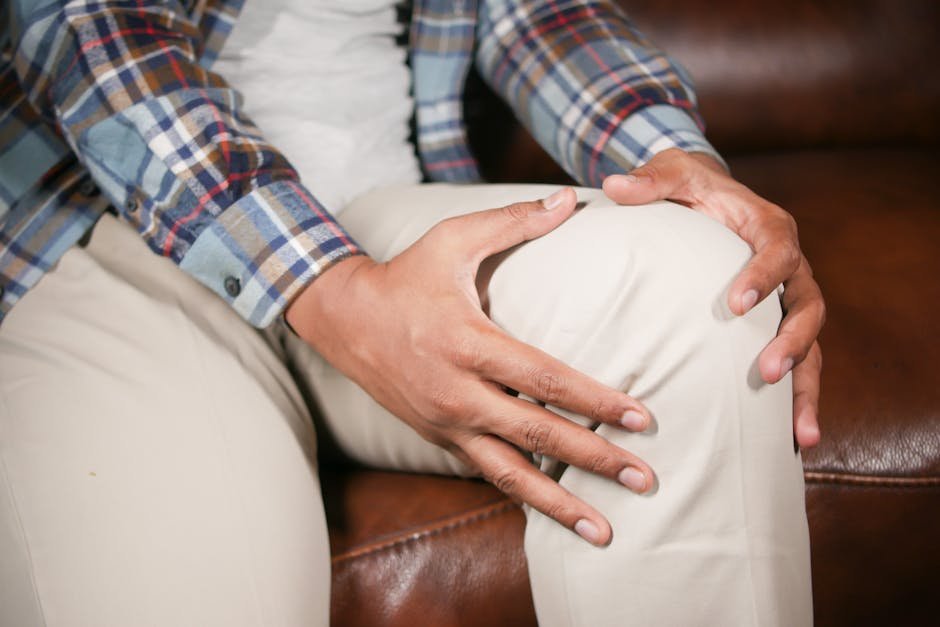
If you’re living with chronic pain, stiffness, or achy joints, you’re far from alone — and you may have heard the advice to “keep moving” more times than you can count. But when every step feels like an effort, that advice can sound more frustrating than helpful. Here’s the thing: gentle movement really can reduce chronic pain over time, and it doesn’t require a gym membership, a personal trainer, or pushing yourself to your limits. In fact, the gentler and more consistent you are, the better your results tend to be. This guide is here to show you exactly what that looks like in real, everyday life — and why starting small is one of the smartest things you can do for your body right now.
Why Gentle Movement Helps Reduce Chronic Pain
It might seem counterintuitive — if something hurts, shouldn’t you rest it? In some situations, yes, rest is important. But chronic pain is different. When pain lingers for weeks or months, staying still too often can actually make things worse. Muscles tighten, joints stiffen, and even simple daily tasks can start to feel overwhelming. Gentle, steady movement breaks that cycle in a way that rest simply can’t.
When you move your joints slowly and carefully, it helps lubricate them — almost like oil on a rusty hinge. The muscles surrounding those joints get a little stronger each time you use them, which means the joints themselves don’t have to work as hard. Less load on the joint often means less pain over time. It’s not magic; it’s just how the body is designed to work.
There are mood and energy benefits, too. Even short bursts of light activity can trigger the release of feel-good chemicals in the brain, helping to lift your spirits and ease the emotional weight that often comes with chronic pain. Better sleep, improved circulation, and a growing sense of independence are all part of the package. When small daily tasks start feeling a little easier, that boost of confidence can carry you further than you might expect.
Chair-Based Exercises: Gentle Movement You Can Do Right Now
You don’t need to stand, balance perfectly, or break a sweat to get started. Chair-based exercises are a brilliant starting point — they’re low-impact, safe for most people, and can be done in your living room, kitchen, or bedroom without any special equipment.
Seated leg lifts are a great place to begin. Sit tall in a sturdy chair, lift one leg straight in front of you, hold it for 3–5 seconds, then lower it slowly. Aim for 8–12 repetitions on each leg. If you need to hold the sides of the chair for balance, go right ahead. Seated marches are equally simple — with both feet flat on the floor, lift one knee as if you’re marching on the spot, then switch. Start with just one minute and gradually work up to three to five minutes as your body gets used to it.
For your upper body, try seated arm circles: extend your arms out to the sides and make small, slow circles forward for 20 seconds, then reverse. If that feels like too much, rest your arms on the chair arms and just roll your shoulders instead. A shoulder squeeze — lifting your shoulders up toward your ears, rolling them back, and releasing — is wonderful for easing the tension that builds up in the upper back and neck. Repeat six to ten times and notice how much lighter your shoulders feel.
Standing and Walking: Building Strength and Confidence Safely
Once you’re comfortable with chair-based movement, you might feel ready to add a little standing work. Always keep a sturdy chair, counter, or wall within reach — support is not a sign of weakness; it’s a sign of wisdom.
Wall push-ups are one of the most accessible strength exercises around. Stand a comfortable distance from a wall, place your hands at chest height, gently bend your elbows to bring your chest toward the wall, then push back. Start with six to ten slow repetitions. Calf raises are another favourite — stand with feet hip-width apart, rise up onto your toes, hold for a second, then lower. Do ten to fifteen repetitions, holding a counter if needed. These are brilliant for circulation in the legs and help prevent that heavy, achy feeling at the end of the day.
When it comes to walking, the golden rule is to start shorter than you think you need to. Even five to ten minutes at a comfortable pace, three days a week, is a meaningful beginning. Add just one minute each week as your body adapts. If pain increases during longer walks, try splitting your walk into two five-minute sessions with a rest in between. There’s no medal for doing it all at once — consistency matters far more than distance.
Gentle Stretches That Ease Stiffness and Support Your Joints
Stretching is one of the most underrated tools for managing chronic pain. It doesn’t need to be intense or uncomfortable to be effective — in fact, a stretch should feel like a gentle, relieving tension, never a sharp or burning sensation.
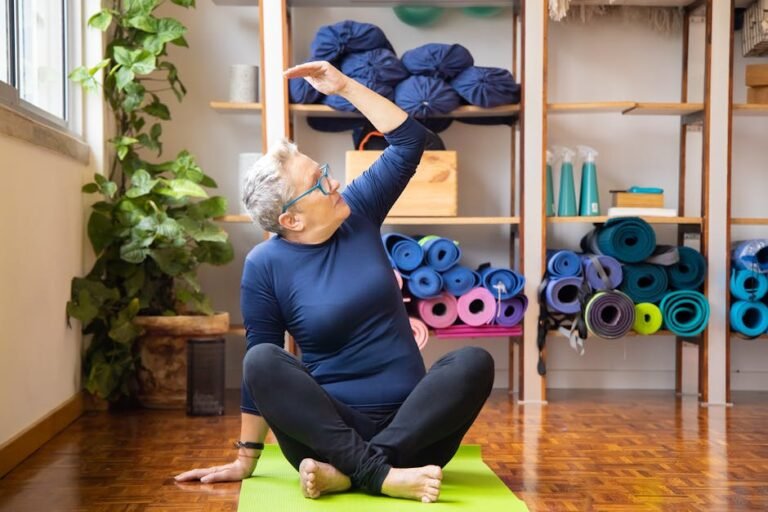
For neck and upper back relief, sit or stand tall and gently tilt your head toward one shoulder until you feel a light stretch. Hold for ten to fifteen seconds, then switch sides. For the lower back, try a seated spinal twist: sit tall, place one hand on the opposite knee, and gently turn your torso toward that knee. Hold for ten seconds, breathe slowly, and switch sides. Keep the movement small and comfortable — this is not the time to push for maximum range.
Don’t forget your feet and ankles, especially if you spend a lot of time sitting. Ankle pumps — pointing your toes away from you, then pulling them back — and gentle ankle circles are excellent for improving circulation in the lower legs. These can be done in your chair while watching television, and they make a real difference to that heavy, tired feeling in the legs.
If you have access to a pool or warm-water facility, water-based movement is worth exploring. The water reduces the impact on joints significantly, making movement feel easier and more supported. Even simply walking slowly in chest-high water can be deeply comfortable for joints that struggle on land.
What You Can Do: Practical Tips for Getting Started and Staying Consistent
Knowing what to do is one thing — actually building it into your daily life is another. Here are some practical, realistic strategies to help gentle movement become a natural part of your routine.
- Set a realistic, specific goal. Instead of “I’ll exercise more,” try “I’ll do five minutes of gentle movement in the morning and five minutes in the evening, three times this week.” Small, concrete goals are far easier to keep.
- Attach movement to something you already do. Do your shoulder rolls while waiting for the kettle to boil. Do ankle circles during the TV adverts. Stand and do a few calf raises while brushing your teeth.
- Warm up and cool down — always. Two to three minutes of slow walking or gentle marching before you begin helps prepare your body. A short cool-down at the end prevents stiffness from setting in.
- Use the “talk test.” If you can hold a conversation while moving, you’re at a good pace. If talking feels impossible, slow down or take a rest.
- Wear supportive footwear. Even indoors, supportive shoes or slippers make a real difference to comfort and balance.
- Keep a simple log or checklist. Mark the days you complete your routine on a calendar. Seeing your own progress — even a few ticks — is surprisingly motivating.
- Invite a friend or family member to join you. A little companionship and accountability can turn exercise from a chore into something you actually look forward to.
- Be kind to yourself on harder days. Even two to three minutes of movement counts. Break it into small chunks if fatigue or pain is higher than usual.
- Talk to your healthcare provider before starting if you have osteoporosis, heart conditions, recent surgery, severe pain, or any other complex health concerns. They can help you adapt movements safely.
Staying Safe: What to Watch For and When to Pause
Gentle movement is safe for the vast majority of older adults, but it’s important to listen to your body throughout. There’s a difference between the mild, normal discomfort of muscles being used and the sharp or burning pain that signals something is wrong. Mild discomfort during movement is common, especially at first — sharp, stabbing, or burning pain is a clear signal to stop and rest.
Stop what you’re doing and seek advice if you notice any of the following: numbness or tingling in your legs, sudden weakness, chest pain, dizziness, or fainting. These symptoms are not typical of normal exercise effort and should be checked by a healthcare professional promptly.
If you have specific conditions, a few extra considerations apply. For knee or hip pain, stick to small, controlled movements and avoid deep squats. For back pain, prioritise gentle posture work and small spinal movements — avoid forceful twisting or deep bending. For those with arthritis, avoid positions that cause a pinching or crunching feeling in the joint. And if you’re managing fatigue or cognitive challenges, break your activity into two-to-three-minute chunks with rest in between — tiny doses still add up to meaningful benefit.
Stay hydrated, avoid exercising in extreme heat or cold, and always keep a stable surface nearby for balance. Progress gradually — your body adapts over weeks, not days, and there’s real wisdom in honouring that pace.
The Bottom Line: Gentle movement is one of the most powerful, accessible tools available for reducing chronic pain and improving daily comfort as you get older. You don’t need to do a lot — you just need to do it consistently and safely. Start with a few minutes of chair-based exercises or a short, easy walk. Add a stretch or two. Build it into moments you already have in your day. Over time, you may find that your joints feel more flexible, your mood lifts, your sleep improves, and those everyday tasks that once felt daunting become a little more manageable. That’s not a small thing — that’s your quality of life improving, one gentle movement at a time. Be patient with yourself, celebrate every small win, and remember: showing up, even in the smallest way, is always enough.
This is not medical advice. Consult your healthcare provider before starting any new health routine or using any product mentioned here.