How Swelling Impacts Mobility — and What You Can Do to Reduce It
This post contains affiliate links. As an Amazon Associate, I earn from qualifying purchases at no extra cost to you.
Free resources — no credit card required for trial
🎧 Listen to health & wellness audiobooks free for 30 days
Start 30-Day Free Trial →
🛒 Recommended Products
As an Amazon Associate we earn from qualifying purchases at no extra cost to you.
TheraBand First Step to Active Health Kit — Senior Exercise Program for Balance and Fall P
$19.99
EZ Off Jar Opener for Seniors — Under Cabinet Jar Opener for Weak Hands and Arthritis
$9.99
Omron 5 Series Upper Arm Blood Pressure Monitor — 2-User 100-Reading Memory Wide-Range Cuf
$44.99
OMRON 7 Series Wireless Wrist Blood Pressure Monitor — Clinically Validated with Connect A
$69.99
Vitality 4 Life Senior Resistance Band with Instruction Guide — Specifically for Elderly F
$16.99
📚 Read unlimited health books free for 30 days
Try Kindle Unlimited Free →
If you’ve ever noticed that your shoes feel a little tighter by evening, that getting up from your favourite chair takes more effort than it used to, or that your ankles look a bit puffy after a warm day, you’re not alone. Swelling — known medically as edema — is incredibly common in older adults, and it can quietly chip away at your comfort, your confidence, and your ability to move freely. The encouraging news? Understanding how swelling impacts mobility is the first step toward doing something about it, and there are plenty of safe, practical strategies you can start using today to feel more like yourself again.
What Is Swelling and Why Does It Affect How You Move?
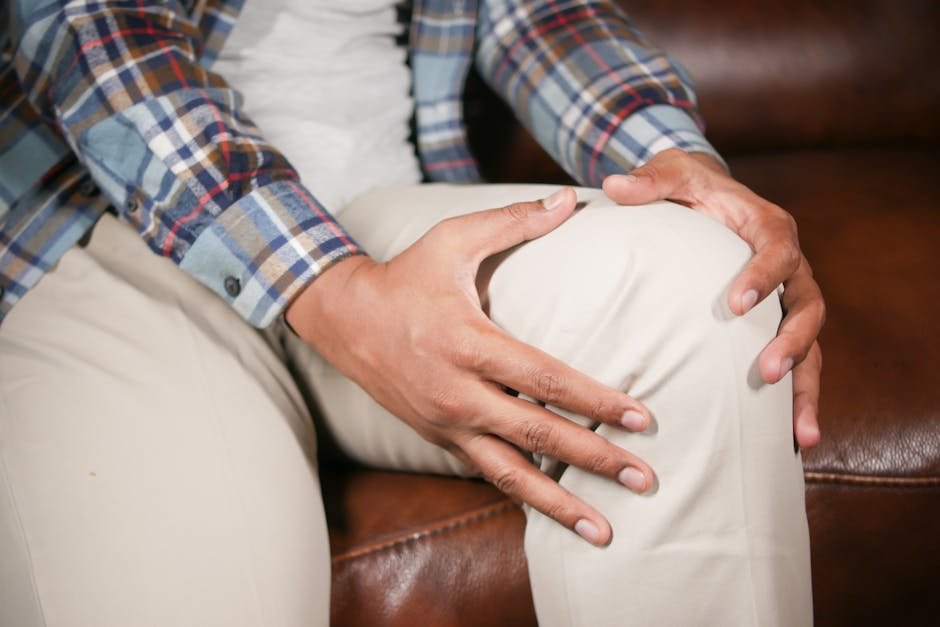
Swelling happens when fluid leaks out of your blood vessels and collects in the surrounding tissues. You might notice it most in your feet, ankles, and legs, but it can also show up in your hands, wrists, or even your abdomen. When that extra fluid builds up around a joint, it creates a feeling of stiffness, heaviness, and tightness that makes even simple movements feel laboured.
Think about trying to bend your elbow while wearing a thick, inflated rubber glove — that gives you a sense of what joint swelling feels like from the inside. Even a modest increase in fluid can change how far you can bend or straighten a limb, because the skin and soft tissue simply don’t have as much give. Over time, persistent swelling can also slow down circulation and increase fatigue, making activity feel like hard work even when you haven’t done very much at all.
The knock-on effects go beyond the physical. When stairs feel steeper, when putting on socks becomes an ordeal, or when you find yourself avoiding a morning walk because your feet ache before you’ve even left the house — that’s when swelling starts to affect your independence and quality of life. Understanding what’s driving it is key to finding the right response.
Common Causes of Joint Swelling in Older Adults
Swelling isn’t a condition in itself — it’s a symptom, and it can have quite a few different causes. Some are closely linked to joint health, while others relate to how your circulation, diet, or medications are affecting your body’s fluid balance. Knowing the likely culprit helps you make smarter choices about self-care.
Conditions like osteoarthritis (the wear-and-tear kind) can cause inflammation around a joint, leading to swelling and stiffness — often worse after activity or at the end of the day. Rheumatoid arthritis, an autoimmune condition, can cause more widespread joint swelling along with morning stiffness that lingers. Gout, which involves the build-up of uric acid crystals in joints, can bring on sudden, intense swelling — often in the big toe — that’s hard to ignore.
Beyond joint-specific conditions, venous insufficiency (when the veins in your legs struggle to push blood back up to your heart) is a very common cause of leg and ankle swelling in older adults. Certain medications — including some blood pressure drugs — can also cause fluid retention as a side effect. And sometimes it’s simpler than you’d think: standing for long periods in warm weather can temporarily puff up your legs even if you’re in perfect health. If your swelling is new, painful, warm to the touch, or comes with a fever, it’s worth getting checked out promptly rather than waiting to see what happens.
How Swelling Impacts Mobility and Daily Life
It might seem like a bit of puffiness shouldn’t make that big a difference — but when swelling impacts mobility day after day, the effects can snowball. Walking longer distances becomes uncomfortable or tiring. Standing up from a low chair or getting out of bed in the morning can require noticeably more effort. Shoes and socks that used to fit perfectly suddenly feel constrictive, turning something as simple as getting dressed into a frustrating chore.
Everyday tasks like cooking a meal, doing light housework, or taking a shower can start to drain more energy than they should, leaving you feeling worn out well before the day is done. Sleep can even be affected — swelling that worsens overnight or causes stiffness in the joints can make it hard to find a comfortable position or to wake up feeling rested and ready to move.
The ripple effects are real. When movement becomes uncomfortable, many people naturally start doing less — which, ironically, can make swelling worse over time by reducing the muscle activity that helps push fluid back through your circulation. It’s a cycle worth breaking, and the good news is that even small, consistent actions can make a meaningful difference.
What You Can Do: Practical Tips to Reduce Swelling and Improve Mobility
There’s a lot within your control here, and you don’t need fancy equipment or a complicated programme to get started. The following strategies are designed to be safe, manageable at home, and genuinely helpful for reducing swelling and supporting your joint health over time. If you have a heart, kidney, or liver condition, always check in with your healthcare provider before making significant changes.
- Move little and often. Even 5–10 minutes of gentle activity several times a day can help your circulation and reduce fluid pooling. You don’t need to do it all at once.
- Try seated leg pumps. Sit with your feet flat on the floor, then slowly point your toes away from you and pull them back toward you. Repeat 10–15 times. This is one of the simplest and most effective moves for boosting circulation in the lower legs.
- Do ankle circles. Lift your feet slightly and rotate your ankles in both directions for about 20 seconds each way — great to do during TV time.
- Add standing calf raises. Hold onto a sturdy chair for balance, then rise up onto your toes 10–15 times. This engages the calf muscles, which act like pumps to push blood back up your legs.
- Elevate your legs when resting. Aim to raise your legs above heart level for 20–30 minutes a few times each day using pillows or cushions. This uses gravity to help drain excess fluid.
- Watch your salt intake. Excess sodium causes your body to hold onto water. Read food labels, choose lower-sodium options where you can, and fill your plate with fresh fruits, vegetables, whole grains, and lean proteins.
- Stay well hydrated. It sounds counterintuitive, but drinking enough water throughout the day actually helps your body maintain a healthy fluid balance rather than holding onto excess fluid.
- Choose supportive footwear. Look for shoes with a roomy toe box, good arch support, and a comfortable fit. Avoid tight socks or high heels, especially on days when swelling is more noticeable.
- Consider compression stockings — carefully. These can be very helpful for leg swelling, but they need to be correctly sized and aren’t suitable for everyone (particularly those with significant artery disease). Always check with a clinician before starting.
- Review your medications. Some common drugs, including certain blood pressure medicines, can contribute to swelling. Ask your pharmacist or doctor if any of your current medications might be playing a role — but never stop a prescribed medicine on your own.
- Short walks add up. A 5–10 minute stroll around the house or garden — if your balance allows — can do wonders for circulation and joint comfort. Try to build it into your daily routine.
A simple way to get started: today, spend 5–10 minutes doing gentle seated movements and elevate your legs for 15–20 minutes afterwards. This week, add one short walk each day and swap in some water-rich foods like soups, fruits, and vegetables. These small steps, done consistently, really do add up.
The Role of Diet and Weight in Managing Joint Swelling
What you eat can have a real impact on how much swelling you experience. A balanced diet rich in fruits, vegetables, whole grains, and lean proteins helps your body manage fluid balance more effectively. Foods high in omega-3 fatty acids — like salmon, mackerel, and sardines — may also support joint health more broadly, which is a welcome bonus.
Sodium is the big one to watch. Many processed and packaged foods contain far more salt than you’d expect — things like tinned soups, ready meals, condiments, and bread can all contribute to fluid retention without you realising it. Reading labels and gradually moving toward fresher, less-processed foods is one of the most impactful dietary changes you can make for swelling management.
If your healthcare provider has recommended losing some weight to reduce pressure on your joints, aim for small, steady changes rather than dramatic restrictions. Working with a dietitian can make this feel much more manageable and ensure you’re nourishing your body well while working toward a healthier weight. Crash diets or severe calorie cutting can do more harm than good, so patience and consistency are your best friends here.
When to Seek Medical Help for Swelling
While many causes of mild swelling can be managed with the practical strategies above, there are times when swelling is a signal that something more serious needs attention. It’s important to know the difference between everyday puffiness and symptoms that warrant a prompt call to your doctor or a visit to urgent care.
Seek medical advice if swelling comes on suddenly, affects only one limb, is very painful, warm to the touch, or is accompanied by redness. These can be signs of a blood clot or infection that need prompt treatment. Similarly, if you experience shortness of breath, chest pain, or sudden swelling of the face or abdomen alongside leg swelling, seek help immediately — these can indicate a serious heart or circulation issue.
It’s also worth making an appointment if swelling doesn’t improve after one to two weeks of consistent home care, or if it’s getting noticeably worse despite your best efforts. Your healthcare provider can help identify the underlying cause, refer you to a physiotherapist or occupational therapist for a tailored exercise programme, or review whether any of your medications might be contributing. You don’t need to just live with it — there are often things that can be done.
The Bottom Line: Swelling is one of those things that can quietly limit how much you move, how comfortable you feel, and how independent you stay — but it doesn’t have to. By understanding how swelling impacts mobility and putting a few gentle, consistent strategies in place — regular movement, leg elevation, mindful eating, good hydration, and supportive footwear — you can make a real difference to how you feel day to day. Your body is remarkably responsive to small, steady care. Start with one or two changes today, build from there, and never hesitate to reach out to a healthcare professional if something doesn’t feel right. You deserve to move through your days with comfort, ease, and confidence.
This is not medical advice. Consult your healthcare provider before starting any new health routine or using any product mentioned here.