How to Keep Shoulders Relaxed and Open: A Senior’s Guide to Better Posture and Less Tension
This post contains affiliate links. As an Amazon Associate, I earn from qualifying purchases at no extra cost to you.
Free resources — no credit card required for trial
🎧 Listen to health & wellness audiobooks free for 30 days
Start 30-Day Free Trial →
🛒 Recommended Products
As an Amazon Associate we earn from qualifying purchases at no extra cost to you.
TheraBand First Step to Active Health Kit — Senior Exercise Program for Balance and Fall P
$19.99
EZ Off Jar Opener for Seniors — Under Cabinet Jar Opener for Weak Hands and Arthritis
$9.99
Omron 5 Series Upper Arm Blood Pressure Monitor — 2-User 100-Reading Memory Wide-Range Cuf
$44.99
OMRON 7 Series Wireless Wrist Blood Pressure Monitor — Clinically Validated with Connect A
$69.99
Vitality 4 Life Senior Resistance Band with Instruction Guide — Specifically for Elderly F
$16.99
📚 Read unlimited health books free for 30 days
Try Kindle Unlimited Free →
Have you noticed your shoulders creeping up toward your ears by the end of the day? Or felt that familiar tightness across the back of your neck after sitting for a while? You’re not alone. As we get older, keeping shoulders relaxed and open can feel like an uphill battle — but it doesn’t have to be. The great news is that with just a few minutes of gentle daily movement and some simple habit tweaks, you can ease that tension, move more freely, and feel a whole lot more comfortable in your body. Whether you’re reaching for a shelf, cooking dinner, or simply sitting in your favourite chair, relaxed, open shoulders make everything feel easier.
Why Relaxed, Open Shoulders Matter More As We Age
Our bodies change as the years go by — muscles can get stiffer, daily tasks feel a little heavier, and our posture naturally starts to shift. One of the most common changes is the shoulders beginning to round forward or hunch upward toward the ears. This tight, held position puts extra strain on the neck, upper back, and chest, which can lead to nagging aches and a feeling of constant tiredness.
When your shoulders are tense and hunched, it actually affects more than just how you feel physically. Tight chest muscles can restrict your breathing, making it shallower than it should be. Your balance can also be subtly affected, since good posture plays a big role in how steadily we move through the world. Simple everyday actions — getting dressed, lifting shopping bags, turning to look behind you — all become harder when your shoulders are locked in a tense position.
On the flip side, shoulders that are relaxed and open support better breathing, reduce neck and upper back pain, and make lifting and carrying far less tiring. They also help you move with greater confidence and ease. The encouraging truth is that small, consistent habits can genuinely shift things for the better — no gym membership or complicated equipment required.
Daily Posture Habits That Make a Real Difference
Before jumping into specific exercises, it’s worth talking about the little everyday habits that quietly shape your posture over time. These don’t take long, but they add up in a meaningful way.
One of the simplest and most powerful things you can do is the “pause-and-check.” Several times throughout your day — maybe when you make a cup of tea, sit down to watch TV, or pick up your phone — take a moment to notice where your shoulders are. Let them drop away from your ears, soften your jaw, and take a slow, easy breath. It sounds almost too simple, but this small reset done consistently can genuinely retrain your body’s default posture over time.
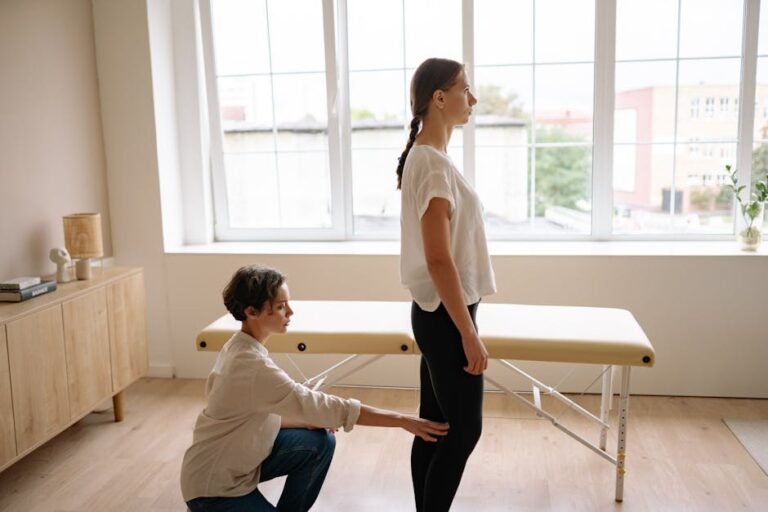
Your environment matters too. If you spend a lot of time at a desk or watching television, check that your screen is roughly at eye level so you’re not leaning forward or craning your neck. When you’re seated, try using a chair with good back support, feet flat on the floor, and allow your shoulders to rest comfortably — not reaching or straining. Setting a timer on your phone to remind you to check your posture every 20 to 30 minutes is a wonderfully practical trick that many people find surprisingly effective.
At the end of the day, a quick one-to-two-minute shoulder release before bed can help your body unwind and set you up for a better night’s sleep. Even just consciously dropping your shoulders and taking a few slow breaths while lying down counts as a beneficial habit.
Gentle Stretches and Mobility Moves to Open the Shoulders
Stretching doesn’t need to be vigorous to be effective — especially when it comes to keeping shoulders relaxed and open. The key is to move slowly, stay within a comfortable range, and never push through sharp or intense pain. Aim for one to two sets of each movement, doing six to twelve repetitions or holding for fifteen to thirty seconds where applicable.
The neck and shoulder release is a wonderful place to start. Sitting or standing tall, gently tilt your head toward one shoulder, keeping the opposite shoulder relaxed downward. Hold for five to ten seconds, return to centre, and repeat on the other side. This helps release the neck tension that so often tugs the shoulders upward. Another favourite is the shoulder blade squeeze — simply sitting or standing tall, gently squeeze your shoulder blades together as if holding a pencil between them, hold for five seconds, and release. This strengthens the muscles that pull your shoulders back and open the chest beautifully.
For a deeper chest stretch, try a gentle doorway stretch: stand in a doorway, place your forearms on the frame with elbows at about shoulder height, and step one foot forward to feel a mild, pleasant stretch across the front of your chest. Hold for fifteen to thirty seconds and repeat two to three times. If reaching the doorframe feels tricky, simply place your hands on a wall at a comfortable height and lean slightly forward — you’ll still get a lovely stretch. Wall angels are also brilliant for shoulder mobility: stand with your back lightly against a wall, bend your elbows to ninety degrees at shoulder height, and gently slide your forearms up the wall as far as feels comfortable, then back down. Eight to twelve slow repetitions work well here.
Small arm circles — ten forward and ten backward — are deceptively effective for loosening up stiff shoulders. If things feel tight, keep the circles very small and let them grow as your mobility improves. A towel stretch behind the back, where you hold a towel with one hand reaching up and the other reaching down, can also gently improve shoulder range of motion and open the chest over time.
Simple Strengthening Exercises to Support Good Posture
Stretching and mobility work are wonderful, but adding a little gentle strengthening helps your shoulders stay in a relaxed, open position throughout the day — not just immediately after your routine. The muscles that hold your shoulder blades back and down need to be strong enough to do their job without constant conscious effort.
One of the easiest places to start is seated rows with a light weight. Sit tall, hold a small water bottle or light hand weight in each hand with elbows bent, and draw your elbows back while squeezing your shoulder blades together. Then release slowly. Eight to twelve repetitions with a weight that feels genuinely manageable is ideal. You’re not aiming for a workout — you’re gently waking up muscles that may have been underused.
Wall push-ups are another excellent and very safe option. Stand a short step away from a wall, place your hands on it at chest height, bend your elbows to lower your chest toward the wall, and then push back. Start with six to eight repetitions and build gradually. If you have access to a light resistance band, pull-aparts are fantastic for the upper back: hold the band with both hands at chest height and gently pull your hands apart, keeping your elbows straight and your shoulders relaxed downward. Ten to fifteen slow repetitions with a very light band is a great starting point.
What You Can Do: Practical Tips for Relaxed, Open Shoulders Every Day
Knowing the exercises is one thing — actually weaving them into daily life is where the real magic happens. Here are some practical, down-to-earth ways to make shoulder health a natural part of your routine rather than another task on a to-do list.
- Start small and stay consistent. Aim for five to ten minutes most days of the week. Consistency genuinely matters far more than occasional intense sessions.
- Pair your shoulder exercises with an existing habit. Do a quick shoulder release while the kettle boils, or a set of shoulder blade squeezes during the adverts.
- Set posture reminders. Use your phone alarm or a sticky note on the fridge to prompt a shoulder check every hour or so.
- Support your sitting posture at home. Place a small rolled towel or cushion behind your upper back when sitting to gently encourage an open chest.
- Adjust your driving position. Make sure you can comfortably reach the steering wheel without rounding your shoulders forward. A small lumbar roll can help keep your back supported.
- Bring objects to you in the kitchen. Rather than reaching overhead repeatedly, bring items closer to your body and keep work surfaces at a comfortable height.
- Sleep smart. Use a supportive pillow that fits your neck well. If you sleep on your side, a small pillow tucked between your arm and your torso can help keep the shoulder joint in a comfortable, open position.
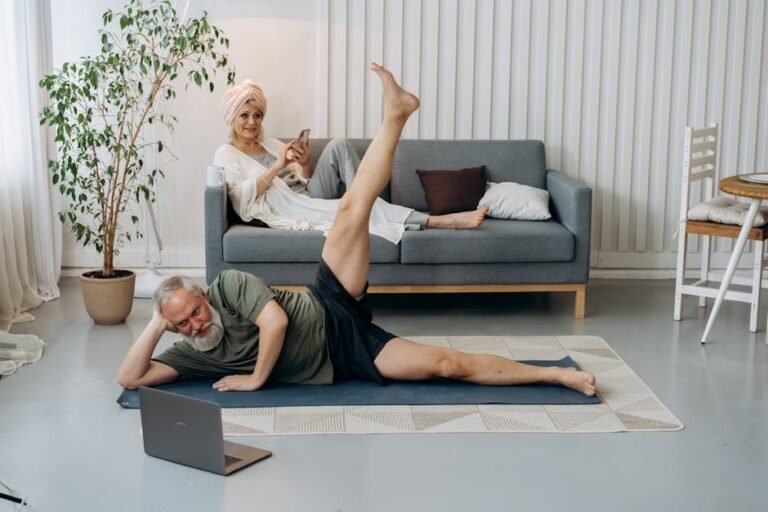
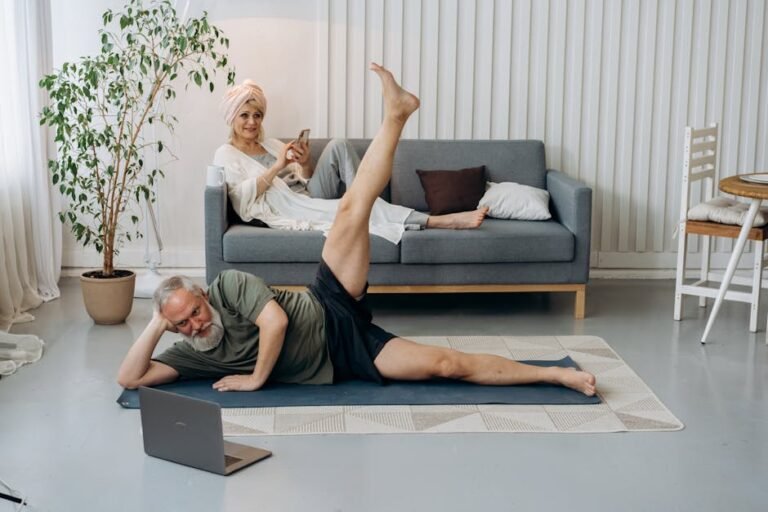
- Involve a friend or family member. Some of these gentle moves are lovely to do together, and a little accountability goes a long way toward building lasting habits.
- Track your progress simply. Keep a brief note of what you did and how you felt. Noticing even small improvements — like being able to reach something more easily — is genuinely motivating.
- Add gradually. Every one to two weeks, try adding one new exercise or a slightly longer hold time. Let your body lead the way.
Staying Safe: What to Watch Out For
Gentle movement is almost always beneficial, but there are a few important safety points to keep in mind — especially if you have any existing shoulder conditions, arthritis, osteoporosis, or a history of injury. Always check with your doctor or a physical therapist before starting a new exercise routine if you’re unsure. This isn’t about being overly cautious; it’s about making sure the movements you choose are the right fit for your body.
The most important rule is simple: don’t push through sharp or intense pain. A mild sensation of stretch or gentle effort is perfectly fine, but sharp, deep, or lasting pain is your body’s signal to stop and seek guidance. When you’re stretching, never force a movement beyond what feels comfortable — gradual, consistent progress is far safer and more effective than rushing. Remember to breathe slowly and evenly throughout every movement, and avoid holding your breath, which can increase tension rather than release it.
If you have a history of shoulder impingement, rotator cuff problems, or osteoporosis, be particularly mindful with overhead movements. You may need to modify the height or range of certain exercises, and that’s absolutely fine — there’s always a gentler version that will still be helpful. If you’ve had shoulder replacement surgery or a significant shoulder injury, please get personalised guidance from a healthcare professional before beginning any new exercise programme.
The Bottom Line: Keeping your shoulders relaxed and open isn’t about achieving perfect posture or pushing your body to its limits — it’s about comfort, ease, and enjoying greater freedom of movement in everyday life. With a handful of gentle daily habits, a few simple stretches, and some light strengthening moves, you can meaningfully reduce tension, breathe more easily, and move through your day with less strain. Be patient and kind with yourself, celebrate every small improvement, and remember that every gentle, thoughtful step you take is genuinely investing in your long-term wellbeing. You deserve to feel comfortable and free in your body — and you absolutely have the power to nurture that, one easy choice at a time.
This is not medical advice. Consult your healthcare provider before starting any new health routine or using any product mentioned here.