How to Prevent Mouth Sores: A Practical Guide for Seniors
This post contains affiliate links. As an Amazon Associate, I earn from qualifying purchases at no extra cost to you.
Free resources — no credit card required for trial
🎧 Listen to health & wellness audiobooks free for 30 days
Start 30-Day Free Trial →
🛒 Recommended Products
As an Amazon Associate we earn from qualifying purchases at no extra cost to you.
TheraBand First Step to Active Health Kit — Senior Exercise Program for Balance and Fall P
$19.99
EZ Off Jar Opener for Seniors — Under Cabinet Jar Opener for Weak Hands and Arthritis
$9.99
Omron 5 Series Upper Arm Blood Pressure Monitor — 2-User 100-Reading Memory Wide-Range Cuf
$44.99
OMRON 7 Series Wireless Wrist Blood Pressure Monitor — Clinically Validated with Connect A
$69.99
Vitality 4 Life Senior Resistance Band with Instruction Guide — Specifically for Elderly F
$16.99
📚 Read unlimited health books free for 30 days
Try Kindle Unlimited Free →
If you’ve ever woken up with a painful sore in your mouth, you know just how much it can affect your day — from enjoying your morning meal to having a comfortable conversation with a friend. Mouth sores are surprisingly common in older adults, and while they might seem like a minor nuisance, they can seriously impact your quality of life. The encouraging news? Learning how to prevent mouth sores is very much within your reach. With a few simple daily habits, the right diet, and a little extra attention to your oral care routine, you can keep your mouth feeling comfortable, healthy, and sore-free — or at least dramatically reduce how often sores appear.
Why Are Mouth Sores More Common in Seniors?
Before we dive into prevention, it helps to understand why mouth sores tend to show up more frequently as we age. It’s not just bad luck — there are some very real, very common reasons why older adults are more prone to them, and knowing these reasons puts you in the driver’s seat when it comes to prevention.
One of the biggest culprits is dry mouth, medically known as xerostomia. Many common medications — including diuretics, blood pressure pills, antidepressants, and allergy medications — reduce the amount of saliva your body produces. Saliva isn’t just there to help you chew; it’s actually your mouth’s natural defence system, washing away bacteria and keeping the tissues moist and protected. When saliva levels drop, your mouth becomes more vulnerable to irritation and sores.
Dentures are another common factor. Ill-fitting dentures that rub against your gums can cause persistent sores on the mouth lining — and unfortunately, denture fit tends to change over time as the shape of your jawbone shifts. Other contributing causes include small mouth injuries from biting your cheek, sharp foods, or aggressive brushing; nutritional deficiencies in iron, vitamin B12, or folate; infections like oral thrush (a yeast infection); and medical treatments such as chemotherapy or radiation. Tobacco use, alcohol, stress, and certain health conditions can also make sores more likely to appear.
Building a Gentle Daily Oral Care Routine to Prevent Mouth Sores
The single most powerful thing you can do to prevent mouth sores is to maintain a consistent, gentle daily oral hygiene routine. Think of it as giving your mouth a little love every morning and evening — nothing complicated, just steady care that adds up over time.
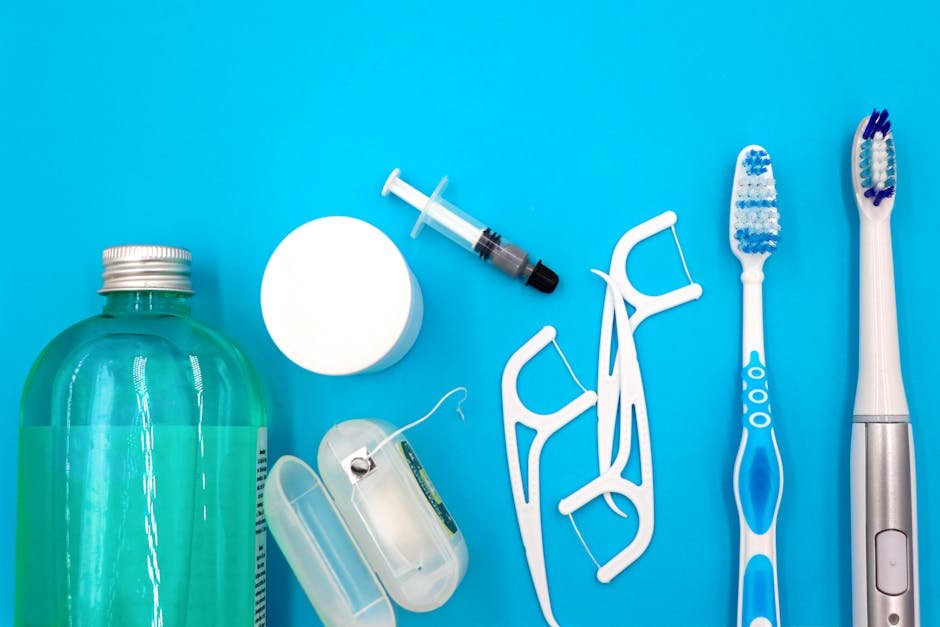
Start with brushing twice a day for about two minutes using a soft-bristled toothbrush and fluoridated toothpaste. The key word here is soft — firm bristles can irritate the delicate lining of your mouth and actually cause the sores you’re trying to avoid. Use gentle, circular motions rather than scrubbing back and forth. Don’t forget your tongue, either; brushing it or using a tongue scraper removes bacteria that can contribute to irritation. Floss or use an interdental cleaner daily — if standard floss is hard to manage, try floss holders or picks, which are much easier to grip.
When it comes to mouthwash, choose a non-alcohol, fluoride rinse. Alcohol-based mouthwashes can sting and actually dry your mouth out further, which is the last thing you need if you’re already dealing with dry mouth. A simple saltwater rinse — half a teaspoon of salt stirred into a glass of warm water — is a wonderfully soothing and inexpensive alternative that you can use once a day or after meals if you notice any irritation starting.
If you wear dentures, your routine needs a little extra attention. Remove them as directed — usually at night — and clean them separately with a denture brush and denture cleaner. Never use hot water to soak them, as this can warp the shape. Before putting them back in, rinse both the dentures and your mouth thoroughly. And if you ever notice a sore forming where the denture rubs, don’t keep wearing them through the pain. Give your mouth a rest and contact your dentist to get the fit checked.
Keeping Your Mouth Moist: A Key Strategy for Sore Prevention
Staying hydrated isn’t just good for your overall health — it’s one of the most effective ways to prevent mouth sores, especially if you’re dealing with dry mouth caused by medications. When your mouth is moist, the tissues stay supple and resilient, better able to resist irritation and infection.
Sip water regularly throughout the day rather than drinking large amounts all at once. Small, frequent sips are more effective at keeping your mouth comfortable. If you find plain water gets boring, try herbal teas (caffeine-free) or diluted fruit juices — just be mindful of acidic options that might irritate a sensitive mouth. Using a humidifier in your bedroom at night is another excellent strategy, particularly if you wake up with a dry or uncomfortable mouth in the mornings.
Sugar-free gum or lozenges containing xylitol can help stimulate saliva production, which is great news for dry mouth sufferers. However, if you wear dentures — especially if they feel a little loose — check with your dentist before chewing gum, as it can be tricky to manage. There are also saliva substitute sprays and gels available that can provide some relief between sips of water. If dry mouth is a persistent problem for you, talk to your doctor about whether any of your current medications could be adjusted in timing or dosage to help reduce the dryness.
Eating Well to Support a Healthy Mouth
What you eat has a bigger impact on your oral health than most people realise. A few thoughtful food choices can make a real difference in how often mouth sores appear — and how quickly they heal if they do.
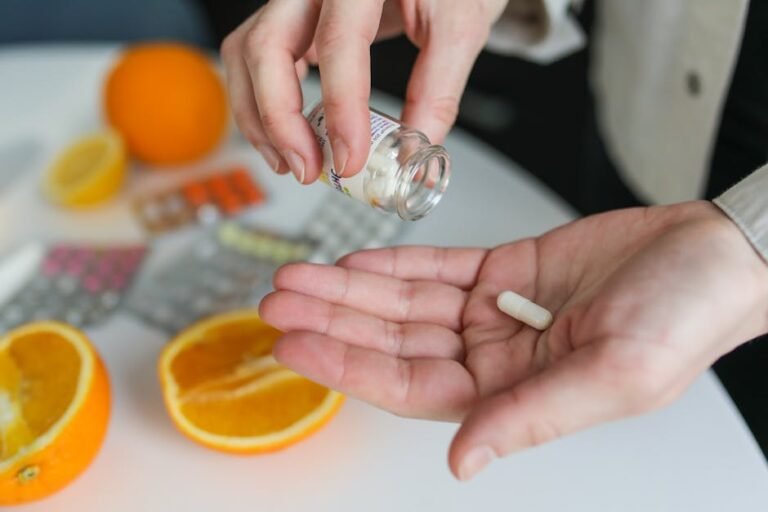
Good nutrition starts with getting enough iron, vitamin B12, and folate, since deficiencies in these nutrients are directly linked to mouth ulcers and sore patches. Make sure your meals regularly include protein-rich foods like eggs, fish, beans, dairy, and poultry, which support tissue repair and immune function. If you follow a vegetarian or plant-based diet, speak with your doctor or dietitian about the best food sources or supplements to ensure you’re not missing out on these key nutrients.
When sores are present or you’re feeling sensitive, choose soft, gentle foods that won’t aggravate irritated tissues. Good options include yoghurt, scrambled eggs, mashed potatoes, oatmeal, soft cooked vegetables, smooth soups, and ripe or canned fruit. On the flip side, limit spicy foods, very acidic items like citrus and tomatoes, and overly salty snacks when your mouth is feeling delicate — these can all make sores more painful and slow healing. Sugary drinks and snacks are also worth keeping to a minimum, as they feed the bacteria that can contribute to mouth problems. And if you have diabetes, maintaining good blood sugar control is particularly important, as poorly managed blood sugar increases the risk of oral infections and sores.
What You Can Do: Practical Tips for Preventing Mouth Sores Every Day
Ready to take action? Here’s a practical, easy-to-follow list of steps you can start implementing right away. None of these require a big time investment — just a little consistency and self-care.
- Brush twice daily with a soft-bristled toothbrush and gentle, circular motions — no scrubbing.
- Use a non-alcohol mouthwash or a simple saltwater rinse (half a teaspoon of salt in a glass of warm water) to soothe and cleanse without drying your mouth out.
- Sip water throughout the day — keep a glass or water bottle nearby as a reminder to stay hydrated.
- Use a humidifier at night if you wake up with a dry or uncomfortable mouth.
- Check your dentures regularly for fit, and schedule a professional check at least once a year — sooner if they’re rubbing or feeling loose.
- Remove dentures at night and clean them separately with a proper denture cleaner, not hot water.
- Eat soft, nourishing foods like yoghurt, eggs, mashed vegetables, and smooth soups when your mouth feels sensitive.
- Avoid irritants like spicy, acidic, or very crunchy foods if your mouth is already sore or prone to irritation.
- Ask your doctor about dry mouth if several of your medications are known to reduce saliva — a simple adjustment could provide significant relief.
- Apply an unscented lip balm or plain petroleum jelly to cracked or dry lips to prevent discomfort from spreading to the surrounding mouth area.
- See a dentist if a sore doesn’t heal within two weeks — persistent sores should always be professionally evaluated.
- Chew slowly and mindfully, taking small bites and chewing on both sides to reduce accidental injury to the inside of your mouth.
When to Seek Professional Help for Mouth Sores
Most mouth sores resolve on their own within a week or two with good home care. But there are times when it’s important to reach out to your dentist or doctor rather than waiting it out. Knowing when to seek help can prevent a small problem from becoming a bigger one.
Contact a dental or medical professional if a sore lasts more than two weeks, grows larger, or becomes extremely painful. You should also seek help if you notice fever, swelling, or any pus around the affected area — these can be signs of infection that need treatment. If a sore is making it difficult to swallow, speak, or breathe comfortably, don’t delay in getting it checked. Similarly, if new sores appear shortly after you’ve started a new medication or begun using a new dental appliance, it’s worth mentioning to your healthcare provider right away.
For those living with diabetes or a weakened immune system, it’s especially important not to leave mouth sores untreated. These conditions can make the mouth more vulnerable to infections, and what starts as a small sore can escalate more quickly. Your dentist and doctor work best as a team when it comes to your oral health — don’t hesitate to loop them both in if you’re concerned.
The Bottom Line: Mouth sores can be uncomfortable and frustrating, but the good news is that most of them are preventable with consistent, gentle daily care. By keeping your mouth moist, following a soft-bristled brushing routine, choosing nourishing foods, ensuring your dentures fit properly, and staying connected with your healthcare team, you can dramatically reduce how often sores appear — and enjoy eating, talking, and smiling with much more comfort. Start small if you need to: even one or two changes today can make a meaningful difference. Your mouth health is a vital part of your overall wellbeing, and you deserve to feel comfortable every single day.
This is not medical advice. Consult your healthcare provider before starting any new health routine or using any product mentioned here.