How to Reduce Sound Sensitivity: A Practical Guide for Seniors
This post contains affiliate links. As an Amazon Associate, I earn from qualifying purchases at no extra cost to you.
Free resources — no credit card required for trial
🎧 Listen to health & wellness audiobooks free for 30 days
Start 30-Day Free Trial →
🛒 Recommended Products
As an Amazon Associate we earn from qualifying purchases at no extra cost to you.
TheraBand First Step to Active Health Kit — Senior Exercise Program for Balance and Fall P
$19.99
EZ Off Jar Opener for Seniors — Under Cabinet Jar Opener for Weak Hands and Arthritis
$9.99
Omron 5 Series Upper Arm Blood Pressure Monitor — 2-User 100-Reading Memory Wide-Range Cuf
$44.99
OMRON 7 Series Wireless Wrist Blood Pressure Monitor — Clinically Validated with Connect A
$69.99
Vitality 4 Life Senior Resistance Band with Instruction Guide — Specifically for Elderly F
$16.99
📚 Read unlimited health books free for 30 days
Try Kindle Unlimited Free →
Does the hum of a vacuum cleaner feel almost unbearable? Does a TV at normal volume make you want to leave the room? If everyday sounds have started to feel louder, harsher, or just plain overwhelming, you’re not alone — and you’re not imagining it. Sound sensitivity, sometimes called hyperacusis, is something many seniors experience as part of the natural changes that come with aging. The encouraging news is that there are gentle, practical, and genuinely effective ways to reduce sound sensitivity and get back to feeling comfortable in your own home and out in the world. Let’s walk through what’s happening in your ears — and, more importantly, what you can actually do about it.
What Is Sound Sensitivity and Why Does It Affect Seniors?
Sound sensitivity means your ears and brain are reacting more strongly to sounds than they once did. What used to be easy background noise — a neighbor’s clinking dishes, a busy restaurant, even birdsong — can suddenly feel intrusive or even painful. This isn’t a personality quirk or a sign you’re becoming a hermit. It’s a genuine physical experience that deserves to be taken seriously.
Several factors that commonly come with aging can contribute to this heightened reaction. Changes in the inner ear and auditory nerves can make sounds feel louder or harsher than they actually are. Tinnitus — that ringing, buzzing, or hissing sound that many seniors experience — often goes hand-in-hand with sound sensitivity and can amplify the overall feeling of being overwhelmed by noise. A lifetime of exposure to loud environments, certain medications, and underlying health conditions can also play a role.
It’s also worth noting the connection between stress, fatigue, and how your ears feel. When you’re tired or anxious, your nervous system is already on high alert — and your sensitivity to sound can ramp up accordingly. This is why some days feel far worse than others, even when your actual environment hasn’t changed. Understanding these connections is the first step toward finding real relief.
Lifestyle Changes That Support Calmer Hearing
One of the most powerful things you can do to reduce sound sensitivity doesn’t involve your ears at all — it involves your overall wellbeing. Managing stress and getting enough rest can have a surprisingly significant effect on how your body processes sound. When you’re well-rested and calm, your nervous system is less reactive, and many people notice that the same sounds feel far more tolerable.
Try carving out just five minutes each day for a simple relaxation practice. That might be slow, deep breathing, a short gentle walk, or a quiet stretch. These small habits signal to your nervous system that it’s safe to relax — and over time, that matters. Prioritising sleep is equally important. A consistent bedtime, a cool and dark bedroom, and cutting back on caffeine in the afternoons can all improve your sleep quality and, in turn, your sound tolerance.
Another approach worth trying is gentle, gradual sound exposure. The goal isn’t to avoid all noise — in fact, avoiding sound entirely can sometimes make sensitivity worse over time. Instead, try spending a little time each day around sounds that are mildly uncomfortable but not distressing, at a very low level. Gradually, as your brain gets used to those sounds, you can increase the exposure slightly. If you feel overwhelmed, step back and try again later. Patience really is the key here.
How to Adjust Your Sound Environment at Home and in Public
Your physical environment plays a bigger role in sound sensitivity than most people realise. Hard floors, bare walls, and large windows all reflect sound and create echoes that can feel harsh and disorienting. Soft furnishings — rugs, curtains, upholstered chairs, cushions on shelves — absorb sound and make a room feel noticeably calmer. If your living space feels like it “rings” or echoes, even small additions like a runner rug in the hallway or heavier drapes in the living room can make a real difference.
At home, try to use one loud appliance at a time rather than running several simultaneously. If you’re replacing a vacuum or blender, look for models specifically marketed as quiet — they do exist, and they’re worth the investment. When watching TV, use closed captions so you can keep the volume lower without missing dialogue. This simple swap can reduce fatigue and discomfort significantly over the course of a day.
Out in public, a few thoughtful adjustments can make outings much more enjoyable. In loud restaurants or venues, seat yourself as far as possible from the main noise source — near a wall or corner, away from the kitchen, speakers, or busy thoroughfares. If you’re attending an event that will be loud for an extended period, plan short breaks to step outside or find a quieter spot. Even five minutes of quiet can help reset your system. And when you know you’ll be in a genuinely loud environment — like a sporting event or concert — wearing soft earmuffs or foam earplugs is a perfectly reasonable and smart choice.
Safe Listening Habits That Protect Your Ears Every Day
Modern life involves a lot of personal listening — phones, tablets, headphones, and earbuds are part of daily life for many seniors now. The good news is that listening safely doesn’t mean giving up the pleasure of music, podcasts, or audiobooks. It just means being a little more intentional about how you do it.
A helpful rule of thumb: if you can’t hear someone speaking to you at a normal conversational volume while your headphones are on, the volume is too loud. Turn it down until you can. Many smartphones and devices now have built-in features that warn you when audio is reaching an unsafe level — it’s worth enabling these if your device has them. Also try to take a break from headphone use every 30 to 60 minutes to give your ears a rest.
If you use hearing aids, you may already be benefiting from noise management technology — but it’s worth having a conversation with your audiologist about whether your current settings are truly optimised for your comfort. Modern hearing aids often include programs designed specifically to reduce background noise and improve speech clarity, which can make a huge difference in how manageable everyday sound feels. If you’ve been avoiding hearing aids because they seemed complicated or intrusive, the technology has improved enormously, and many wearers find them genuinely life-changing.
What You Can Do: Practical Tips to Reduce Sound Sensitivity Starting Today
Sometimes the most helpful thing is a clear, simple list of actions you can take right now. Here are practical steps drawn from the most effective strategies for managing sound sensitivity:
- Add softness to your home: Place a rug in your living room or hallway, hang heavier curtains, and add cushions or soft throws to absorb sound and reduce echo.
- Use closed captions on TV: This lets you keep the volume lower while still following conversations clearly, reducing ear fatigue throughout the day.
- Set a daily 5-minute relaxation routine: Deep breathing, gentle stretching, or a short walk can calm your nervous system and lower your baseline sensitivity.
- Keep a consistent sleep schedule: Go to bed and wake up at the same time each day, and create a quiet, comfortable sleep environment to improve rest quality.
- Keep personal device volume in check: Never listen at a level that drowns out a normal conversation, and take listening breaks every 30–60 minutes.
- Designate a quiet zone at home: Choose one room or corner that stays free of loud appliances and serves as your calm retreat when sounds feel overwhelming.
- Use ear protection in genuinely loud settings: Lawnmowing, power tools, concerts — bring earmuffs or earplugs and use them without hesitation.
- Try background sound masking: A white noise machine or gentle music at a consistent, low level can help mask sudden loud noises that startle or distress you.
- Stay hydrated and attend regular health check-ups: General good health supports how your body manages sensory input, including sound.
- Review your medications with your doctor: Some medicines can affect ear sensitivity — never adjust prescriptions on your own, but do raise the question with your healthcare provider.
You don’t need to do all of these at once. Pick one or two that feel manageable and start there. Small, consistent changes add up to real improvement over time.
When to Seek Professional Support for Sound Sensitivity
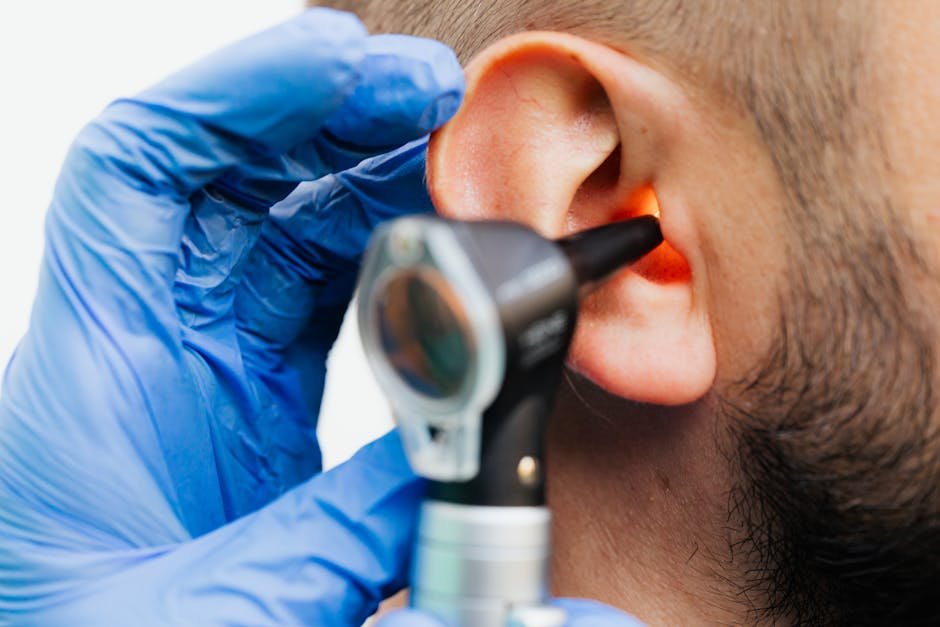
If sound sensitivity is significantly affecting your quality of life — making you reluctant to socialise, disrupting your sleep, or causing anxiety — it’s time to bring a professional into the conversation. A visit to an audiologist is a great starting point. A comprehensive hearing evaluation can identify whether your sensitivity is connected to hearing loss, tinnitus, changes in ear anatomy, or something else entirely. This information is invaluable in shaping the right approach for you specifically.
For those experiencing tinnitus alongside sensitivity, there are established therapies that can help. Tinnitus retraining therapy, sound therapy, and counselling have helped many people significantly reduce the impact of ringing or buzzing on their daily lives. Ask your audiologist or GP about what options are available to you locally.
Some people also find it helpful to speak with a counsellor about the emotional side of hearing changes. Frustration, anxiety, and a sense of isolation are completely understandable responses — and talking them through with a professional can ease the burden and help you develop coping strategies that work for your life. Seeking this kind of support isn’t a sign of weakness; it’s a sign that you’re taking your wellbeing seriously.
One final point: if sounds suddenly become more painful than usual, or if you notice a new or rapidly worsening change in your hearing, contact your healthcare provider promptly. While sound sensitivity is usually manageable and gradual, sudden changes deserve professional attention to rule out other causes.
The Bottom Line: Sound sensitivity is a common and often frustrating experience for many seniors, but it is absolutely manageable. By understanding what’s driving your discomfort, making thoughtful adjustments to your home and habits, practising safe listening, and reaching out for professional support when needed, you can meaningfully reduce sound sensitivity and enjoy a calmer, more comfortable daily life. You don’t have to overhaul everything at once — start with one small change, stay consistent, and give yourself credit for every step forward. Your hearing comfort matters, and with the right tools and a little patience, real improvement is well within reach.
This is not medical advice. Consult your healthcare provider before starting any new health routine or using any product mentioned here.