
Low-Impact Exercises That Improve Cardiovascular Health for Seniors
This post contains affiliate links. As an Amazon Associate, I earn from qualifying purchases at no extra cost to you.
Free resources — no credit card required for trial
🎧 Listen to health & wellness audiobooks free for 30 days
Start 30-Day Free Trial →
🛒 Recommended Products
As an Amazon Associate we earn from qualifying purchases at no extra cost to you.
TheraBand First Step to Active Health Kit — Senior Exercise Program for Balance and Fall P
$19.99
EZ Off Jar Opener for Seniors — Under Cabinet Jar Opener for Weak Hands and Arthritis
$9.99
Omron 5 Series Upper Arm Blood Pressure Monitor — 2-User 100-Reading Memory Wide-Range Cuf
$44.99
OMRON 7 Series Wireless Wrist Blood Pressure Monitor — Clinically Validated with Connect A
$69.99
Vitality 4 Life Senior Resistance Band with Instruction Guide — Specifically for Elderly F
$16.99
📚 Read unlimited health books free for 30 days
Try Kindle Unlimited Free →
Your heart works hard for you every single day — and as the years go by, giving it a little extra love becomes one of the best investments you can make in your health. The good news? You don’t need to run marathons or sweat through intense boot camp classes to strengthen your heart and improve circulation. Low-impact exercises designed specifically for older adults can make a remarkable difference in your cardiovascular health, your energy levels, and your ability to enjoy the activities that matter most to you — whether that’s playing with the grandkids, tending your garden, or simply walking to the end of the street without feeling winded. In this post, we’re going to explore the most effective, gentle exercises for heart health, how to get started safely, and how to build a simple routine that your body will thank you for.
Why Low-Impact Exercise Matters for Cardiovascular Health
As we age, our joints, bones, and muscles change. High-impact activities like running or jumping can put significant stress on knees, hips, and ankles — and for many older adults, that kind of strain simply isn’t worth the risk. But here’s the thing: your heart doesn’t care whether you’re running or walking. What it cares about is being challenged regularly and gently, so it can grow stronger over time.
Low-impact exercise raises your heart rate gradually and sustainably, supporting blood flow throughout your entire body without putting unnecessary pressure on vulnerable areas. Regular gentle movement has been shown to help lower blood pressure, improve cholesterol levels, and strengthen the heart muscle itself. Beyond the heart, it also supports better sleep, a brighter mood, and greater everyday energy — all things that make life more enjoyable.
The secret is consistency over intensity. A 20-minute walk most days of the week will do more for your cardiovascular health in the long run than an occasional intense workout that leaves you sore for a week. So let’s look at the five most accessible and effective low-impact exercises you can start exploring today.
The Best Low-Impact Exercises to Strengthen Your Heart
Walking is the most universal and approachable exercise on this list — and it’s incredibly effective for cardiovascular health. Regular walking strengthens the heart muscle, improves blood pressure, and can help lower bad cholesterol. It also boosts circulation to your legs and feet, which makes everyday tasks feel easier over time. Start with just 5–10 minutes on most days at a comfortable pace — comfortable meaning you can talk in short sentences without gasping for air. As you feel steadier, add 5 minutes every week or two until you’re walking 20–30 minutes most days. If a longer walk feels like too much, two 15-minute walks per day work just as well.
Swimming and water-based exercise are brilliant choices for anyone with joint pain or arthritis. The buoyancy of water reduces impact dramatically while still giving your heart a solid workout. Start with 10–15 minutes in a pool three days a week at a relaxed, steady pace. As you build confidence, increase your time to 20–30 minutes and try alternating gentle swimming with water walking or beginner water aerobics classes designed for seniors. Always swim with a buddy or near a lifeguard, especially if you’re new to the water.
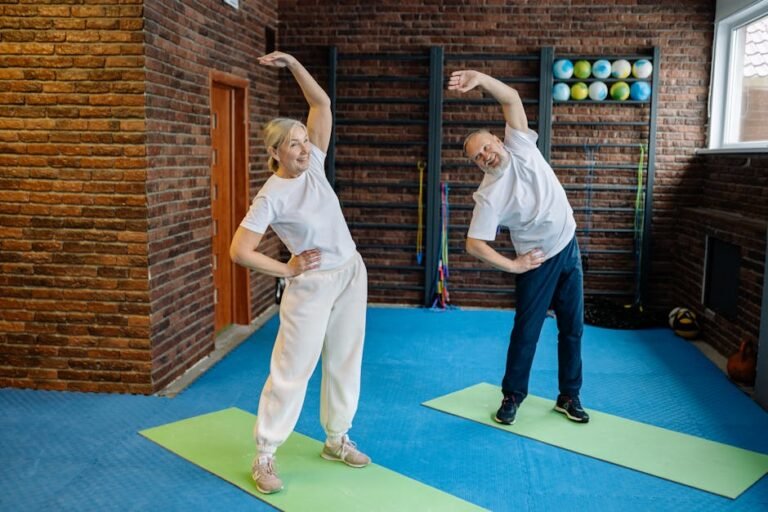
Chair exercises are a wonderful option for those with balance concerns or recovering from an injury. Seated movements like leg extensions, ankle circles, seated marching, and overhead arm raises with light weights can safely elevate your heart rate and improve circulation while keeping you stable and supported. Begin with 5–10 minutes a few times per week, sitting toward the edge of a sturdy chair with feet flat on the floor. Over time, you can increase to 15–20 minutes and even add some gentle standing portions using the chair for support.
Gentle yoga and chair yoga offer a wonderful combination of breathing work, flexibility, and light strength — all of which benefit your heart. Yoga promotes relaxation, improves breathing efficiency, and can help lower blood pressure when practiced regularly. Look for classes or videos specifically designed for seniors or beginners, and start with just 20–30 minutes per week. Chair yoga in particular makes this practice accessible to nearly everyone, regardless of flexibility or mobility level.
Tai chi is a slow, flowing practice of controlled movements and mindful breathing that has been practised for centuries — and modern research backs up what practitioners have long known. The deliberate, gentle movements improve circulation, balance, and coordination, while the meditative focus on breathing reduces stress levels that can negatively affect blood pressure and heart health. Beginner tai chi classes for seniors are widely available both in community centres and online, and even short sessions of 15–20 minutes a few days a week can deliver meaningful benefits.
How to Start Safely: A Gentle 4-Week Plan for Cardiovascular Health
Starting gradually is the key to building a sustainable routine without injury or burnout. Here’s a simple, flexible plan to get you moving over the course of four weeks. Think of this as a starting point, not a rigid prescription — adapt it to suit your energy, your schedule, and how your body responds.
Week 1: Walk 5–10 minutes three days this week at a comfortable pace. On two other days, try 5–10 minutes of chair exercises or gentle yoga. Focus on getting your body accustomed to regular movement rather than pushing for intensity.
Week 2: Extend your walks to 10–15 minutes, three to four days a week. If you have access to a pool, add one day of water-based activity. Continue your chair or yoga sessions on two days. You might notice you’re already feeling a little more energised.
Week 3: Walk 15–20 minutes, three to five days a week — or split into two shorter walks if that suits you better. Try a beginner tai chi or gentle yoga routine once or twice for balance and breathing practice. Continue chair exercises two to three days.
Week 4: Aim for 20–25 minutes of walking on most days, or alternate with swimming if that’s accessible to you. Your chair or yoga sessions can now stretch to 20–30 minutes. Add one or two tai chi sessions for balance, breath work, and that calming mental reset.
Remember: if a particular activity causes discomfort, simply pause and try a lighter option or shorter duration. Progress isn’t always linear, and any movement is better than none.
What You Can Do: Practical Tips for Exercising Safely
Before you lace up your shoes or roll out a yoga mat, here are some practical, common-sense steps to keep your exercise routine safe and enjoyable:
- Check with your healthcare provider first, especially if you have heart disease, high blood pressure, diabetes, recent surgery, osteoporosis, or balance concerns. A quick conversation can help you exercise with confidence.
- Use the talk test. During any activity, you should be able to speak in short sentences without gasping. If talking becomes too difficult, slow your pace down a notch.
- Always warm up and cool down. Spend 5–10 minutes with light movements and gentle stretches before your main activity, and wind down with slow, relaxed movements and deep breathing.
- Wear supportive, non-slip shoes and comfortable, weather-appropriate clothing. Good footwear makes a significant difference in both safety and comfort — especially for walking and tai chi.
- Stay hydrated. Drink water before, during, and after exercise — especially in warmer weather. It’s easy to underestimate how much fluid you lose during even gentle activity.
- Be mindful of your environment. Avoid exercising in extreme heat or cold. On hot days, head out in the early morning or late evening and take breaks as needed. Avoid slippery surfaces, especially if balance is a concern.
- Use assistive devices confidently. A cane, trekking pole, walker, or chair isn’t a limitation — it’s a tool that helps you move safely and with confidence.
- Know the warning signs. If you experience chest pain or tightness, dizziness, extreme shortness of breath, or feel faint, stop exercising immediately and seek medical attention.
- Keep your doctor informed about your activities and any changes in how you feel during or after exercise. Regular check-ins help your healthcare team support your progress.
The Broader Benefits: More Than Just a Stronger Heart
The benefits of regular low-impact exercise extend well beyond cardiovascular health — though that alone is reason enough to get moving. Improved blood flow means your body delivers oxygen and nutrients more efficiently to muscles, organs, and the brain. This translates to sharper thinking, better energy throughout the day, and a greater ability to do the things you enjoy.
Consistent gentle exercise can help lower blood pressure and improve cholesterol levels, especially when paired with a balanced, heart-friendly diet. It also releases endorphins — those feel-good chemicals that lift your mood, reduce feelings of stress and anxiety, and promote deeper, more restful sleep. If you’ve noticed that poor sleep is becoming a frustrating pattern, adding a regular walking or yoga routine might surprise you with how much it helps.
Activities like tai chi and yoga carry an additional bonus: they’re exceptionally good at improving balance and postural control, which directly reduces the risk of falls. Falls are one of the most significant health concerns for older adults, and building strength and stability through mindful movement is one of the most powerful preventive steps you can take. Greater balance also means greater independence — the ability to move through your day confidently, on your own terms.
Perhaps most meaningfully, regular movement makes everyday life easier and more joyful. Carrying groceries, walking further distances, getting up from a chair with ease, keeping pace with an energetic grandchild — these are the real-world rewards of a consistent, gentle exercise habit. Small improvements add up, and they matter deeply to the quality of your daily life.
Finding Support and Staying Motivated
One of the most effective ways to stick with a new exercise routine is to make it social. Many community centres, YMCAs, and senior centres offer fitness classes specifically designed for older adults — from gentle water aerobics to beginner tai chi and chair yoga. These classes not only give you structured guidance but also connect you with others on a similar journey, which can be wonderfully motivating.
If in-person classes aren’t available or convenient, there’s a wealth of excellent resources online. YouTube has a huge library of free beginner yoga, tai chi, and chair exercise videos designed specifically for seniors — many of them led by experienced instructors who understand the unique needs of older bodies. Consider bookmarking two or three you enjoy and rotating through them to keep things fresh.
Having the right tools at home can also make it easier to stay consistent. A comfortable pair of supportive walking shoes, a sturdy chair for seated exercises, a non-slip yoga mat, and a simple set of light hand weights or resistance bands are all relatively affordable investments that can support your routine. Tracking your activity — even just jotting down your walks in a notebook — gives you a satisfying sense of progress over time.
Finally, try not to measure success only in minutes or miles. Notice how you feel after a walk. Notice whether climbing stairs feels a little easier. Notice whether you’re sleeping better or feeling less breathless during daily tasks. These are the signs your heart is responding — and they’re worth celebrating.
The Bottom Line: Low-impact exercises are one of the most effective, accessible, and enjoyable ways for older adults to improve cardiovascular health and circulation. Whether you start with a short daily walk, a gentle chair exercise routine, a beginner yoga class, or a session of tai chi in your backyard, every single step counts. The goal isn’t perfection — it’s consistency, patience, and choosing movement that respects your body while still challenging your heart in all the right ways. Start small, build gradually, and let the benefits unfold over time. Your heart has been working hard for you your whole life. Now it’s your turn to give a little back.
This is not medical advice. Consult your healthcare provider before starting any new health routine or using any product mentioned here.