Lung Health Red Flags Seniors Shouldn’t Ignore: Warning Signs and What to Do
This post contains affiliate links. As an Amazon Associate, I earn from qualifying purchases at no extra cost to you.
Free resources — no credit card required for trial
🎧 Listen to health & wellness audiobooks free for 30 days
Start 30-Day Free Trial →
🛒 Recommended Products
As an Amazon Associate we earn from qualifying purchases at no extra cost to you.
TheraBand First Step to Active Health Kit — Senior Exercise Program for Balance and Fall P
$19.99
EZ Off Jar Opener for Seniors — Under Cabinet Jar Opener for Weak Hands and Arthritis
$9.99
Omron 5 Series Upper Arm Blood Pressure Monitor — 2-User 100-Reading Memory Wide-Range Cuf
$44.99
OMRON 7 Series Wireless Wrist Blood Pressure Monitor — Clinically Validated with Connect A
$69.99
Vitality 4 Life Senior Resistance Band with Instruction Guide — Specifically for Elderly F
$16.99
📚 Read unlimited health books free for 30 days
Try Kindle Unlimited Free →
Your lungs work hard for you every single day — quietly powering every walk around the block, every laugh with a grandchild, every peaceful night of sleep. But as we get older, our lungs and airways naturally become a little less flexible and a little more vulnerable to infection and irritation. That doesn’t mean aging has to steal your breath — far from it. What it does mean is that paying attention to your lung health, and knowing which warning signs to take seriously, can make a real difference in how you feel and how well you stay. If you’ve been wondering whether that lingering cough or occasional breathlessness is worth mentioning to your doctor, this guide is for you.
Why Lung Health Becomes More Important as We Age
Over the decades, the tissues in our lungs gradually lose some of their elasticity, and the muscles we use to breathe can weaken slightly. Our immune systems also don’t respond quite as vigorously as they once did, which means infections can take hold more easily and recover more slowly. For many older adults, there’s also the added complexity of managing multiple health conditions at once — things like heart disease, diabetes, or COPD — which can make breathing symptoms harder to sort out on your own.
The good news is that the lungs are remarkably resilient organs. With the right habits, the right vaccinations, and a good partnership with your healthcare team, most people can protect their respiratory health well into their later years. The key is knowing what to watch for — and acting on it before small problems have a chance to grow into bigger ones.
Think of your breathing as a daily health check-in. Most of the time, everything hums along quietly in the background. But when something changes — a new cough, unusual breathlessness, or a tightness in the chest you haven’t felt before — that change is your body trying to tell you something worth hearing.
Lung Health Red Flags Seniors Should Never Brush Off
It’s easy to dismiss breathing symptoms as “just getting older” or “probably nothing.” But certain signs genuinely deserve a prompt conversation with your doctor. Here are the key red flags to be aware of:
New or worsening shortness of breath is one of the most important signals to take seriously. If you’re getting breathless doing things that didn’t used to wind you, or if breathlessness is happening even at rest, this could point to a lung infection like pneumonia, a flare of COPD or asthma, or even a heart-related issue. Catching it early means treatment works better and recovery tends to be faster.
A cough that lasts more than three weeks — or any cough that brings up blood — should always be evaluated by a healthcare provider. While the cause is often something treatable like bronchitis or acid reflux irritating the airways, a persistent cough can occasionally signal something that needs more thorough investigation. Don’t wait and hope it goes away on its own.
Chest pain or pressure when breathing or coughing is another symptom that deserves careful attention. Chest discomfort with breathing can come from lung problems, but it can also be linked to the heart — so it’s important to get assessed rather than guessing. Wheezing that’s new or isn’t responding to your usual inhaler is also worth flagging. If the medication that normally settles things down isn’t working, something may have changed in your airways that a clinician needs to check.
Fever combined with a cough or breathlessness can be a sign of infection — a cold, flu, or pneumonia. In older adults, infections can escalate more quickly than in younger people, so a fever that’s hanging around or particularly high for you warrants a call to your doctor rather than a wait-and-see approach. And if you’ve had recurrent chest infections, or noticed unexplained weight loss, night sweats alongside a cough, or persistent fatigue, those patterns together are worth bringing up at your next appointment.
The most urgent situation of all is sudden sharp chest pain with shortness of breath. This combination can indicate a pulmonary embolism (a blood clot in the lung) or a pneumothorax (air trapped in the chest cavity) — both of which are medical emergencies. Call 911 immediately.
When to Call 911 and When to Call Your Doctor
Not every breathing symptom requires a trip to the emergency room — but some absolutely do. Knowing the difference helps you respond calmly and appropriately when something feels off.
Call 911 or your local emergency number right away if you or someone you’re with experiences: severe shortness of breath or chest pain, bluish lips or fingertips (which can signal dangerously low oxygen levels), confusion alongside breathing difficulty, inability to speak in full sentences because of breathlessness, dizziness or fainting with breathing problems, or that sudden sharp chest pain paired with shortness of breath. These are not symptoms to drive yourself to urgent care for — they need emergency help immediately.
Call your doctor or an urgent care centre (but don’t delay more than a day or two) for: a cough lasting more than three weeks, any amount of blood in mucus, new breathlessness that’s persistent but not immediately life-threatening, thick green or brown mucus with coughing, or a fever with breathing symptoms that lasts more than a couple of days or feels particularly high for you. When in doubt, it is always wiser to make the call than to wait and wonder.
Practical Tips to Support Your Lung Health Every Day
Alongside knowing when to seek help, there’s a lot you can do day to day to keep your lungs as healthy as possible. Small, consistent habits really do add up over time.
- Stay up to date with vaccinations. Annual flu shots, pneumonia vaccines (as advised by your doctor), and the COVID-19 vaccine all help protect your lungs from serious infections. This is one of the most powerful things you can do for your respiratory health.
- Avoid smoking and secondhand smoke. If you smoke, your healthcare team can offer support to help you quit. Keep your home smoke-free and limit exposure to other lung irritants like heavy dust, strong chemical fumes, and air pollution.
- Improve your indoor air quality. Use good ventilation, change air filters regularly, and dust with a damp cloth to trap particles rather than scatter them. Keeping humidity comfortable — not too dry, not too damp — also helps protect your airways.
- Stay gently active. Regular moderate activity like walking, tai chi, or chair-based exercises helps maintain lung endurance and overall fitness. Talk with your doctor about what level of exercise suits your current health, and set small, achievable goals you can build on.
- Practice breathing techniques. Two simple exercises can help you use your lungs more efficiently. Pursed-lip breathing: inhale through your nose, then exhale slowly through pursed lips (as if blowing out a candle) for twice as long as you inhale — this keeps airways open. Diaphragmatic breathing: place a hand on your belly, breathe in so your belly rises, then exhale slowly through your mouth. Both techniques can feel calming as well as helpful.
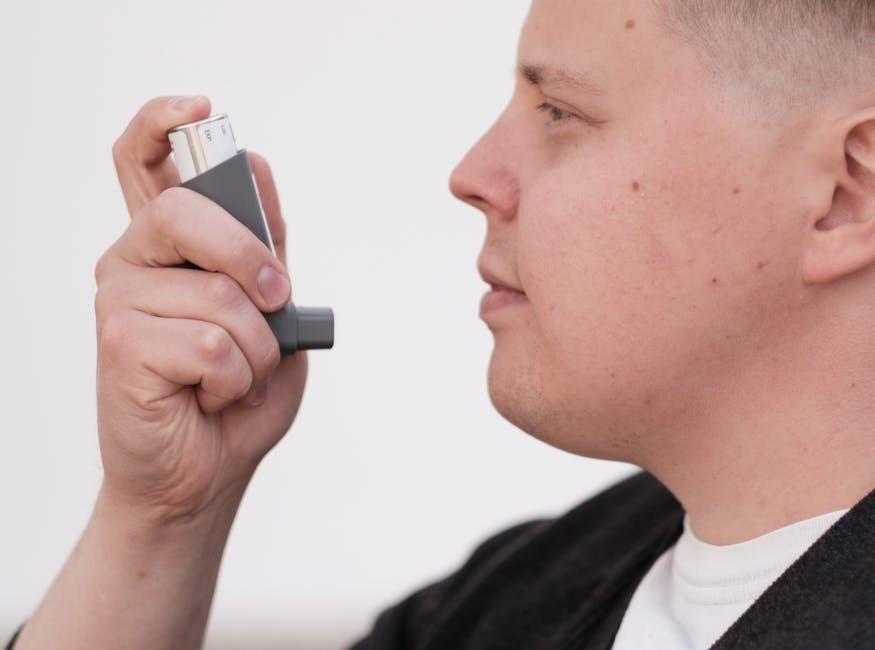
- Use inhalers correctly. If you use a respiratory inhaler, ask your pharmacist or a nurse to check your technique — a surprising number of people use inhalers incorrectly without realising it, which means the medication isn’t working as well as it should.
- Stay well hydrated and eat well. Drinking enough water helps keep the lining of your airways moist and functional. A diet rich in fruits, vegetables, lean proteins, and whole grains supports your immune system and your energy levels.
- Pay attention to sleep and posture. If you snore, wake up frequently, or feel persistently tired despite sleeping, mention it to your doctor — sleep apnoea is more common in older adults and can affect breathing and oxygen levels overnight. Elevating the head of your bed slightly may also ease nighttime breathing for some people.
- Keep regular appointments. Routine check-ins with your healthcare provider are an opportunity to review your breathing, discuss any changes, and make sure medications and vaccinations are up to date.
How to Talk to Your Doctor About Lung Health Concerns
Many people feel hesitant to bring up symptoms they worry might sound trivial, or they’re not quite sure how to describe what they’re experiencing. But your healthcare provider genuinely needs to hear from you — they can only work with the information you give them. A little preparation before your appointment can make a big difference.
Before you go, jot down any symptoms you’ve noticed, when they started, how often they occur, and what makes them better or worse. If you can track things like breathlessness, cough, fever, or changes in mucus colour for a week or two in a simple diary, that information is incredibly useful for your doctor. Don’t forget to bring a current list of all your medications and dosages — this helps your provider review whether anything might be interacting or whether adjustments could help.
Once you’re there, don’t be shy about asking specific questions. You might ask whether a referral to a pulmonologist (a lung specialist) or respiratory therapist would be helpful, whether a lung function test or imaging study is appropriate, or whether your vaccinations are up to date. It’s also worth asking your doctor to walk you through a clear action plan — what to do and when to seek urgent help if symptoms get worse between appointments. Having that plan written down can reduce anxiety and help you feel more in control.
A Gentle Reminder: Your Lungs Are Resilient
It’s easy to read a list of warning signs and feel a little anxious. But the intention here isn’t to worry you — it’s to empower you. Your lungs have carried you through decades of life, and with the right attention and care, they can continue to do so. The seniors who fare best with their respiratory health aren’t the ones who live in fear, but the ones who stay informed, stay proactive, and stay connected to their healthcare team.
Recognising a red flag early and getting it checked out is not an overreaction — it’s the smartest thing you can do. And in between those check-ins, the daily habits you build around exercise, clean air, good nutrition, and staying up to date with vaccines are quietly working in your favour, even when you don’t notice them. You deserve to breathe freely, sleep soundly, and go about your days with energy and confidence.
If you’re ever unsure whether a symptom is worth mentioning, ask yourself this: would you tell a close friend to brush it off? If the answer is no, pick up the phone. Your health is always worth a conversation.
The Bottom Line: Lung health is one of the most important parts of staying well and independent as we age. By learning to recognise the key red flags — from persistent coughs and new breathlessness to chest pain and signs of respiratory distress — and knowing when to seek urgent care versus a routine appointment, you give yourself the best possible chance of catching problems early and recovering fully. Layer on the daily habits of staying active, breathing clean air, keeping vaccinations current, and communicating openly with your healthcare provider, and you’re doing everything within your power to protect your breathing for years to come. One breath at a time, you’ve got this.
This is not medical advice. Consult your healthcare provider before starting any new health routine or using any product mentioned here.