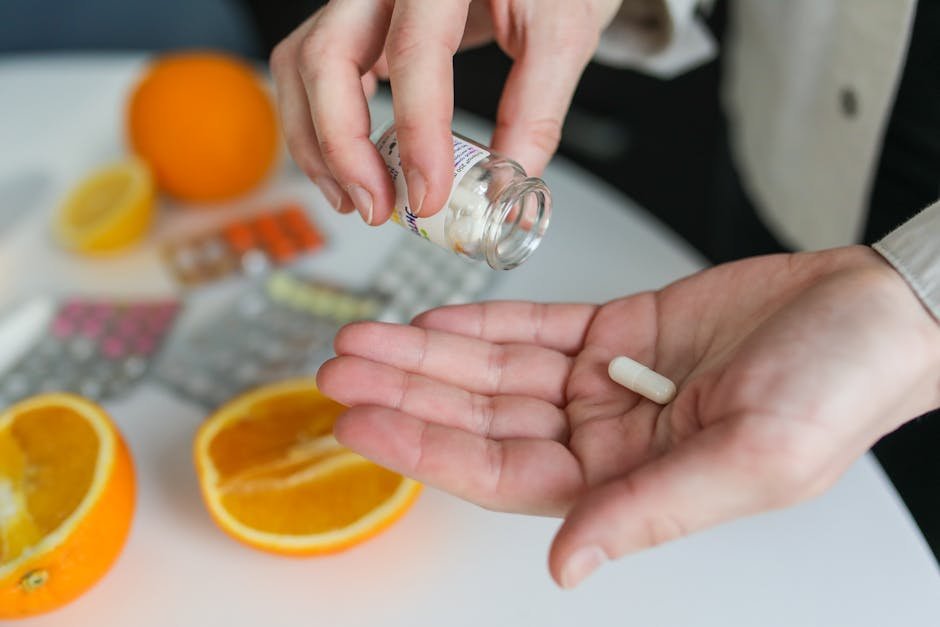
Supplements and Medications: What Older Adults Need to Know to Stay Safe
This post contains affiliate links. As an Amazon Associate, I earn from qualifying purchases at no extra cost to you.
Free resources — no credit card required for trial
🎧 Listen to health & wellness audiobooks free for 30 days
Start 30-Day Free Trial →
🛒 Recommended Products
As an Amazon Associate we earn from qualifying purchases at no extra cost to you.
TheraBand First Step to Active Health Kit — Senior Exercise Program for Balance and Fall P
$19.99
EZ Off Jar Opener for Seniors — Under Cabinet Jar Opener for Weak Hands and Arthritis
$9.99
Omron 5 Series Upper Arm Blood Pressure Monitor — 2-User 100-Reading Memory Wide-Range Cuf
$44.99
OMRON 7 Series Wireless Wrist Blood Pressure Monitor — Clinically Validated with Connect A
$69.99
Vitality 4 Life Senior Resistance Band with Instruction Guide — Specifically for Elderly F
$16.99
📚 Read unlimited health books free for 30 days
Try Kindle Unlimited Free →
Supporting your immune health with vitamins, herbs, and natural remedies sounds like a wonderfully sensible idea — especially as we get older and want to do everything we can to stay well. But here’s something that often gets overlooked: certain supplements can interfere with prescription medications in ways that are surprising, and sometimes serious. If you or someone you love takes regular medication and is also reaching for immune health supplements, this guide is for you. We’re going to walk through the most common supplements to avoid mixing with medication, explain why the interactions happen in plain language, and give you practical steps to stay safe and confident in your health choices.
Why Supplements and Medications Don’t Always Play Well Together
It’s easy to think of supplements as gentle, natural additions to your routine — something separate from the “real” medications your doctor prescribes. But your body doesn’t see it that way. Once a supplement enters your system, it goes through the same pathways your medications use. That means they can bump into each other and cause unexpected results.
Some supplements can speed up how your body breaks down a medication, making it weaker and less effective. Others slow that process down, causing the medication to build up to higher levels than intended. Some supplements affect blood clotting, blood pressure, or blood sugar — all areas where many people already rely on prescription medicines to keep things balanced. When a supplement nudges those same systems, the effect of your medication can shift in unpredictable ways.
The risk is especially important for older adults. As we age, our kidneys and liver process substances more slowly, meaning both medications and supplements stay in our bodies longer. Many older adults also take several medications at once — a situation doctors call polypharmacy — which creates more opportunities for interactions to develop. This doesn’t mean you should avoid all supplements. It simply means it’s worth knowing which ones deserve a closer look before you add them to your daily routine.
Common Immune Health Supplements to Avoid Mixing with Medication
Let’s look at some of the most popular immune-supporting supplements and why they can be risky when combined with certain medications. This isn’t meant to frighten you — it’s meant to give you the knowledge to make informed decisions alongside your healthcare team.
Garlic supplements are hugely popular for immune support, but in pill or capsule form, garlic acts as a blood thinner. If you already take a blood-thinning medication like warfarin or clopidogrel — or even regular aspirin — adding a garlic supplement can increase your risk of bruising and bleeding. Cooking with garlic is generally fine, but concentrated garlic supplements are a different story.
Ginkgo biloba is another common supplement that affects blood clotting. Paired with anticoagulants or antiplatelet drugs like warfarin, heparin, or aspirin, it can raise your bleeding risk. If you have a history of falls or any bleeding tendency, it’s best to steer clear of ginkgo unless your doctor specifically says it’s safe for you.
Ginseng may seem like an energy-boosting immune hero, but it can interfere with diabetes medications, blood pressure pills, and certain antidepressants. If your blood sugar or blood pressure is being managed with medication, adding ginseng without guidance could make those readings harder to control. St. John’s Wort is widely used for mood and low energy, but it speeds up the liver’s processing of many drugs, making them less effective. It can reduce the power of antibiotics, antidepressants, anticoagulants, certain heart medicines, and even HIV or cancer treatments. This is one supplement that really should never be started without a doctor’s approval if you rely on any prescription medication.
Echinacea is a go-to for short-term immune boosting, but it can interact with immunosuppressant drugs — the type of medication taken after organ transplants or for autoimmune conditions. Turmeric and curcumin in high doses act as blood thinners and can amplify the effects of anticoagulants like warfarin, rivaroxaban, apixaban, and aspirin. Cooking with turmeric is generally safe, but high-dose curcumin supplements are a different matter. High-dose Vitamin E can similarly increase bleeding risk when combined with blood thinners, and Vitamin K — in large amounts — can reduce warfarin’s effectiveness, making it harder to keep clotting levels under control. Finally, elderberry, a popular immune supplement, can interact with immune-modifying medications, and kava and other sedating herbs can dangerously amplify the effects of sedatives, sleep aids, or anxiety medications.
Real Stories That Show Why This Matters
Sometimes the best way to understand a risk is through a relatable example. Consider a 78-year-old woman managing atrial fibrillation with warfarin. After a winter cold, she decides to add a garlic supplement to give her immune system a boost. A few weeks later, she notices she bruises easily and that small cuts take much longer to stop bleeding. Her doctor investigates and discovers that the garlic supplement has been amplifying the blood-thinning effect of her warfarin. Once the supplement is stopped and her medication is reviewed, things return to normal. She now knows to always check with her pharmacist before adding anything new.
Or think about an older gentleman who’s been managing his blood pressure well for years on a stable medication. Feeling a bit flat and low in energy, he picks up a bottle of St. John’s Wort from the health food shop. Within weeks, his blood pressure becomes difficult to control. His doctor discovers that the herb has been reducing the effectiveness of his heart medication. After stopping St. John’s Wort and working with his healthcare team to find safer options, his readings stabilise again. A similar situation can unfold with ginseng and diabetes medications — unpredictable blood sugar swings that only resolve once the supplement is identified as the cause.
These aren’t rare, dramatic medical emergencies. They’re the kind of quiet, confusing health shifts that can easily be attributed to something else — ageing, stress, the weather — unless someone thinks to ask about supplements. The good news is that these situations are largely preventable with a simple conversation before you start something new.
What You Can Do: Practical Tips for Staying Safe
Feeling a little cautious is understandable, but don’t let this information put you off taking good care of your immune health. There are plenty of safe, evidence-based strategies for staying well — and with a few practical habits, you can feel confident about any supplement decisions you make.
- Create a complete medication and supplement list. Write down every prescription medication, over-the-counter medicine, vitamin, mineral, and herbal product you take, including doses. Keep this list updated and bring it to every medical or pharmacy visit.
- Talk before you start anything new. Never begin a new supplement without speaking to your doctor or pharmacist first — especially if you take regular prescription medication. This is the single most important step you can take.
- Use your pharmacist as a resource. Pharmacists are experts in drug interactions and are often more accessible than doctors for a quick question. Ask them to check any new supplement against your current medication list.
- Avoid megadoses. More is not always better. Supplements like vitamin E and turmeric become riskier at high doses. Stick to amounts that are supported by evidence unless your doctor advises otherwise.
- Be consistent with vitamin K if you take warfarin. Don’t suddenly change the amount of vitamin K you consume through food or supplements, as this can affect how well warfarin works. Talk to your doctor before making any changes.
- Read labels carefully. Look for any drug interaction warnings on supplement packaging, and always tell your pharmacist or doctor about everything you’re taking — including products labelled as “natural.”
- Involve a trusted person. If you have a caregiver or family member who helps with your health, loop them in. A second set of eyes can help catch changes in how you’re feeling that might signal an interaction.
- Know the warning signs. Seek medical attention promptly if you notice unusual bruising or bleeding, unexplained stomach pain, new confusion, fainting, or severe allergic reactions after starting a supplement.
- Focus on proven foundations first. Good nutrition, regular sleep, staying hydrated, keeping up with vaccinations, and regular gentle exercise are all safe, effective ways to support your immune health. If you’d like to add a supplement like vitamin D, zinc, or a modest amount of vitamin C, discuss it with your clinician first.
- Stick with reputable products. Choose supplements from established, trustworthy brands and avoid products making extravagant “miracle” claims. Quality and transparency matter.
Safer Ways to Support Your Immune Health
The great news is that you don’t have to choose between supporting your immune health and staying safe on your medications. There are genuinely helpful options that, when discussed with your doctor, carry far less risk of interaction for most people. Vitamin D is a good example — many older adults are deficient, and maintaining healthy vitamin D levels is strongly linked to immune function. A modest dose, agreed with your healthcare provider, is often perfectly appropriate.
Zinc and vitamin C are two other nutrients frequently associated with immune support, and for most people, taking them in moderate, food-appropriate amounts is unlikely to cause problems. However, very high doses of any nutrient can become an issue, so it’s always worth confirming with your doctor what’s right for your individual health situation. Remember, food sources of these nutrients — colourful vegetables, citrus fruits, nuts, seeds, lean proteins — are always your safest starting point.
Beyond supplements, the lifestyle pillars of good immune health are free, safe, and genuinely effective. Prioritising quality sleep, managing stress, staying socially connected, moving your body regularly, and keeping up to date with vaccines all make a real difference to how well your immune system functions. These aren’t consolation prizes — they’re the foundation that makes everything else work better, too.
Having the Conversation with Your Healthcare Team
We know that bringing up supplements with your doctor can feel a little awkward — perhaps you worry about being told “no,” or you don’t want to seem like you’re second-guessing your medical care. But healthcare providers genuinely want to know what you’re taking. It helps them give you better, safer advice, and it protects you from interactions that can develop quietly over weeks or months.
If you’re not sure where to start, your pharmacist is an excellent first point of contact. You don’t need an appointment, and most pharmacists are very happy to go through your medication and supplement list and flag anything that might be worth discussing with your doctor. Some GP practices also have medication review appointments specifically designed to help older adults manage multiple medications safely — it’s worth asking whether your surgery offers this.
Bringing a written list of everything you take — prescription medications, over-the-counter remedies, vitamins, minerals, and herbal supplements — makes these conversations quicker and more productive. If you’d like help organising this, consider keeping a simple notebook or using a free medication tracking app to stay on top of everything. Being prepared means you walk away from every appointment with clear, personalised guidance you can trust.
The Bottom Line: Supporting your immune health is a wonderful goal at any age, but it’s worth knowing that some of the most popular natural supplements — including garlic, ginkgo, St. John’s Wort, turmeric, elderberry, and high-dose vitamins — can interact with common prescription medications in ways that affect your safety. The solution isn’t to avoid all supplements, but to have an open conversation with your doctor or pharmacist before you start anything new, keep a complete and up-to-date list of everything you take, and focus on evidence-based foundations like good nutrition, sleep, hydration, and vaccines. Small, informed steps really can make a big difference to your health and your peace of mind.
This is not medical advice. Consult your healthcare provider before starting any new health routine or using any product mentioned here.