What Seniors Should Eat Before Walking: Fuel Your Stroll the Right Way
This post contains affiliate links. As an Amazon Associate, I earn from qualifying purchases at no extra cost to you.
Free resources — no credit card required for trial
🎧 Listen to health & wellness audiobooks free for 30 days
Start 30-Day Free Trial →
🛒 Recommended Products
As an Amazon Associate we earn from qualifying purchases at no extra cost to you.
TheraBand First Step to Active Health Kit — Senior Exercise Program for Balance and Fall P
$19.99
EZ Off Jar Opener for Seniors — Under Cabinet Jar Opener for Weak Hands and Arthritis
$9.99
Omron 5 Series Upper Arm Blood Pressure Monitor — 2-User 100-Reading Memory Wide-Range Cuf
$44.99
OMRON 7 Series Wireless Wrist Blood Pressure Monitor — Clinically Validated with Connect A
$69.99
Vitality 4 Life Senior Resistance Band with Instruction Guide — Specifically for Elderly F
$16.99
📚 Read unlimited health books free for 30 days
Try Kindle Unlimited Free →
If you’ve ever headed out for a morning walk and felt a little shaky, tired, or just “off” halfway through, there’s a good chance your body was asking for a little fuel. What seniors should eat before walking matters more than most of us realise — and the good news is that getting it right doesn’t have to be complicated. A small, well-chosen snack before you lace up your shoes can steady your blood sugar, energise your muscles, and help you enjoy every step of your walk. As we age, our bodies handle food a little differently, so choosing the right pre-walk bite can truly make a meaningful difference in how you feel during and after your outing.
Why Pre-Walk Nutrition Matters for Seniors
A light to moderate walk is one of the very best things you can do for your health — it lifts your mood, supports your joints, helps your heart, and encourages daily independence. But stepping out on an empty stomach isn’t always the best idea, particularly as we get older. Our digestion, energy levels, and blood sugar regulation all change with age, and a small snack before walking can act as a gentle buffer against lightheadedness, muscle fatigue, or that sudden urge to sit down halfway around the block.
Think of a pre-walk snack the same way you’d think about putting a little petrol in the tank before a short drive. You don’t need to fill it to the brim — you just need enough to get where you’re going comfortably. The goal is steady, sustainable energy without anything heavy that might slow you down or upset your stomach. For many seniors, this simple habit can be the difference between a walk that feels effortful and one that feels genuinely enjoyable.
It’s also worth noting that if you have a condition like diabetes, heart disease, or digestive issues, pre-walk nutrition becomes even more important. A thoughtful snack can help keep your glucose stable, your energy consistent, and your digestive system comfortable. We’ll touch on those special considerations a little further on.
What Seniors Should Eat Before Walking: The Best Snack Choices
The sweet spot for a pre-walk snack is something light, easy to digest, and balanced — ideally combining carbohydrates for quick energy with a little protein or healthy fat for staying power. You’re aiming for roughly 100–200 calories, not a full meal. Keep portions modest and stick to foods that you know sit well with your stomach.
Here are some of the most popular and practical options, grouped by type:
Fruit with a protein pairing: A banana with a small spoon of peanut butter is a classic choice — the banana provides easy-to-access carbohydrates, while the peanut butter adds protein and healthy fat. Apple slices with a thin spread of cheese, or a small cup of low-fat yogurt with a handful of berries, work beautifully too.
Whole-grain carbohydrates with a protein touch: A slice of whole-grain toast with a thin layer of peanut butter or a slice of cheese gives you lasting energy without feeling heavy. A half cup of oatmeal with a little fruit, or a small whole-grain cracker with cheese, are equally good choices.
Quick, light options: A small handful of almonds or walnuts with a piece of fruit, a rice cake topped with a little almond butter or avocado, or a half cup of cottage cheese with pineapple or berries are all wonderfully simple and satisfying.
Smooth, easy-to-enjoy options: If chewing is a concern — whether due to dentures, sensitive teeth, or texture preferences — a small glass of fortified milk or plant-based milk, or a modest smoothie made with yogurt, a small banana, and some berries, can be a perfect solution.
Getting the Timing Right Before Your Walk
Timing your snack well is just as important as choosing the right food. Eat too close to your walk and you might feel uncomfortably full; leave it too long and the energy boost will have faded before you step out the door. The good news is that the timing guidelines are pretty flexible and forgiving.
For a short walk of around 10–20 minutes, eating something 10–30 minutes beforehand is usually just right. If you’re planning a moderate walk of 20–45 minutes, aim for a light snack 15–60 minutes before you head out. Most people find this window comfortable enough that their food has settled but the energy is still available when they need it.
If you prefer to walk after a meal rather than after a dedicated snack, that’s absolutely fine — but try to wait around 60–90 minutes after eating a light meal before heading out. This gives your digestive system a little time to do its job without being disrupted by movement. If you’re walking after a larger meal, you might want to wait a touch longer and keep your pace gentle at first.
Everyone’s body is a little different, so it’s worth paying attention to how you personally feel at different timings and adjusting from there. If you find that eating too close to walking makes you feel uncomfortable, simply shift your snack a bit earlier. Small adjustments can make a big difference.
Hydration: Don’t Forget to Drink Before You Walk
Alongside what you eat, staying well-hydrated is crucial — and it’s an area where many seniors need a gentle reminder. As we age, our sense of thirst can become less reliable, which means it’s easy to become mildly dehydrated without realising it. Dehydration can cause fatigue, dizziness, and poor concentration, none of which you want on a walk.
A simple hydration plan that works for most people: drink a glass of water (around 8 ounces) about 15–30 minutes before your walk. Take a small bottle or sippy cup with you and sip gradually during your outing, especially on warmer days or if you’re walking a longer route. When you return home, have another glass of water to replenish what you’ve lost, even if you didn’t feel particularly sweaty.
If you have kidney concerns, heart conditions, or are on a fluid restriction, always follow your healthcare provider’s specific guidance on how much to drink. For everyone else, keeping a glass of water on the kitchen counter as a visual cue before your walk is a wonderfully simple habit to build.
What to Avoid Eating Before Your Walk
Just as some foods set you up for a great walk, others can make the experience uncomfortable or even risky. Being mindful of what to avoid is just as useful as knowing what to choose.
It’s generally wise to steer clear of large, heavy meals, fried foods, or anything very fatty right before walking. These are slow to digest and can leave you feeling sluggish, bloated, or nauseous when you start moving. Similarly, very high-fibre foods — like a large bowl of beans or generous portions of cruciferous vegetables such as broccoli or cabbage — can cause uncomfortable gas or bloating if eaten right before a walk, especially if your body isn’t used to them in large quantities.
Spicy foods that might trigger heartburn or indigestion are best saved for later in the day, as is anything very sugary — sweets, sugary drinks, or heavily sweetened cereals can cause a quick spike in blood sugar followed by an energy dip, leaving you feeling worse than before. Excessive caffeine or alcohol close to your walk is also worth avoiding, as both can contribute to dehydration and may upset your stomach.
Practical Tips: Making Pre-Walk Eating Easy and Sustainable
The best habit is one you’ll actually stick to. Here are some practical, senior-friendly tips to make your pre-walk nutrition routine as simple and enjoyable as possible:
- Plan ahead: Keep a go-to snack ready by the door, in your bag, or on the kitchen counter so there’s no last-minute scrambling. A banana in a fruit bowl or a yogurt cup in the fridge requires no preparation at all.
- Keep it simple and familiar: Stick to foods your stomach knows and tolerates well. This isn’t the time to try something new — reliable choices like a banana, a small yogurt, or a slice of toast are perfect.
- Use routine as your anchor: Pair your snack with a daily habit you already have — making a cup of tea, doing a short stretch, or listening to the morning news. When the snack becomes part of an existing ritual, you’ll barely have to think about it.
- Choose easy-to-open, easy-to-eat formats: Single-serve yogurt cups, individually wrapped cheese portions, pre-cut fruit, or peel-and-eat bananas are wonderfully accessible options, especially if grip or dexterity is a consideration.
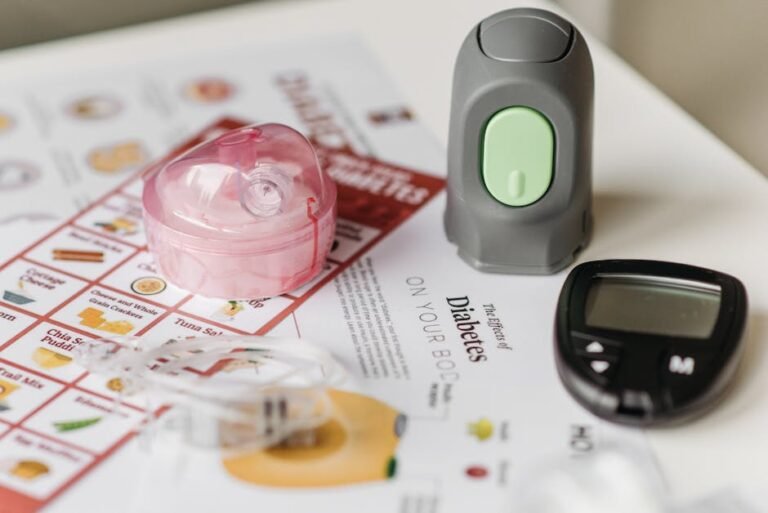
- If you have diabetes: Aim for a snack that includes both carbohydrates and protein or healthy fat to help maintain steady blood glucose. Check your readings as advised by your care team to decide whether a pre-walk snack is needed on any given day.
- If chewing is a concern: Soft options like yogurt, smoothies, bananas, applesauce, or smooth nut butter on soft bread are ideal and just as nutritious.
- Keep a water bottle near the door: Make grabbing it as automatic as picking up your keys. A simple visual cue goes a long way.
- Try a simple weekly plan: Monday might be a banana with peanut butter, Wednesday a small yogurt with berries, Friday a slice of whole-grain toast with cheese, and the weekend a handful of almonds and a sliced apple. Rotating a few favourites keeps things interesting without any stress.
Remember, if you ever notice dizziness, persistent fatigue, or stomach discomfort on your walks, it’s worth speaking with your healthcare provider. They can help you fine-tune your routine to suit your specific health needs and medications.
The Bottom Line: What seniors should eat before walking doesn’t need to be a complicated or stressful decision. A small, balanced snack — roughly 100–200 calories, combining easy-to-digest carbohydrates with a little protein or healthy fat — eaten 15–60 minutes before your walk is all it takes to fuel your body, steady your blood sugar, and help you move with comfort and confidence. Add a glass of water before you step out, sip a little during your walk, and rehydrate when you return. Start with familiar, simple foods you enjoy, pay attention to how your body responds, and adjust gently from there. With just a little bit of pre-walk planning, you can support your energy, your independence, and the daily joy of putting one foot in front of the other.
This is not medical advice. Consult your healthcare provider before starting any new health routine or using any product mentioned here.