Conservative Treatments for Spinal Pain: Practical Ways to Find Relief Without Surgery
This post contains affiliate links. As an Amazon Associate, I earn from qualifying purchases at no extra cost to you.
Free resources — no credit card required for trial
🎧 Listen to health & wellness audiobooks free for 30 days
Start 30-Day Free Trial →
🛒 Recommended Products
As an Amazon Associate we earn from qualifying purchases at no extra cost to you.
TruContour Lumbar Pillow for Sleeping — Adjustable Height Lower Back Support
$39.99
Back Gel Ice Pack Wrap — Microwaveable Pain Relief Heat Pad for Upper and Lower Back Thera
$22.99
BODYPROX Pain Relief Ice Pack with Strap for Hot and Cold Therapy — Microwave Heat Pad for
$14.99
ComfiLife Lumbar Support Pillow for Sleeping — Memory Foam Triangle Wedge Pillow
$34.99
iReliev Hot and Cold Therapy Gel Pack — Reusable Freezable Microwaveable Compression Pack
$16.99
📚 Read unlimited health books free for 30 days
Try Kindle Unlimited Free →
Picture this: you wake up one morning, swing your legs over the side of the bed, and — ouch. That nagging ache in your lower back is back again. Or maybe it’s a sharp twinge every time you reach for something on the top shelf, or a stiffness that builds up after hours at your desk. If any of this sounds familiar, you’re in very good company. Around 80% of adults will experience spinal pain at some point in their lives, and lower back pain alone is the leading cause of disability worldwide. But here’s the encouraging part: for the vast majority of people, effective relief from spinal pain doesn’t require surgery or powerful prescription drugs. Conservative treatments for spinal pain — the kind that work with your body’s natural healing ability — are often all you need to get back to doing the things you love.
Why Your Spine Deserves More Credit Than You Give It
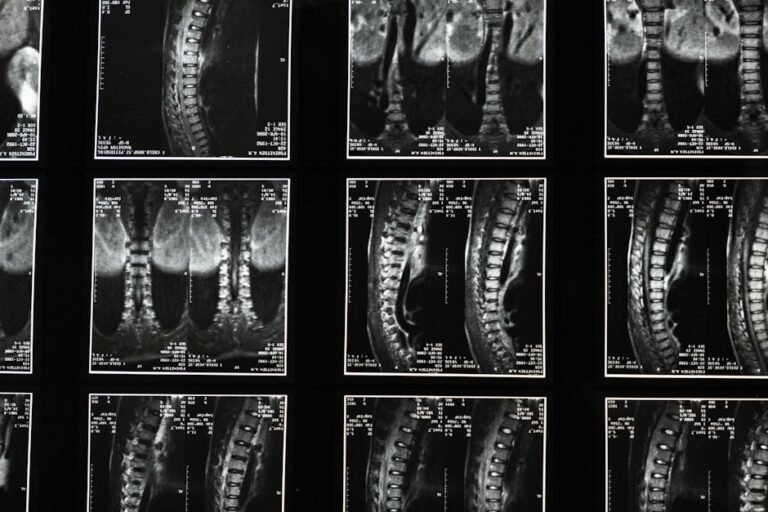
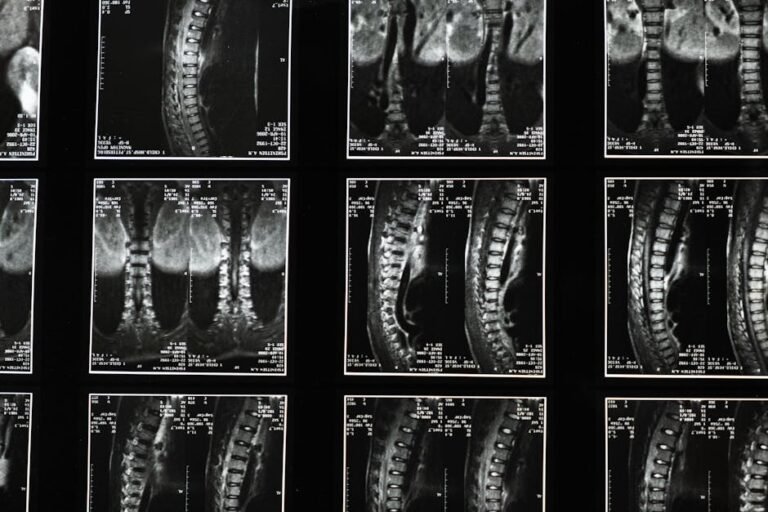
Your spine is, without exaggeration, one of the most impressive structural feats in the human body. It does three enormously important jobs simultaneously: it protects your central nervous system (acting as a shield for the spinal cord carrying signals between your brain and every part of your body), it bears the weight of your entire upper body, and it gives you the freedom to bend, twist, stretch, and reach in virtually every direction. All of that is thanks to 33 carefully stacked vertebrae, cushioned by discs, anchored by ligaments, and supported by layers of muscle.
That said, all this complexity comes with vulnerability. Years of daily use, poor posture habits, sudden injuries, or simply the natural ageing process can put the spine under stress. When things go wrong — whether it’s a slipped disc, tight muscles, worn joints, or a movement imbalance — pain and stiffness can follow. And because the spine is involved in virtually every movement you make, even mild spinal pain can feel like it’s taken over your whole life. The good news is that understanding what’s happening in your spine is the first step toward doing something about it.
What “Conservative Treatment” Actually Means (And Why It’s a Smart First Step)
When a doctor or physio talks about conservative treatments for spinal pain, they simply mean approaches that don’t involve surgery or heavy-duty medications. Think of it as giving your body the tools and conditions it needs to heal itself — because in many cases, it absolutely can. Conservative care includes things like physical therapy, targeted exercise, heat and cold therapy, posture correction, lifestyle changes, and appropriate use of over-the-counter pain relief.
The reason healthcare professionals typically recommend starting here is simple: these methods carry far fewer risks than surgical or pharmacological interventions, and for most people with acute or chronic spinal pain, they work. The goal isn’t just to quieten the pain temporarily — it’s to restore proper movement, strengthen the structures that support your spine, and equip you with knowledge and habits that prevent the problem from coming back. Think of it as addressing the root cause rather than just patching over the symptoms. It’s empowering rather than passive, and that makes a genuine difference to long-term outcomes.
There’s also something psychologically important here: understanding that movement is often medicine, not a threat, can be genuinely life-changing for people who’ve started avoiding activity out of fear of making their pain worse. In many cases, carefully guided movement is exactly what the spine needs to recover.
The Core Pillars of Conservative Spinal Pain Management
Conservative care isn’t a single treatment — it’s a toolkit of complementary approaches that work best when combined thoughtfully. Here’s a breakdown of the most important ones.
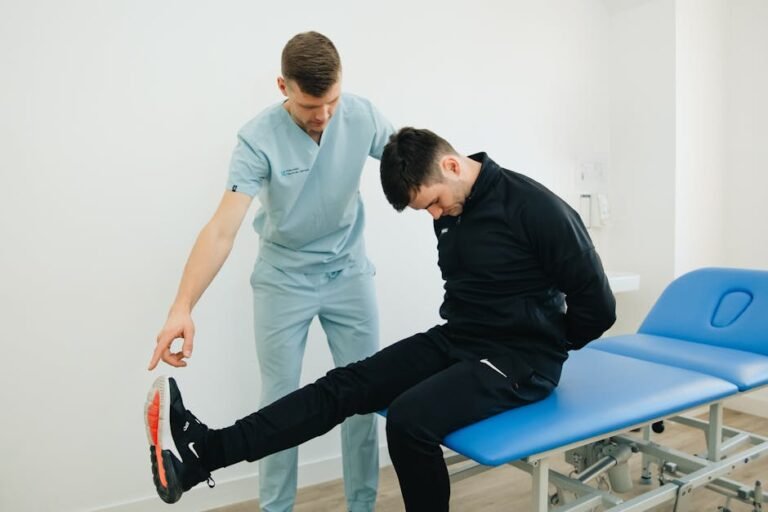
Physical therapy and therapeutic exercise are widely considered the cornerstone of conservative spinal pain treatment. A physiotherapist can assess exactly what’s going on with your spine and design a programme tailored to you. This typically involves strengthening exercises for the core muscles (your abdominals, back muscles, and glutes) that support the spine, stretching and flexibility work to ease stiffness and improve range of motion, and low-impact aerobic activities like walking or swimming to boost circulation and overall fitness — both of which support healing. Manual therapy, where a trained therapist uses hands-on techniques to mobilise joints and release muscle tension, can also provide meaningful relief.
Heat and cold therapy might sound almost too simple, but don’t underestimate them. A warm compress, heat pad, or warm bath can relax tight muscles and increase blood flow to the area, reducing stiffness. Cold packs, on the other hand, are particularly useful immediately after an injury or during a pain flare-up — they reduce inflammation and provide a numbing effect. Knowing which to use and when is a small but useful piece of self-care knowledge.
Over-the-counter (OTC) medications such as ibuprofen, naproxen (NSAIDs), or paracetamol/acetaminophen can help manage mild to moderate spinal pain. NSAIDs address both pain and inflammation, which makes them particularly useful for conditions involving swelling or irritation. Always follow the recommended dosage on the packet, and if you have any existing health conditions or take other medications, check with a pharmacist or doctor before using them regularly.
Education and self-management round out the picture. Simply understanding your spine — how it works, what makes pain better or worse, how to move safely — can dramatically change how you relate to your pain. People who understand their condition and feel in control of it tend to recover better and faster. A good healthcare provider will help you learn proper posture, safe lifting mechanics, and how to adapt your daily activities so you’re not inadvertently making things worse.
Lifestyle Habits That Make a Real Difference to Spinal Health
Beyond formal treatment, your day-to-day lifestyle has a profound impact on your spine. Some of the most powerful changes you can make don’t require a gym membership or any specialist equipment — just a bit of awareness and consistency.
Weight management matters more than many people realise. Carrying excess weight — particularly around the abdomen — shifts your centre of gravity forward and puts extra load on the lower spine. Even a modest reduction in body weight can noticeably ease spinal strain.
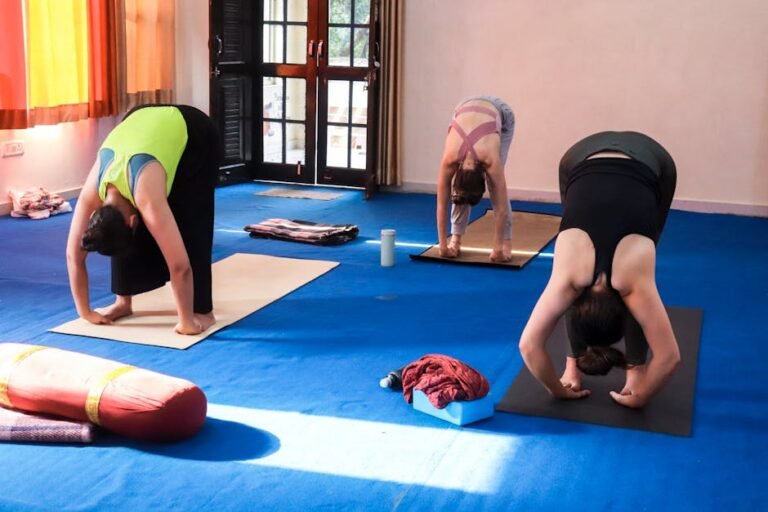
Stress reduction is another underappreciated factor. When we’re stressed, we tend to hold tension in our muscles, particularly around the neck and back. Over time, this chronic muscle tension can contribute significantly to spinal pain. Practices like mindfulness meditation, yoga, or even regular gentle walks can help dial down the nervous system’s stress response, with real benefits for spinal comfort.
Quitting smoking is something not everyone connects to spine health, but the link is real. Smoking impairs blood flow to the spinal discs — the spongy cushions between your vertebrae — which accelerates their degeneration and slows healing. If you’re a smoker dealing with spinal pain, this is one more compelling reason to consider stopping.
Sleep quality and position also play a surprisingly large role. Your spine needs to rest in a well-aligned position overnight to recover properly. A supportive mattress and the right pillow setup can make a significant difference. Sleeping on your side with a pillow between your knees, or on your back with a pillow under your knees, helps maintain the natural curves of the spine and reduces overnight stress on sore areas.
What You Can Do: Practical Tips to Support Your Spine Every Day
Whether you’re currently managing spinal pain or simply want to protect your back for the long term, these practical steps can be woven into everyday life without much disruption. Small, consistent changes really do add up.
- Keep moving, gently and regularly. Low-impact activities like walking, swimming, or cycling keep the spine mobile and strengthen the muscles that support it. Avoid prolonged sitting or standing in one position, and take regular movement breaks throughout the day.
- Check your posture. Whether you’re sitting at a desk, standing in a queue, or scrolling your phone, your posture matters. Aim to maintain the natural S-curve of your spine — not slumped forward or exaggeratedly arched. Ergonomic chairs and desk setups can make this much easier.
- Strengthen your core. A strong core acts like a natural support belt for your spine. Exercises like planks, bird-dog, and pelvic tilts are excellent starting points that don’t require any equipment. Even 10 minutes a day adds up over time.
- Lift with your legs, not your back. When picking something up from the floor, bend at the knees and hips and keep the object close to your body. Avoid twisting while lifting — turn your whole body instead.
- Invest in good sleep support. Look for a mattress that keeps your spine in a neutral position and pillows that support your head and neck without forcing them out of alignment. Your body does a lot of its repair work overnight.
- Stay well hydrated. Spinal discs are largely made of water, and staying adequately hydrated helps them maintain their cushioning capacity. It’s a simple habit with real structural benefits.
- Don’t wait too long to seek help. If your spinal pain is persistent, worsening, or significantly affecting your daily life, see a doctor or physiotherapist sooner rather than later. Early intervention with conservative care often prevents minor problems from escalating into major ones.
- Eat a balanced, anti-inflammatory diet. Foods rich in omega-3 fatty acids, vitamins D and K, and calcium support bone and muscle health. A nutrient-dense diet also supports your body’s natural healing processes.
When to Take Your Spinal Pain More Seriously
Conservative treatments for spinal pain are highly effective for the vast majority of cases, but it’s important to know when to seek more urgent medical attention. If your back or neck pain is accompanied by any of the following, see a doctor promptly: numbness or tingling that runs down your arms or legs, weakness in your limbs, loss of bladder or bowel control, pain following a significant fall or accident, or pain that is severe, constant, and unrelenting, especially at night. These symptoms could point to something that needs more immediate investigation and shouldn’t be managed with self-care alone.
For most everyday spinal pain, however, patience and consistency with conservative approaches will serve you well. Recovery isn’t always linear — there will be better days and harder days — but the trajectory for people who engage actively with their treatment is generally positive. It’s also worth remembering that having some pain on a given day doesn’t necessarily mean you’re doing harm. Learning to distinguish between discomfort that’s part of the healing process and pain that’s a warning sign is something a good physiotherapist can help you with.
The most important mindset shift you can make is viewing yourself as an active participant in your recovery, not a passive recipient of treatment. Your choices — how you move, how you sleep, how you manage stress, how consistently you do your exercises — have a direct impact on how quickly and fully you recover. That’s genuinely empowering, even if it requires some effort.
The Bottom Line: Spinal pain is extraordinarily common, but it doesn’t have to be a life sentence. Conservative treatments for spinal pain — including physical therapy, targeted exercise, heat and cold therapy, lifestyle adjustments, and self-management strategies — are proven, accessible, and effective first-line approaches for the majority of people. By understanding how your spine works, making smart daily habits, and seeking professional guidance early when needed, you can take real control of your spinal health and get back to living the active, comfortable life you deserve. Start with small, consistent steps, stay patient with the process, and trust that your body has a remarkable ability to heal when you give it the right support.
This is not medical advice. Consult your healthcare provider before starting any new health routine or using any product mentioned here.