Functional Restoration: The Real Goal of Spine Pain Management You Need to Know About
This post contains affiliate links. As an Amazon Associate, I earn from qualifying purchases at no extra cost to you.
Free resources — no credit card required for trial
🎧 Listen to health & wellness audiobooks free for 30 days
Start 30-Day Free Trial →
🛒 Recommended Products
As an Amazon Associate we earn from qualifying purchases at no extra cost to you.
TruContour Lumbar Pillow for Sleeping — Adjustable Height Lower Back Support
$39.99
Back Gel Ice Pack Wrap — Microwaveable Pain Relief Heat Pad for Upper and Lower Back Thera
$22.99
BODYPROX Pain Relief Ice Pack with Strap for Hot and Cold Therapy — Microwave Heat Pad for
$14.99
ComfiLife Lumbar Support Pillow for Sleeping — Memory Foam Triangle Wedge Pillow
$34.99
iReliev Hot and Cold Therapy Gel Pack — Reusable Freezable Microwaveable Compression Pack
$16.99
📚 Read unlimited health books free for 30 days
Try Kindle Unlimited Free →
Have you ever stopped to think about how effortlessly your body lets you bend down to tie your shoes, twist around to grab something from the back seat, or simply sit comfortably through a long workday? A huge amount of that everyday freedom comes from your spine — one of the most remarkable structures in the human body. But when spinal pain shows up, all of that ease disappears fast. Suddenly, ordinary moments become exhausting ordeals. If you’ve ever dealt with back or neck pain, you know exactly what we mean. Here’s something worth knowing: around 80% of adults will experience spinal pain at some point in their lives, and lower back pain alone is the leading cause of disability worldwide. The good news? Modern pain management has evolved far beyond just chasing symptom relief. The real goal — and the one that can genuinely change your life — is something called functional restoration. Let’s break down what that means, why it matters, and what you can start doing today.
Why Your Spine Deserves So Much Respect
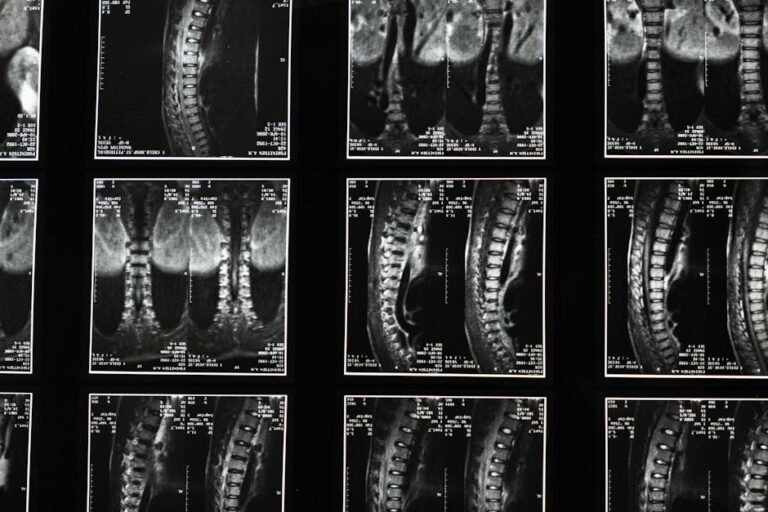
Your spine is doing a remarkable amount of work every single day, and most of us don’t give it a second thought until something goes wrong. Think of it as the central pillar of your entire physical existence. It plays three major roles simultaneously: it shields your central nervous system (the communication highway between your brain and the rest of your body), it acts as the main weight-bearing column keeping you upright against gravity, and it provides an intricate framework of bones, discs, ligaments, and muscles that allows you to move in all kinds of directions. From lifting grocery bags to reaching for something on a high shelf, your spine is always involved.
Because the spine does so much, it’s also vulnerable to a wide range of problems. Sudden injuries, the gradual wear and tear of aging, poor posture habits, and muscular imbalances can all chip away at its integrity over time. When things go wrong, the consequences extend well beyond physical discomfort. Spinal pain can interfere with your work, steal your ability to enjoy hobbies, and make spending quality time with the people you love feel impossibly difficult. It creates a ripple effect — affecting your mood, your sleep, your energy levels, and your sense of self. That’s why addressing it meaningfully, rather than just masking the pain temporarily, is so critically important.
Understanding how central your spine is to literally everything you do helps explain why the stakes are so high — and why a thoughtful, comprehensive approach to managing spinal pain is so much more valuable than a quick fix. Your spine isn’t just a body part. It’s the foundation of your daily life.
What Does “Functional Restoration” Actually Mean?
When you’re in pain, your first wish is almost always the same: make it stop. That’s completely understandable. Pain relief is absolutely a crucial part of any treatment plan. But here’s where many people get stuck — they focus entirely on reducing pain as the end goal, without realising that pain relief and functional restoration are two different things. You can have moments of reduced pain and still be unable to live your life fully. Functional restoration goes much further.
Functional restoration is about getting you back to doing the things that matter. It’s about walking your dog around the block without wincing. It’s about picking up your grandchild or your toddler without fear. It’s about sitting through a movie, tending your garden, doing your job, and enjoying a weekend trip without being held hostage by pain and limitation. In short, functional restoration means rebuilding your ability to participate fully in your own life — not just managing symptoms from the sidelines.
There’s also an important psychological dimension here that often gets overlooked. Chronic pain has a way of making people afraid to move. That fear is completely valid, but it can also become a trap. When you stop moving because you’re scared of pain, your muscles weaken, your joints stiffen, and your condition can actually worsen over time. Functional restoration actively works to break that cycle by rebuilding your physical strength, flexibility, and stability — and by restoring your confidence in your own body. It’s a holistic approach that sees you as a whole person, not just a set of symptoms to be managed.
The Multidisciplinary Approach to Spine Pain Management
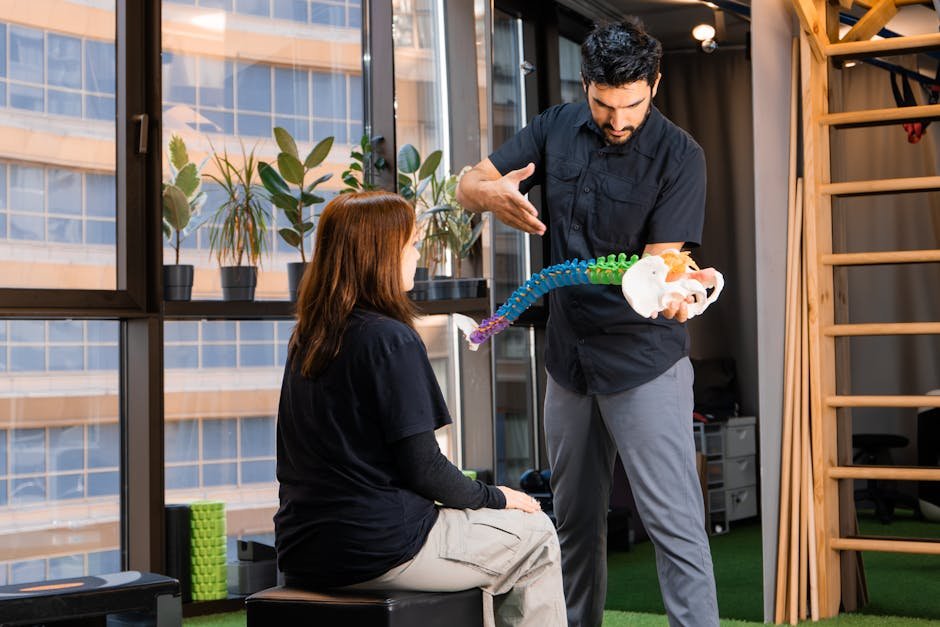
Because every person’s spinal pain is unique — shaped by their anatomy, their history, their lifestyle, and their goals — effective functional restoration rarely looks the same from one person to the next. That’s why the most successful approach to spine pain management is a multidisciplinary one. Rather than relying on a single treatment or a single type of provider, this model brings together a team of professionals who each contribute their expertise to your personalised plan. That team might include physical therapists, pain specialists, occupational therapists, chiropractors, and even mental health professionals — all working together toward the same goal.
At the heart of most functional restoration plans is physical therapy. This isn’t just about doing a few exercises and hoping for the best. Skilled physical therapy targets the specific muscles that support your spine, works on improving your flexibility and posture, and teaches you better body mechanics so you can move more safely and efficiently in daily life. Alongside physical therapy, targeted medications can help manage pain and inflammation enough to allow you to engage meaningfully in rehabilitation. For some people, when conservative approaches aren’t providing enough relief, more advanced interventional techniques might be considered as part of a broader plan — not as a standalone solution, but as a way to create a window of opportunity for rehabilitation to really take hold.
What makes this approach so powerful is that it acknowledges what so many traditional models miss: physical pain almost always has emotional, psychological, and social dimensions too. Stress, anxiety, depression, and social isolation can all amplify pain and slow recovery. A truly comprehensive pain management plan addresses all of these layers together, which is why multidisciplinary care tends to produce far better long-term outcomes than any single-treatment approach ever could.
Practical Tips: What You Can Do to Support Functional Restoration
One of the most empowering things about the functional restoration model is that it puts you in the driver’s seat. Your healthcare team plays a crucial role, but so do your daily habits and choices. The steps you take between appointments — the way you move, rest, manage stress, and care for your body — can make an enormous difference in how quickly and completely you recover. Here are some practical, actionable steps you can begin incorporating right away:
- Embrace gentle, consistent movement. Regular exercise is one of the single best things you can do for your spine. Activities like walking, swimming, yoga, and Pilates help strengthen the muscles that support your spine, improve flexibility, and boost circulation to the discs and tissues that need it most. Start gently and build gradually — the key is consistency, not intensity.
- Be mindful of your posture and body mechanics. Pay attention to how you sit, stand, lift, and sleep. Use ergonomic principles wherever possible — at your desk, in your car, and at home. When lifting anything heavy, bend at your knees and keep the load close to your body rather than rounding your lower back.
- Don’t ignore your body’s warning signals. Persistent aches and nagging discomfort are your body’s way of communicating that something needs attention. Seeking help early — before a minor issue becomes a major one — is one of the smartest things you can do for your long-term spinal health.
- Manage your stress actively. Stress and tension have a very real physical impact, and the neck and back are often the first places to feel it. Build stress-management practices into your daily routine — whether that’s deep breathing, meditation, mindfulness, journaling, or simply making time for activities that genuinely relax you.
- Know your personal risk factors. Carrying excess weight, smoking, having a sedentary job, or doing repetitive physical work all increase your risk of spinal pain. Understanding your individual risks means you can take targeted steps to reduce them — whether that’s weight management, quitting smoking, or building in regular movement breaks throughout your workday.
- Work with the right professionals. If you’re dealing with persistent pain, or simply want to build a strong preventive foundation, don’t try to go it alone. A qualified healthcare provider can help you get an accurate diagnosis, build a personalised plan, and guide you safely toward lasting functional restoration.
These steps aren’t about perfection. They’re about making gradual, sustainable changes that add up to a meaningful difference over time. Every positive choice you make for your spine is an investment in your ability to live freely and fully.
The Mind-Body Connection in Spine Pain Management
It might seem surprising to talk about mental and emotional health in a post about spine pain, but the connection between the two is well established and genuinely important. Chronic pain doesn’t just live in your body — it lives in your nervous system, your thoughts, and your emotional landscape. Over time, persistent pain can lead to anxiety, depression, and a growing fear of movement, all of which can make the pain feel worse and recovery feel more out of reach. This isn’t a character flaw or a sign of weakness. It’s simply how pain works in the human body.
Functional restoration takes this seriously. Addressing the psychological dimensions of chronic spinal pain — through techniques like cognitive behavioural approaches, mindfulness-based stress reduction, and guided relaxation — can meaningfully improve both how much pain you experience and how well you’re able to function despite it. Learning to manage the fear of movement, rebuild your confidence, and develop a healthier relationship with your body are all part of the journey back to full function.
It’s also worth recognising the role that social connection and purpose play in recovery. People who feel supported — by their healthcare team, their family, their friends, or their community — tend to do better. Pain thrives in isolation, but connection and engagement with life are genuinely therapeutic. If your pain has caused you to pull back from the people and activities you love, working to gently re-engage with those things — even in small ways — is an important part of your functional restoration journey.
Looking Forward: A Life Beyond Pain
It can be hard to imagine, when you’re in the thick of spinal pain, that things can genuinely get better. But they can. The shift from thinking about pain management as “surviving” to thinking about it as “restoring function” is a powerful one. When your goal becomes living fully — not just hurting less — the entire approach to your recovery changes. You start asking different questions. Instead of “when will this pain go away?” you start asking “what do I want to be able to do again, and how do I get there?”
That shift in perspective, backed up by a comprehensive, personalised, multidisciplinary approach to care, is what makes functional restoration so transformative. It doesn’t promise a miracle or a pain-free life for everyone — but it does offer something arguably more meaningful: the tools, strategies, and support to rebuild your capacity to live on your own terms. Whether your goal is returning to a sport you love, getting back to work, keeping up with your kids or grandkids, or simply moving through your day with greater ease and confidence, functional restoration is the framework that makes those goals achievable.
Your spine has supported you through every moment of your life. With the right approach, the right team, and a little patience and commitment, you can give it — and yourself — the care it deserves.
The Bottom Line: Functional restoration is the true north star of modern spine pain management. It goes beyond simply reducing pain to help you rebuild strength, flexibility, confidence, and the ability to live your life fully. By understanding the vital role your spine plays, embracing a comprehensive and personalised approach to care, and taking practical steps every day to support your spinal health, you give yourself the very best chance of reclaiming your freedom and vitality. Pain doesn’t have to define your life — and with the right support and mindset, it won’t.
This is not medical advice. Consult your healthcare provider before starting any new health routine or using any product mentioned here.