Spinal Biomechanics Explained: How Your Spine Handles Forces, Movement, and Daily Load
This post contains affiliate links. As an Amazon Associate, I earn from qualifying purchases at no extra cost to you.
Free resources — no credit card required for trial
🎧 Listen to health & wellness audiobooks free for 30 days
Start 30-Day Free Trial →
📚 Read unlimited health books free for 30 days
Try Kindle Unlimited Free →
Your spine is working hard right now — and it probably isn’t getting much credit for it. Whether you’re sitting at your desk, picking up a bag of shopping, or simply standing in line at the coffee shop, your spine is quietly managing a complex series of forces, movements, and weight-bearing demands that would make most engineers raise an eyebrow. Spinal biomechanics — the science of how your spine moves and handles load — might sound like a topic reserved for textbooks, but understanding the basics can genuinely change the way you move, sit, and protect your back every single day. Let’s break it down in plain English, and give this incredible structure the appreciation it deserves.
Your Spine Is Far More Than a Stack of Bones
Most of us picture the spine as a simple column of bones running down the middle of our back. In reality, it’s one of nature’s most cleverly engineered structures — a three-in-one system that simultaneously provides strength, flexibility, and protection. When you understand what it’s actually doing, it becomes a lot easier to understand why taking care of it matters so much.
First, your spine is a structural support column. It bears the weight of your head, your torso, your arms, and anything else you’re carrying — from a backpack to a toddler on your hip. Without this central pillar, the whole body would simply buckle. Second, it’s a flexible articulated system, capable of bending forward, arching back, leaning sideways, and rotating — often doing several of these movements at once. Third, and critically, it’s a protective housing for your spinal cord, which carries essential nerve signals between your brain and the rest of your body.
What makes this so remarkable is the tension between those three roles. How can something be robust enough to bear heavy loads and yet flexible enough to let you twist around to reverse the car? That’s the central question of spinal biomechanics, and the answer lies in the spine’s ingenious design.
The Architecture Behind the Movement: How Spinal Biomechanics Actually Work
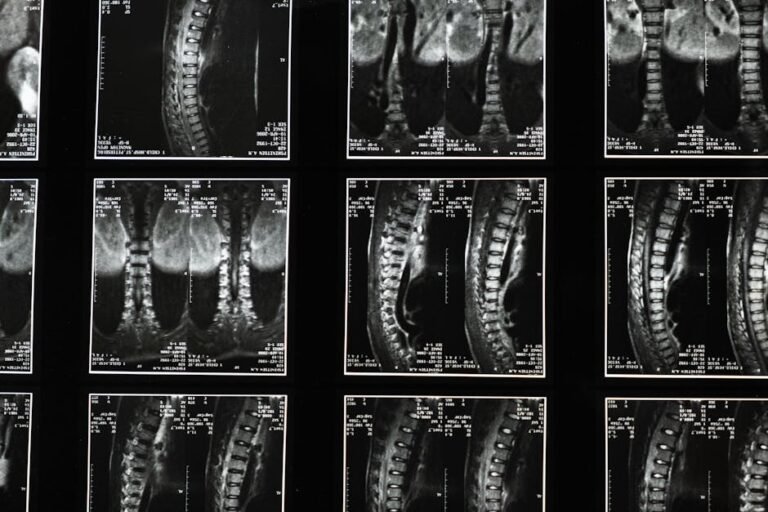
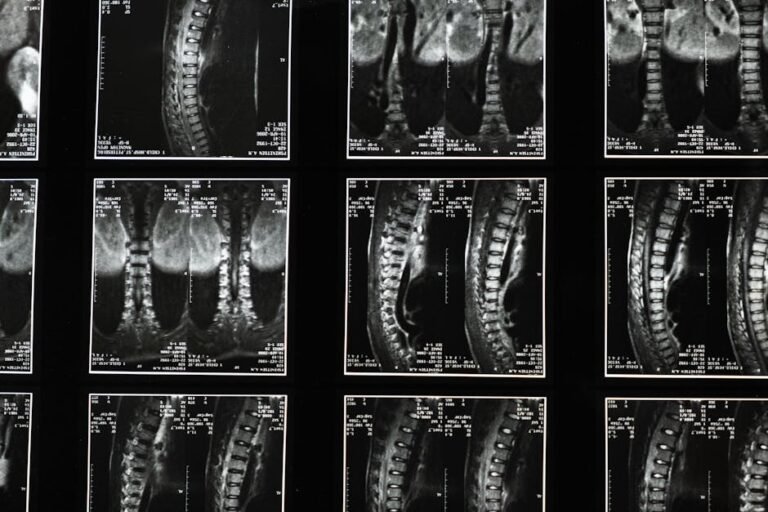
Rather than being one long, rigid bone, your spine is made up of 33 individual bones called vertebrae. Most of these are separated by intervertebral discs — soft, spongy cushions that absorb shock and allow movement. This multi-segmental design is the key to everything. Instead of one giant, clunky movement, your spine produces smooth, fluid motion through the collective contribution of dozens of tiny movements happening simultaneously.
Biomechanists refer to each pairing of two vertebrae, the disc between them, and the surrounding ligaments and muscles as a functional spinal unit. Think of it like a miniature joint system — and there are many of them stacked on top of each other. Each of these units can move in what scientists call “six degrees of freedom,” meaning it can flex, extend, bend sideways, and rotate, even if only by a small amount. Add all those tiny movements together and you get the impressive overall range of motion your spine is capable of.
This design also has a vital role in how forces travel through your body. When you’re standing upright or carrying something heavy, the downward pressure (called axial load) doesn’t crash into one vulnerable point. Instead, it’s efficiently distributed and transmitted across this whole interconnected system of bones, discs, muscles, and ligaments. That shared load-bearing is one of the reasons a healthy spine is so resilient — and it’s also why disrupting any part of that system through injury, poor posture, or muscle weakness can cause problems to show up in unexpected places.
Forces, Moments, and the Physics of Everyday Life
Here’s where spinal biomechanics gets really interesting — and genuinely useful to understand. Your spine isn’t just dealing with forces when you’re lifting something heavy. It’s managing forces constantly, in everything you do. In biomechanics, two key concepts help us understand this: forces (pushes and pulls) and moments (twisting or turning forces created when a load is applied at a distance from a pivot point).
The most constant force acting on your spine is gravity — the relentless downward pull that your spinal muscles have to work against every time you’re upright. Add to that the forces generated by your own muscle contractions, the momentum of your moving body, and any external load you happen to be carrying, and you start to appreciate just how much your spine is managing at any given moment. When you pick up a heavy box, for example, the weight of the box combined with your body weight and the angle of your posture creates a complex set of forces and moments concentrated largely in your lower back.
The concept of a “moment” (sometimes called torque) is especially important for understanding back injury. A moment is created when a force acts at a distance from a joint. So if you’re leaning forward to pick something up, the further your hands are from your spine, the greater the moment — and the more stress is placed on your lumbar discs and muscles. This is the biomechanical reason why good lifting technique (keeping loads close to your body, bending at the knees) genuinely makes a physical difference. It’s not just a slogan — it actually reduces the mechanical demand on your spine.
When these forces are well-managed — by strong muscles, good posture, and thoughtful movement — your spine operates efficiently. When they’re excessive, repetitive, or applied at awkward angles over time, they can cause undue stress on discs, ligaments, and vertebrae, gradually leading to pain or injury. Understanding this helps explain why even seemingly minor habits — like how you sit at a desk or how you carry your bag — can have a real cumulative impact on spinal health.
What Happens When the System Gets Disrupted
A healthy spine depends on all its components working together in harmony. The bones provide structure, the discs absorb shock and allow movement, the ligaments hold everything together, and the muscles provide dynamic stability and generate movement. When any one of these components is compromised, the rest of the system has to compensate — and that’s often when problems start to develop.
Intervertebral discs, for instance, rely on being well-hydrated to maintain their spongy, shock-absorbing properties. As we age, discs naturally lose some of their water content, which can reduce their ability to cushion axial loads effectively. This is one reason why back pain becomes more common with age. Similarly, when the core muscles that support the spine are weak, the passive structures like ligaments and discs end up taking on more of the load — a job they’re not ideally designed for over the long term.
Poor posture is another common disruptor of healthy spinal biomechanics. Sustained slouching or forward head posture shifts the natural curves of the spine, changing the way forces are distributed across the discs and joints. Over time, this can lead to muscle imbalances, increased wear on specific structures, and eventually pain. The good news is that many of these disruptions are reversible or manageable with the right habits and exercise — which brings us to the most practical part of this conversation.
Practical Tips: What You Can Do to Support Healthy Spinal Biomechanics
You don’t need a biomechanics degree to apply these principles in your daily life. Small, consistent changes can make a meaningful difference to how your spine feels and functions over time. Here’s where to start:
- Be mindful of your posture. Whether you’re sitting, standing, or lying down, good posture keeps your spine in its most efficient alignment, reducing unnecessary stress on discs and joints. A helpful cue: imagine a gentle string pulling the crown of your head upward, lengthening your spine. Avoid prolonged slouching or hunching — especially at a desk.
- Move regularly and vary your positions. Your spine genuinely thrives on movement. Staying in one position — even a good one — for too long stiffens your joints and fatigues your muscles. Set a reminder to get up and move every 30–45 minutes. Gentle stretches, a short walk, or simply shifting how you’re sitting all count.
- Strengthen your core muscles. Your core — which includes your abdominal muscles, back muscles, and pelvic floor — acts like a natural internal corset for your spine. Exercises like planks, bridges, and bird-dogs build this support system without placing excessive load on the spine itself. Even gentle engagement makes a difference.
- Lift with good technique. When picking up anything heavy, bend at your knees and hips rather than rounding your back, keep the load close to your body, and avoid twisting while lifting. Keeping the load close dramatically reduces the moment arm — and therefore the stress — on your lumbar spine.
- Stay hydrated. Your intervertebral discs are largely made of water, and good hydration helps them maintain their height, elasticity, and shock-absorbing capacity. It’s a small habit with a real structural benefit.
- Eat a bone and muscle-supporting diet. Adequate calcium, vitamin D, magnesium, and protein support the health of your bones, muscles, and ligaments. A balanced, varied diet lays the nutritional foundation for a resilient spine.
- Listen to your body’s signals. Persistent aching, stiffness, or sharp pain are your spine’s way of asking for attention. Don’t routinely push through discomfort. Gentle movement can help with mild stiffness, but if symptoms persist or are severe, speak with a healthcare professional.
Why This Knowledge Is Worth Having
There’s something genuinely empowering about understanding the mechanics behind your own body. When you know that spinal biomechanics involves a careful interplay of forces, moments, and load distribution — and that your everyday habits directly influence how well that system works — health decisions stop feeling abstract. They start feeling logical and worthwhile.
Investing in your spinal health isn’t about being afraid of movement or wrapping yourself in bubble wrap. It’s quite the opposite. It’s about moving more confidently, lifting more smartly, sitting more sustainably, and trusting that small daily choices add up to something significant over time. Your spine has been quietly working for you your entire life. A little understanding — and a few thoughtful habits — goes a long way toward returning the favour.
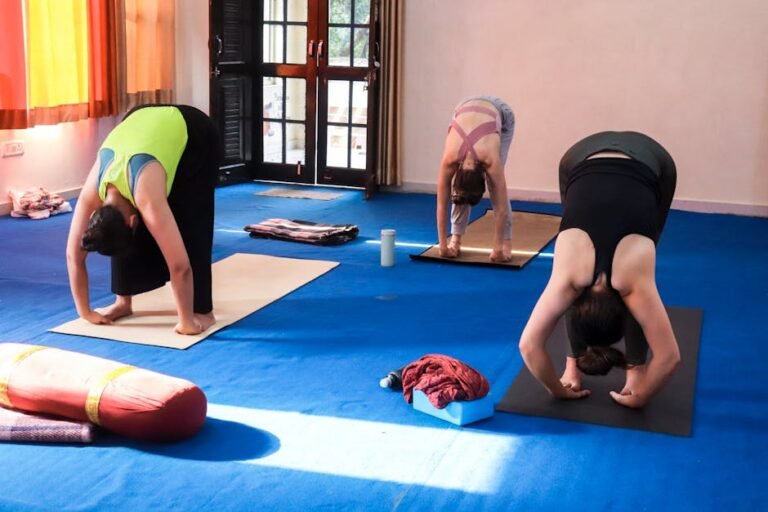
The study of spinal biomechanics also helps explain why treatments and therapies like physiotherapy, Pilates, yoga, and targeted strength training can be so effective for back pain. They work not just by loosening tight muscles, but by restoring the balance of forces across the spine, improving movement quality, and building the muscular support system that keeps the whole structure functioning as it should.
The Bottom Line: Your spine is a biomechanical masterpiece — a multi-segmental system designed to bear load, enable movement, and protect your nervous system all at once. Spinal biomechanics, the study of the forces and moments acting on this system, gives us a powerful framework for understanding why back pain happens and, more importantly, how to prevent it. By practising good posture, moving regularly, strengthening your core, lifting with care, and staying hydrated, you’re working with your spine’s natural design rather than against it. Small changes, applied consistently, can make a real and lasting difference to how your back feels and functions — for decades to come.
This is not medical advice. Consult your healthcare provider before starting any new health routine or using any product mentioned here.