Erector Spinae: The Back Muscles You Need to Know for a Stronger, Pain-Free Spine
This post contains affiliate links. As an Amazon Associate, I earn from qualifying purchases at no extra cost to you.
Free resources — no credit card required for trial
🎧 Listen to health & wellness audiobooks free for 30 days
Start 30-Day Free Trial →
🛒 Recommended Products
As an Amazon Associate we earn from qualifying purchases at no extra cost to you.
Branfit Shoulder and Back Brace Posture Corrector — Breathable Posture Trainer for Upper B
$24.99
Posture Corrector for Women and Men — Comfortable Effective Brace for Shoulder and Back Pa
$22.99
Bodywellness Posture Corrector for Men and Women — Adjustable Back Straightener with Clavi
$19.99
Updated Posture Corrector — Adjustable Upper Back Brace for Clavicle Support and Neck Pain
$21.99
TRIDUCNA Shiatsu Neck Back and Shoulder Massager with Heat — Deep Tissue 3D Kneading Pillo
$49.99
📚 Read unlimited health books free for 30 days
Try Kindle Unlimited Free →
Have you ever wondered what actually keeps you upright throughout the day? What quietly powers you through everything from picking up groceries to sitting at your desk for hours on end? Most people have heard of “core strength,” but far fewer know about the remarkable muscle group that forms the very backbone of spinal stability — the erector spinae complex. These powerful muscles run the entire length of your spine, working around the clock to keep you standing tall, moving freely, and protected from injury. When they’re functioning well, you barely notice them. When they’re not, you feel it in every step, every bend, and every morning when you drag yourself out of bed. Whether you’re dealing with nagging back pain or simply want to stay active and mobile for years to come, understanding and caring for your erector spinae complex is one of the smartest investments you can make in your long-term health.
What Is the Erector Spinae Complex, Exactly?
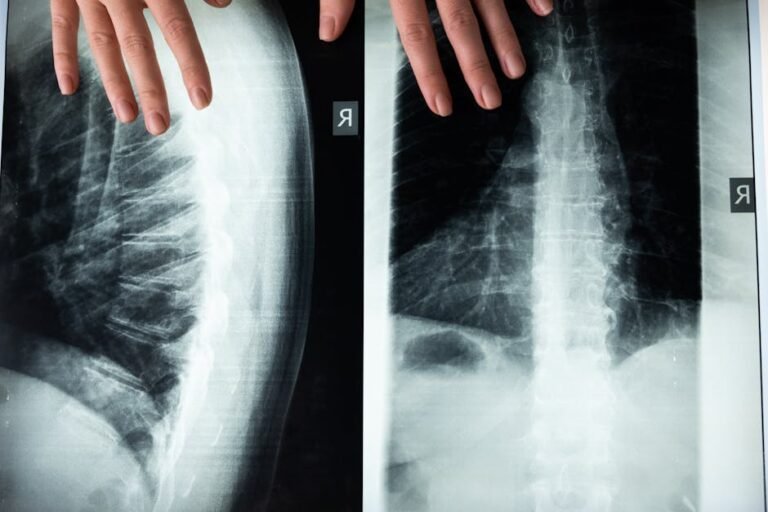
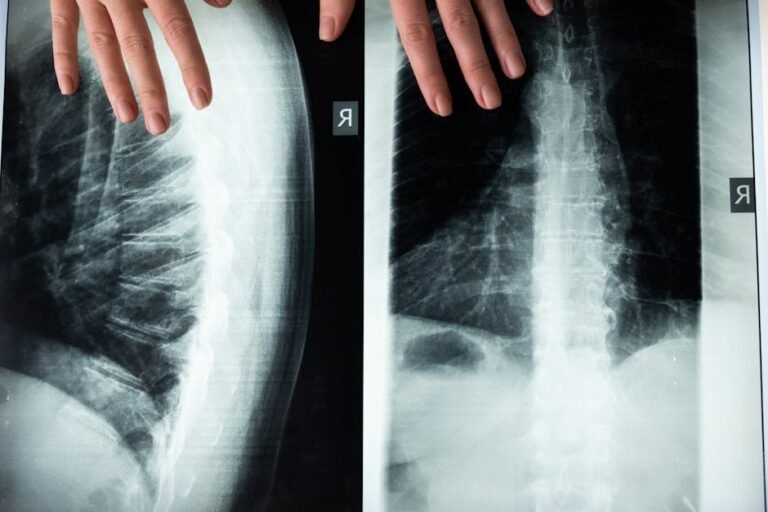
Picture your spine as a tall, elegant skyscraper — a marvel of engineering that balances remarkable strength with incredible flexibility. Now imagine a powerful network of cables and supports running alongside that skyscraper from its very foundation all the way to the top. That’s essentially your erector spinae complex: the largest and most prominent intrinsic muscles of your back, stretching from your sacrum (the base of your spine) right up to your skull.
Despite often being talked about as a single muscle, the erector spinae is actually a trio of distinct muscle columns working in close coordination. These three groups — the iliocostalis, the longissimus, and the spinalis — are sometimes referred to collectively as the “sacrospinalis group.” Think of them as three interwoven strands of an incredibly strong rope, each running predominantly lengthwise along your spine. Together, they create a continuous muscular scaffold perfectly designed to counteract the relentless pull of gravity.
What’s truly impressive is that this system never really switches off. Every moment you’re upright — standing in line at the supermarket, walking the dog, or even just sitting up in a chair — your erector spinae muscles are making constant subtle adjustments to keep you balanced and supported. They’re not working in isolation either. These muscles are deeply integrated with other muscles, ligaments, and bones, communicating constantly to ensure smooth, coordinated movement and protect the structural integrity of your spine. It’s an elegant system that has been refined over millions of years of human evolution, and it deserves a lot more credit than it usually gets.
The Many Jobs Your Erector Spinae Is Doing Right Now
It would be easy to assume that the erector spinae complex has just one job — keeping you from crumpling to the floor. But these muscles are genuinely multi-talented, playing a surprisingly diverse range of roles in your everyday movement and spinal health.
Their most obvious function is acting as your body’s primary anti-gravity mechanism. Every second you’re upright, these muscles are working to resist the downward pull of gravity, protecting your bones, discs, and ligaments from bearing the full brunt of that constant force. Over time, this continuous effort actually builds impressive muscular endurance — one reason well-conditioned erector spinae muscles can sustain prolonged activity without fatigue.
Beyond holding you upright, your erector spinae muscles are also the key coordinators of trunk movement. When you reach up to a high shelf, twist around to reverse the car, or bend down to pick something up from the floor, these muscles are orchestrating the movement, controlling your spine’s position throughout the action and protecting it from strain. They work hand-in-hand with your abdominal and core muscles to ensure every movement is both efficient and safe.
There’s also a crucial role that often flies completely under the radar: load distribution and shock absorption. Every time you carry a heavy bag, lift a child, or walk down a flight of stairs, your spine experiences significant forces. Your erector spinae muscles help spread those forces evenly across your vertebral column, preventing excessive pressure from building up on any single disc or joint. They also cushion your spine against impacts and vibrations — think of them as your spine’s built-in suspension system. And finally, these muscles play a vital part in maintaining the natural S-shaped curves of your spine, which are essential for balance, flexibility, and long-term spinal health.
What Happens When the Erector Spinae Isn’t Working Properly
Given how much your erector spinae complex does on a daily basis, it makes sense that when these muscles aren’t performing well, the consequences can ripple through your entire body. Dysfunction here doesn’t just mean a touch of weakness — it can fundamentally disrupt your spinal mechanics and the way you move through life.
The most obvious sign of erector spinae trouble is back pain. This can show up as a dull, persistent ache, sharp spasms, or a deep stiffness that makes it hard to straighten up first thing in the morning. When these muscles are weak, overly tight, or imbalanced on one side versus the other, surrounding muscles are forced to compensate and work harder than they should. Over time, that overcompensation leads to fatigue, tension, and pain.
Poor posture is another common warning sign. If your erector spinae can’t effectively maintain your spine’s natural curves, you might find yourself slumping forward, developing an exaggerated arch in your lower back, or feeling like you simply can’t stand or sit up straight comfortably for long. This isn’t just about appearances — poor posture places abnormal stress on your spinal discs and ligaments, which can lead to chronic pain and, over the long term, degenerative issues that become increasingly difficult to manage.
Perhaps most concerning is something called the “cascading compensatory pattern.” When your erector spinae aren’t doing their job properly, other muscles — like your hip flexors, hamstrings, or even muscles in your neck — try to step in and pick up the slack. This creates a domino effect of muscular imbalances that can spread pain and dysfunction far beyond your back, affecting your hips, knees, and even your gait. Everyday activities like bending, lifting, and sitting can become genuinely uncomfortable, turning simple tasks into daily challenges.
Assessing Your Erector Spinae Health: Signs to Watch For
You don’t need to be a physiotherapist to get a basic sense of how your erector spinae is holding up. Your body gives you plenty of clues if you know what to look for. Start by paying attention to how your back feels after prolonged sitting or standing. Do you notice stiffness, aching, or a feeling of muscle fatigue along either side of your spine? That could be a sign that your erector spinae muscles are working under strain.
Another useful self-check is to observe your posture in a mirror or a shop window reflection. Is one shoulder higher than the other? Does your lower back seem excessively arched, or do you find yourself constantly rounding forward? Asymmetries or persistent postural tendencies can hint at imbalances in the erector spinae muscles. Similarly, if you notice that movements like bending forward and returning to an upright position feel stiff, effortful, or uncomfortable — especially first thing in the morning — your erector spinae may be crying out for some attention.
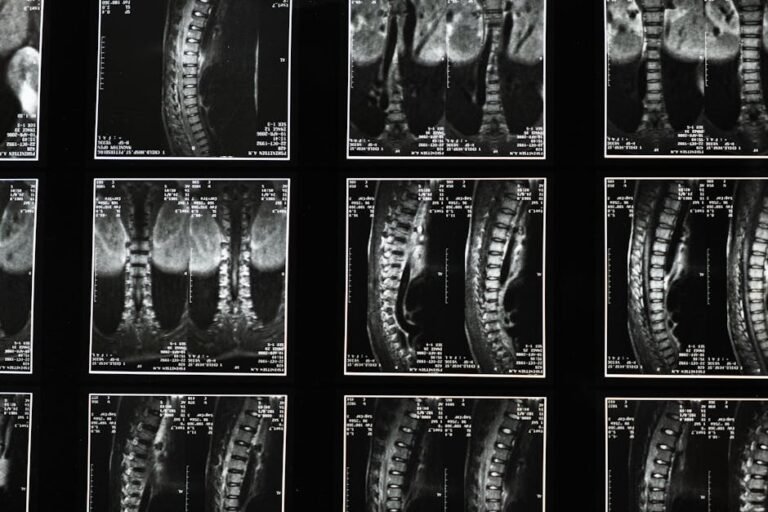
It’s worth noting that these observations are not a replacement for professional assessment. If you’re experiencing persistent or significant back pain, a physiotherapist, osteopath, or other qualified healthcare professional can perform a thorough evaluation and design a rehabilitation programme tailored specifically to your needs. But for general awareness of your own back health, tuning in to these everyday signals is a valuable and empowering first step.
Practical Tips to Strengthen and Protect Your Erector Spinae
The good news is that supporting your erector spinae doesn’t require a gym membership or complex equipment. Many of the most effective strategies are simple habits you can weave into your daily routine — and over time, these small, consistent actions add up to significant improvements in spinal strength, flexibility, and comfort.
- Check in on your posture regularly: Set a reminder to assess your posture every hour or so throughout the day. Are your shoulders creeping up toward your ears? Is your head jutting forward over your keyboard? Aim to sit and stand tall with a relaxed chest, soft shoulders, and a gentle natural curve in your lower back. Imagining a gentle upward pull from the crown of your head can help you find that alignment quickly.
- Break up prolonged sitting: Extended periods of sitting are genuinely hard on your erector spinae and your spinal discs. Try to get up and move for a few minutes every 30 to 60 minutes. Even a short walk to the kitchen or a few gentle standing stretches can make a real difference to how your back feels by the end of the day.
- Strengthen your whole core: Your erector spinae don’t work in isolation — they’re part of a broader core unit that includes your abdominal muscles, obliques, pelvic floor, and hip muscles. Exercises like bird-dog, dead bug, bridges, and planks help build balanced strength throughout this entire system, giving your spine the support it needs from every direction.
- Master safe lifting technique: When lifting anything heavy — from a laundry basket to a child — always bend at your hips and knees rather than rounding your lower back. Keep the object close to your body and engage your core before you lift. This technique dramatically reduces the strain placed on your erector spinae and helps prevent injury.
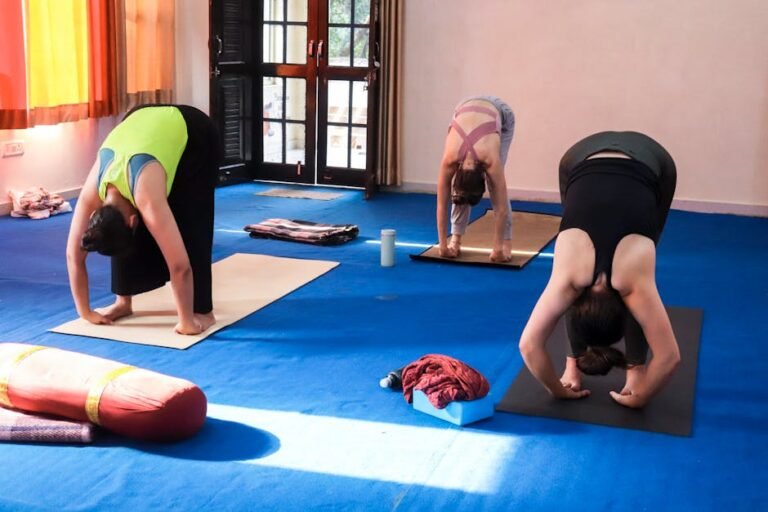
- Incorporate gentle back stretches daily: Regular, gentle stretching helps maintain flexibility and reduce stiffness in the muscles along your spine. Simple movements like the cat-cow stretch, child’s pose, and gentle spinal rotations are excellent choices. Always move within a comfortable range and stop if you feel any sharp pain.
- Stay well hydrated: Your spinal discs — which work closely with the erector spinae to cushion and support your spine — are largely made of water. Staying properly hydrated throughout the day helps maintain their height, flexibility, and shock-absorbing capacity. Aim for around 6–8 glasses of water daily as a general guide.
- Consider a supportive chair or lumbar roll: If you spend long hours at a desk, investing in a chair with good lumbar support — or using a small lumbar roll cushion — can help maintain the natural curve of your lower back and reduce unnecessary fatigue in your erector spinae throughout the day.
These habits work best when practised consistently over time. Think of them not as a short-term fix but as an ongoing commitment to your spinal wellbeing — one that will pay dividends in comfort, mobility, and quality of life for years to come.
Rehabilitation: When Your Erector Spinae Needs Extra Support
If you’re already dealing with back pain or recovering from a back injury, rehabilitation of the erector spinae complex requires a thoughtful, graduated approach. The goal isn’t to jump straight into heavy strengthening exercises — it’s to gently restore function, reduce pain, and rebuild the muscle coordination and endurance that your spine depends on.
In the early stages of rehabilitation, the focus is typically on reducing pain and muscle guarding, and reintroducing gentle, controlled movement. Simple exercises like pelvic tilts, supine knee-to-chest stretches, and gentle range-of-motion movements can help calm irritated muscles and begin to restore confidence in movement. Heat therapy can also be a useful tool for relaxing tight erector spinae muscles and improving local circulation before exercise.
As pain settles and movement improves, the focus gradually shifts toward rebuilding strength and stability in the erector spinae and the broader core. Exercises like the bird-dog (extending opposite arm and leg from a hands-and-knees position), the superman hold (lying face down and lifting your arms and legs slightly off the floor), and back extensions on a stability ball are all excellent progressions. The key is to build load slowly and progressively, always prioritising quality of movement over quantity of repetitions.
Working with a qualified physiotherapist or rehabilitation specialist during this process is highly recommended, particularly if your pain has been persistent or severe. They can assess the specific nature of your erector spinae dysfunction, rule out any underlying causes that need medical attention, and guide you through a personalised programme that is safe, effective, and appropriately paced for your individual needs and goals.
The Bottom Line: Your erector spinae complex is one of the hardest-working, most underappreciated muscle groups in your entire body. Running the full length of your spine, these muscles keep you upright, power your movements, protect your discs and joints, and maintain the natural curves that make your spine both strong and flexible. When they’re healthy and well-conditioned, everyday life feels effortless. When they’re not, back pain and stiffness can quickly take over. The encouraging truth is that with consistent attention — good posture habits, regular movement, balanced core strengthening, and safe lifting practices — you can actively support your erector spinae and enjoy a stronger, more comfortable back for the long haul. Your spine has carried you this far; it’s well worth taking care of it.
This is not medical advice. Consult your healthcare provider before starting any new health routine or using any product mentioned here.