Degenerative Processes Affecting Your Spinal Muscles: What’s Really Happening to Your Back
This post contains affiliate links. As an Amazon Associate, I earn from qualifying purchases at no extra cost to you.
Free resources — no credit card required for trial
🎧 Listen to health & wellness audiobooks free for 30 days
Start 30-Day Free Trial →
🛒 Recommended Products
As an Amazon Associate we earn from qualifying purchases at no extra cost to you.
Back Gel Ice Pack Wrap — Microwaveable Pain Relief Heat Pad for Upper and Lower Back Thera
$22.99
BODYPROX Pain Relief Ice Pack with Strap for Hot and Cold Therapy — Microwave Heat Pad for
$14.99
iReliev Hot and Cold Therapy Gel Pack — Reusable Freezable Microwaveable Compression Pack
$16.99
Magic Gel Ice Pack for Back Pain Relief — 2 Pack Reusable Lower Back Wrap for Hot or Cold
$19.99
Relief Expert Reusable Ice Pack for Back — Lower Back Ice Pack Wrap with Cold Compress
$17.99
📚 Read unlimited health books free for 30 days
Try Kindle Unlimited Free →
When most people think about back pain, they picture a slipped disc or worn-down vertebrae — but your spine’s muscular system is just as important, and just as vulnerable. The truth is, degenerative processes affecting the spinal muscular system are one of the most overlooked causes of chronic back pain, stiffness, and loss of mobility. Understanding what’s happening beneath the surface — and what you can do about it — might be the most empowering thing you ever do for your spinal health. Whether you’re currently dealing with back problems or simply want to stay ahead of them, this guide is for you.
Your Spine’s Secret Support System: The Muscular Network You Never Think About
Most of us know our spine as a column of bones stacked on top of one another, cushioned by discs. But picture your spine as a sophisticated suspension bridge. The bones and discs are the main structure — but the surrounding muscles are the countless cables and pulleys that keep everything balanced, moving smoothly, and safe from collapse. Without these muscles, your spine simply couldn’t do its job.
What makes this system so remarkable is that it’s not just one big muscle doing all the work. It’s a beautifully organised, layered team. Deep muscles like the multifidus and rotatores sit closest to your spine and act as precision engineers. They stabilise each individual vertebra and provide what’s called proprioceptive feedback — essentially your body’s internal GPS, constantly telling your brain exactly where your spine is in space. This is what keeps you balanced when you step off a kerb unexpectedly or shift your weight on an uneven surface.
A little further out, intermediate muscles like the longissimus and iliocostalis coordinate broader movements across multiple spinal segments. Think of them as the managers keeping different sections of the bridge working in harmony. Then, on the outermost layer, powerhouse muscles like the latissimus dorsi and trapezius generate the real force needed for lifting, pulling, and reaching. Together, these three layers create a system that is constantly adjusting — whether you’re sitting at a desk, walking the dog, or swinging a golf club.
It’s an incredibly efficient design. But like any complex system, it can be disrupted — and when it is, the effects ripple outward in ways that can be surprising and debilitating.
What Goes Wrong: The Three Main Types of Spinal Muscle Dysfunction
When your spinal muscular system becomes compromised, it doesn’t always happen dramatically. Often, it creeps up gradually — a little more stiffness here, a little less strength there — until everyday activities start to feel genuinely difficult. The problems can stem from injuries, inflammatory conditions, metabolic changes, or the slow wear and tear of degenerative processes. Whatever the cause, the resulting muscle dysfunction tends to fall into three main categories.
Atrophy, or muscle wasting, is when muscles literally shrink and lose mass. If you’ve ever had a limb in a cast and noticed how thin it looked when the cast came off, you’ve seen atrophy in action. In the spine, it’s less visible but just as damaging. A smaller muscle is a weaker muscle — and a weaker muscle is less able to protect and support your spine through daily demands. Atrophy can result from nerve damage, prolonged inactivity, or the natural ageing process.
Weakness often accompanies atrophy but can also occur independently. If the nerve signals reaching a muscle are impaired — perhaps because a bulging disc is pressing on a nearby nerve — the muscle may lose strength even without losing significant mass. Weak spinal muscles leave your vertebrae and discs more exposed to stress, increasing your risk of pain and injury over time.
Spasticity is perhaps the most uncomfortable of the three. This is when a muscle can’t fully relax, staying in a state of involuntary contraction or tightening up without warning. It’s often tied to nerve control problems, and it can make movement stiff, painful, and exhausting. Many people who describe their back as feeling “locked up” are experiencing some degree of spasticity.
These three conditions don’t always appear in isolation. A degenerating disc might irritate a nearby nerve, causing weakness and atrophy in the muscles that nerve supplies. Those weakened muscles then place extra strain on other parts of the spine, which triggers compensatory patterns and compounds the problem. It becomes a cycle that extends far beyond the original source of trouble.
Degenerative Processes and the Spinal Muscular System: A Slow but Significant Shift
The phrase “degenerative processes” can sound alarming, but it’s really just describing what happens to our bodies through time and daily use. Think of your muscles like elastic bands. When they’re young and well-maintained, they stretch and spring back easily. But with repeated stress, poor habits, reduced nourishment, and the passage of years, they gradually lose their elasticity, become more prone to tearing, and start to break down.
One of the key drivers of spinal muscle degeneration is nerve impingement. As spinal discs age, they can bulge or herniate. Vertebrae can develop bony spurs. Either of these changes can press on the nerves that supply the surrounding muscles — and when a nerve is compromised, the muscle it controls suffers. It may weaken, waste away, or become spastic, because it’s no longer receiving clear, consistent signals from the brain.
Chronic strain and overload also play a significant role. If you spend long hours hunched over a desk, carry a heavy bag on one shoulder every day, or perform repetitive physical tasks with poor technique, certain spinal muscles are constantly under stress. Over time, that chronic overload leads to fatigue, inflammation, and eventually tissue breakdown — especially if recovery time and movement variety aren’t built into your routine.
Reduced blood supply is another factor that’s easy to overlook. As we age, circulation to our tissues naturally decreases. Muscles that aren’t receiving adequate oxygen and nutrients struggle to repair and maintain themselves, accelerating atrophy and weakness. Inflammation — often a byproduct of degenerative conditions like osteoarthritis — compounds this by directly damaging muscle tissue and inhibiting its ability to function. Even the connective tissue surrounding your muscles can stiffen with age, restricting movement and contributing to the kind of deep-seated tightness that so many people live with for years. These changes tend to creep up slowly, starting as mild morning stiffness or reduced endurance, before eventually affecting your quality of life in more serious ways.
What Practical Steps Can You Take to Support Your Spinal Muscles?
Here’s the genuinely good news: understanding these degenerative processes isn’t just an academic exercise. It gives you real power to act — and acting early makes an enormous difference. You don’t need to be an athlete or follow a complex programme. Simple, consistent habits can meaningfully slow the degenerative process, strengthen your spinal muscles, and protect your back for years to come.
- Stay active — mindfully. Regular, moderate movement is the single best thing you can do for your spinal muscles. Walking, swimming, yoga, and Pilates all strengthen muscles, improve flexibility, and boost circulation. The key word is mindful — listen to your body and avoid pushing through sharp or worsening pain.
- Prioritise core strength. Your core — the muscles of your abdomen, back, and pelvic floor — creates a supportive girdle around your spine. Targeted core exercises don’t require a gym membership; even gentle exercises done consistently on a mat at home can make a real difference to spinal stability.
- Pay attention to your posture. Poor posture places chronic strain on certain spinal muscles while leaving others underused, creating imbalances and weakness over time. A simple check: imagine a string gently pulling you upward from the crown of your head. Shoulders relax, chest opens, and the spine naturally falls into a better alignment.
- Stretch regularly. Keeping your back, hips, and hamstrings flexible allows your muscles to move through their full range of motion without excessive strain. This is particularly important in counteracting the muscle stiffness and spasticity associated with degenerative changes.
- Create an ergonomic environment. Adjust your desk chair, car seat, and mattress to provide proper spinal support. An ergonomic chair or a lumbar support cushion can help enormously if you spend long periods sitting. A supportive mattress that keeps your spine in neutral alignment while you sleep is equally valuable — your muscles do repair work overnight, and they need the right conditions to do it.
- Don’t ignore early warning signs. Persistent stiffness, unexplained weakness, or recurring back pain that doesn’t resolve within a couple of weeks deserves attention. Seeing a doctor, physiotherapist, or chiropractor early — before things worsen — gives you far more options and better outcomes than waiting until the problem becomes severe.
- Stay hydrated and eat well. Your muscles need nutrients and water to function and repair. A balanced diet rich in protein, vitamins, and minerals supports muscle health, while adequate hydration helps maintain the elasticity of the connective tissues surrounding your spine.
Why Early Awareness of Spinal Muscle Health Truly Matters
One of the most common patterns in spinal health is this: people wait. They assume back pain is normal, that it will pass, that it’s just part of getting older. And sometimes it does pass — but often, without attention, it becomes a recurring pattern that gradually worsens. The degenerative processes affecting your spinal muscular system are slow, which is both a challenge and an opportunity. A challenge, because the early signs are easy to dismiss. An opportunity, because catching them early — before significant atrophy or nerve involvement has occurred — means the body still has substantial capacity to respond to intervention.
Research consistently shows that people who engage in regular physical activity maintain better muscle mass, better nerve health, and better spinal function as they age compared to sedentary individuals. This doesn’t mean you need to run marathons. It means that making movement a non-negotiable part of your daily life — even a 20-minute walk each day — is one of the most protective things you can do for the muscles that hold your spine together.
There’s also an important psychological dimension here. Chronic back pain has a well-documented relationship with anxiety, low mood, and reduced quality of life. When you understand what’s happening in your body — rather than feeling at the mercy of mysterious, invisible forces — you feel more in control. And that sense of agency itself is healing. You can make choices every day that support your spinal muscles, and those choices compound over time into genuinely better outcomes.
If you have a loved one — a parent, a partner — dealing with back issues, sharing this kind of information can be empowering for them too. Spinal health isn’t a niche concern for athletes or the elderly; it’s deeply relevant to everyone who wants to remain active, independent, and comfortable throughout their life.
When to Seek Professional Help for Spinal Muscle Issues
While lifestyle changes and self-care go a long way, there are times when professional support is essential. If you’re experiencing persistent back or neck pain that lasts more than a few weeks, noticeable muscle weakness that affects your daily function, or episodes of spasticity or muscle cramping that are severe or worsening, it’s time to see a healthcare provider.
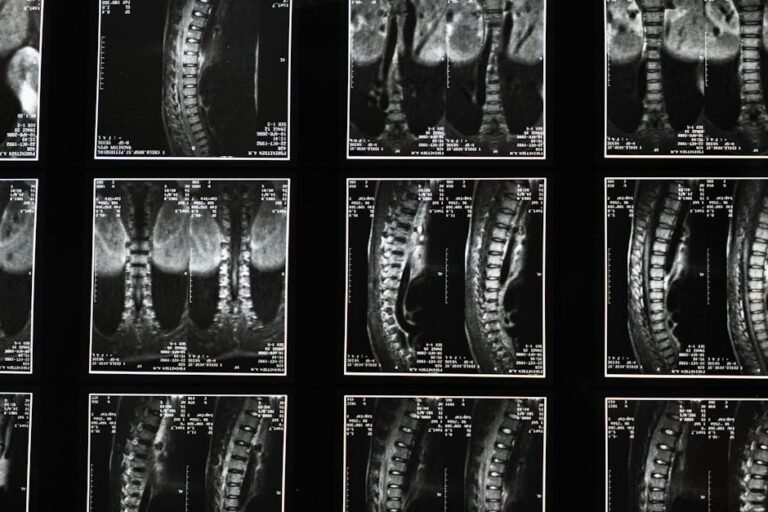
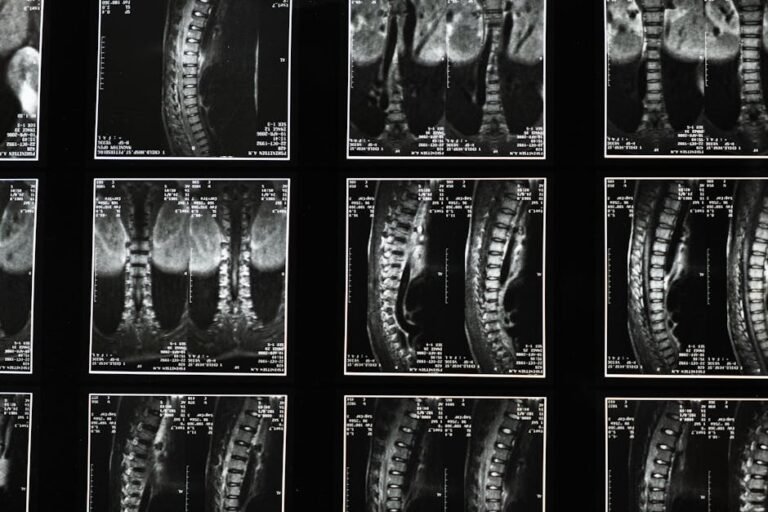
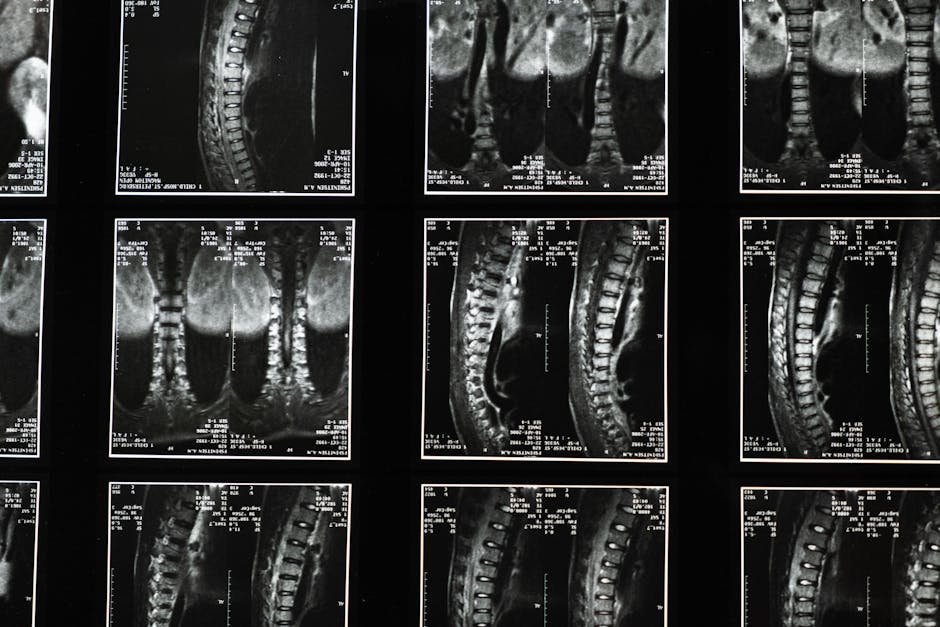
A physiotherapist can assess your movement patterns, identify muscular imbalances, and guide you through a tailored rehabilitation programme. A doctor may recommend imaging — like an MRI — to check for nerve impingement or structural changes that might be contributing to muscle dysfunction. Early assessment doesn’t just help manage existing symptoms; it can prevent the kind of progressive deterioration that becomes much harder to address later on.
Don’t be afraid to advocate for yourself. If you feel your concerns about muscle weakness or spinal stiffness are being brushed aside, ask for a referral to a specialist. You deserve thorough answers and a proactive approach to your spinal health — not just reassurance that it’s “normal ageing.”
The Bottom Line: Degenerative processes affecting the spinal muscular system are a real and significant contributor to back pain, stiffness, and reduced mobility — but they don’t have to be inevitable or unmanageable. By understanding the layered muscular system that supports your spine, recognising the early signs of dysfunction like atrophy, weakness, and spasticity, and committing to practical daily habits that keep those muscles strong and flexible, you give your spine its best possible chance of staying healthy for the long haul. Start small, stay consistent, and don’t hesitate to seek expert guidance when you need it. Your spine — and all the muscles holding it together — will thank you.
This is not medical advice. Consult your healthcare provider before starting any new health routine or using any product mentioned here.