How to Reduce Swelling in Ankles: A Practical Guide for Older Adults
This post contains affiliate links. As an Amazon Associate, I earn from qualifying purchases at no extra cost to you.
Free resources — no credit card required for trial
🎧 Listen to health & wellness audiobooks free for 30 days
Start 30-Day Free Trial →
🛒 Recommended Products
As an Amazon Associate we earn from qualifying purchases at no extra cost to you.
EZ Off Jar Opener for Seniors — Under Cabinet Jar Opener for Weak Hands and Arthritis
$9.99
Back Gel Ice Pack Wrap — Microwaveable Pain Relief Heat Pad for Upper and Lower Back Thera
$22.99
BODYPROX Pain Relief Ice Pack with Strap for Hot and Cold Therapy — Microwave Heat Pad for
$14.99
Otstar Jar Opener Bottle Opener Can Opener for Seniors with Arthritis and Low Strength
$11.99
iReliev Hot and Cold Therapy Gel Pack — Reusable Freezable Microwaveable Compression Pack
$16.99
📚 Read unlimited health books free for 30 days
Try Kindle Unlimited Free →
If you’ve noticed your ankles looking puffier by the end of the day, you’re far from alone. Swollen ankles are one of the most common complaints among older adults, and while it can feel unsettling, the good news is that there are plenty of gentle, effective strategies to help. Understanding how to reduce swelling in ankles — and knowing when to seek a little extra help — can make a real difference to your comfort, your confidence, and your ability to stay active and independent. Let’s walk through everything you need to know, step by step.
Why Do Ankles Swell as We Get Older?
Ankle swelling, known medically as edema, happens when excess fluid builds up in the tissues of your lower legs and feet. Gravity naturally pulls fluids downward throughout the day, and as we age, our circulation tends to slow down a little, making it harder for the body to move that fluid back up efficiently. The result? Puffiness around the ankles and feet, especially after long periods of sitting or standing.
But circulation changes aren’t the only culprit. Several other factors can contribute to ankle swelling in later life, including certain medications (such as some blood pressure drugs and anti-inflammatory medicines), underlying health conditions affecting the heart, kidneys, or liver, low protein levels in the blood, infections, injuries, and a condition called lymphedema, where the lymphatic system isn’t draining fluid as well as it should.
Because so many different things can play a role, managing ankle swelling usually isn’t about one single fix. Instead, it’s about combining a few smart daily habits — gentle movement, thoughtful eating, good skin care, and appropriate rest — to support your body as a whole. And when something doesn’t feel right, knowing when to check in with your doctor is just as important as any home remedy.
Warning Signs: When to Seek Medical Help for Swollen Ankles
Before diving into practical tips, it’s really important to talk about when ankle swelling needs prompt medical attention. Most everyday puffiness after a long day is nothing to worry about, but certain signs should never be ignored.
Contact your healthcare provider straight away — or call emergency services if needed — if you notice swelling that comes on suddenly or affects only one leg, pain, redness, or warmth in the leg, or any shortness of breath, chest discomfort, or faintness. These could indicate a blood clot, heart problem, or other serious condition that needs immediate assessment.
Other warning signs to watch for include a fever alongside swelling and redness, rapid unexplained weight gain, skin that looks pale, bluish, very tight, or shiny, open sores or ulcers around the ankle, or swelling that simply isn’t getting better despite a few days of home care. If you have a known heart, kidney, or liver condition, it’s always worth getting in touch with your doctor sooner rather than later whenever your swelling changes. Don’t wait and hope it passes — getting checked out is always the right call when you’re unsure.
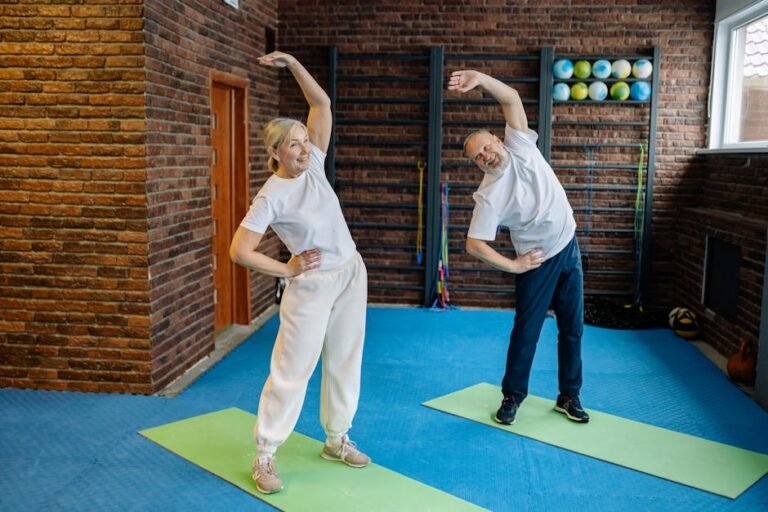
How to Reduce Swelling in Ankles with Gentle Daily Movement
One of the most effective — and most underused — tools for managing ankle swelling is simply moving more throughout the day. Movement acts like a gentle pump for your circulatory and lymphatic systems, encouraging fluid to flow back up from the legs toward the heart instead of pooling around the ankles.
The good news is that you don’t need to run marathons or join a gym. These exercises are simple, low-impact, and can be done from a chair or while holding onto a sturdy surface for balance:
- Ankle pumps: Sit or lie down, point your toes away from you, then pull them back toward your shin. Repeat 10–15 times. This is one of the simplest and most effective moves for moving fluid back toward the heart.
- Ankle circles: Lift one foot slightly off the floor and slowly circle your ankle 5–10 times in one direction, then the other. Repeat on the other foot. Try to do this a few times throughout the day.
- Seated leg marches: While sitting, lift one knee toward your chest, lower it, then repeat with the other leg. Alternate for 30 seconds to 1 minute.
- Seated leg extensions: Sit with your back supported, slowly straighten one leg, hold briefly, then lower it. Do 8–12 repetitions per leg to improve circulation.
- Calf raises: Stand behind a sturdy chair and hold the back for support. Rise up onto your toes slowly, then lower your heels. Do 8–12 repetitions. If balance is a concern, you can do a seated version instead.
- Short walks: If you’re able, a gentle 5–10 minute walk does wonders for leg circulation. Wear supportive shoes and take your time.
The key with all of these is consistency over intensity. A few minutes of gentle movement several times a day will serve you much better than one long session once a week. Always stop if you feel dizzy, short of breath, or notice any new pain, and check with your doctor before starting a new exercise routine if you have any ongoing health conditions.
Everyday Habits, Diet, and Footwear That Make a Real Difference
Beyond dedicated exercise time, the small habits you build into your everyday routine can have a surprisingly big impact on how to reduce swelling in ankles over time. One of the simplest and most helpful habits is elevating your legs when you’re resting. Try propping your feet up on a couple of pillows or the arm of a sofa so they’re roughly level with or slightly higher than your heart. Even 15–30 minutes a few times a day can help fluids drain away from the ankles more effectively.
If you spend a lot of time sitting — whether watching television, reading, or working — try to keep your feet flat on the floor rather than crossing your legs for long periods, as this can slow circulation. If you’re standing for household tasks, shift your weight from one foot to the other, take a short stroll around the room every half hour, or sit and rest for a few minutes when you can.
What you eat matters too. A moderate reduction in salt (sodium) intake can help reduce fluid retention for many people — try flavouring meals with herbs and spices instead of reaching for the salt shaker. Make sure you’re eating enough protein at each meal, since low protein levels in the blood can contribute to swelling. Good sources include fish, poultry, eggs, dairy, beans, and tofu. Plenty of fresh fruits and vegetables provide potassium and other nutrients that support healthy fluid balance. And limit highly processed and packaged foods, which are often surprisingly high in hidden sodium.
Your footwear plays a bigger role than many people realise. Well-fitted, supportive shoes with a roomy toe box are essential — avoid anything that pinches or squeezes. If your doctor has recommended compression stockings, make sure they fit properly and have been prescribed for your specific needs. Compression isn’t suitable for everyone, and poorly fitting stockings that leave marks or cause numbness can do more harm than good.
What You Can Do: A Simple Daily Routine to Try Today
If you’re feeling a bit overwhelmed and wondering where to start, here’s a gentle, manageable daily routine that pulls everything together. You can adapt it to suit your own schedule and energy levels — the most important thing is simply to begin.
- Morning: Spend 15 minutes with your legs elevated. Follow this with 5 minutes of gentle ankle pumps and circles while still sitting or lying comfortably.
- Mid-morning: Get up and move around for a few minutes, even if it’s just a slow walk to the kitchen and back. Try a round of seated leg marches or extensions if you prefer to stay seated.
- Lunchtime: Choose a meal that includes a good source of protein and plenty of vegetables. Go easy on the salt.
- Afternoon: Take a short 5–10 minute walk if you feel up to it. If not, do 2–3 sets of ankle circles and calf raises (sitting or standing with support).
- Evening: Elevate your legs again for 15–30 minutes. Enjoy a light, balanced dinner and stay hydrated with water or unsweetened drinks.
- Before bed: Take a moment to check your feet and ankles. Look for any new redness, warmth, cuts, or sores. Notice how your legs feel — any new heaviness or aching worth mentioning to your doctor?
Consistency is everything here. Small actions done regularly will always outperform grand efforts done occasionally. Be patient with yourself — you may start to notice improvements within a few days to a couple of weeks of building these habits.
Skin Care, Medication Awareness, and Knowing When to Call Your Doctor
Looking after the skin around your ankles is an often-overlooked part of managing swelling. When fluid builds up, skin can become dry, tight, or fragile, making it more vulnerable to cracks and infections. Keep the skin around your ankles and feet clean and gently moisturised — applying lotion after bathing works well, though try to avoid putting it between the toes if there’s significant swelling, as this area can trap moisture. Pat feet dry carefully rather than rubbing.
Check your feet every single day for any changes — redness, warmth, cuts, blisters, or sores. Early detection of any problem means earlier treatment and fewer complications. If you notice anything concerning, don’t leave it to chance — mention it to your healthcare provider promptly.
It’s also worth having a conversation with your doctor about the medications you’re taking. Some common medicines, including certain blood pressure drugs and non-steroidal anti-inflammatory drugs, list swelling as a side effect. This doesn’t mean you should stop taking anything on your own — never do that without medical guidance — but if you suspect a medicine might be contributing to your ankle swelling, it’s absolutely worth raising with your doctor. They may be able to adjust your prescription or suggest alternatives.
Similarly, don’t be tempted to take diuretics (water pills) unless they’ve been specifically prescribed for you. These medicines affect your body’s fluid balance in significant ways and can interact with other medications or health conditions. Only take them under a clinician’s supervision.
The Bottom Line: Swollen ankles are very common in later life, but they don’t have to hold you back. By combining gentle daily movement, leg elevation, a balanced low-sodium diet, good footwear, and attentive skin care, you can make a meaningful difference to your comfort and mobility. The most important thing is to start small, stay consistent, and never hesitate to reach out to your doctor when something doesn’t feel right. You deserve to feel comfortable in your own body — and with a few steady, manageable steps, that’s entirely within reach.
This is not medical advice. Consult your healthcare provider before starting any new health routine or using any product mentioned here.