How to Reduce Gum Recession: A Practical Guide for Seniors Who Want to Protect Their Smile
This post contains affiliate links. As an Amazon Associate, I earn from qualifying purchases at no extra cost to you.
Free resources — no credit card required for trial
🎧 Listen to health & wellness audiobooks free for 30 days
Start 30-Day Free Trial →
📚 Read unlimited health books free for 30 days
Try Kindle Unlimited Free →
Have you looked in the mirror lately and noticed your teeth seem a little longer than they used to? Or maybe you’ve been wincing when you sip a cold drink or bite into something warm? If any of this sounds familiar, you may be experiencing gum recession — and you’re far from alone. Gum recession is one of the most common dental concerns among older adults, and while it can feel alarming, the good news is that there’s plenty you can do about it. Learning how to reduce gum recession doesn’t require dramatic changes or expensive treatments right away. In fact, some of the most effective steps are simple, gentle daily habits that anyone can start today. Let’s walk through everything you need to know to protect your gums, reduce sensitivity, and feel confident about your smile again.
What Is Gum Recession — and Why Does It Happen More as We Age?
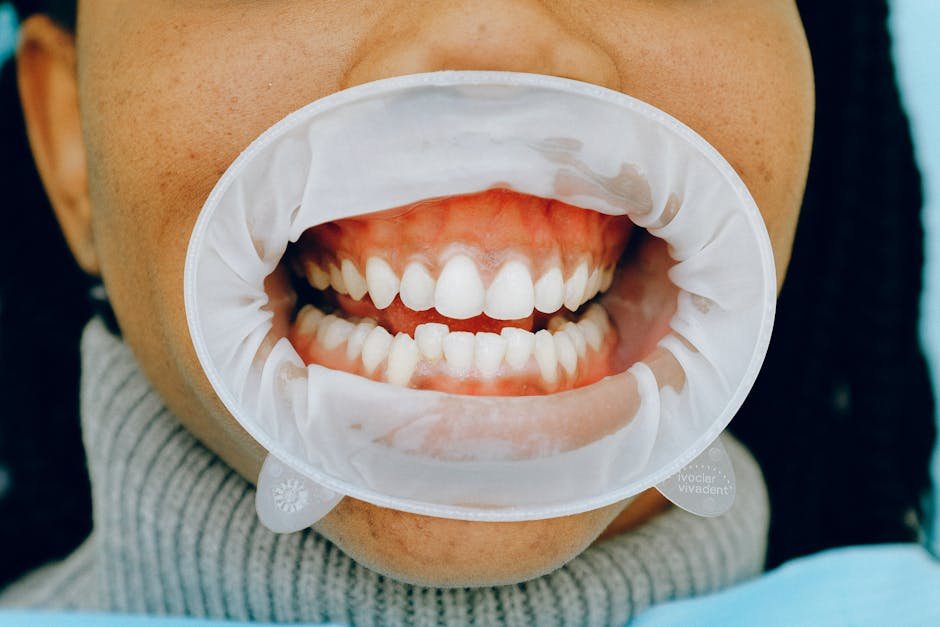
Gum recession happens when the soft tissue surrounding your teeth gradually pulls back or wears away, leaving more of the tooth — and sometimes the root — exposed. Those exposed roots aren’t naturally designed to sit out in the open. They’re more porous and sensitive than the enamel-covered parts of your teeth, which is why you might notice that sharp twinge when you drink something hot or cold.
Recession doesn’t usually happen overnight. It tends to creep up slowly over many years, which is partly why it’s so common in seniors. By the time you notice it, the process may have been going on for quite a while. The important thing to understand is that gum recession is rarely caused by just one thing — it’s usually a combination of factors building up over time. And that means there are usually several different angles you can tackle to slow things down.
Some of the most common causes in older adults include gum disease (also called periodontal disease), brushing too hard or with a stiff-bristled brush, dry mouth caused by medications, tobacco use, and nighttime teeth grinding. Ill-fitting dentures, misaligned bites, and certain health conditions like diabetes can also play a role. Understanding what might be driving your recession is the first step toward doing something about it — and a good dentist can help you figure that out.
How to Reduce Gum Recession with Your Daily Brushing and Flossing Routine
Here’s something that surprises many people: one of the most common causes of gum recession isn’t neglecting your teeth — it’s actually being too aggressive with them. Brushing too hard, using a firm-bristled toothbrush, or snapping floss roughly against your gums can all wear away sensitive gum tissue over time. The fix isn’t to brush less — it’s to brush smarter.
The golden rule is to use a soft-bristled toothbrush and hold it gently — think of how you’d hold a pencil, not a scrubbing brush. Angle the bristles at about 45 degrees toward the gumline and use small, circular motions rather than back-and-forth scrubbing. Brush for around two minutes, twice a day, and let the bristles do the gentle work. If you’re not sure whether you’re pressing too hard, an electric toothbrush with a built-in pressure sensor can be a game-changer. It alerts you when you’re using too much force, making it much easier to develop a lighter touch without even thinking about it.
Flossing daily is still important — it removes plaque from between teeth where your brush can’t reach — but technique matters here too. Ease the floss gently between teeth rather than snapping it down against the gums. If traditional floss feels uncomfortable or difficult to manage (especially if you have arthritis or reduced grip strength), interdental brushes or soft dental picks are excellent alternatives that are often kinder to sensitive gums. Ask your dental hygienist to show you the best technique for your particular situation at your next visit.
When it comes to toothpaste, a standard fluoride toothpaste is a solid choice for protecting your teeth. If you’re already dealing with sensitivity from exposed roots, talk to your dentist about a desensitizing toothpaste — there are several good options available that can be used as part of your regular routine to help calm that uncomfortable sensitivity over time.
Managing Dry Mouth: The Hidden Factor in Gum Recession
Dry mouth might not sound like a dental problem at first, but it’s actually one of the sneakiest contributors to gum recession and tooth sensitivity — especially for seniors. Saliva is your mouth’s natural defence system. It neutralises acids, washes away bacteria, and keeps gum tissue moist and healthy. When saliva flow drops, bacteria thrive, and gum problems can worsen.
The tricky part? Dry mouth is a very common side effect of many medications that older adults regularly take — including certain antidepressants, antihistamines, and blood pressure drugs. If you’ve noticed your mouth feels dry, especially at night or first thing in the morning, it’s worth mentioning to both your dentist and your prescribing doctor. There may be alternatives, timing adjustments, or specific products that can help.
In the meantime, sipping water regularly throughout the day — not just with meals — is one of the simplest things you can do to support saliva flow and gum comfort. Limiting caffeine and alcohol can also help, as both can contribute to mouth dryness. Running a humidifier in your bedroom at night is a surprisingly effective way to reduce morning dryness and discomfort. If you feel you need extra help, over-the-counter saliva substitutes or sugar-free gum can offer relief — just check with your dentist first, particularly if you have dentures or diabetes.
Practical Tips: What You Can Do Starting Today to Slow Gum Recession
Sometimes the most useful thing is a clear, simple list of actions you can take right now. Here are practical, senior-friendly steps that can make a real difference in slowing gum recession and protecting your oral health:
- Switch to a soft-bristled toothbrush immediately — or consider an electric toothbrush with a pressure sensor to help you brush gently and effectively.
- Brush for two minutes, twice a day, using small circular motions at a 45-degree angle to the gumline. Let the brush do the work — no scrubbing needed.
- Floss daily with a gentle technique — ease the floss between teeth rather than snapping it. Try interdental brushes or soft picks if traditional floss is uncomfortable.
- Use a fluoride toothpaste and ask your dentist whether a desensitizing formula would suit your needs.
- Switch to an alcohol-free mouthwash if you have dry mouth, as alcohol can make dryness worse.
- Sip water throughout the day to support saliva flow and keep gums moist.
- Eat a balanced diet rich in calcium, vitamin C, and vitamin D — think leafy greens, dairy or fortified alternatives, lean proteins, and fruit — to support gum and bone health.
- If you smoke or use tobacco, talk to your dentist about cessation resources. Quitting is one of the most powerful things you can do for your gum health.
- Tell your dentist if you grind or clench your teeth — a custom night guard can protect both your teeth and gum tissue from the pressure of bruxism.
- Schedule a dental check-up within the next month or two to get a proper assessment and personalised advice for your situation.
- Review your medications with both your doctor and dentist to identify any that may be contributing to dry mouth or gum problems.
- If you wear dentures, make sure they fit well — ill-fitting dentures can rub and irritate gum tissue, worsening recession over time.
When to See Your Dentist — and What Professional Care Can Offer
Home care is essential, but it works best as a team effort with your dental professionals. If you haven’t had a check-up recently, now is a genuinely good time to book one. Your dentist can measure the depth of any gum pockets, monitor how much recession has occurred, check for signs of gum disease, and help you understand exactly what’s going on in your mouth. That kind of professional picture makes everything else you do at home more targeted and effective.
For many seniors, dentists recommend check-ups every three to six months rather than just once a year — especially if gum recession is already present. Professional cleanings remove the plaque and hardened tartar that you simply can’t tackle with a toothbrush alone. If gum disease is detected, a deeper cleaning procedure called scaling and root planing may be recommended to remove bacteria from below the gumline and give your gums a healthier environment to stabilise in.
Your dentist can also apply fluoride varnishes or desensitising agents directly to exposed roots to reduce sensitivity and help protect the vulnerable root surface. In more advanced cases, procedures like gum grafts can actually cover exposed roots and restore some of the lost gum tissue — your dentist will be able to discuss whether this is something that might be appropriate for you. If you have conditions like diabetes or osteoporosis, your dental team may also coordinate with your other healthcare providers to make sure your treatment plan accounts for all your needs.
Don’t wait until something is painful to seek help. Bleeding gums that persist for more than a day or two after brushing, increasing sensitivity, loose teeth, mouth sores that won’t heal, or noticeable changes in how your teeth fit together when you bite are all signs to contact your dentist promptly. Catching things early always makes treatment simpler and more effective.
Lifestyle Changes That Support Healthier Gums Long-Term
It might sound surprising, but your overall lifestyle has a meaningful impact on your gum health. Gums are living tissue that depend on good circulation, proper nutrition, and a healthy immune system to stay resilient. That means some of the same habits that support your heart, your bones, and your energy levels also support your gums.
Nutrition is a great place to start. Foods rich in calcium support bone density — including the bone that holds your teeth in place. Vitamin C is essential for healthy gum tissue and wound healing, so getting enough through fruit, vegetables, and fortified foods genuinely matters. Vitamin D helps your body absorb calcium and also plays a role in immune function, which is tied to how well your body fends off gum infections. You don’t need to overhaul your entire diet — just making sure you’re eating a balanced variety of whole foods goes a long way.
Gentle, regular physical activity supports circulation, which helps gum tissue heal and stay strong. Even a daily walk counts. And if you smoke or use any tobacco products, quitting is honestly one of the most significant things you can do for your gums — tobacco use damages gum tissue, slows healing, and significantly raises the risk of gum disease. Your dentist can point you toward cessation programmes and support resources if you’re ready to take that step.
Finally, if you’re managing a chronic condition like diabetes, keeping it well-controlled makes a real difference to your gum health. Elevated blood sugar increases the risk of gum infections and slows healing, so working with your healthcare team to stay on top of your numbers protects your mouth as well as the rest of your body.
The Bottom Line: Gum recession is a very common part of ageing for many people — but it doesn’t have to mean the slow loss of your smile or your comfort. By making a few gentle adjustments to your daily brushing and flossing routine, managing dry mouth, eating well, staying active, and keeping up with regular dental visits, you can meaningfully slow the progression of gum recession and protect your teeth for the long haul. You deserve to feel confident and comfortable in your mouth at every stage of life, and the steps to get there are more achievable than you might think. Start with one or two changes today, and build from there — your gums will thank you for it.
This is not medical advice. Consult your healthcare provider before starting any new health routine or using any product mentioned here.