Yoga for Seniors: A Gentle, Effective Way to Boost Your Energy Every Day
This post contains affiliate links. As an Amazon Associate, I earn from qualifying purchases at no extra cost to you.
Free resources — no credit card required for trial
🎧 Listen to health & wellness audiobooks free for 30 days
Start 30-Day Free Trial →
📚 Read unlimited health books free for 30 days
Try Kindle Unlimited Free →
Do you find yourself running low on energy before the day is even half over? You’re not alone. For many older adults, fatigue can quietly chip away at the joy of everyday life — making it harder to enjoy time with family, keep up with hobbies, or simply feel like yourself. The good news is that yoga for seniors is one of the gentlest, most effective tools available for boosting energy naturally. You don’t need to be flexible, athletic, or even particularly active right now. All you need is a sturdy chair, a little space, and a willingness to breathe and move with intention. This guide will walk you through everything you need to know to get started safely and confidently.
Why Energy Becomes a Challenge as We Age — and Why Yoga for Seniors Helps
Fatigue in older adults rarely has a single cause. It tends to creep in from several directions at once — changes in sleep patterns, reduced physical activity, medications, chronic health conditions, and even the way we breathe and hold our bodies throughout the day. When you spend hours sitting in a slightly hunched position, for example, your lungs can’t fully expand, your circulation slows, and your body has to work harder just to keep you upright. That constant, low-level effort is quietly exhausting.
Gentle yoga works beautifully as an antidote because it addresses several of these factors at the same time. Slow, mindful movement encourages blood to flow more freely through the body, delivering oxygen and nutrients where they’re needed most. Intentional breathing helps your lungs work more efficiently, which can reduce that nagging sense of breathlessness that so many people notice as they age. And the postural awareness that yoga builds — that gentle encouragement to sit taller and open the chest — can dramatically reduce the physical fatigue caused by slouching.
Beyond the physical benefits, yoga has a wonderful effect on your nervous system. A steady, calm practice helps shift your body out of a low-grade stress response and into a more alert, balanced state. The result? Steadier energy throughout the day, better mood, and a greater sense of motivation to engage with the things that matter to you.
The Real Benefits of Yoga for Senior Energy Boost
Let’s look at what a regular gentle yoga practice can realistically do for your energy levels. Understanding the “why” behind each benefit can be incredibly motivating when you’re just getting started.
Better circulation: Every time you move through a gentle pose, you’re helping to pump blood through your muscles and organs. This improved circulation means more oxygen delivered to your cells — and more energy produced as a result. Even simple seated movements can make a meaningful difference.
Improved breathing efficiency: Many of us breathe quite shallowly without realising it. Yoga encourages deeper, more complete breaths, which increases the amount of oxygen available to your body and helps reduce the stress that can silently drain your stamina. Even five minutes of mindful breathing can leave you feeling noticeably more alert.
Nervous system balance: Yoga’s slow, rhythmic movements help calm an overactive stress response while keeping the body pleasantly alert. This combination is exactly what gives you that feeling of energised calm that people often describe after a yoga session — not wired, not drowsy, but pleasantly steady and clear-headed.
Mood and motivation: Movement and conscious breathing are well-known mood lifters. When you feel better emotionally, you naturally have more energy and enthusiasm for daily activities. Many seniors find that a short morning yoga practice sets a positive, motivated tone for the whole day.
Getting Started Safely: Simple Yoga Poses to Energise Your Day
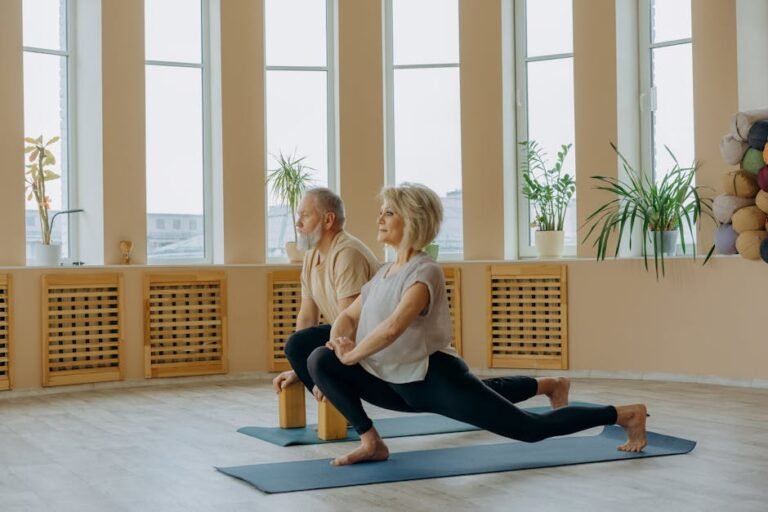
You don’t need a yoga studio or a complicated routine to experience the benefits. The following poses are designed specifically with seniors in mind — gentle, chair-friendly, and easy to adapt to your current mobility level. Always keep a sturdy chair, a wall, or both within reach, and remember: if something doesn’t feel right, ease back. Pain is never the goal.
Seated Mountain Pose with Breath: Sit toward the edge of a sturdy chair, feet flat on the floor about hip-width apart. Sit tall, lengthening your spine, and let your shoulders drop away from your ears. Inhale slowly to lift the chest slightly; exhale to soften. Aim for four to six slow, smooth breaths. This simple starting pose grounds you, opens the chest, and signals to your nervous system that it’s time to wake up gently.
Seated Cat-Cow: With your hands resting on your knees, inhale and arch your back gently, lifting the chest (this is the “cow” position). Exhale and round your spine, tucking the chin slightly (this is the “cat” position). Move with your natural breathing rhythm for six to eight breaths. This dynamic movement warms the spine beautifully and helps get circulation moving through the back and core.
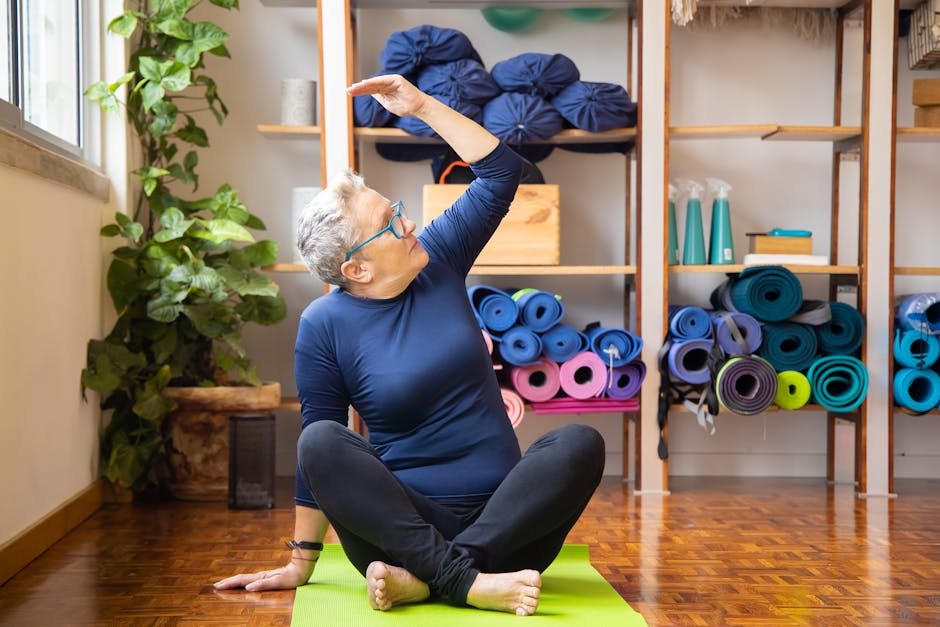
Gentle Side Stretch: Sitting tall, inhale and raise one arm overhead. Exhale and lean gently to the opposite side, keeping both sit bones grounded on the chair. Hold for three to five breaths, then switch sides. This stretch opens the sides of the ribcage, creating more space for your lungs to expand with each breath.
Seated Forward Bend: Sit tall with your feet flat and knees slightly bent. On an exhale, hinge forward from the hips, letting your chest move toward your thighs and your hands rest on your shins or the chair seat. Breathe here for three to five breaths, easing a little deeper with each exhale. This pose encourages the parasympathetic nervous system — your body’s “rest and digest” mode — which paradoxically helps you feel more refreshed and energised afterward.
Seated Twist: Sit tall, place one hand on the opposite knee and the other lightly on the side of the chair. Gently rotate your torso toward the chair side, keeping your hips squared forward. Hold for three to four breaths per side. Twists are wonderful for stimulating circulation through the organs and refreshing the spine.
Wall-Supported Warrior II: Standing near a wall or chair for balance, step one foot back and bend the front knee, extending your arms at shoulder height and gazing softly over your front hand. Hold for three to five breaths, then switch sides. This standing pose builds leg strength and cultivates a sense of empowerment and vitality — both of which translate into real-world energy.
Tree Pose with Support: Standing near a wall or lightly holding a chair, place one foot on the opposite ankle or lower calf (never the knee). Hold for four to six breaths, then switch. Balance poses like Tree Pose improve focus and body awareness, which can help you feel more alert and present throughout the day.
Legs-Up-the-Wall: Sit next to a wall, lie back, and swing your legs up so they rest gently against the wall. (If that’s not comfortable, simply rest your legs on the seat of a chair.) Close your eyes softly and take four to six slow, deep breaths. This restorative position uses gravity to encourage circulation back toward the heart and is one of the most effective yoga poses for reducing fatigue.
A Practical 12–15 Minute Energising Sequence You Can Do Today
One of the most common barriers to starting a new health habit is feeling like you don’t have enough time. The wonderful thing about this yoga for seniors routine is that you can get meaningful benefits in just twelve to fifteen minutes. Here’s how to put it all together:
Begin with Seated Mountain Pose for one to two minutes, focusing on long, smooth breaths. Move into Seated Cat-Cow for another one to two minutes to warm the spine. Then flow through the Side Stretch (about thirty to sixty seconds per side), the Seated Forward Bend (one to two minutes), and the Seated Twist (thirty to sixty seconds per side). If you feel steady, move to Wall-Supported Warrior II (two to three minutes, alternating sides) and Tree Pose with support (two to three minutes, alternating sides). Finish with Legs-Up-the-Wall or legs on a chair for two to four minutes of genuine rest and circulation support. As a beautiful optional closing, spend two to four minutes on Alternate Nostril Breathing or gentle Ujjayi Breath to leave you feeling centred and refreshed.
Breathing Techniques That Supercharge Your Energy
Don’t underestimate the power of breathwork — it’s often the most overlooked part of a yoga practice, yet it can deliver some of the most immediate results. Two techniques are particularly well-suited for seniors looking to boost their energy.
Alternate Nostril Breathing (Nadi Shodhana): Sit comfortably tall. Use your right thumb to close your right nostril and inhale slowly through the left. Then close the left nostril with your right ring finger and exhale through the right. Inhale through the right, then close the right nostril and exhale through the left. That’s one complete round. Aim for four to six rounds at a gentle, unhurried pace. This technique is known for its ability to balance and calm the nervous system while leaving you feeling clear and alert.
Gentle Ujjayi Breath: With your mouth closed, create a very soft constriction at the back of your throat — just enough to make a faint ocean-wave sound as you breathe. Inhale and exhale slowly through the nose. This breath cultivates focus and a beautifully steady, sustained energy. If you feel lightheaded or breathless at any point during breathwork, simply return to normal breathing and rest.
What You Can Do: Practical Tips for Making Yoga a Lasting Habit
Starting something new is always the hardest part. Here are some friendly, realistic strategies to help you build a yoga for seniors routine that actually sticks:
- Start small and be proud of it. Even five to ten minutes of daily practice adds up meaningfully over a week. A short session done consistently beats a long session done occasionally every time.
- Pick a predictable time. Many seniors find a short morning session sets a positive tone for the whole day. Others prefer a gentle wind-down practice before bed. Choose what feels natural for your lifestyle.
- Create a simple, welcoming space. A quiet corner with a sturdy chair, a non-slip mat, and comfortable lighting makes practice feel inviting rather than like a chore. You might even keep a light blanket and water bottle nearby.
- Use gentle reminders. A sticky note on the bathroom mirror, a calendar entry, or a phone alarm can be the gentle nudge you need on days when motivation is lower.
- Track progress with kindness. Notice which poses feel a little easier week by week, or when your breathing becomes more comfortable and natural. Celebrate these small wins — they’re real progress.
- Link yoga to something you already do. Pairing your practice with an existing habit — such as right after morning tea, or before your favourite TV programme — makes it much easier to maintain.
- Progress gradually and gently. As your body adapts over time, you can add an extra breath to each pose or extend the overall sequence by a few minutes. There’s no rush, and slower progress is still progress.
- Consider supportive props. A good quality yoga block, a non-slip chair mat, or a supportive yoga strap can make poses more comfortable and accessible. These are simple, affordable investments in your wellbeing.
Staying Safe: What Every Senior Should Know Before Starting Yoga
Yoga for seniors is wonderfully safe when approached thoughtfully — but there are a few important precautions worth keeping in mind. If you’ve had recent surgery, or if you have knee or hip replacements, high blood pressure, glaucoma, or any other significant health concerns, please have a quick conversation with your doctor before beginning a new exercise routine. This is simply good sense, not a reason to be discouraged.
Always use a chair or wall for support in standing poses. Move slowly, breathe consistently, and never push into pain. Avoid positions that compress the abdomen or involve strong inversions without proper guidance. Stay well hydrated before and after practice, and don’t practice immediately after a large meal. Wear comfortable, non-restrictive clothing and always practice on a non-slip surface.
If at any point during practice you experience dizziness, shortness of breath, chest pain, or faintness, stop immediately, sit down, and rest. If symptoms don’t resolve quickly, seek medical advice. Your safety always comes first — and honouring that boundary is itself an act of self-care.
The Bottom Line: Energy isn’t something you have to simply accept running low on as you get older. A gentle, consistent yoga for seniors practice — even just ten to fifteen minutes a day — can meaningfully improve your circulation, breathing, mood, and overall vitality. The poses and breathing techniques outlined here are designed to be safe, accessible, and genuinely enjoyable, with easy modifications to suit your current ability. Start small, be patient with yourself, listen to your body, and let your breath guide you. You deserve to feel energised, capable, and fully engaged with the life you love — and this is a wonderful, practical step in that direction.
This is not medical advice. Consult your healthcare provider before starting any new health routine or using any product mentioned here.