Evening Mindfulness Routine for Seniors: A Gentle Step-by-Step Guide to Better Sleep and Calm
This post contains affiliate links. As an Amazon Associate, I earn from qualifying purchases at no extra cost to you.
Free resources — no credit card required for trial
🎧 Listen to health & wellness audiobooks free for 30 days
Start 30-Day Free Trial →
🛒 Recommended Products
As an Amazon Associate we earn from qualifying purchases at no extra cost to you.
TheraBand First Step to Active Health Kit — Senior Exercise Program for Balance and Fall P
$19.99
EZ Off Jar Opener for Seniors — Under Cabinet Jar Opener for Weak Hands and Arthritis
$9.99
Omron 5 Series Upper Arm Blood Pressure Monitor — 2-User 100-Reading Memory Wide-Range Cuf
$44.99
OMRON 7 Series Wireless Wrist Blood Pressure Monitor — Clinically Validated with Connect A
$69.99
Vitality 4 Life Senior Resistance Band with Instruction Guide — Specifically for Elderly F
$16.99
📚 Read unlimited health books free for 30 days
Try Kindle Unlimited Free →
If you find yourself lying awake at night with a busy mind, or waking up feeling like you never really switched off, you’re not alone. Many older adults struggle to wind down after a full day, and the transition from “doing” to “resting” doesn’t always come easily. The good news is that a simple, gentle evening mindfulness routine for seniors can make a real difference — not just to how quickly you fall asleep, but to how calm, comfortable, and in control you feel each night. This isn’t about sitting cross-legged on the floor or achieving some kind of perfect inner silence. It’s about giving yourself a few quiet, intentional minutes to breathe, soften, and let the day go. And the best part? You can do it from your favourite chair or your own bed.
Why an Evening Mindfulness Routine Is So Valuable for Older Adults
As we age, our relationship with sleep often changes. Stress, physical discomfort, and the habit of carrying the day’s worries right into bed can all make rest harder to find. Mindfulness — the practice of gently paying attention to the present moment with kindness — offers a natural, drug-free way to ease that transition between wakefulness and sleep. It’s not about forcing relaxation; it’s about creating the right inner conditions for it to arrive on its own.
For seniors especially, the evening hours can sometimes feel restless or anxious. Worries about health, family, finances, or tomorrow’s appointments have a way of surfacing when the distractions of the day fall away. A structured mindfulness routine gives your mind something gentle and purposeful to focus on instead, gradually training your nervous system to associate the evening with calm rather than tension.
Research consistently supports the idea that mindfulness-based practices can improve sleep quality, lower stress hormones, ease muscle tension, and support a more positive mood. And unlike many wellness trends, this one is completely adaptable — whether you’re fully mobile or managing physical limitations, whether you live alone or share a room, there’s a version of this routine that works for you.
What You’ll Need to Get Started
One of the most wonderful things about an evening mindfulness routine for seniors is that it requires almost nothing in the way of equipment or expense. Comfort is the priority, so gather a few simple things before you begin. A comfortable chair with good back support is ideal if you prefer to stay upright; your bed works perfectly well if you’d rather lie down. A light blanket or shawl for warmth, a small glass of water, and a timer (your phone’s basic timer is absolutely fine) are all you really need.
Set the mood with soft lighting — a lamp or dimmed overhead light works well. Try to avoid bright screens like televisions or tablets just before you start, as that kind of stimulation can work against the calming effect you’re aiming for. Some people enjoy a few minutes of quiet, soothing background music to help settle the atmosphere, and others prefer complete silence. Both are perfectly valid. You might also find it helpful to keep a small notepad nearby so you can jot down any nagging thoughts before you begin — getting them out of your head and onto paper can make it much easier to let them go during your practice.
A Step-by-Step Evening Mindfulness Routine You Can Start Tonight
The routine below takes around 20 to 30 minutes in full, though you can easily shorten it to 10 to 15 minutes when you’re first starting out. Move through each stage gently and without rushing. There’s no wrong way to do this — the only goal is your comfort and calm.
Set the scene (2–3 minutes). Dim the lights, silence your devices, and settle into your chosen position. If you’re seated, let your feet rest flat on the floor and your hands lie softly in your lap. If you’re lying down, place a pillow under your head and a small rolled towel under your knees for gentle support. Take a moment to simply notice where you are — the temperature of the room, the sounds around you, the feeling of the chair or mattress beneath you. Decide, with kindness, to give this time entirely to yourself.
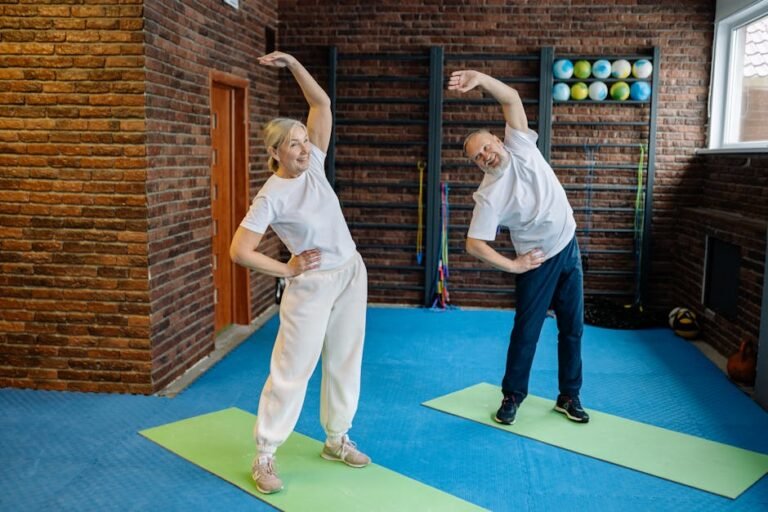
Gentle movement to release tension (2–4 minutes). Slowly roll your shoulders up, back, and down a few times. Tilt your head gently from side to side. Stretch your arms overhead for one breath, then relax them. Wiggle your toes and rotate your ankles. These aren’t exercises — they’re just gentle invitations for your body to soften and let go. Move slowly, and stop if anything feels uncomfortable.
Body scan (3–5 minutes). Close your eyes or soften your gaze. Starting at the crown of your head, slowly move your attention down through your body — face, jaw, neck, shoulders, arms, hands, chest, stomach, hips, thighs, knees, calves, feet. You’re not trying to fix anything; you’re simply noticing. If you find an area of tightness or discomfort, imagine a gentle warmth or a soft breeze melting it just a little. If your mind wanders (and it will — that’s completely normal), simply notice that it has wandered and gently bring your attention back.
Breathing for calm (5–7 minutes). Place one hand on your belly. Breathe in slowly through your nose, feeling your belly rise. Breathe out gently through slightly parted lips, feeling it fall. Try inhaling for about four counts, pausing for one, and exhaling for six. This longer exhale activates your body’s natural relaxation response. If counting feels distracting, simply breathe slowly and evenly at whatever pace feels comfortable. If at any point you feel lightheaded or short of breath, return to your normal breathing straight away.
Mindful awareness (3–5 minutes). Choose one simple focus: your breath, the sounds around you, or the feeling of your body resting against the chair or bed. When thoughts arise — and they will — acknowledge them without judgment and gently return to your chosen focus. Think of it like a friendly redirect rather than a battle. You’re not trying to empty your mind; you’re practicing coming back to the present moment, again and again, with patience.
Gratitude and gentle close (2–3 minutes). Take a few easy breaths and notice how your body feels compared to when you started. Then silently name three small things you’re grateful for from today — a kind word, a good meal, a moment of sunshine. Finally, set a gentle intention for sleep: something simple like “May I rest deeply and wake refreshed.” Place your hand on your heart for a moment, then slowly open your eyes when you’re ready.
Practical Tips for Keeping Your Evening Mindfulness Routine Safe and Comfortable
A good routine adapts to you — not the other way around. Here are some practical ways to make your evening mindfulness practice as safe, enjoyable, and sustainable as possible:
- Choose your position wisely. If you have back, neck, or joint pain, a supportive chair is often the most comfortable option. Lying down in bed is equally valid — whatever allows you to relax without discomfort.
- Breathe at your own pace. Start with shorter inhales and exhales if the suggested counts feel like too much. You can gradually extend them as you become more comfortable over time.
- Never push through pain. If any movement or position causes discomfort, skip it or find a gentler version. This practice is meant to help you feel better, not worse.
- Time it right. Try to finish your routine at least 30 to 60 minutes before you plan to sleep, to give your body and mind time to fully settle before you close your eyes for the night.
- Clear your space. Remove clutter and any trip hazards from the area where you practise. Safety always comes first, especially if you move around during the routine.
- Make it accessible. Write out the steps in large print and keep them on a card near your chair or bed. You could even record yourself reading the steps aloud to use as a gentle audio guide.
- Adapt for your living situation. If you share a room, let the people you live with know about your new routine so they can give you a few quiet minutes. If space is limited, a seated version of every step works beautifully.
- Check with your doctor if needed. If you have dizziness, a heart or lung condition, glaucoma, or have had recent surgery, have a quick conversation with your healthcare provider about which elements of the routine are best suited to you.
Building Consistency: How to Make Evening Mindfulness a Lasting Habit
Like most good habits, the benefits of an evening mindfulness routine grow with consistency. The key is to start small and be genuinely kind to yourself about it. Aim for about 10 to 15 minutes most evenings to begin with — that’s really all it takes to start noticing a difference. As the routine begins to feel more natural, you can extend it gradually if you’d like.
Choosing a regular time helps enormously. Right after dinner or just before bed works well for most people, because your body begins to learn that this time of day signals “wind-down.” It becomes a cue, much like brushing your teeth, that tells your nervous system sleep is coming. Over days and weeks, that association deepens, and settling into calm becomes easier and easier.
Some nights, your mind will feel busier than others. Some evenings you might feel restless, distracted, or just not in the mood. That’s completely normal, and it doesn’t mean the practice isn’t working. The gentle return to your breath or your body scan — even when it’s effortful — is itself the practice. Think of it not as a failure to relax, but as a small act of self-care that you showed up for regardless. That counts for a great deal.
Keeping a simple habit tracker — even just a tick on a calendar for each evening you complete your routine — can be surprisingly motivating. Over time, you may start to notice that you’re falling asleep more easily, waking less during the night, feeling less overwhelmed by daily stresses, and experiencing a greater sense of physical ease in the evenings. These changes often arrive quietly, but they are real and meaningful.
The Positive Changes You May Notice Over Time
When you practise an evening mindfulness routine regularly, the benefits can extend well beyond a single good night’s sleep. Many seniors who adopt this kind of gentle evening practice report a gradual improvement in overall sleep quality — drifting off more easily, sleeping more deeply, and waking feeling more refreshed. Over time, the cumulative effect of better sleep touches almost every aspect of health and daily life.
Beyond sleep, mindfulness can help you respond to everyday stress with more patience and calm. When you practise returning to the present moment each evening, you’re gently training a mental habit that carries over into the day. Small frustrations begin to feel more manageable. Your mood tends to feel steadier. Physical tension in muscles and joints — especially common in older adults — may ease with regular relaxation practice, making those evening hours genuinely more comfortable.
There’s also something deeply nourishing about the act of regularly setting aside time just for yourself. In a season of life that can sometimes feel defined by obligations or limitations, an evening mindfulness routine is a quiet, consistent reminder that you matter, that your rest matters, and that you are capable of creating real well-being for yourself — one gentle breath at a time.
The Bottom Line: An evening mindfulness routine for seniors doesn’t need to be complicated, expensive, or time-consuming to make a real and lasting difference. With just 10 to 30 minutes of gentle breathing, body awareness, and gratitude each evening, you can help your mind and body shift naturally into rest mode — improving sleep quality, reducing tension, and bringing a little more calm and steadiness into your days. Start small, be patient with yourself, and know that every single evening you choose to show up for this practice is an investment in your own well-being. You deserve restful nights, and you absolutely have the ability to create them.
This is not medical advice. Consult your healthcare provider before starting any new health routine or using any product mentioned here.