Simple Lifestyle Changes for More Energy in Later Life: Your Practical Guide to Feeling Vital Every Day
This post contains affiliate links. As an Amazon Associate, I earn from qualifying purchases at no extra cost to you.
Free resources — no credit card required for trial
🎧 Listen to health & wellness audiobooks free for 30 days
Start 30-Day Free Trial →
🛒 Recommended Products
As an Amazon Associate we earn from qualifying purchases at no extra cost to you.
TheraBand First Step to Active Health Kit — Senior Exercise Program for Balance and Fall P
$19.99
EZ Off Jar Opener for Seniors — Under Cabinet Jar Opener for Weak Hands and Arthritis
$9.99
Omron 5 Series Upper Arm Blood Pressure Monitor — 2-User 100-Reading Memory Wide-Range Cuf
$44.99
OMRON 7 Series Wireless Wrist Blood Pressure Monitor — Clinically Validated with Connect A
$69.99
Vitality 4 Life Senior Resistance Band with Instruction Guide — Specifically for Elderly F
$16.99
📚 Read unlimited health books free for 30 days
Try Kindle Unlimited Free →
Do you find yourself running low on steam before the day is even halfway done? You’re not alone. Many adults notice a gradual shift in their energy levels as the years go by — tasks that once felt effortless now seem to take a little more out of you, and by mid-afternoon, the sofa can look very appealing. But here’s the encouraging news: simple lifestyle changes for more energy in later life are absolutely within reach. You don’t need a dramatic overhaul, an expensive supplement plan, or a gruelling fitness routine. Instead, small, consistent tweaks to the way you eat, move, sleep, and connect with others can add up to a genuine, lasting difference in how vibrant and capable you feel each day. Let’s walk through exactly how to do it.
Why Energy Changes As We Age — And Why It Doesn’t Have to Stay That Way
It’s perfectly normal for energy levels to shift as we get older. Changes in muscle mass, hormones, sleep patterns, and even appetite all play a role. But “normal” doesn’t mean inevitable or permanent. The human body remains remarkably responsive to positive lifestyle habits well into our seventies, eighties, and beyond. What matters most is working with your body rather than pushing against it.
The key insight is that energy is not one single thing. It’s the sum of many small parts — how well you slept last night, what you had for breakfast, whether you moved your body even a little, and whether you felt connected to someone you care about. When you start tending to each of these areas, the cumulative effect can be genuinely surprising. People often report feeling more alert, more motivated, and more capable once they begin making even modest changes.
The approach here is always gentle, safe, and gradual. If you have chronic health conditions or take regular medications, it’s always wise to check with your doctor before making significant changes — particularly around exercise or new eating plans. That said, most of these suggestions are low-risk, practical, and easy to begin today.
Fuelling Your Body for Steady, All-Day Energy
What you eat has an enormous impact on how energised you feel throughout the day. Think of food as fuel: the right mix keeps your engine running smoothly, while the wrong mix leads to peaks and crashes. The goal is to keep your blood sugar steady and your muscles well-nourished.
Protein deserves special attention. It helps protect and maintain muscle mass — something that becomes increasingly important as we age — and it keeps you feeling satisfied for longer after meals. Try to include a good protein source at every meal. Eggs, yoghurt, cottage cheese, beans, lentils, tofu, fish, or chicken are all excellent choices. A breakfast of scrambled eggs with spinach on a slice of whole-grain toast, or a bowl of yoghurt with berries and a sprinkle of chopped nuts, will set you up far better than a sugary cereal or a plain piece of toast.
Equally important are steady, slow-release carbohydrates. Whole grains like oats, brown rice, and whole-wheat bread, along with plenty of vegetables and fruit, release energy gradually rather than causing sharp blood sugar spikes and crashes. A useful visual guide for your plate: aim for half vegetables and fruit, a quarter lean protein, and a quarter whole grains or starchy vegetables. Snacks matter too — a small handful of nuts, some carrot sticks with hummus, or a piece of fruit with a little cheese can prevent that dreaded mid-afternoon slump. And don’t forget hydration: a glass of water with each meal supports digestion and overall energy, especially if your sense of thirst has become a little less reliable than it used to be.
Gentle Movement: The Energy Booster You Might Be Underestimating
It might seem counterintuitive — if you’re tired, why would you move more? But physical activity is one of the most powerful and well-established energy boosters available. Regular movement improves mood, supports better sleep, builds strength, and increases stamina over time. The trick is to start small, stay safe, and build gradually.
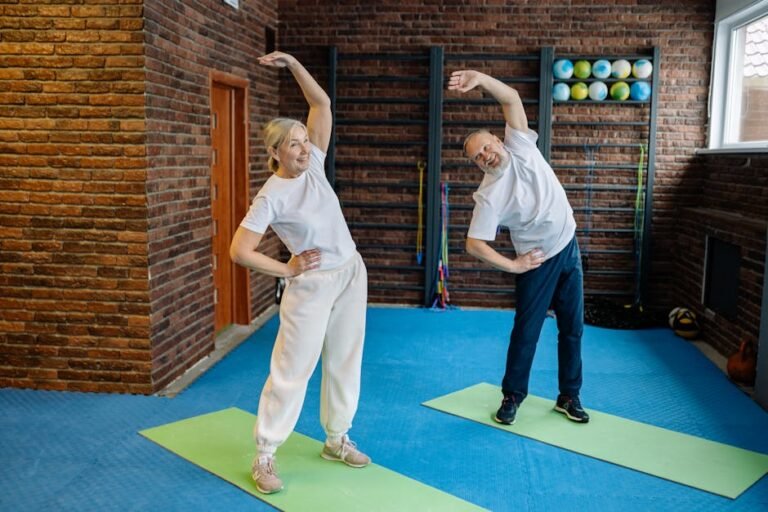
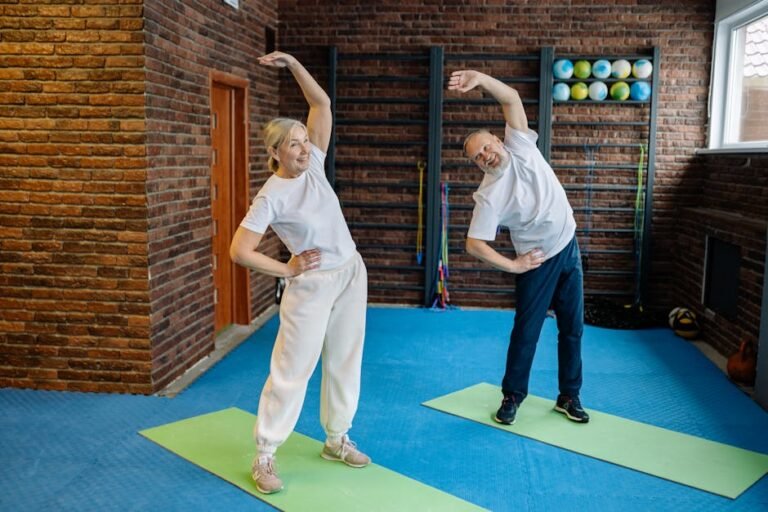
If you haven’t been very active recently, begin with just 10 minutes of movement most days. A gentle stroll around the block, a slow walk through a park, or even laps around a shopping centre all count. If mobility is a concern, chair-based exercises are wonderfully effective — seated leg extensions, gentle arm raises with light weights or small water bottles, and careful stretches can all be done from the comfort of your armchair, even while watching television. Simple resistance exercises using light resistance bands or one- to two-pound weights can also help with everyday tasks like getting up from a chair or climbing stairs, which in turn gives you more energy for the things you enjoy.
Balance and flexibility work — like slow heel-to-toe walking along a safe surface, ankle circles, or chair-based tai chi — build confidence and reduce the risk of falls. Always warm up for a few minutes (marching on the spot or gentle shoulder rolls work well) and cool down with some light stretching afterwards. And remember: having a movement “buddy” — a friend, neighbour, or family member — can make all the difference to staying motivated. Treat your movement time like an appointment you wouldn’t cancel.
Sleep Well, Wake Refreshed: Simple Lifestyle Changes for More Energy Overnight
If there’s one lifestyle factor that has an almost immediate effect on energy, it’s sleep. Poor sleep leaves us foggy, irritable, and exhausted — yet many older adults struggle with it without realising there are practical steps that can genuinely help. Quality matters just as much as quantity, and small changes to your bedtime routine can make a noticeable difference.
Start with consistency. Try to go to bed and wake up at roughly the same time every day, including weekends. This helps regulate your body’s internal clock, making it easier to fall asleep and wake feeling more refreshed. In the hour or so before bed, create a calming wind-down routine: dim the lights, do some gentle stretching, take a warm bath, or read a book. Your bedroom environment matters too — a cool, quiet, and dark room tends to promote the best sleep. If noise or light is an issue, earplugs, an eye mask, or a white-noise machine can help.
Be mindful of what you eat and drink in the hours before bed. Limit caffeine after early afternoon, avoid heavy meals late in the evening, and go easy on alcohol — despite the way it can make you feel drowsy initially, alcohol is known to disrupt sleep quality later in the night. If you enjoy a nap during the day, keep it short (20 to 30 minutes) and take it earlier rather than later, so it doesn’t interfere with your overnight sleep. If sleep problems persist despite these changes, it’s well worth mentioning to your healthcare provider, as ongoing poor sleep can significantly affect both energy and mood.
Mental Well-Being and Social Connection: The Hidden Energy Reserves
Energy isn’t purely physical. How we feel emotionally and mentally has a profound effect on how much get-up-and-go we have each day. Stress, loneliness, and a lack of purpose can be surprisingly draining — while connection, meaning, and a positive mindset can be genuinely energising.
Simple breathing exercises are a wonderful tool for managing stress and clearing mental fog. Try inhaling for four counts, holding for four, and exhaling for six. Just a few minutes of this each day can calm your nervous system and help you think more clearly. Similarly, taking a moment each morning or evening to notice something you’re grateful for — even something small — can gradually shift your overall mood and outlook. It sounds simple, but the research supporting this kind of mindful gratitude practice is quite compelling.
Social connection is equally vital. Regular contact with people you care about — whether in person, by phone, or via video call — supports motivation and mood in ways that few other things can. If you find yourself feeling isolated, consider joining a local class, a gentle walking group, or a hobby club. Volunteering, even in a small way, can provide a powerful sense of purpose and belonging that translates directly into more energy for everyday life.
What You Can Do: A Practical Daily Energy Plan
Knowing what helps is one thing — actually doing it is another. Here are some practical, actionable steps you can start weaving into your day, beginning with just one or two that appeal to you most:
- Start the morning with light and protein: Spend 10 to 15 minutes near a window or outside, and eat a protein-rich breakfast such as eggs, yoghurt with berries and nuts, or whole-grain toast with nut butter.
- Add a 10-minute morning movement session: A gentle walk, a few chair-based stretches, or a short resistance band routine gets the blood flowing and sets a positive tone for the day.
- Build a balanced lunch: Include lean protein, plenty of vegetables, and a modest portion of whole grains. Avoid very large meals, which can make you feel sluggish.
- Stay hydrated throughout the day: Keep a reusable water bottle nearby, or sip fluids at set times like with each meal. Herbal teas, soups, and milk all count.
- Schedule a social moment each afternoon: A phone call with a friend, a short visit, or even a friendly chat during a walk can lift your energy noticeably.
- Create a genuine wind-down routine before bed: Dim the lights, put down screens, do some gentle stretching, and aim for a consistent bedtime every night.
- Celebrate small wins: Notice when you walk a little further, stay awake more easily through the evening, or feel more alert after a meal. These are real progress markers worth acknowledging.
- Introduce changes one at a time: Pick one or two things to focus on first, and add another when those feel comfortable. Consistency always beats perfection.
If anything feels off during activity — unusual fatigue, shortness of breath, chest discomfort — stop and check in with a healthcare professional. Safety always comes first.
Building a Sustainable Routine That Actually Sticks
The biggest trap people fall into when trying to improve their energy is going too hard, too fast — and then giving up when it feels unsustainable. The secret to real, lasting change is to make it gentle enough that it feels doable on your worst days as well as your best. A 10-minute walk is infinitely more valuable than a 30-minute walk you never actually take.
Think of building energy as tending a garden rather than flipping a switch. You water it a little each day, make small adjustments as the seasons change, and over time something beautiful grows. The same is true for your health. You might not notice dramatic changes in the first week, but over a month or two, people who make these kinds of consistent small changes often find they’re sleeping better, feeling stronger, enjoying meals more, and simply feeling more like themselves again.
Be kind to yourself throughout this process. Rest when your body needs it. Ask for help when you want it — from family, friends, or healthcare providers. And remember that every single positive step, no matter how small it seems, is moving you in the right direction.
The Bottom Line: Simple lifestyle changes for more energy in later life don’t require a gym membership, a complicated diet plan, or a complete reinvention of your daily routine. By gradually improving what you eat, how you move, how you sleep, how you hydrate, and how you nurture your mental well-being and social connections, you can genuinely reclaim vitality and feel more awake, engaged, and capable of enjoying life. Start with one small step today — a nourishing breakfast, a short gentle walk, or a phone call to someone you love — and build from there. Your energy is waiting for you.
This is not medical advice. Consult your healthcare provider before starting any new health routine or using any product mentioned here.