Diabetes and Hearing Loss: What Every Senior Should Know to Protect Their Hearing Health
This post contains affiliate links. As an Amazon Associate, I earn from qualifying purchases at no extra cost to you.
Free resources — no credit card required for trial
🎧 Listen to health & wellness audiobooks free for 30 days
Start 30-Day Free Trial →
🛒 Recommended Products
As an Amazon Associate we earn from qualifying purchases at no extra cost to you.
TheraBand First Step to Active Health Kit — Senior Exercise Program for Balance and Fall P
$19.99
EZ Off Jar Opener for Seniors — Under Cabinet Jar Opener for Weak Hands and Arthritis
$9.99
Omron 5 Series Upper Arm Blood Pressure Monitor — 2-User 100-Reading Memory Wide-Range Cuf
$44.99
OMRON 7 Series Wireless Wrist Blood Pressure Monitor — Clinically Validated with Connect A
$69.99
Vitality 4 Life Senior Resistance Band with Instruction Guide — Specifically for Elderly F
$16.99
📚 Read unlimited health books free for 30 days
Try Kindle Unlimited Free →
Picture a quiet morning — the coffee pot gurgling on the counter, the radio softly sharing the day’s weather, your grandchild’s laughter drifting across the kitchen table. These small moments matter more than we often realise, and for many seniors living with diabetes, hearing loss can slowly steal them away. Here’s something that doesn’t get talked about nearly enough: diabetes and hearing loss are closely connected, and if you’re managing diabetes, your ears deserve just as much attention as your blood sugar levels. The encouraging news? There are clear, practical steps you can take right now to protect your hearing, catch problems early, and stay fully connected to the world around you.
The Real Connection Between Diabetes and Hearing Loss
So why would a condition that’s all about blood sugar have anything to do with your ears? It turns out the inner ear is remarkably sensitive to the kind of damage that high blood sugar can cause over time. Your inner ear depends on a network of tiny blood vessels to deliver the oxygen and nutrients it needs to function properly. When blood sugar stays elevated for extended periods, those delicate vessels can become damaged — and when they stop working well, your hearing can suffer.
It doesn’t stop there. Diabetes can also affect the nerves throughout your body, including those in the ear and the parts of the brain responsible for processing sound. If those nerves aren’t firing as they should, sounds may reach your ears but still feel muffled, distant, or unclear. There’s also the added complication that diabetes raises your risk of ear infections and inflammation, both of which can chip away at your hearing over time.
Research consistently shows that people with diabetes are more likely to experience some degree of hearing loss compared to those without the condition, particularly as we age. It’s important to understand that not every person with diabetes will lose their hearing, and not every case of hearing loss is caused by diabetes. But the link is real, and being aware of it puts you in a much stronger position to protect yourself. Managing related factors like blood pressure, cholesterol, and weight — all of which often go hand in hand with diabetes — also plays a meaningful role in how well your ears hold up over the years.
Warning Signs of Hearing Loss You Shouldn’t Ignore
One of the trickiest things about hearing loss is that it tends to creep up gradually. You might not notice it at first — or you might chalk it up to background noise or people simply mumbling. But there are specific warning signs worth paying attention to, especially if you have diabetes.
Ask yourself honestly: do sounds seem more muffled or less crisp than they used to? Are you turning up the television louder than others in the room prefer? Do you find yourself asking people to repeat themselves more often, particularly in busy or noisy environments like restaurants or family gatherings? These are classic early signs that your hearing may be changing. You might also notice ringing, buzzing, or humming sounds that have no obvious source — this is called tinnitus, and it’s surprisingly common among people with diabetes-related hearing changes.
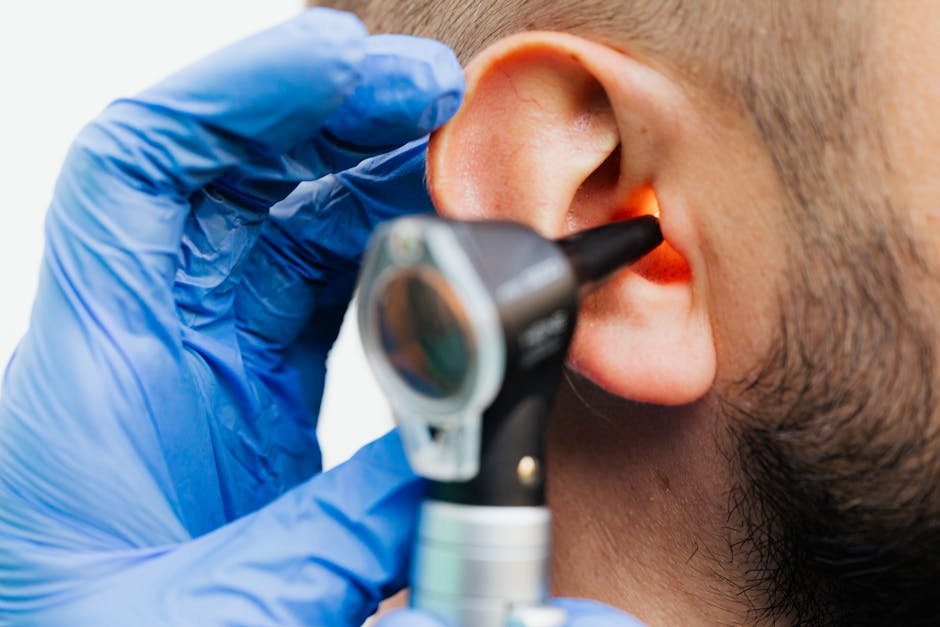
Other signs to watch for include a feeling that your ears are blocked or “full,” occasional ear pain or discharge, and balance problems or unexplained dizziness. Balance and hearing are handled by the same part of the inner ear, so when one is affected, the other can be too. If any of these symptoms sound familiar, don’t wait to get checked out. A simple hearing assessment can catch changes early, and early action almost always leads to better outcomes. Mention any symptoms to your doctor or ask for a referral to an audiologist — an ear specialist who can give you a thorough evaluation.
How to Protect Your Hearing When You Have Diabetes
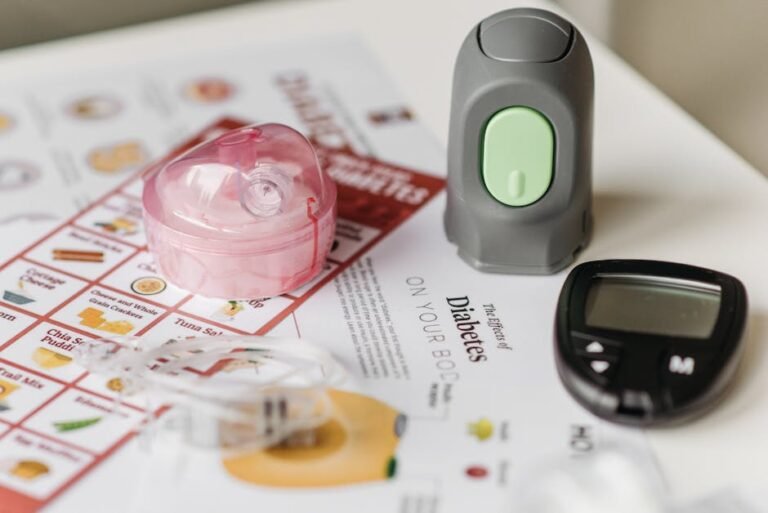
The most powerful thing you can do for your hearing health when you have diabetes is to take your diabetes management seriously. Keeping your blood sugar within the range your doctor recommends is genuinely one of the best gifts you can give your ears. Consistently elevated blood sugar is what causes damage to those tiny ear blood vessels over time, so sticking to your meal plan, taking medications as prescribed, and monitoring your levels regularly all help protect your hearing in ways that might not be immediately obvious.
Managing blood pressure and cholesterol matters too, because both affect blood flow throughout the body — including to your ears. Work with your healthcare team on a plan that suits your lifestyle, whether that includes medication, dietary changes, or gentle regular movement. Physical activity, even light walking, supports circulation and helps with overall diabetes control, giving your ears the steady blood supply they need.
Protecting your ears from loud noise is another key step that people often overlook. Whether it’s a lawn mower, a concert, power tools, or even a very loud television, prolonged noise exposure can accelerate hearing damage. And if you smoke, quitting is one of the most impactful things you can do — smoking raises the risk of hearing loss and compounds the circulation problems that diabetes can already cause. It’s also worth staying up to date with vaccinations like the flu and pneumonia shots, as respiratory infections can sometimes spread to the ear and cause hearing complications.
What You Can Do: Practical Tips for Protecting Your Hearing Every Day
Small, consistent habits add up to big results over time. Here’s a practical list of things you can start doing right away to keep your hearing as healthy as possible while managing diabetes:
- Schedule a hearing check every one to two years — or sooner if you notice any changes. If you have diabetes, regular hearing assessments should be part of your routine healthcare, just like eye exams and foot checks.
- Keep blood sugar levels stable by following your doctor’s guidance on meals, medication, and monitoring. Consistent levels protect your ear’s tiny blood vessels from damage.
- Use ear protection in loud environments — concerts, DIY projects, noisy events. Inexpensive foam earplugs or reusable ear defenders make a real difference.
- Turn down the volume on headphones, earbuds, and televisions. A good rule of thumb: if someone nearby can hear what you’re listening to through your headphones, it’s too loud.
- Stay hydrated and sleep well — both support overall health and keep your body, including your ears, functioning at its best.
- Tell your doctor about all medications you take, including over-the-counter drugs and supplements. Some medicines can affect hearing, and your care team can help you manage any risks.
- Report dizziness or balance changes promptly — these can signal ear issues or changes in your diabetes management that need attention.
- Stay socially engaged — regular conversation and social connection support mental sharpness and emotional wellbeing, both of which matter for your overall health. If hearing difficulties are making socialising harder, captioned phone services and hearing-friendly community groups can help you stay involved.
- Make simple home safety tweaks — improve lighting, add non-slip mats, and keep walkways clear. Good visibility helps with communication and reduces the risk of falls if you’re feeling unsteady.
- Bring a trusted person to appointments — a family member or friend can help you remember questions, instructions, and follow-up steps.
Treatment Options for Hearing Loss: What’s Available and What Helps
If a hearing test does reveal that your hearing has changed, the good news is that there are genuinely effective options available. Hearing aids are the most common and well-established solution for age-related and diabetes-related hearing loss. Modern hearing aids are smaller, smarter, and more discreet than ever — many connect wirelessly to your phone or television, making daily life significantly easier. An audiologist can help you find a device that suits your lifestyle and budget, and will take the time to show you how to use it comfortably and confidently.
Beyond hearing aids, there are assistive listening devices designed for specific situations — amplified telephones, TV listening systems, and personal sound amplifiers that can make a real difference in your day-to-day life even if you’re not ready for a full hearing aid. Communication strategies are also worth developing. Simple adjustments like facing the person you’re speaking with, reducing background noise, asking for slower speech or repetition, and using good lighting can make conversations noticeably easier.
If tinnitus — that persistent ringing or buzzing — is bothering you, there are options there too. Sound therapy, counselling, and certain lifestyle adjustments have helped many people manage tinnitus more comfortably. It’s worth discussing with your clinician rather than just putting up with it. And if an ear infection is contributing to your hearing difficulties, prompt medical treatment can prevent it from becoming a longer-term problem. For severe, longstanding hearing loss, a specialist might discuss more advanced options, but these decisions are always based on your individual health and personal goals.
Resources and Support: You Don’t Have to Navigate This Alone
Managing diabetes and staying on top of your hearing health can feel like a lot to handle, but there’s a wealth of support available. Organisations like the American Diabetes Association and the National Institute on Deafness and Other Communication Disorders (NIDCD) offer clear, plain-language information online that can help you understand your options without wading through complicated medical jargon. The American Speech-Language-Hearing Association (ASHA) is also a great resource for guidance on hearing tests, hearing aids, and communication strategies.
Your local healthcare team — your primary care doctor, endocrinologist, and audiologist — can tailor recommendations specifically to your situation, taking into account your health history, budget, and lifestyle. It’s also worth contacting your Medicare provider or insurance company to ask about coverage for hearing tests and hearing aids. Some programmes help reduce out-of-pocket costs significantly, and you may be pleasantly surprised by what’s available to you. Local senior centres, libraries, and diabetes support groups can also be valuable sources of education, community connection, and sometimes even free or low-cost hearing screenings.
The Bottom Line: Diabetes and hearing loss are more closely linked than most people realise, but understanding that connection gives you real power to protect yourself. By keeping your blood sugar well controlled, managing blood pressure and cholesterol, protecting your ears from loud noise, and scheduling regular hearing checks, you can take meaningful steps to preserve your hearing and stay connected to the moments and people that matter most. You don’t have to tackle everything at once — start with one or two small changes today, and build from there. With the right care, support, and a little self-advocacy, clearer conversations and more joyful days are absolutely within reach.
This is not medical advice. Consult your healthcare provider before starting any new health routine or using any product mentioned here.