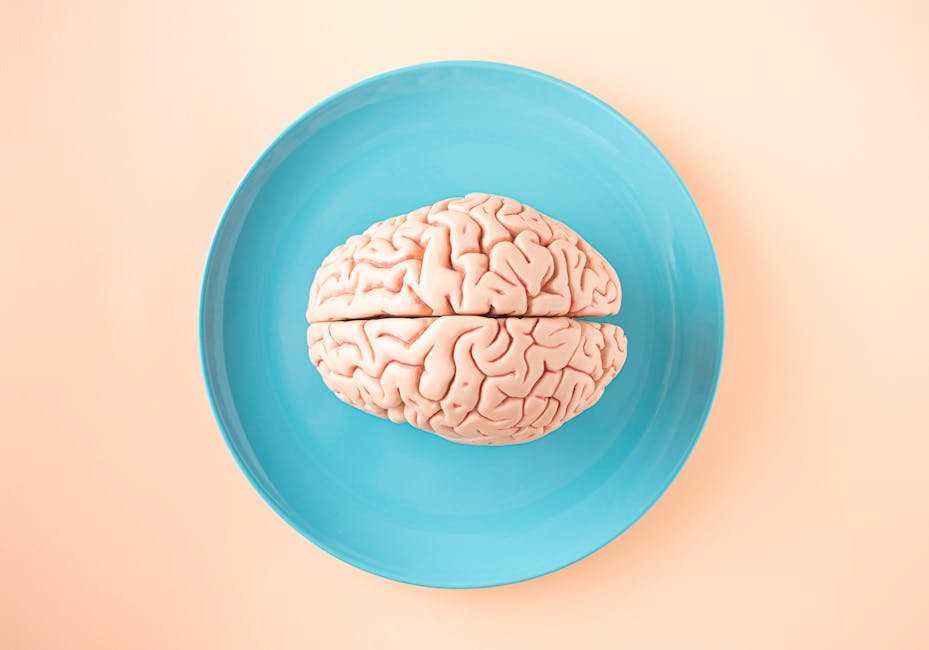
Foods That Boost Brain Function in Older Adults: A Practical Guide to Eating for a Sharper Mind
This post contains affiliate links. As an Amazon Associate, I earn from qualifying purchases at no extra cost to you.
Free resources — no credit card required for trial
🎧 Listen to health & wellness audiobooks free for 30 days
Start 30-Day Free Trial →
🛒 Recommended Products
As an Amazon Associate we earn from qualifying purchases at no extra cost to you.
TheraBand First Step to Active Health Kit — Senior Exercise Program for Balance and Fall P
$19.99
EZ Off Jar Opener for Seniors — Under Cabinet Jar Opener for Weak Hands and Arthritis
$9.99
Omron 5 Series Upper Arm Blood Pressure Monitor — 2-User 100-Reading Memory Wide-Range Cuf
$44.99
OMRON 7 Series Wireless Wrist Blood Pressure Monitor — Clinically Validated with Connect A
$69.99
Vitality 4 Life Senior Resistance Band with Instruction Guide — Specifically for Elderly F
$16.99
📚 Read unlimited health books free for 30 days
Try Kindle Unlimited Free →
If you’ve ever walked into a room and forgotten why you went there, or struggled to recall a name that used to come so easily, you’re not alone — and you’re not powerless. One of the most encouraging discoveries in recent health research is just how much the food on your plate can influence the health of your brain. Yes, the foods that boost brain function in older adults are real, accessible, and genuinely delicious. This isn’t about following a complicated diet or giving up everything you love. It’s about making small, smart choices, day by day, that nourish your mind just as much as your body. Let’s dig in.
Why What You Eat Matters So Much for Your Brain After 50
Your brain is one of the most metabolically active organs in your body. It’s working constantly — regulating your mood, processing memories, managing your senses, and keeping you functioning from morning to night. Like any hard-working engine, it needs the right fuel. As we age, the brain becomes more vulnerable to oxidative stress (essentially, wear and tear at the cellular level), inflammation, and reduced blood flow. The good news? A thoughtful, varied diet can help defend against all of these.
The research in this area has grown considerably over the past two decades. Studies consistently show that people who eat plenty of plant foods, healthy fats, lean proteins, and whole grains tend to maintain sharper cognitive function as they age. No single food is a magic bullet — but a consistent pattern of eating well truly does make a difference. Think of it as long-term care for your most valuable asset.
It’s also worth noting that what’s good for your heart is typically good for your brain. Strong blood flow is essential for delivering oxygen and nutrients to brain cells. So when you choose foods that support cardiovascular health — like olive oil, fatty fish, and leafy greens — you’re simultaneously investing in your brain health. That’s a wonderful two-for-one deal.
The Top Foods That Boost Brain Function in Older Adults
Let’s look at the standout foods you’ll want to be adding to your meals on a regular basis. You don’t need to eat all of these every single day — the goal is variety and consistency over time.
Leafy greens like spinach, kale, and collard greens are among the most powerful brain-protective foods available. They’re rich in folate and antioxidants that support healthy blood flow and may help slow cognitive decline with regular consumption. Aim for one to two cups of cooked greens most days, or double that amount if you’re eating them raw in salads.
Berries — especially blueberries and strawberries — are packed with antioxidants and special plant compounds that help protect brain cells from damage. Research links regular berry consumption with better memory and slower cognitive aging. Keep a bag of frozen berries on hand so you always have some available, even out of season.
Fatty fish such as salmon, sardines, mackerel, and trout are the very best dietary sources of omega-3 fatty acids (particularly DHA and EPA), which are essential building blocks for brain structure and function. Aim for about two servings per week. If fish isn’t your thing, speak with your doctor about omega-3 supplements.
Nuts and seeds, including walnuts, almonds, chia, and flaxseed, deliver a wonderful combination of healthy fats, vitamin E, and other nutrients linked to better brain and heart health. A small handful a day goes a long way. Eggs deserve a mention here too — they’re one of the best dietary sources of choline, a nutrient that plays a direct role in memory and brain function. Enjoy them a few times a week in any form you enjoy.
Whole grains and legumes like oats, quinoa, beans, and lentils provide sustained energy through fibre and B vitamins — helping your brain stay steady and focused throughout the day rather than riding energy spikes and crashes. Olive oil, used as your primary cooking fat, supports both heart health and brain health by improving blood flow. And don’t overlook probiotic foods like yogurt and kefir — a healthy gut is increasingly recognised as important for mood, cognitive energy, and overall brain function through what researchers call the gut-brain axis.
The Gut-Brain Connection: Why Yogurt and Fermented Foods Deserve a Place at the Table
It might seem surprising that something happening in your digestive system could affect how clearly you think, but the science here is genuinely fascinating. Your gut and your brain are in constant two-way communication via the gut-brain axis — a complex network involving nerves, hormones, and the immune system. A well-balanced gut microbiome (the community of healthy bacteria in your digestive tract) has been linked to better mood, lower anxiety, and more consistent cognitive energy.
Probiotic-rich foods like plain yogurt, kefir, and fermented vegetables help support this healthy bacterial balance. The key is to choose low-sugar or plain varieties and jazz them up yourself with fruit and a sprinkle of nuts. A cup of yogurt topped with blueberries and walnuts is, quite literally, a brain-boosting snack that also happens to taste fantastic.
Hydration also plays a role that many people underestimate. Even mild dehydration can affect concentration and memory. Water, unsweetened tea, and milk all count toward your daily fluid intake. Make it a habit to sip consistently throughout the day rather than waiting until you feel thirsty — thirst signals can become less reliable as we age.
What You Can Do: Practical Tips for Eating to Support Your Brain
The best eating plan is one you can actually stick to. Here are some simple, realistic strategies for working more brain-boosting foods into your everyday life without overhauling your kitchen or your schedule.
- Plan a simple weekly template: Aim for one or two fish-based dinners, a couple of meatless meals featuring beans or lentils, leafy greens at most lunches, and fruit at breakfast every day. You don’t need to plan every meal perfectly — just have a loose framework.
- Stock your kitchen with healthy staples: Ready-to-eat berries, a bag of pre-washed greens, canned beans (rinsed to reduce sodium), oats, whole-grain bread, a variety of nuts, and a good bottle of olive oil. If the right foods are in the house, you’ll naturally reach for them.
- Batch-cook on the weekend: A big pot of lentil soup or bean chilli takes about 30 minutes of hands-on effort and gives you several nutritious meals for the week. Grill a few pieces of salmon to reheat quickly during busy evenings.
- Use flavour to keep things exciting: Herbs like basil and parsley, citrus zest, garlic, onions, and spices like turmeric and cumin add incredible flavour without added salt — making healthy food genuinely enjoyable.
- Try a brain-healthy breakfast swap: Replace sugary cereal with oatmeal topped with blueberries, walnuts, and a dollop of yogurt. It takes five minutes and sets up your brain beautifully for the day ahead.
- Make greens easy: If chopping is difficult, buy pre-cut or pre-washed greens. Toss spinach into scrambled eggs, stir kale into a can of soup, or blend a handful into a smoothie — you’ll barely taste it but your brain will thank you.
- Colour your plate: Aim for at least three different colours of fruits or vegetables each day. Orange, red, yellow, green, and purple all signal different antioxidants — so a varied, colourful plate means broader brain protection.
- Limit added sugars and ultra-processed snacks: These can cause energy spikes and dips that aren’t ideal for steady thinking and mood. Swap crisps or biscuits for a small handful of nuts and a piece of fruit.
A Few Important Safety Notes to Keep in Mind
Because this is a practical guide for real people with real health situations, it’s important to mention a few safety considerations alongside all the encouragement. First, if you take blood-thinning medication such as warfarin, you’ll want to keep your intake of leafy greens relatively consistent from week to week. Leafy greens are rich in vitamin K, which can affect how blood thinners work. This doesn’t mean avoiding greens — quite the opposite — but it does mean making changes gradually and in consultation with your doctor.
When it comes to fish, most adults can safely enjoy two servings of fatty fish per week. Choose lower-mercury options like salmon, sardines, trout, and mackerel. It’s wise to limit higher-mercury fish such as swordfish, shark, and king mackerel. If you take any medications, it’s worth checking with your pharmacist about potential food interactions — grapefruit, for example, can interfere with certain common drugs.
Nuts are nutritious but can be a choking hazard for those who have difficulty chewing or swallowing. If that’s a concern, choose nut butters, ground flaxseed, or finely chopped nuts instead. And if you have a nut allergy, seeds like chia, hemp, and sunflower seeds offer many of the same benefits. Finally, if you’re considering adding turmeric or garlic supplements in large quantities, check with your healthcare provider first — particularly if you’re on blood-thinning medication, as these can have mild blood-thinning effects themselves.
A Sample Brain-Healthy Day of Eating to Inspire You
Sometimes it helps to see what a brain-healthy day of eating actually looks like in practice. Here’s a gentle, realistic example that incorporates many of the foods we’ve discussed — nothing fancy, nothing that requires hours in the kitchen.
Breakfast: A bowl of oatmeal topped with a handful of blueberries, a tablespoon of chopped walnuts, and a swirl of plain yogurt. A cup of green tea or water on the side.
Lunch: A simple salad of baby spinach, cherry tomatoes, chickpeas, and cucumber, dressed with olive oil and a squeeze of lemon, served with a slice of whole-grain bread. An orange or mandarin as a sweet finish.
Snack: A small handful of almonds and a cup of strawberries. Easy, satisfying, and full of antioxidants.
Dinner: Baked salmon fillet with a side of roasted broccoli, carrots, and red pepper cooked in olive oil, served over quinoa or brown rice. A glass of water or herbal tea to finish.
This isn’t a restrictive diet — it’s just a thoughtful, flavourful way of eating that happens to love your brain back. Small shifts like these, made consistently over weeks and months, add up to meaningful protection for your cognitive health.
The Bottom Line: Foods that boost brain function in older adults are not exotic superfoods or expensive supplements — they’re everyday ingredients like leafy greens, berries, fatty fish, nuts, whole grains, eggs, and olive oil. No single food guarantees a perfect memory, but a consistent pattern of eating these brain-friendly foods, staying well hydrated, and limiting processed snacks can make a genuine, lasting difference to your cognitive clarity, mood, and overall vitality. You don’t need to change everything at once. Start with one small swap this week — perhaps berries at breakfast or a handful of walnuts at snack time — and build from there. Your brain is worth it, and every meal is a new opportunity to nourish it.
This is not medical advice. Consult your healthcare provider before starting any new health routine or using any product mentioned here.