Mindfulness Practices for Senior Independence: Simple Steps to Stay Focused, Calm, and Confident
This post contains affiliate links. As an Amazon Associate, I earn from qualifying purchases at no extra cost to you.
Free resources — no credit card required for trial
🎧 Listen to health & wellness audiobooks free for 30 days
Start 30-Day Free Trial →
🛒 Recommended Products
As an Amazon Associate we earn from qualifying purchases at no extra cost to you.
TheraBand First Step to Active Health Kit — Senior Exercise Program for Balance and Fall P
$19.99
EZ Off Jar Opener for Seniors — Under Cabinet Jar Opener for Weak Hands and Arthritis
$9.99
Omron 5 Series Upper Arm Blood Pressure Monitor — 2-User 100-Reading Memory Wide-Range Cuf
$44.99
OMRON 7 Series Wireless Wrist Blood Pressure Monitor — Clinically Validated with Connect A
$69.99
Vitality 4 Life Senior Resistance Band with Instruction Guide — Specifically for Elderly F
$16.99
📚 Read unlimited health books free for 30 days
Try Kindle Unlimited Free →
What if one of the most powerful tools for staying independent as you age costs nothing, requires no special equipment, and can be done from the comfort of your own chair? Mindfulness practices for senior independence are gaining well-deserved attention — and for good reason. This gentle, approachable habit of paying attention to the present moment can help you stay sharper, move more safely, manage stress, and feel more in control of your daily life. Whether you’re 65 or 95, brand new to the idea or just looking for a fresh approach, this guide will walk you through exactly what mindfulness is, why it matters for older adults, and how to weave it into your everyday routine starting today.
What Mindfulness Really Means (And What It Doesn’t)
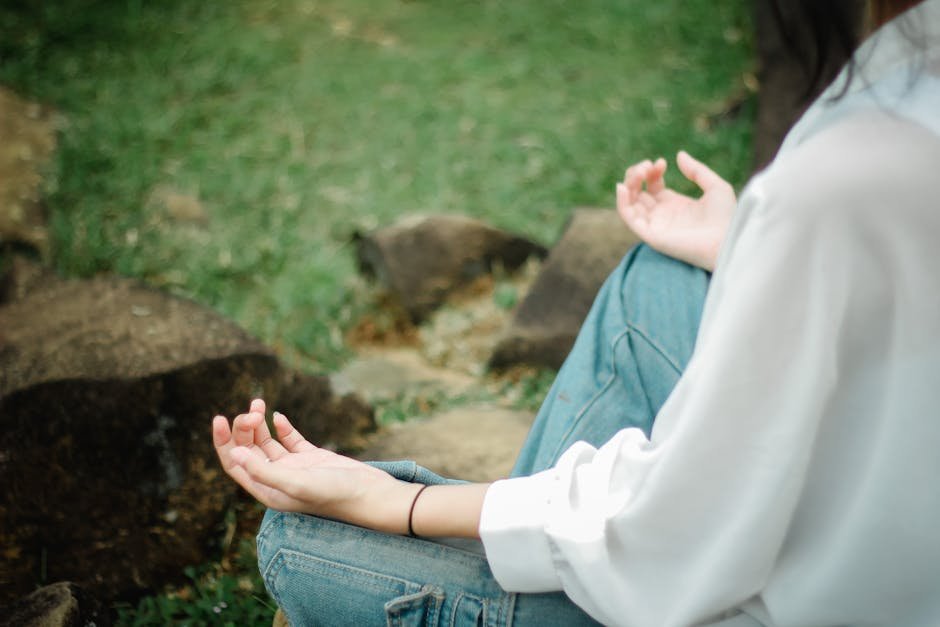
There’s a lot of mystery around the word “mindfulness,” and honestly, that puts a lot of people off before they even try it. So let’s clear that up straight away. Mindfulness is simply the practice of paying gentle, non-judgmental attention to what’s happening right now — your breath, the feel of your feet on the floor, the sounds in the room, or even the taste of your morning tea. That’s it. No chanting required. No sitting cross-legged on the floor. No emptying your mind of every thought.
Many people assume mindfulness is about achieving some perfect, blissful state of inner silence. It isn’t. Your mind will wander — that’s completely normal and expected. The practice is simply in noticing that it has wandered, and gently bringing your attention back. Think of it like a mental bicep curl: every time you redirect your attention, you’re strengthening your focus. And just like physical exercise, the benefits build up over time with regular, gentle practice.
For seniors especially, mindfulness is wonderfully flexible. You can practice it seated in a favourite armchair, standing near a wall for support, lying in bed, or even while washing the dishes. It meets you exactly where you are, at your own pace, on your own terms.
Why Mindfulness Practices Support Senior Independence
Staying independent is about so much more than physical strength. It’s about feeling confident in your decisions, managing the stresses that come with daily life, staying focused enough to complete tasks safely, and trusting your own body and mind. This is exactly where mindfulness shines for older adults.
Regular mindfulness practice can help improve focus and concentration — the kind you need when you’re managing medications, cooking a meal, or navigating a grocery store. When your attention is sharper, everyday tasks feel less overwhelming and more manageable. Studies and lived experience both tell us that a calmer, more focused mind helps people make better, safer decisions throughout the day.
Mindfulness also has a meaningful impact on anxiety and worry, which are incredibly common among seniors, particularly those managing health changes or living alone. By learning to observe anxious thoughts rather than getting swept away by them, many people find their overall stress levels drop — and with that comes better sleep, more patience, and a genuine sense of calm. There’s also a safety dimension here: mindful awareness of your body, your balance, and your surroundings means you’re less likely to rush, trip, or make avoidable mistakes. That awareness is a quiet but powerful form of protection.
Five Mindfulness Practices Tailored for Seniors
The best mindfulness practice is the one you’ll actually do. Here are five gentle, adaptable techniques that are especially well-suited to supporting senior independence. Start with one that appeals to you, and explore others as you feel ready.
Mindful Breathing: Sit comfortably in a sturdy chair with your feet flat on the floor. Place one hand on your stomach and breathe in slowly through your nose for a count of four, then breathe out gently for a count of six. Feel your stomach rise and fall. Do this for five to ten minutes. If you feel lightheaded at any point, shorten the count or simply pause. This is a wonderful practice to do before meals or medication time to settle your mind and set a calm pace for the task ahead.
Mindful Walking: Stand beside a sturdy chair, wall, or use your walker or cane for support. Take small, slow steps and pay close attention to the sensation of each foot touching the ground, the shifting of your weight, the movement of your legs. You might coordinate your breathing with your steps — inhale for two steps, exhale for two. Even five minutes of this kind of attentive walking builds balance awareness and confidence in your mobility over time.
The Five-Sense Check-In: Pause for just one or two minutes and name, in your mind, one thing you can see, one thing you can hear, one thing you can smell, one thing you can taste, and one physical sensation — perhaps the feel of the chair beneath you or the warmth of the room. This quick grounding technique is brilliant for resetting between tasks and reducing the kind of rushing or distraction that can lead to mistakes.
Mindful Daily Tasks: Choose one routine activity — brushing your teeth, washing your hands, getting dressed — and do it with your full, unhurried attention. Notice each sensation: the feel of the toothbrush, the sound of the water, the texture of fabric. When your mind wanders (and it will!), simply bring it back without self-criticism. This practice turns ordinary moments into opportunities for calm focus, and it can meaningfully improve safety during daily routines.
The Body Scan: Sit or lie comfortably and slowly move your attention through your body from your toes to the top of your head. Notice any tension, warmth, or tingling. If you find an area of tension, breathe into it gently and imagine releasing it on your exhale. This practice deepens your awareness of how your body feels day to day, helping you recognise fatigue, discomfort, or early signs that you need to rest — all of which supports smarter, safer self-care.
Practical Tips: How to Make Mindfulness a Daily Habit
Knowing the practices is one thing — building them into your real life is another. The good news is that mindfulness doesn’t need a big time commitment. Even two to five minutes done consistently can create meaningful change. Here are some straightforward, realistic ways to make it stick:
- Start tiny. Begin with just two to five minutes a day. You can always extend the time as it begins to feel natural.
- Anchor your practice to an existing habit. Try mindful breathing right after waking up, before a meal, or after your morning cup of tea — pairing it with something you already do makes it much easier to remember.
- Use gentle reminders. Place a large-print sticky note on the fridge, kettle, or bathroom mirror. Set a soft alarm on your phone. Small visual cues go a long way.
- Create a comfortable space. Choose a quiet, well-lit spot with a sturdy, comfortable chair. A calm, clutter-free environment helps you settle more easily.
- Wear non-slip footwear for any standing or walking practices, and always keep a stable surface or support nearby.
- Build gradually. Add one new practice every week or two as you feel ready — don’t try to do everything at once.
- Involve someone you trust. A partner, family member, or caregiver can practise alongside you, which makes the experience more enjoyable and keeps you motivated.
- Keep a simple journal. Jot down one or two lines after each practice — what you did, how long, and how you felt. Over weeks, you’ll likely notice encouraging patterns and progress.
- Be patient and kind with yourself. Some days will feel easier than others. That’s completely normal. Every mindful moment counts, even the imperfect ones.
Staying Safe While Practising Mindfulness
Mindfulness is one of the gentlest wellness practices there is, but it’s still worth taking a few sensible precautions — especially when it comes to any movement-based techniques. Always use sturdy supports such as a firm chair, handrail, or walker for standing and walking practices. Choose smooth, even surfaces free of clutter, and wear non-slip footwear or socks with grip. If you’re doing breathing exercises and feel dizzy or short of breath, stop and rest.
If you’ve had recent surgery, have respiratory concerns, serious cardiovascular conditions, or are navigating cognitive changes, it’s a good idea to have a quick conversation with your doctor before starting any new breathing or movement practices. They can help you adapt techniques to suit your specific situation — and most will be genuinely pleased that you’re taking such a positive step for your wellbeing.
Remember, every practice in this guide has seated options. You never have to push through discomfort or attempt anything that doesn’t feel right for your body on a given day. Adapting is not failing — it’s smart, safe, and entirely in the spirit of mindfulness itself.
How Mindfulness Builds Confidence and Long-Term Independence
One of the most beautiful things about mindfulness is that its benefits tend to snowball in the best possible way. As you practise noticing the present moment more often, you naturally become more aware of what your body needs — when to rest, when to ask for help, when to slow down and when you have more energy than you thought. That self-awareness is genuinely empowering. It shifts you from feeling like things are happening to you, to feeling like an active, informed participant in your own life.
Over time, many people who practise mindfulness regularly report that tasks feel clearer and less daunting, that they feel calmer in situations that used to cause stress, and that they trust themselves more in their daily decisions. That sense of trust — in your own body and mind — is at the very heart of independence. It doesn’t come from never needing help; it comes from knowing yourself well enough to navigate life with intention and confidence.
Independence, at any age, isn’t about doing everything perfectly or alone. It’s about feeling capable, grounded, and in control of your choices. Mindfulness nurtures exactly that. And because it requires no special equipment, no particular fitness level, and no previous experience, it is genuinely accessible to almost everyone. All you need is a few quiet minutes and the willingness to begin.
The Bottom Line: Mindfulness practices for senior independence are simple, safe, and surprisingly powerful. By spending just a few minutes each day paying gentle attention to your breath, your body, your movements, and your surroundings, you can sharpen your focus, ease anxiety, move more safely, and feel more confident in your everyday life. Start with one small practice — perhaps a few slow mindful breaths before breakfast — and build from there at your own pace. Consistency matters far more than perfection, and every single mindful moment is a genuine step toward greater autonomy, safety, and peace of mind.
This is not medical advice. Consult your healthcare provider before starting any new health routine or using any product mentioned here.