How Posture Changes With Age — and What You Can Do to Correct It
This post contains affiliate links. As an Amazon Associate, I earn from qualifying purchases at no extra cost to you.
Free resources — no credit card required for trial
🎧 Listen to health & wellness audiobooks free for 30 days
Start 30-Day Free Trial →
🛒 Recommended Products
As an Amazon Associate we earn from qualifying purchases at no extra cost to you.
TheraBand First Step to Active Health Kit — Senior Exercise Program for Balance and Fall P
$19.99
EZ Off Jar Opener for Seniors — Under Cabinet Jar Opener for Weak Hands and Arthritis
$9.99
Omron 5 Series Upper Arm Blood Pressure Monitor — 2-User 100-Reading Memory Wide-Range Cuf
$44.99
OMRON 7 Series Wireless Wrist Blood Pressure Monitor — Clinically Validated with Connect A
$69.99
Vitality 4 Life Senior Resistance Band with Instruction Guide — Specifically for Elderly F
$16.99
📚 Read unlimited health books free for 30 days
Try Kindle Unlimited Free →
Have you noticed yourself stooping a little more when you look in the mirror, or feeling that familiar ache between your shoulder blades after a long day in the chair? You’re not imagining it — posture really does change as we get older, and it happens gradually, almost without us noticing. But here’s the encouraging part: improving your posture as a senior is completely possible, and it doesn’t require fancy equipment or hours at the gym. Understanding how posture changes with age, and learning a few simple, safe strategies to correct it, can make a real difference to how you feel, move, and even breathe every single day.
Why Good Posture Matters More Than You Think
Most of us were told to “stand up straight” as children, but good posture is about far more than appearances. When your spine is well-aligned, your lungs have more room to expand, your heart works more efficiently, and your digestive system functions better. Good posture also keeps your joints moving comfortably and plays a crucial role in balance — which directly reduces your risk of slips and falls, one of the most serious health concerns for older adults.
Think about the everyday activities that become easier when your body is properly supported: walking to the mailbox, reaching for a dish on a high shelf, getting in and out of a car or chair. Each of these movements relies on your spine, muscles, and joints working together smoothly. When posture suffers, these ordinary tasks can start to feel like real challenges. The wonderful news is that posture is not fixed — it’s a daily practice, and it’s never too late to start improving it.
Beyond physical function, good posture can boost your energy levels and even your confidence. People who stand and sit with better alignment often report feeling less fatigued and more in control of their bodies. That sense of physical confidence ripples into emotional wellbeing too — and that matters enormously for quality of life as we age.
How Posture Changes With Age — and Why It Happens
To correct posture, it helps to understand what’s actually going on in the body. Several natural age-related changes can quietly shift the way we hold ourselves, and knowing the “why” makes the solution much clearer.
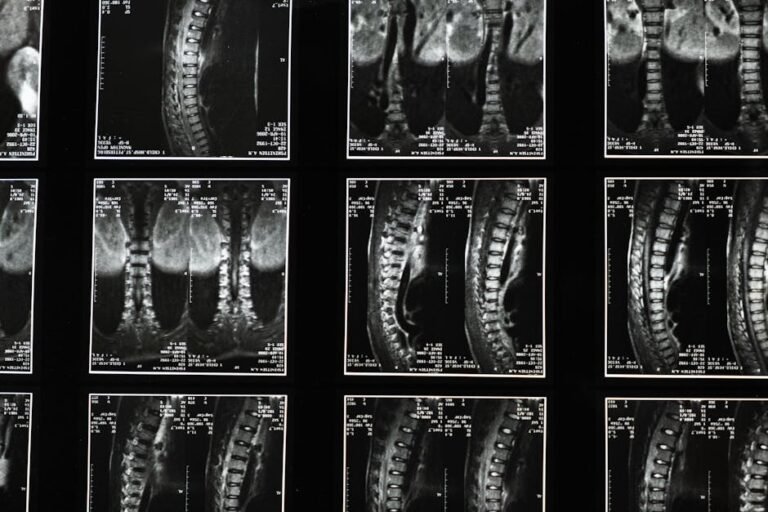
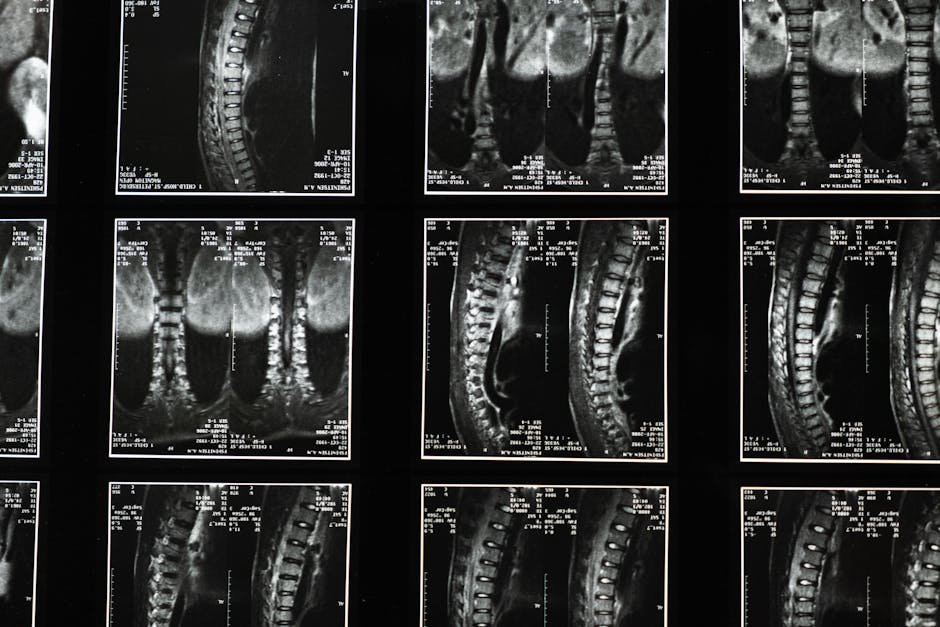
One of the most common changes is forward head posture and rounded shoulders. When neck muscles weaken and the chest muscles tighten — often from years of reading, driving, or looking down at phones and tablets — the head gradually drifts forward from the spine. You may also notice increased rounding in the upper back, sometimes called kyphosis. This can develop as spinal discs lose some of their height or if bone density decreases over time, giving the spine a more curved, hunched appearance and reducing the space your lungs have to expand fully.
In the lower back and hips, stiffness or subtle changes in how the pelvis tilts can lead to a flatter lower back curve or a gentle sway — both of which can contribute to discomfort and instability. Meanwhile, muscle mass naturally decreases with age, and the core muscles and shoulder muscles that once held everything in place effortlessly may need a little more conscious support. Balance can also be affected, which is why working on posture isn’t just about looking taller — it’s genuinely a safety habit.
Everyday habits play a role too. Long stretches of sitting, carrying a heavy bag on one side, crossing legs tightly, or using a chair without proper back support can all reinforce poor posture patterns over time. The encouraging thing is that habits can change — and your body will respond positively when you give it the right cues.
Simple, Safe Exercises to Correct and Improve Posture
You don’t need to overhaul your entire lifestyle overnight. The goal is to gradually restore strength, flexibility, and body awareness through gentle, consistent movement. If you have osteoporosis, a back injury, or pain that has lasted more than a few days, please check with your healthcare provider before beginning a new exercise routine.
Start with these foundational moves, aiming for a few times a week. They can be done at home with no special equipment, and most take just a few minutes. As your body adapts and grows stronger, you can add more exercises over time.
Chin Tuck (Neck Alignment): Sit tall in a chair with your feet flat on the floor and shoulders relaxed. Gently draw your chin straight back — as if making a double chin — keeping your head level. Hold for 3–5 seconds. Aim for 10–12 repetitions over 2–3 sets. This strengthens the deep neck muscles that keep your head properly aligned over your spine.
Shoulder Blade Squeeze (Scapular Retraction): Sit or stand with arms at your sides. Squeeze your shoulder blades together as if trying to hold a small pencil between them. Hold for 5–7 seconds, then relax. Do 10–15 repetitions for 2–3 sets. This refreshes the muscles that pull the shoulders back and counteract rounding.
Wall Angels: Stand with your back, head, and hips against a wall. Place your arms in a goalpost position — elbows bent at 90 degrees and upper arms touching the wall. Keeping the backs of your hands and forearms on the wall, slowly slide your arms up as high as is comfortable, then back down. Aim for 8–12 repetitions. This exercise encourages upright posture and gently improves mobility in the upper back and shoulders.
Doorway Chest Stretch: Stand in a doorway with one elbow bent at 90 degrees and your forearm resting against the door frame. Step gently forward until you feel a mild stretch across your chest. Hold for 20–30 seconds, then switch sides. Repeat 2–3 times per side. This releases the tight chest muscles that pull shoulders forward, helping you stand taller naturally.
Gentle Bridging and Pelvic Tilts: Lie on your back with knees bent and feet flat on the floor, hip-width apart. For a bridge, gently lift your hips a few inches off the ground, keeping your spine neutral, and hold for 3–5 seconds before lowering slowly. For a pelvic tilt, press your lower back gently toward the floor by lightly tightening your stomach muscles, hold 5 seconds, then relax. Both exercises strengthen the deep core muscles that support your spine from the inside.
What You Can Do: Practical Tips for Better Posture Every Day
Exercises are only part of the picture. The way you set up your environment and carry out daily habits makes an enormous difference to how posture changes with age — for better or for worse. The following practical changes are easy to implement and can have a surprisingly big impact over time.
- Choose supportive seating: Use chairs with a firm backrest. Sit with your feet flat on the floor, hips pushed back to the rear of the seat, and a small rolled towel or lumbar cushion supporting the natural curve of your lower back.
- Set up your screen at eye level: Whether you’re using a computer, tablet, or even reading a book, try to keep the material at eye level to avoid the head-forward position that comes from looking down for extended periods.
- Check your sleep posture: Side sleepers benefit from placing a pillow between the knees to keep the hips aligned. Back sleepers should use a thin pillow under the neck and a small pillow under the knees. Try to avoid sleeping on your stomach, which can flatten the natural curves of your spine.
- Wear supportive footwear: Choose shoes with good cushioning and arch support. Proper footwear helps your whole body align correctly from the ground up.
- Distribute weight evenly: When carrying groceries or a bag, switch hands regularly or consider a bag with wheels to avoid one-sided strain on your shoulders and spine.
- Take movement breaks: Set a reminder to get up and move for 5–10 minutes every hour. A slow walk after meals is a gentle and effective way to support both digestion and posture at the same time.
- Do hourly posture checks: When the reminder goes off, pause and ask yourself: are my shoulders relaxed? Are my ears roughly over my shoulders? Are my ribs gently stacked over my hips? These small moments of awareness add up to big changes over weeks and months.
- Hinge at your hips, not your waist: When picking something up or bending forward, push your hips back and keep a natural curve in your spine rather than rounding forward. This simple habit protects your back throughout the day.
A Gentle Progression Plan for Seniors
One of the most common mistakes people make when starting a new health routine is trying to do too much too soon. With posture work, slow and steady genuinely wins the race. Here’s a simple progression to follow that feels manageable and builds confidence alongside strength.
In weeks one and two, focus on learning and practising the chin tuck, shoulder blade squeeze, and wall angels on three days a week. Keep it to two sets of 8–12 repetitions for the first two exercises and one or two gentle rounds of wall angels. Your body needs time to learn the movements before you add more load or variety.
In weeks three and four, add the doorway chest stretch and a small amount of thoracic extension (gently leaning your upper back over the back of a chair to open the chest). Start with two sets of 8–10 repetitions and hold chest stretches for 20–30 seconds. By now you should begin noticing small improvements in how you feel during the day.
From weeks five through eight, introduce bridging, pelvic tilts, and the hip hinge exercise. Add a short balance practice — a heel-to-toe walk near a wall or sturdy chair — and build a habit of a posture check at the end of each day. Gradually increase your total session time by a few minutes as things feel comfortable. By the time you reach week eight and beyond, aim to maintain a routine of three to five days a week, and consider adding a gentle yoga class or chair-based stretching session if you enjoy group activity.
Staying Motivated and Building Confidence
It’s worth reminding yourself — and perhaps writing somewhere you’ll see it — that posture improvement is not about achieving perfection. It’s about caring for your spine and increasing your comfort in daily life, step by gentle step. Progress can be subtle, but it is real. You might notice you’re standing more easily at the kitchen sink, breathing a little more deeply during a walk, or getting up from your chair with less effort. These are victories worth celebrating.
If you’ve dealt with back pain in the past, or you’re living with osteoporosis, know that meaningful improvement is still possible with patience and gentle practice. It simply means being a little more careful about range of motion — keeping movements small and controlled, and always stopping if you feel any sharp pain, numbness, or tingling. A physical therapist or a senior-friendly fitness instructor can be a wonderful ally if you’d like personalised guidance on safe technique.
Consider inviting a family member, friend, or caregiver to join you for sessions. Shared routines are often easier to stick to, more enjoyable, and provide an extra layer of safety and encouragement. Even a gentle ten-minute stretch together a few times a week can become something you both look forward to.
The Bottom Line: Your spine carries you through every moment of your day — cooking, gardening, socialising, and everything in between. By understanding how posture changes with age and taking small, consistent steps to correct it through targeted exercises, smarter daily habits, and a well-designed environment, you can protect your spine, improve your balance, and enjoy greater comfort and independence. Start slowly, listen to your body, celebrate every small improvement, and don’t hesitate to seek professional support if you need it. A taller, more comfortable posture isn’t just possible — it’s well within your reach.
This is not medical advice. Consult your healthcare provider before starting any new health routine or using any product mentioned here.