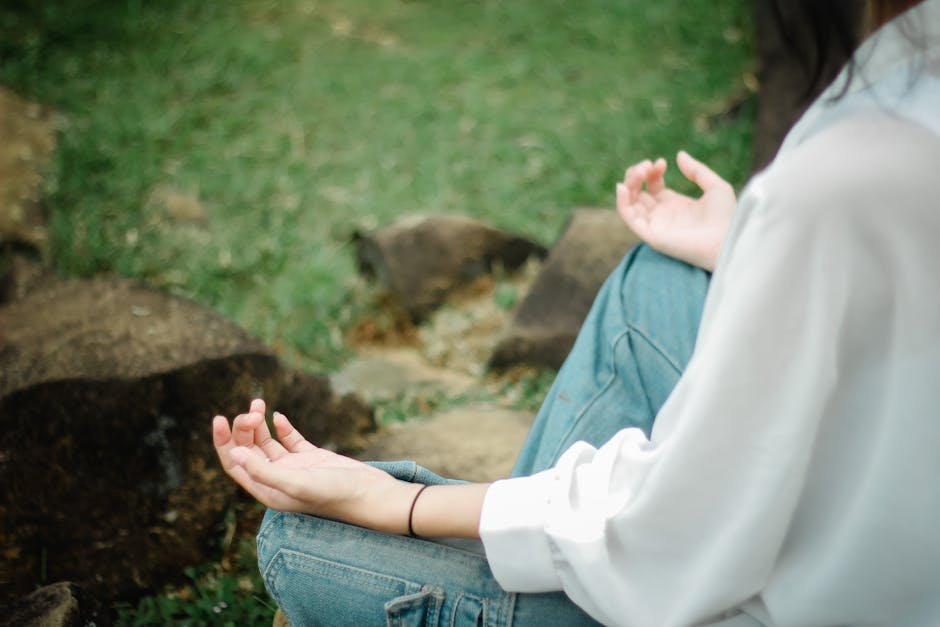
Body Relaxation Meditation for Deep Rest: A Senior’s Guide to Melting Away Tension and Sleeping Better
This post contains affiliate links. As an Amazon Associate, I earn from qualifying purchases at no extra cost to you.
Free resources — no credit card required for trial
🎧 Listen to health & wellness audiobooks free for 30 days
Start 30-Day Free Trial →
🛒 Recommended Products
As an Amazon Associate we earn from qualifying purchases at no extra cost to you.
TheraBand First Step to Active Health Kit — Senior Exercise Program for Balance and Fall P
$19.99
EZ Off Jar Opener for Seniors — Under Cabinet Jar Opener for Weak Hands and Arthritis
$9.99
Omron 5 Series Upper Arm Blood Pressure Monitor — 2-User 100-Reading Memory Wide-Range Cuf
$44.99
OMRON 7 Series Wireless Wrist Blood Pressure Monitor — Clinically Validated with Connect A
$69.99
Vitality 4 Life Senior Resistance Band with Instruction Guide — Specifically for Elderly F
$16.99
📚 Read unlimited health books free for 30 days
Try Kindle Unlimited Free →
If you’ve ever climbed into bed exhausted but found your mind still racing, your muscles still tight, and sleep stubbornly out of reach, you are far from alone. For many older adults, truly switching off at the end of the day can feel like an uphill battle. The good news? Body relaxation meditation for deep rest is one of the gentlest, most effective tools you can add to your daily self-care routine — no special equipment, no fitness level required, and no prior experience needed. In just 10 to 15 quiet minutes, this simple practice can help your muscles unwind, your thoughts settle, and your whole body begin to feel genuinely at ease.
What Is Body Relaxation Meditation — and Why Is It Perfect for Seniors?
Body relaxation meditation is a mindfulness practice that gently guides your attention through different areas of your body, inviting each muscle group to soften and release tension. It is sometimes called a “body scan” meditation, and it works by focusing a calm, curious awareness on physical sensations — without judgement, without pushing, and without strain. The idea is simple: where your attention goes, relaxation tends to follow.
For seniors especially, this practice offers something truly special. As we age, muscle stiffness, mild aches, disrupted sleep, and low-grade anxiety can quietly chip away at our quality of life. Body relaxation meditation addresses all of these gently and naturally. It doesn’t require you to sit cross-legged on the floor or hold any difficult postures. You can practise in your favourite armchair, propped up in bed with pillows, or reclined on a sofa. The only goal is comfort and ease.
What makes this approach so well-suited to older adults is its flexibility and its compassionate philosophy. You are not trying to achieve anything dramatic. You’re simply giving your body a few dedicated minutes of kind, focused attention — and that alone can create remarkable shifts in how rested and calm you feel throughout your day.
The Real Benefits of Body Relaxation Meditation for Deep Rest
You might be surprised by how wide-ranging the benefits of a regular body relaxation meditation practice can be. Many people report feeling more at ease in their everyday movements and noticing less stiffness after even a few sessions. That sense of physical lightness can make a real difference to how you move through your morning routine or enjoy a gentle afternoon walk.
On a mental level, regular practice tends to quieten those busy, looping thoughts that can make it hard to wind down. If anxiety or a racing mind keeps you awake at night, the slow, rhythmic focus of a body scan gives your brain something soothing to settle on — effectively giving the worry-machine a rest. Over time, many people find they transition more easily between wakefulness and sleep, and enjoy longer, more restorative rest overall.
There is also a benefit that doesn’t always get talked about enough: a gentler relationship with pain and discomfort. Body relaxation meditation doesn’t promise to eliminate pain, but it can change how you relate to it. By bringing a warm, non-reactive awareness to uncomfortable areas, many people find that their experience of discomfort softens — not because the pain disappears, but because the layers of tension and resistance around it begin to ease. That is a genuinely meaningful shift in daily comfort and quality of life.
How to Get Started: Setting Up and Staying Safe
Before you begin any new wellness practice, it’s always sensible to check in with your healthcare provider — especially if you have new or worsening symptoms, dizziness, or any pain that feels unclear or unsafe. Once you have the green light, setting up a comfortable, safe space is your first step, and it doesn’t need to be complicated at all.
Choose a spot that feels stable and cosy. A sturdy armchair with good back support and your feet flat on the floor works beautifully. So does lying on your bed with a small pillow tucked under your knees or head for extra support. If you use a pacemaker, a monitoring device, or have been given specific guidance about lying on a particular side, follow your provider’s recommendations about positioning. The key message here is: your comfort is always the priority.
Move slowly when getting into and out of your chosen position, particularly if you have balance concerns or limited mobility. Keep a light blanket nearby for warmth — feeling physically comfortable and safe dramatically improves the quality of your relaxation. And if at any point during the practice you feel lightheaded, numb, or uncomfortable, simply ease out of your position slowly, sit up, and rest. There is no need to push through anything. A shorter, gentler session is always better than a difficult one.
A Step-by-Step Body Relaxation Meditation for Deep Rest
Once you’re settled comfortably, begin by closing your eyes or softening your gaze downward. Place one hand gently on your belly and the other on your chest. Take a few slow, easy breaths — inhaling through the nose to fill the belly first, then the chest, and exhaling slowly through the mouth or nose. Try breathing in for a count of four and out for a count of six or seven. This longer exhale naturally activates your body’s relaxation response. If counting feels distracting, simply watch the breath rise and fall without any particular rhythm.
After a few breaths, begin a slow body scan starting at your feet. Notice any sensation in your toes — warmth, tension, tingling — without judgement. Imagine a gentle warm wave washing over your feet and softening any tightness. Slowly move your attention upward: ankles, calves, knees, thighs. With each area, invite a soft, sigh-like release on the exhale. Continue through the hips, lower back, abdomen, chest, and shoulders. If your neck feels stiff, simply let your head remain supported and still, without forcing any release.
Finally, bring your awareness to your face. Unclench the jaw. Smooth the forehead. Let the eyes soften in their sockets. Release the tongue from the roof of your mouth. Once you’ve scanned the whole body, spend a few quiet minutes simply resting in that awareness — perhaps imagining a soft, warm light moving slowly from the soles of your feet to the crown of your head, leaving ease in its wake. If thoughts drift in, acknowledge them kindly and gently return to the breath and body. When you’re ready to finish, deepen your breath, wiggle your fingers and toes, and open your eyes slowly.
What You Can Do: Practical Tips to Make This Practice Work for You
Building a sustainable meditation habit is less about discipline and more about making the practice genuinely enjoyable and easy to fit into your life. Here are some practical, senior-friendly tips to help you get the most from body relaxation meditation for deep rest:
- Start small and build gradually. Begin with just 5 to 7 minutes and slowly extend to 10 to 15 minutes as the practice starts to feel natural. Consistency matters far more than length.
- Choose a regular time. Practising at the same time each day — ideally in the early evening or 30 to 60 minutes before bed — helps your body learn to associate the practice with winding down.
- Create a calming environment. Dim the lights, keep the room at a comfortable temperature, and reduce noise where possible. Soft music, gentle nature sounds, or a white-noise fan can all help mask distractions.
- Use supportive aids. A small pillow under the knees when lying down, a folded blanket for warmth, or a lumbar cushion for back support can make a surprising difference to how relaxed you feel. Good support helps the body let go.
- Try a gentle cue to begin. Place your hand on your heart and quietly say to yourself, “Softly, I rest now.” Simple rituals like this signal to the nervous system that it’s safe to relax.
- Don’t fight busy thoughts. If your mind wanders — and it will — simply notice without criticism and gently return to the body scan. This is the practice. Every return is a small act of self-compassion.
- Adapt for comfort, always. If lying down causes discomfort, switch to a chair. If sitting becomes hard, try a reclined position with pillow support. The best position is whichever one lets you rest without pain.
- Stay hydrated. A small glass of water before your session can help prevent the lightheadedness that occasionally comes with deep relaxation breathing.
- Consider a guided recording. If following a written guide feels tricky, look for gentle guided body scan recordings with a calm, clear voice. These can be a lovely support, especially when you’re first starting out.
Troubleshooting Common Challenges
Every person’s experience of body relaxation meditation will be a little different, and it’s completely normal to run into a few stumbling blocks, especially in the early days. Restlessness and racing thoughts are among the most common. If this happens, try anchoring yourself more firmly to the breath — the simple rhythm of inhaling for four counts and exhaling for six or seven gives the busy mind something concrete to follow. Remember, the aim isn’t a blank mind; it’s a kinder, gentler relationship with whatever arises.
Physical discomfort during practice is always worth addressing immediately. Add cushions, adjust your position, or shorten the session — never force yourself to stay in a posture that causes pain. If dizziness or lightheadedness arises, sit up slowly, take a few normal breaths, and ensure you’re well hydrated before trying again. A shorter, calmer session is the right response, not pushing through.
For those with hearing challenges, a written script — like the short one included in your session notes — can work beautifully. Read through it slowly before you begin, so the sequence is familiar in your mind, and then close your eyes and follow it from memory. A dimly lit room and a soft eye mask can also help deepen the sense of restful calm, even if you’re sitting up rather than lying down. Whatever adjustments you need to make, make them freely. This practice belongs to you, and it should serve your needs.
The Bottom Line: Body relaxation meditation for deep rest is one of the most accessible, gentle, and genuinely effective self-care practices available to older adults. By spending just a few mindful minutes each day softening tension, soothing the nervous system, and inviting true rest, you can experience calmer thoughts, easier sleep, less physical stiffness, and a warmer, more compassionate relationship with your own body. Start small, stay consistent, adapt freely, and remember — this is not about perfection. It’s about showing up for yourself, one breath at a time. You deserve steady rest, and this simple practice can help you find it.
This is not medical advice. Consult your healthcare provider before starting any new health routine or using any product mentioned here.