Gentle Mobility Routines for Seniors Who Sit Often: Keep Your Joints Comfortable Every Day
This post contains affiliate links. As an Amazon Associate, I earn from qualifying purchases at no extra cost to you.
Free resources — no credit card required for trial
🎧 Listen to health & wellness audiobooks free for 30 days
Start 30-Day Free Trial →
🛒 Recommended Products
As an Amazon Associate we earn from qualifying purchases at no extra cost to you.
TheraBand First Step to Active Health Kit — Senior Exercise Program for Balance and Fall P
$19.99
EZ Off Jar Opener for Seniors — Under Cabinet Jar Opener for Weak Hands and Arthritis
$9.99
Omron 5 Series Upper Arm Blood Pressure Monitor — 2-User 100-Reading Memory Wide-Range Cuf
$44.99
OMRON 7 Series Wireless Wrist Blood Pressure Monitor — Clinically Validated with Connect A
$69.99
Vitality 4 Life Senior Resistance Band with Instruction Guide — Specifically for Elderly F
$16.99
📚 Read unlimited health books free for 30 days
Try Kindle Unlimited Free →
If you spend a good part of your day in a chair — whether watching television, reading, working at a desk, or simply resting — you’ve probably noticed how stiff and achy your joints can feel when you finally do get up. That tightness in your hips, the creakiness in your knees, the tension across your shoulders — it’s incredibly common, and it doesn’t have to be your new normal. The great news is that gentle mobility routines for seniors who sit often can make a real, noticeable difference — and you don’t need to be athletic, flexible, or even able to stand up to get started. A few mindful minutes of movement each day can keep your joints comfortable, your body more flexible, and your spirits lifted. Let’s explore how.
Why Sitting Too Long Is Hard on Your Joints — And What Movement Does to Help
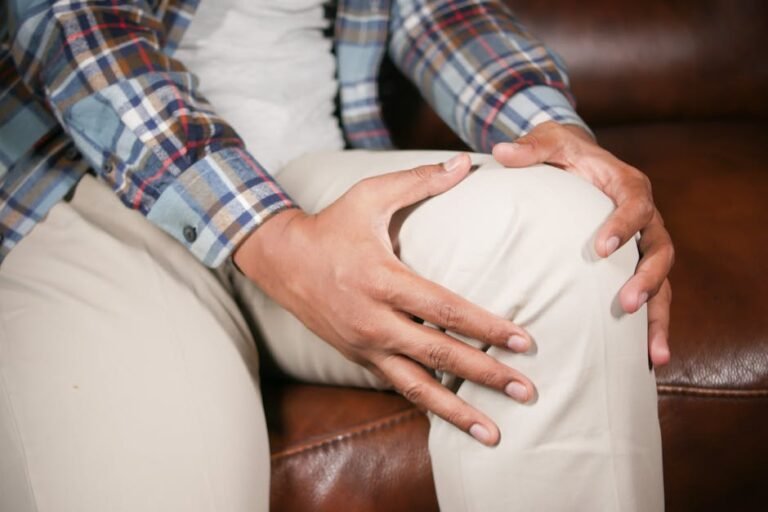
Our joints are designed to move. When we sit for long stretches without shifting or stretching, the fluid that keeps our joints cushioned and lubricated becomes less effective. The muscles supporting those joints tighten up, circulation slows down, and before long, getting out of a chair or turning to look behind you feels like a much bigger effort than it should.
This is especially true for the hips, knees, lower spine, and shoulders — all areas that tend to bear the brunt of prolonged sitting. But here’s the encouraging part: regular, gentle movement helps keep those joints lubricated, the surrounding muscles warm and flexible, and blood flowing steadily through the legs and arms. Movement also supports balance, which is one of the most important factors in staying independent as we age.
You don’t need long gym sessions to reap these rewards. Research and clinical experience consistently show that short, frequent bouts of movement done consistently are far more beneficial than occasional intense exercise. In other words, ten minutes of gentle mobility work done three times a day is more valuable than a single hour-long session once a week. Small, steady steps genuinely add up.
A Complete Gentle Mobility Routine for Seniors — Done Right from Your Chair
This seated circuit is the perfect starting point for gentle mobility routines for seniors. All you need is a sturdy chair with a back for support, comfortable clothing, and non-slip footwear. The whole sequence takes about 8 to 12 minutes. Move slowly, breathe throughout, and if anything causes sharp pain, simply stop or try a gentler version.
Neck and Shoulder Looseners: Sit tall with feet flat on the floor. Slowly tilt your head toward your right ear and hold for 3 to 5 breaths, then switch sides. Gently drop your chin toward your chest, then lift it back to neutral. Follow this with shoulder rolls — inhale as you lift your shoulders up toward your ears, roll them back and down, then forward. Do 6 to 8 rolls in each direction. Finish with a gentle scapular squeeze: pinch your shoulder blades together for 3 to 5 seconds, then release. Repeat 4 to 6 times. These moves ease the neck and upper back tension that comes from slouching and can genuinely improve your posture and ease of breathing.
Arm Circles and Wrist Taps: Extend your arms out to your sides at shoulder height and make small circles forward for 6 to 8 repetitions, then backward. If that’s too much, simply bend your elbows and keep your hands closer to your chest. Then bring your palms together and gently wiggle your fingers, tapping your fingertips together for a minute or two. This is wonderful for anyone who spends time reading, using a tablet, or typing — it gets circulation moving through the hands and keeps the shoulder joints happily mobile.
Seated Spine Twist: Sit tall and place your right hand on the back of your chair or on your left knee. Gently rotate your upper body to the right, keeping your hips pointing forward. Hold for 3 to 5 breaths, then switch sides. Only go as far as feels comfortable — there’s no need to force the twist. This simple move maintains the flexibility of your spine and makes everyday actions like turning to check traffic or reaching for something behind you much easier.
Seated Hip Opener: Cross your right ankle over your left knee while sitting upright. If comfortable, gently press down on the right knee or lean very slightly forward. Hold for 15 to 30 seconds, then switch sides. This is one of the most effective moves for relieving hip stiffness and the low back tension that tight hips can cause. If crossing your ankle isn’t comfortable yet, simply hold a relaxed position without forcing anything.
Ankle Circles and Calf Pumps: Lift one foot slightly off the floor and rotate the ankle in small circles — 6 to 8 times clockwise, then counterclockwise. Repeat with the other foot. Then do calf pumps: point your toes away from you, then flex your foot back toward you. Aim for 12 to 15 pumps on each foot. This keeps ankle mobility strong, reduces lower leg stiffness, and gives your circulation a helpful boost — especially important if you tend to notice swelling in your feet or ankles after sitting.
Seated Knee Extensions and Foot Stretches: With feet flat on the floor, slowly straighten one knee as much as you can without discomfort, hold for a count of 3 to 5, then lower it. Do 8 to 12 repetitions on each leg. Finish with a simple foot stretch: flex your toes up toward your shin, then press them gently down. Repeat 6 to 10 times and give your toes a gentle spread. Strong, mobile knees and feet are the foundation of confident walking and safe standing.
Adding a Standing Option When You’re Ready
If you have good balance and feel comfortable standing with support, there are a few wonderful additions you can layer in. Always make sure you have a sturdy chair or countertop within easy reach before you begin.
Try marching in place with a light knee lift while holding the chair back — just 2 to 3 minutes of this gets your heart rate gently ticking and warms up the hip flexors beautifully. Calf raises (slowly rising onto your toes and lowering back down, 8 to 12 repetitions) strengthen the lower legs and ankles. You can also try a gentle standing hip opener: place one ankle on the opposite knee, keep your back straight, and hold briefly before switching sides. These standing moves complement your seated routine perfectly without demanding too much.
The key is always to honour where you are right now. If standing feels unstable on a particular day, simply stick with the seated circuit. There’s absolutely no rush.
What You Can Do: Practical Tips for Making Mobility a Daily Habit
Knowing what to do is one thing — actually doing it consistently is another. Here are some warm, realistic ways to weave gentle mobility routines for seniors into the fabric of your daily life:
- Take short, frequent breaks: Aim for an 8 to 10 minute mobility break 2 to 3 times per day. You don’t need one long block — two shorter sessions work just as well and are often easier to stick to.
- Tie movement to things you already do: Do a few moves after waking up, before meals, during TV commercial breaks, or while waiting for the kettle to boil. Linking movement to existing habits makes it far easier to remember.
- Use gentle reminders: A sticky note on the fridge, a phone alarm with a kind label like “Time to move and feel good,” or even a note by your favourite chair can prompt you without pressure.
- Set up a comfortable, safe space: Use a sturdy chair with good back support, wear non-slip footwear, and clear the area around you of any clutter or hazards. Feeling safe makes it much easier to relax into your movements.
- Keep a simple journal: A small notebook or even a calendar where you tick off your sessions and jot a note about how you felt can be surprisingly motivating. Watching those ticks accumulate over weeks is a lovely reminder of how far you’ve come.
- Pace yourself warmly: Move slowly, breathe evenly, and increase your repetitions gradually as things start feeling easier. This is not a race. Every single movement counts.
- Hydrate and dress comfortably: Drink water before and after your routine, and wear loose clothing that doesn’t restrict your range of motion.
Staying Safe While You Move: What Every Senior Should Know
Gentle mobility work is designed to feel good — not to push you to your limits. That said, there are a few important safety considerations worth keeping in mind. If you ever feel sharp pain (rather than mild, normal muscle awareness), dizziness, or blurred vision during any movement, stop immediately and rest. If that kind of discomfort persists, speak with your doctor or physiotherapist before continuing.
Always start with a smaller range of motion than you think you need and build gradually. Forcing a stretch or twist beyond your comfortable range is never helpful and can lead to injury. If you’re currently taking medications that affect balance or blood pressure — or if you have conditions such as osteoporosis, arthritis flare-ups, or recent orthopaedic injuries — it’s a good idea to check with your healthcare provider before starting a new movement routine. They can offer personalised guidance that makes the routine even safer and more effective for you specifically.
When standing exercises are involved, always keep a sturdy surface nearby. Safety first, always — but don’t let caution stop you from moving altogether. The body genuinely benefits from kind, consistent attention.
The Real-Life Benefits of Gentle Joint Mobility for Seniors
The benefits of building a regular gentle mobility practice are both physical and emotional — and they tend to show up in the most practical, everyday ways. You might find that getting in and out of your car feels less of an effort. Reaching for a cup on a higher shelf becomes smoother. Turning to look over your shoulder while walking feels more natural. These may sound like small things, but they add up to a significant sense of freedom and confidence in daily life.
Regular gentle movement keeps joints hydrated and comfortable, reducing that morning stiffness that so many seniors describe. Improved circulation from frequent movement can also boost your energy levels and even lift your mood — there’s something genuinely uplifting about choosing to care for your body each day. Over time, a structured routine creates a sense of control and consistency that supports both independence and self-confidence.
Your body has carried you through an entire lifetime of experiences. These routines are simply a way of treating it with the kindness and attention it deserves. You’re not trying to turn back the clock — you’re investing in more comfortable, more capable days ahead, one gentle movement at a time.
The Bottom Line: Gentle mobility routines for seniors who sit often don’t need to be complicated, long, or exhausting to be truly effective. A simple seated circuit done consistently — a few times a day, tied to your existing routine — can meaningfully reduce joint stiffness, improve flexibility, boost circulation, and help you move through daily life with greater ease and confidence. Start where you are, move within your comfort zone, celebrate every small win, and trust that those small, steady steps really do create lasting change. You’ve got this.
This is not medical advice. Consult your healthcare provider before starting any new health routine or using any product mentioned here.