Breathing Difficulties in Seniors: When to Worry and What You Can Do
This post contains affiliate links. As an Amazon Associate, I earn from qualifying purchases at no extra cost to you.
Free resources — no credit card required for trial
🎧 Listen to health & wellness audiobooks free for 30 days
Start 30-Day Free Trial →
🛒 Recommended Products
As an Amazon Associate we earn from qualifying purchases at no extra cost to you.
TheraBand First Step to Active Health Kit — Senior Exercise Program for Balance and Fall P
$19.99
EZ Off Jar Opener for Seniors — Under Cabinet Jar Opener for Weak Hands and Arthritis
$9.99
Omron 5 Series Upper Arm Blood Pressure Monitor — 2-User 100-Reading Memory Wide-Range Cuf
$44.99
OMRON 7 Series Wireless Wrist Blood Pressure Monitor — Clinically Validated with Connect A
$69.99
Vitality 4 Life Senior Resistance Band with Instruction Guide — Specifically for Elderly F
$16.99
📚 Read unlimited health books free for 30 days
Try Kindle Unlimited Free →
Take a slow, deep breath. Easy enough, right? Most of us barely think about breathing — until the day it starts to feel harder than it should. For older adults, changes in breathing can creep up quietly, making it tricky to know what’s normal aging and what’s a signal that something needs attention. If you’ve noticed yourself getting winded climbing the stairs, waking up short of breath, or feeling like your lungs just aren’t cooperating the way they used to, you’re not alone. Breathing difficulties in seniors are incredibly common — but they’re not something to brush off. This guide will help you understand what’s going on, spot the warning signs that matter most, and take practical steps to protect your respiratory health every single day.
Why Breathing Changes as We Get Older
Here’s something reassuring to know right off the bat: some degree of breathlessness with age is completely normal. As we get older, the lungs gradually become less flexible, the chest muscles that support breathing can weaken, and the immune system’s ability to fight off infections may not be quite as sharp as it once was. These are natural changes — not signs that something has gone terribly wrong.
That said, aging doesn’t happen in a vacuum. Many seniors are also managing one or more chronic health conditions — things like COPD, asthma, heart disease, or diabetes — all of which can put extra strain on the respiratory system. When multiple health concerns overlap, breathing can become more vulnerable to disruption. Even something as seemingly unrelated as poor sleep or anxiety can make you feel more breathless during the day.
The goal isn’t to panic every time you feel slightly winded after a brisk walk. The goal is to understand your own baseline — what’s normal for you — and to notice when something shifts. That awareness is one of the most powerful tools you have for protecting your health.
Common Causes of Breathing Difficulties in Seniors
Shortness of breath doesn’t always have one single cause, and in older adults it can stem from a surprisingly wide range of sources. Understanding what might be behind your symptoms is the first step toward addressing them effectively.
Respiratory infections like pneumonia, bronchitis, the flu, and COVID-19 are some of the most common culprits for new or suddenly worsening breathlessness, often accompanied by fever and cough. Chronic lung conditions like COPD and emphysema make everyday breathing harder, especially during physical activity or when an infection strikes. Heart conditions — particularly heart failure — can cause fluid to build up around the lungs, leading to breathlessness, difficulty lying flat, and persistent fatigue.
It’s also worth considering less obvious causes. Becoming more sedentary over time weakens the breathing muscles and lowers overall endurance, making even mild exertion feel more taxing. Environmental triggers like dust, mold, cigarette smoke, strong fragrances, and air pollution can all spark breathing problems. Certain medications may slow breathing as a side effect, and sleep apnea — which is surprisingly common in older adults — can leave you feeling breathless and exhausted during the day even if you don’t realise anything is happening at night. And don’t underestimate anxiety: worry and stress alone can create a very real sense of breathlessness, even when your lungs are perfectly healthy.
Breathing Difficulties Warning Signs: When to Seek Help Urgently
This is the section to read carefully — and maybe even bookmark. While mild breathlessness during exertion can be normal, certain symptoms are red flags that need prompt medical attention. Knowing these warning signs in advance means you won’t be left guessing in a stressful moment.
Contact emergency services or seek urgent medical help right away if you or a loved one experiences any of the following: shortness of breath at rest or difficulty speaking in full sentences; sudden new chest pain or pressure, especially alongside breathlessness; blue, grayish, or very pale lips or skin; severe wheezing that doesn’t improve after using a quick-relief inhaler; coughing up blood or unusually large amounts of thick mucus; confusion, drowsiness, or fainting; very fast breathing or a racing heart with sweating; or a fever paired with breathlessness that lasts more than a couple of days.
If you have a home pulse oximeter and know how to use it, oxygen saturation readings that consistently fall below 92% at rest are also a warning sign worth taking seriously. And if you’re already living with a condition like COPD, asthma, or congestive heart failure, don’t wait for symptoms to become dramatic before calling your doctor. Report any new or worsening breathlessness, increased swelling, or fever promptly — even if it seems mild at first. Early action almost always leads to better outcomes.
What You Can Do: Practical Tips for Managing Breathing Difficulties at Home
If you’re experiencing temporary breathlessness and you’re not in immediate danger, there are several supportive steps you can take at home to ease discomfort and help yourself feel more in control. These strategies are simple, evidence-based, and can make a real difference in day-to-day life.
- Sit upright or prop yourself up: Sitting in a chair or elevating your head 30 to 45 degrees helps your lungs expand more fully. Lying flat can make breathlessness worse.
- Try pursed-lip breathing: Inhale gently through your nose for a count of 2, then exhale slowly through pursed lips for a count of 4 to 6. This keeps airways open longer and reduces the effort of each breath.
- Practice belly breathing: Breathe in through your nose so your belly rises rather than your chest. Exhale slowly through pursed lips. Practising this for 5 to 10 minutes a few times a day builds breathing muscle strength over time.
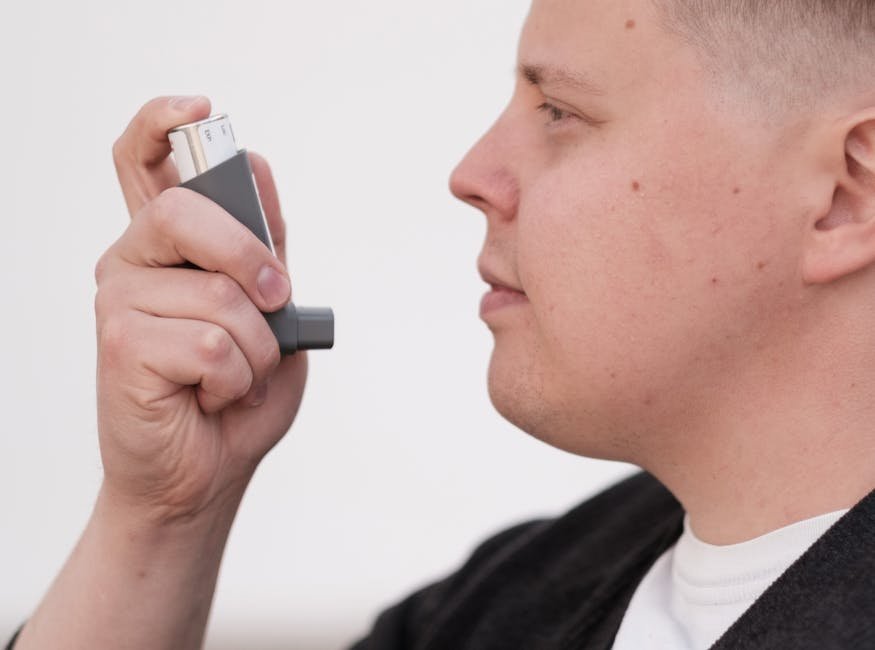
- Use prescribed medicines correctly: If you have a rescue inhaler, use it exactly as directed. If you don’t notice relief within 15 to 20 minutes, seek medical advice rather than taking extra doses.
- Clean up your air: Avoid smoke, strong perfumes, dust, and extreme cold air. A humidifier or cool-mist vaporiser can help if your throat feels dry, but keep it clean to prevent mould growth.
- Stay hydrated: Drinking enough fluids helps keep mucus thinner and easier to clear from the airways. Check with your doctor first if you’ve been advised to limit fluid intake for other health reasons.
- Keep a simple symptom diary: Note when breathlessness starts, what triggered it, how long it lasted, and what helped. This kind of record is invaluable for helping your doctor identify patterns.
- Have an emergency plan ready: Keep your phone charged, your medication list accessible, and important contact numbers somewhere easy to find. Share this plan with a family member or caregiver so everyone knows what to do in a difficult moment.
These steps won’t replace medical treatment, but they can help you feel calmer, more comfortable, and more confident that you’re doing what you can between appointments.
Building Better Respiratory Health: Long-Term Habits That Help
Managing breathing difficulties isn’t just about responding to symptoms — it’s also about creating daily habits that support your lungs and heart over the long term. The good news is that even small, consistent changes can add up to meaningful improvements in how you feel.
Vaccinations are one of the most powerful tools in a senior’s respiratory toolkit. Staying up to date with the annual flu shot, pneumococcal vaccine, and COVID-19 vaccines significantly reduces the risk of serious lung infections. Pair that with regular checkups to manage any chronic conditions like diabetes, heart disease, or high blood pressure, and you’re actively reducing the strain on your breathing system.
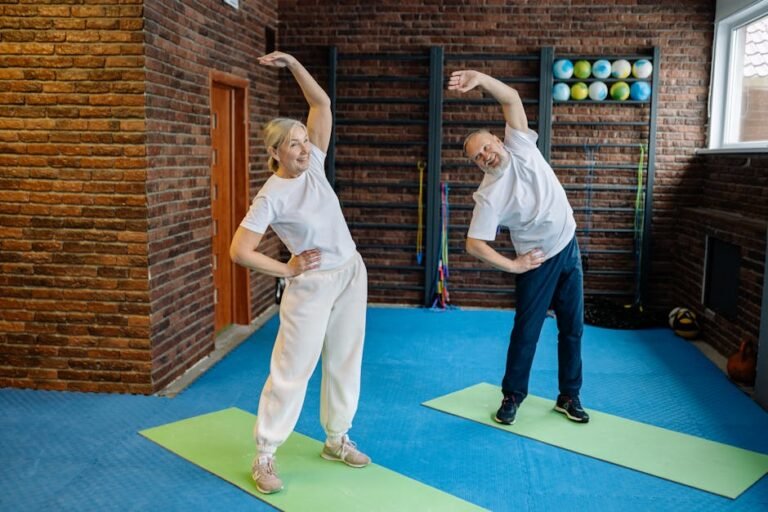
Gentle physical activity is another game-changer. You don’t need to run a marathon — short, slow walks or chair-based exercises can help your lungs and heart work more efficiently over time. If you feel more breathless than usual during movement, slow down, rest, and resume at a gentler pace. Always talk to your doctor before starting a new exercise routine so they can help you find the right level of activity for your specific needs and abilities.
Your home environment matters more than you might think. Keeping living spaces free from tobacco smoke and cooking fumes, reducing dust by cleaning with a damp cloth and using a HEPA-filter vacuum, and addressing any mould or damp patches promptly can all make breathing noticeably easier. If you have pets, regular grooming and cleaning can help keep allergen levels manageable.
Finally, don’t overlook the power of good sleep, adequate hydration, and a balanced diet. Elevating the head of your bed slightly can reduce nighttime breathing difficulties, and staying well nourished gives your body the energy it needs to support healthy respiratory function. Breathlessness can be frightening, and fear itself can make it worse — so leaning on trusted family members, caregivers, or a support network to share your experience is not just emotionally helpful, it’s genuinely good for your health.
When to Call the Doctor — Clear, Simple Guidelines
Knowing when to take action is just as important as knowing how to manage symptoms at home. A useful rule of thumb: if your breathing problems persist for more than a day or two without any improvement, it’s time to contact your healthcare provider. A meaningful change in your normal breathing pattern always deserves a professional evaluation — don’t talk yourself out of making that call.
If any of the red-flag symptoms described earlier appear — blue lips, severe chest pain, sudden confusion, fainting, or a rapid decline in how well you’re breathing — call emergency services immediately. These are not situations to wait and see on.
If you use supplemental oxygen at home and notice your readings dropping, or find yourself needing more oxygen than usual, contact your doctor or head to urgent care. Similarly, if you have a known condition like COPD, asthma, or congestive heart failure and you notice worsening shortness of breath, a new fever, or increased swelling in your legs or ankles, seek care promptly rather than hoping it settles on its own.
The bottom line on seeking help: trust your instincts. You know your body. If something feels different or wrong, it almost always is worth a conversation with your doctor. Healthcare providers would always rather hear from you early than see you in a more serious situation later.
The Bottom Line: Breathing difficulties in older adults are common, but they’re never something to simply ignore. By understanding the most common causes, recognising the warning signs that call for urgent attention, and building simple habits that support your respiratory health every day, you can breathe with more confidence and comfort. Whether it’s practising pursed-lip breathing in the morning, keeping your home free from irritants, or knowing exactly when to pick up the phone and call for help, every small step you take matters. You deserve to breathe easy — and with the right knowledge and a good care team behind you, you absolutely can.
This is not medical advice. Consult your healthcare provider before starting any new health routine or using any product mentioned here.