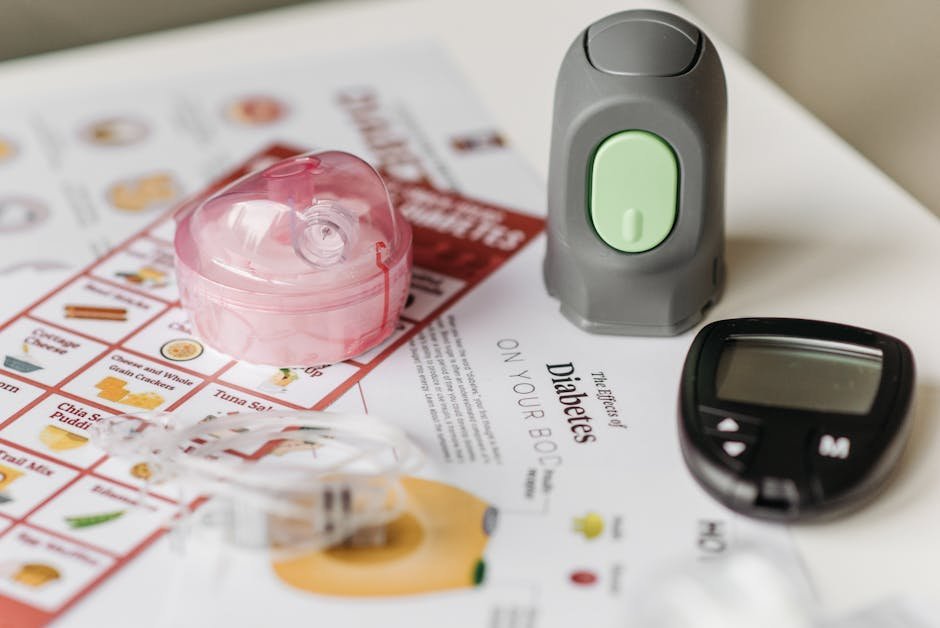
How Stress Affects Blood Glucose: A Practical Guide for Seniors Managing Diabetes
This post contains affiliate links. As an Amazon Associate, I earn from qualifying purchases at no extra cost to you.
Free resources — no credit card required for trial
🎧 Listen to health & wellness audiobooks free for 30 days
Start 30-Day Free Trial →
🛒 Recommended Products
As an Amazon Associate we earn from qualifying purchases at no extra cost to you.
TheraBand First Step to Active Health Kit — Senior Exercise Program for Balance and Fall P
$19.99
EZ Off Jar Opener for Seniors — Under Cabinet Jar Opener for Weak Hands and Arthritis
$9.99
Omron 5 Series Upper Arm Blood Pressure Monitor — 2-User 100-Reading Memory Wide-Range Cuf
$44.99
OMRON 7 Series Wireless Wrist Blood Pressure Monitor — Clinically Validated with Connect A
$69.99
Vitality 4 Life Senior Resistance Band with Instruction Guide — Specifically for Elderly F
$16.99
📚 Read unlimited health books free for 30 days
Try Kindle Unlimited Free →
If you’re living with diabetes, you already know that food choices, medication timing, and exercise all play a role in keeping your blood glucose steady. But there’s one factor that often gets overlooked — and it can send your numbers climbing when you least expect it. Stress. Whether it’s a sleepless night, a worrying health appointment, or just the everyday pressures of life, stress can have a very real impact on blood glucose levels. The good news? Once you understand the connection, you can take simple, gentle steps to manage both. This guide was written with seniors in mind, but anyone living with diabetes will find something useful here.
Why Stress and Blood Glucose Are More Connected Than You Might Think
When you’re stressed — whether it’s emotional worry or a physical challenge like pain or illness — your body reacts by releasing hormones called adrenaline and cortisol. These are your body’s built-in “alarm system,” designed to give you a burst of energy when you need it most. One of the ways they do that is by telling your liver to release stored sugar into your bloodstream. That’s helpful if you’re running from danger, but not so helpful when you’re already managing diabetes.
For people with diabetes, this stress response can push blood glucose higher than your target range — sometimes quite suddenly. And if the stress goes on for days or weeks, the effect compounds. Ongoing, chronic stress can also contribute to insulin resistance, which means your body doesn’t use insulin as efficiently as it should. Over time, that can make blood sugar harder to control even when you’re doing everything else right.
It’s also worth recognising that stress doesn’t just act directly on blood sugar. It affects your whole routine. Stress can disrupt sleep, change your appetite, make you more likely to skip meals or medications, and sap your motivation to stay active. All of these knock-on effects can contribute to glucose swings that feel frustrating and hard to explain.
Common Stressors That Seniors Face — and Why They Matter for Diabetes
Life brings plenty of stressors at every age, but the senior years often come with a unique set of challenges. Recognising what’s causing your stress is an important first step toward managing it. Some of the most common stressors for older adults include health changes, chronic pain, or symptoms that limit activity. Managing multiple medications — and worrying about side effects — can feel overwhelming too.
Emotional stressors matter just as much. Loneliness and social isolation, especially after a move or the loss of a loved one, are deeply stressful. So are financial worries, changes in independence, and grief or major life transitions. Even disrupted sleep routines or the strain of caring for a spouse or grandchild can tip the balance and affect blood glucose over time.
The important thing to know is that you’re not imagining the connection — these very real life pressures have a measurable effect on your body. And that’s not a reason to feel discouraged. It’s actually empowering, because it means addressing stress is a genuine part of your diabetes care, not just a “nice to have.”
Signs That Stress Might Be Affecting Your Blood Sugar
Sometimes it’s hard to know whether stress is behind a change in your blood glucose readings. Here are some signals worth paying attention to. If your fasting or pre-meal blood glucose has been higher than your usual range for several days running, stress could be a contributing factor — especially if nothing obvious in your diet or medication routine has changed. Frequent thirst, needing to urinate more often, unusual fatigue, or blurry vision can all be signs your levels are running high.
On the emotional side, irritability, mood swings, feeling overwhelmed, or having trouble sleeping are all signs that stress is taking a toll. Headaches, dizziness, or shakiness can also be related — though these can equally signal low blood sugar, so it’s always worth checking your glucose if you feel off. Changes in appetite are another clue: some people under stress crave comfort foods and sugary snacks, while others lose their appetite entirely and start skipping meals. Both patterns can cause glucose instability.
Keeping a simple log during stressful periods can help you and your healthcare team spot patterns. Note your stress level, how you slept, what you ate, and your glucose readings. Even a few days of data can reveal a lot.
What You Can Do: Practical Tips to Reduce Stress and Support Healthy Blood Glucose
The strategies below are designed to be gentle, realistic, and safe for older adults. You don’t need to do everything at once — pick one or two to start with and build from there. Small, consistent steps are what make a real difference over time.
- Create a simple daily rhythm. A predictable routine for meals, medications, and glucose checks takes the guesswork out of your day and reduces decision fatigue. Use phone reminders or a calendar to stay on track.
- Try gentle movement most days. Even 10–20 minutes of slow walking, chair exercises, gentle stretching, or chair yoga can help regulate blood sugar and calm your nervous system. Break it into shorter sessions if that suits you better.
- Practice 4-4-6 breathing. Inhale slowly for 4 seconds, hold for 4 seconds, then exhale for 6 seconds. Repeat five times. Do this for just 2–5 minutes daily — especially during tense moments or before bed — and you may notice a real shift in how calm you feel.
- Try the 5-4-3-2-1 grounding technique. Name five things you can see, four you can touch, three you can hear, two you can smell, and one you can taste. This pulls your attention back to the present and interrupts the stress cycle.
- Protect your sleep. Keep a regular bedtime and wake time, dim the lights in the evening, and avoid caffeine after midday. A restful sleep environment can make a surprising difference to both your mood and your blood glucose the next morning.
- Stay connected with people you care about. A 10-minute phone call with a friend or family member can genuinely lift your mood. Consider joining a local senior group, a faith community, or an online group for older adults with diabetes.
- Eat regular, balanced meals. Don’t skip meals in an attempt to lower blood sugar. Instead, focus on regular eating with lean protein, fibre-rich foods, and healthy fats to avoid big dips and spikes. Stay well hydrated too — dehydration can amplify stress and affect your glucose readings.
- Monitor glucose a little more often during stressful periods. Check before meals and at bedtime if you’re going through a particularly difficult patch, and keep a simple log to share with your clinician.
- Review your medications with your pharmacist or doctor. Some medicines for sleep, pain, or anxiety can interact with diabetes management. Never adjust your insulin or diabetes medication without talking to your healthcare provider first.
A good place to start this week: choose two stress-reduction activities to try each day, schedule a consistent glucose check routine, and reach out to at least one person for social connection. At the end of the week, notice what helped most — better sleep, a calmer mood, steadier numbers — and build on that momentum.
Why Managing Stress Is a Core Part of Diabetes Care
It might be tempting to think of stress management as a “soft” topic — something nice to do but not really medical. In fact, managing stress is every bit as important for blood glucose control as watching what you eat or taking your medication on time. When stress is consistently high, it disrupts eating habits, activity levels, medication routines, and sleep all at once. Each of those disruptions, on its own, can affect your glucose. Together, the impact adds up.
On the flip side, when you find effective ways to ease stress — even small ones — the benefits ripple out. Better sleep supports more stable blood sugar. A daily walk calms your nervous system and helps your body use insulin more effectively. A regular routine means fewer missed meals and medications. Social connection boosts mood and makes it easier to stay motivated in your self-care. These aren’t separate benefits — they all work together to help your diabetes feel more manageable.
The key message here is one of encouragement: you don’t need to eliminate stress entirely (which isn’t realistic for anyone). You simply need some reliable tools to work with it. And the ones that work best for diabetes management are also the ones that support your overall wellbeing — which means every step you take benefits your whole self, not just your blood sugar numbers.
When to Talk to Your Doctor or Healthcare Team
While the strategies in this guide are gentle and generally safe, there are times when it’s important to loop in your healthcare team. If your blood glucose has been consistently higher than your target range for several days and you’re not sure why, it’s worth a conversation. Your clinician may want to review your medications, suggest a temporary adjustment, or help identify whether an underlying issue — like an infection or illness — could be contributing to the stress response in your body.
If you’re experiencing severe fatigue, confusion, weakness, chest pain, or difficulty breathing, seek urgent medical help right away. These are not signs to wait out.
It’s also a great idea to proactively ask your doctor about incorporating a simple stress-management plan into your diabetes care routine. Many healthcare providers are very supportive of lifestyle-based approaches — they just don’t always bring them up unless you ask. You might even invite a family member or trusted friend to join you in some of these new habits, so you have company and accountability as you build them into your life.
If you’re looking for tools to support your journey — like a comfortable chair yoga mat, a blood glucose log journal, or a guided relaxation audio programme — these can be wonderful additions to your self-care routine. Look for products specifically designed with seniors in mind for the best fit and ease of use.
The Bottom Line: Stress is a real and measurable influence on blood glucose, and for seniors managing diabetes, understanding this connection is genuinely empowering. When stress hormones rise, so can blood sugar — but with consistent, gentle strategies like regular meals, light movement, breathing exercises, good sleep, and social connection, you can support both your emotional wellbeing and your glucose control at the same time. You don’t need to make big, overwhelming changes. Start small, be kind to yourself, and know that every steady step you take is building a healthier, calmer foundation for your diabetes management. You deserve to feel safer and more in control — and it’s absolutely within reach.
This is not medical advice. Consult your healthcare provider before starting any new health routine or using any product mentioned here.