Natural Solutions for Dry Mouth Relief: A Senior-Friendly Guide to Feeling Better Every Day
This post contains affiliate links. As an Amazon Associate, I earn from qualifying purchases at no extra cost to you.
Free resources — no credit card required for trial
🎧 Listen to health & wellness audiobooks free for 30 days
Start 30-Day Free Trial →
🛒 Recommended Products
As an Amazon Associate we earn from qualifying purchases at no extra cost to you.
TheraBand First Step to Active Health Kit — Senior Exercise Program for Balance and Fall P
$19.99
EZ Off Jar Opener for Seniors — Under Cabinet Jar Opener for Weak Hands and Arthritis
$9.99
Omron 5 Series Upper Arm Blood Pressure Monitor — 2-User 100-Reading Memory Wide-Range Cuf
$44.99
OMRON 7 Series Wireless Wrist Blood Pressure Monitor — Clinically Validated with Connect A
$69.99
Vitality 4 Life Senior Resistance Band with Instruction Guide — Specifically for Elderly F
$16.99
📚 Read unlimited health books free for 30 days
Try Kindle Unlimited Free →
If your mouth often feels sticky, parched, or uncomfortably dry — especially when you wake up in the morning or after taking your daily medications — you are far from alone. Dry mouth relief is one of the most searched topics among older adults, and for good reason: this surprisingly common condition can make eating, speaking, and even smiling feel like hard work. The good news? There are plenty of gentle, practical, and affordable things you can do right at home to bring real comfort back to your mouth and protect your teeth and gums at the same time. Let’s walk through everything you need to know.
What Is Dry Mouth and Why Is It So Common in Seniors?
Dry mouth — known medically as xerostomia — happens when there isn’t enough saliva to keep your mouth properly moist. Saliva does a lot more than just make it easier to chew and swallow. It neutralises acids, washes away food particles, and forms a natural protective barrier for your teeth and gums. When saliva flow decreases, you may notice bad breath, difficulty chewing or swallowing, a tendency for more cavities, or a general feeling of soreness or stickiness in your mouth.
For older adults, dry mouth tends to be more common for a combination of reasons. Our bodies naturally change as we age, and those changes can affect saliva production. But perhaps the biggest contributing factor is medication. Blood pressure pills, antidepressants, allergy and cold medicines, and diuretics are all known to reduce saliva flow — and many seniors take one or more of these daily. Dehydration, sleeping with your mouth open, and certain health conditions can also play a role.
Understanding why your mouth feels dry is the first step to finding lasting relief. The great news is that once you identify the likely causes, many of them can be meaningfully addressed with simple, everyday changes that are gentle on your body and easy to maintain.
Natural Dry Mouth Relief Remedies You Can Try Today
You do not need expensive treatments or complicated routines to start feeling better. Many of the most effective remedies for dry mouth are refreshingly straightforward and budget-friendly. Here are some of the best starting points:
Sip water steadily throughout the day. Rather than gulping down a large glass all at once, aim for small, frequent sips from a water bottle you keep close by. This keeps your mouth consistently moist without overwhelming your system. Unsweetened herbal teas work well too, but try to avoid sugary drinks or anything with a lot of caffeine, which can actually worsen dryness over time.
Reach for sugar-free gum or lozenges with xylitol. Chewing or sucking on these products gently stimulates your salivary glands to produce more saliva — without adding sugar that could damage your teeth. Xylitol, a natural sweetener found in many sugar-free products, may also offer some additional protection for tooth enamel. Try one or two pieces after meals or before bed. If you notice any stomach discomfort, just cut back a little.
Consider over-the-counter saliva substitutes. These come as sprays, gels, or moisturising swabs, and while they do not treat the underlying cause of dry mouth, they can give you quick, soothing relief by coating and hydrating the dry areas inside your mouth. Look for products that are alcohol-free and fragrance-free, as these are far less likely to cause irritation.
Try a gentle saltwater rinse. Dissolve half a teaspoon of salt in eight ounces of warm water, swish it gently around your mouth after meals, and spit it out. This simple rinse can soothe irritated tissue and help clean your mouth when it feels uncomfortable. Follow up with a small sip of water or a saliva substitute if needed.
Lifestyle Changes That Support Long-Term Dry Mouth Relief
Home remedies can bring immediate comfort, but pairing them with a few thoughtful lifestyle adjustments can make a lasting difference to your oral health and overall wellbeing.
Create a moist sleeping environment. Many people breathe through their mouths while sleeping, which can leave them waking up with a painfully dry mouth. Placing a humidifier in your bedroom adds moisture to the air and can significantly reduce overnight dryness. Just make sure to clean it regularly to prevent mould and bacteria build-up. If nasal congestion is causing you to mouth-breathe, a gentle saline nasal spray used as directed may help you breathe more through your nose and keep your mouth moister.
Review your medications with your healthcare team. This is one of the most important steps you can take. Many common medications list dry mouth as a side effect, but you should never stop taking a prescribed medicine on your own. Instead, bring a full list of your current medications to your next appointment and ask your doctor or pharmacist whether any of them could be contributing to your symptoms. There may be alternatives available, or your dosing schedule could be adjusted to help.
Cut back on things that worsen dryness. Alcohol, caffeine, and tobacco products are all known to dry out the mouth and irritate the soft tissues inside it. Reducing your intake — or eliminating tobacco entirely — can make a noticeable improvement. You might also check your mouthwash: many traditional rinses contain alcohol, which can actually make dry mouth worse for some people. Switching to an alcohol-free mouthwash or simply relying on brushing and saliva substitutes on some days can help.
Pay special attention if you wear dentures. Dry mouth can make dentures feel loose, uncomfortable, or prone to causing sores. Clean and soak them as directed, and let your dentist know if they feel ill-fitting. Proper fit and care are especially important when your mouth is producing less saliva to act as a natural cushion.
Foods That Help — and Foods to Avoid
What you eat can have a surprisingly big impact on how comfortable your mouth feels throughout the day. Choosing the right foods is an easy, enjoyable way to support dry mouth relief without any extra effort.
Foods with a high water content are your best friends. Think cucumbers, watermelon, oranges, berries, and soft melons. Soups and broths are wonderful choices at mealtimes — they hydrate you while also being easy to chew and swallow. Stews, gravies, and sauces can also help if you are eating something drier, as they reduce the friction in your mouth and make food easier to manage.
On the other hand, some foods can worsen dry mouth or cause extra irritation when your mouth is already sensitive. Very salty, spicy, or acidic foods can aggravate dry or inflamed tissue. Dry, crumbly foods like crackers or toast without any accompanying moisture can be especially uncomfortable. Pay attention to how your mouth feels after eating different things, and adjust accordingly. This is not about restricting yourself — it is about making smart swaps that keep you comfortable and well-nourished.
What You Can Do: A Practical Dry Mouth Relief Routine
Building a simple, consistent daily routine is the most effective way to manage dry mouth over the long term. Here are some practical steps to get you started:
- Keep water within reach at all times — by your chair, your bed, and on the dining table. Small, regular sips throughout the day are more effective than large amounts taken infrequently.
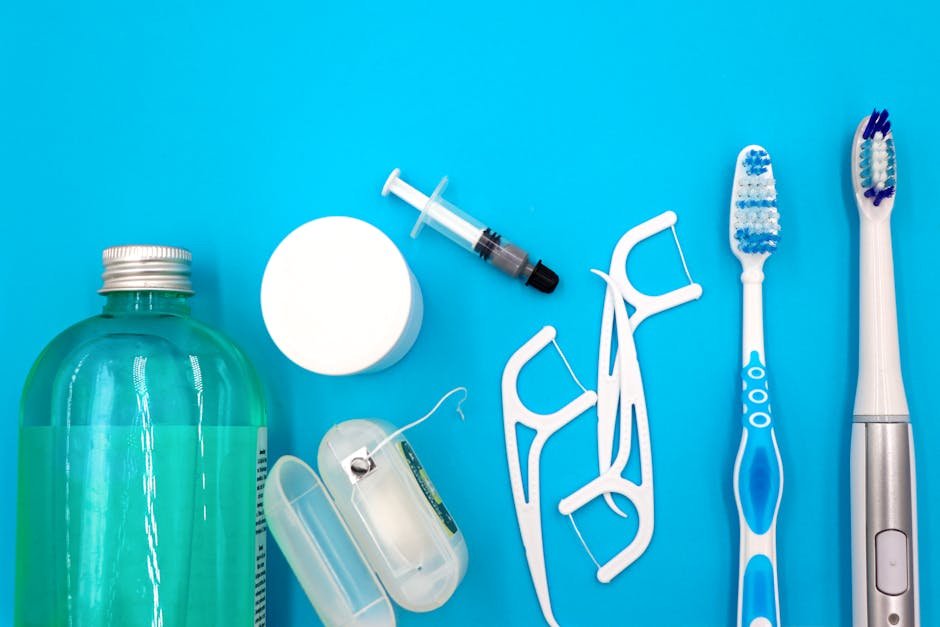
- Put together a “mouth-friendly kit” that you can carry with you: a small water bottle, sugar-free gum or xylitol lozenges, a travel-size saliva spray, and a soft-bristled toothbrush.
- Brush twice daily with a fluoride toothpaste and a soft-bristled brush — gently, without scrubbing too hard. Aggressive brushing can irritate already-sensitive gums.
- Floss every day to remove plaque from between your teeth, where reduced saliva means food and bacteria can build up more easily.
- Use a lip balm that is fragrance-free and gentle to prevent cracking and soreness on your lips, which are especially vulnerable when your mouth is dry.
- Run a humidifier overnight in your bedroom and clean it weekly to prevent mould growth.
- Visit your dentist every six months (or as advised), and always mention your dry mouth so they can tailor their care and recommendations to your specific needs.
- Choose alcohol-free mouthwash if you use one, or skip it on days when your mouth feels particularly sensitive and rely on brushing and a saliva substitute instead.
- Pair dry foods with sauces, gravies, or broths to make eating more comfortable and enjoyable.
When to Seek Professional Help for Dry Mouth
Most cases of dry mouth respond well to the home remedies and lifestyle changes described above. However, there are times when it is important to reach out to a healthcare professional sooner rather than later.
If your dry mouth has lasted for more than two weeks, or if it seems to be getting worse rather than better, that is a signal worth paying attention to. Persistent dryness can sometimes point to an underlying health condition such as diabetes or Sjögren’s syndrome, a condition where the immune system affects the glands that produce moisture. Your doctor can help identify whether something more is going on and adjust your care accordingly.
You should also seek professional advice if you are having difficulty swallowing or speaking, if you notice pain inside your mouth, or if you see severe cracking, sores, or bleeding. These can be signs of infection or tissue damage that needs prompt attention to prevent complications. Similarly, if you are unsure whether a particular saliva substitute, mouthwash, or herbal remedy is safe for you — especially if you have allergies or other health conditions — always check with your dentist or pharmacist first before trying it.
The key message here is that dry mouth is manageable, and you do not have to put up with discomfort or worry in silence. The right support is available, and reaching out is always a sign of strength, not weakness.
The Bottom Line: Dry mouth is one of the most common challenges facing older adults, but it does not have to take over your day or dim your smile. With consistent hydration in small sips, the right sugar-free products, gentle daily oral care, a humidified bedroom, and a thoughtful review of your medications with your healthcare team, you can find real and lasting dry mouth relief. Stay in touch with your dentist and doctor, listen to your body, and remember — small, steady actions add up to a healthier, more comfortable mouth over time. You deserve care that is kind, practical, and effective, and with the steps in this guide, you are well on your way to getting it.
This is not medical advice. Consult your healthcare provider before starting any new health routine or using any product mentioned here.