Lifestyle Tips for Seniors Managing Chronic Pain: Gentle, Practical Strategies for Better Days
This post contains affiliate links. As an Amazon Associate, I earn from qualifying purchases at no extra cost to you.
Free resources — no credit card required for trial
🎧 Listen to health & wellness audiobooks free for 30 days
Start 30-Day Free Trial →
🛒 Recommended Products
As an Amazon Associate we earn from qualifying purchases at no extra cost to you.
TheraBand First Step to Active Health Kit — Senior Exercise Program for Balance and Fall P
$19.99
EZ Off Jar Opener for Seniors — Under Cabinet Jar Opener for Weak Hands and Arthritis
$9.99
Omron 5 Series Upper Arm Blood Pressure Monitor — 2-User 100-Reading Memory Wide-Range Cuf
$44.99
OMRON 7 Series Wireless Wrist Blood Pressure Monitor — Clinically Validated with Connect A
$69.99
Vitality 4 Life Senior Resistance Band with Instruction Guide — Specifically for Elderly F
$16.99
📚 Read unlimited health books free for 30 days
Try Kindle Unlimited Free →
If you’re a senior managing chronic pain, you already know how much it can shape your day — from the moment you wake up in the morning to the time you finally settle in for the night. Maybe you’ve learned to pace yourself, to protect your energy for the things that matter most, or to quietly adapt your routine around what your body needs. You are not alone in this, and more importantly, you don’t have to figure it all out by yourself. This guide is full of warm, practical lifestyle tips for seniors managing chronic pain — small, real changes you can try at your own pace that may help you feel more comfortable, more confident, and more in control of your days.
Understanding Your Pain: The Power of Noticing Patterns
Chronic pain has a way of telling its own story. It shifts with the weather, changes after activity, or flares up after a rough night’s sleep. One of the most empowering things you can do is start listening to that story a little more closely. Keeping a simple pain diary — even just a few lines jotted down each day — can reveal patterns you might not have noticed before.
Try noting what you did that day and when your pain got better or worse, what seemed to help (a warm bath, a gentle stretch, resting in a certain chair), how well you slept, and your general energy level. Over time, this kind of light record-keeping becomes a valuable tool — not just for your own awareness, but for conversations with your doctor. When you can say “my pain tends to peak on days after poor sleep” or “walking in the morning helps more than walking in the afternoon,” you and your healthcare team can build a smarter, safer plan together.
There’s no need for a fancy notebook or an app. A simple notepad on your bedside table works perfectly. The goal isn’t perfection — it’s gentle awareness.
Safe, Gentle Movement: Your Body Still Wants to Move
It might seem like the safest option when you’re in pain is to rest completely, but gentle, consistent movement is actually one of the most supportive things you can offer your body. Research consistently shows that low-impact activity helps reduce stiffness, supports joint health, lifts mood, and even helps dial down pain signals over time. The key word here is gentle — this is not about pushing hard or running a marathon.
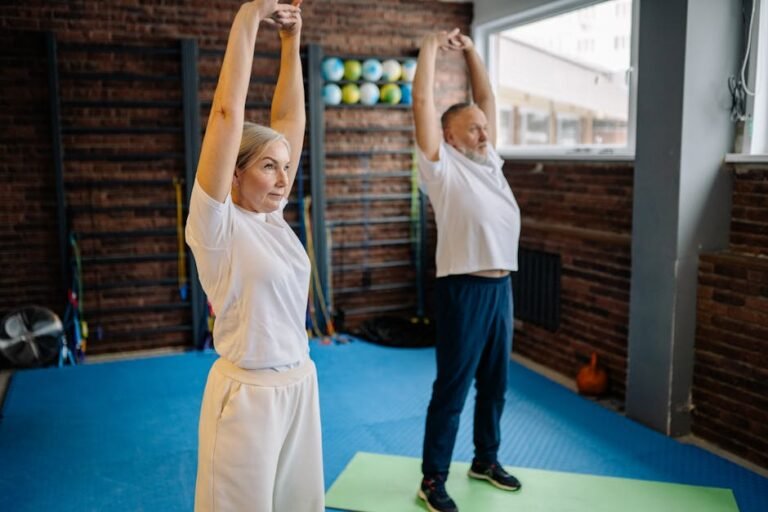
Start with just 5 to 10 minutes of easy movement on most days. A slow walk around the garden or down the hallway, some light stretching in a chair, or gentle ankle circles and shoulder rolls are wonderful places to begin. If even 10 minutes feels like a lot on a difficult day, try breaking it into 2- to 3-minute bursts throughout the day with rest in between. Chair yoga is another brilliant option — it’s low-impact, adaptable, and surprisingly effective for flexibility and relaxation.
Consistency matters far more than intensity. It’s better to move gently every day than to overdo it once and spend three days recovering. If you’re new to exercise or have concerns about your balance, ask your doctor for a referral to a physical therapist or a fitness instructor with experience in working with older adults. They can tailor a safe, personalised plan just for you.
It’s also worth investing in a few simple tools that make movement more comfortable and safer. Supportive shoes with good grip, a sturdy cane or walker if you need one, and cushioned mats for floor stretches can all make a meaningful difference in how safe and confident you feel as you move.
Nourishing Your Body: Food as Everyday Support
What you eat every day has a quiet but real influence on how you feel. While no single food is a cure for chronic pain, building your meals around nourishing, wholesome ingredients can support your energy, your digestion, and your overall sense of wellbeing. The good news is that eating well doesn’t have to be complicated or expensive.
Aim for a colourful plate at every meal. Fruits and vegetables in a range of colours bring a wide variety of beneficial nutrients to the table. Pair them with a lean protein — fish, chicken, beans, or lentils are all great choices — along with a whole grain like oats, brown rice, or whole-wheat bread, and a source of healthy fat such as olive oil, a small handful of nuts, or some avocado. This kind of balanced meal gives your body steady energy without heaviness.
Hydration is often overlooked but genuinely important. Drink water regularly throughout the day — you don’t have to wait until you feel thirsty. If plain water doesn’t appeal to you, try herbal tea, or add a squeeze of lemon or a splash of fruit juice to make it more enjoyable. Staying well hydrated supports everything from joint lubrication to mental clarity.
And please, be kind to yourself around food. Enjoying a favourite treat now and then is completely fine. The goal is building steady, nourishing habits most of the time — not perfection every day. Simple, reliable meals like a hearty vegetable soup, a grain bowl with beans and greens, or baked fish with steamed vegetables are easy wins that take care of your body without stressing you out.
Rest, Sleep, and Managing Your Energy Wisely
Poor sleep and chronic pain have a frustrating relationship — pain makes it harder to sleep, and poor sleep often makes pain feel worse. Creating a gentle, consistent bedtime routine can help break this cycle. Try to go to bed and wake up at roughly the same time each day, even on weekends. Signal to your body that it’s time to wind down with a warm bath or shower, some soft music, or a few minutes of gentle stretching.
Your sleep environment matters too. A cool, dark, quiet room with comfortable, supportive bedding can make a real difference to sleep quality. If you find noise disruptive, a white noise machine or a simple fan can help. Avoid caffeine after mid-afternoon, and try not to eat heavy meals late in the evening — both can interfere with falling and staying asleep.
During the day, managing your energy is just as important as managing your activity. Space out your tasks so you’re not exhausting yourself by noon. If you need a rest during the day, a short 20- to 30-minute nap earlier in the afternoon can be genuinely restorative without disrupting your nighttime sleep. Sitting down to rest during longer tasks — using a chair near the kitchen counter while you cook, for example — is a smart way to stay active while protecting your energy.
What You Can Do: Practical Tips for Managing Chronic Pain Every Day
Here is a collection of practical, gentle strategies you can start using right away. Choose one or two that feel most relevant to you and build from there — there’s no need to try everything at once.
- Use heat and cold wisely: A warm bath, a heated blanket, or a heating pad on a low setting can ease stiff, sore muscles and joints. For swelling or acute flare-ups, a cold pack can help calm the inflammation. Always use a cloth barrier between your skin and any heat or cold source to avoid burns or irritation.
- Try gentle self-massage: Using light, gradual pressure, massage your shoulders, hands, or feet to ease tension. A loved one or carer can help with areas that are harder to reach. Even a few minutes can bring noticeable relief.
- Practice slow, deep breathing: Breathe in through your nose for a count of four, then breathe out through your mouth for a count of six. Repeat for a few minutes whenever pain feels overwhelming or anxiety rises. This simple technique can genuinely calm your nervous system.
- Try the 5-4-3-2-1 grounding technique: Notice five things you can see, four you can touch, three you can hear, two you can smell, and one you can taste. This mindfulness exercise helps bring you back to the present moment when pain feels too loud.
- Use mindful distraction during pain spikes: Put on your favourite music, pick up a short story, or call a friend. Shifting your attention doesn’t ignore the pain — it gently reduces how much mental space it takes up.
- Keep pathways clear and well-lit: Remove trip hazards from walkways, install night lights in hallways and bathrooms, and always wear supportive shoes with good grip indoors and out. Fall prevention is one of the most important safety steps you can take.
- Manage medications carefully: Keep a clear, simple list of everything you take and when, and review it regularly with your doctor or pharmacist to check for any interactions, including supplements and over-the-counter products.
- Stay socially connected: A phone call, a short visit with a neighbour, or even a message to a friend can lift your mood and reduce feelings of isolation. Connection is genuinely good medicine.
- Write one thing down each morning: A small note of gratitude or one tiny success from the day before can help shift your focus toward what is going well, even on hard days.
- Ask for help when you need it: If pain or fatigue is making daily tasks harder, reaching out to family, friends, or a home care helper is a sign of wisdom, not weakness.
Your Mental and Emotional Wellbeing Matters Just as Much
Living with chronic pain takes a real emotional toll, and it’s important to acknowledge that honestly. Feelings of frustration, sadness, anxiety, or grief about what pain has taken from your life are completely valid. Taking care of your mental health is not separate from managing your physical pain — the two are deeply connected. When your mood is low, pain often feels more intense. When your spirits lift, even a little, the same pain can feel more manageable.
Gentle journaling can be a surprisingly powerful daily practice. Writing down one thing you’re grateful for, or one small moment that felt good — even if it was just a cup of tea you enjoyed, or a song that made you smile — helps train your attention toward the positive without dismissing what’s hard. It doesn’t need to be long or eloquent. Just honest and yours.
If sadness, anxiety, or worry feels persistent or heavy, please don’t hesitate to reach out for support. Talking to a counsellor, a trusted person in your community, or even a clergy member can make an enormous difference. You deserve to feel emotionally supported just as much as you deserve physical care. Chronic pain is a journey, and no one should walk it entirely alone.
Celebrate the small victories too — the morning you moved a little more easily, the night you slept a bit better, the moment you felt calm during a difficult flare. Each of those moments is real progress, and each one deserves to be acknowledged. You are already showing strength simply by seeking ways to live better with pain.
When to Seek More Help from Your Healthcare Provider
While lifestyle changes can make a meaningful difference in how you feel day to day, there are times when it’s important to reach out to your healthcare provider without delay. If your pain changes suddenly or significantly, lasts longer than a few weeks without any improvement, or is accompanied by new symptoms like weakness, numbness, fever, confusion, or a noticeable change in your balance, please contact your doctor promptly.
Pain can absolutely be improved with the right combination of lifestyle strategies, medical care, and support — but some situations need closer professional attention to rule out underlying causes that require specific treatment. Your doctor is your partner in this, and the pain diary you’ve been keeping can be a genuinely useful tool to bring to those appointments. The more clearly you can describe what’s happening, the better equipped your healthcare team will be to help you.
The Bottom Line: Managing chronic pain as a senior isn’t about fighting your body every single day — it’s about building a gentle, reliable toolkit of habits you can reach for when pain rises. With movement that fits your body, food that nourishes and sustains, rest that truly restores, and small daily practices for your mind and mood, better days are genuinely within reach. Start with just one small change this week — perhaps a five-minute morning stretch, a glass of water before each meal, or a few lines in a simple pain diary. Over time, those small, kind acts toward yourself add up to something meaningful: a steadier, more comfortable, more connected life. You deserve that.
This is not medical advice. Consult your healthcare provider before starting any new health routine or using any product mentioned here.