Motor Control Deficits and Chronic Spinal Pain: Why Your Back Keeps Hurting (And What You Can Do About It)
This post contains affiliate links. As an Amazon Associate, I earn from qualifying purchases at no extra cost to you.
Free resources — no credit card required for trial
🎧 Listen to health & wellness audiobooks free for 30 days
Start 30-Day Free Trial →
📚 Read unlimited health books free for 30 days
Try Kindle Unlimited Free →
Free resources — no credit card required for trial
🎧 Listen to health & wellness audiobooks free for 30 days
Start 30-Day Free Trial →
🛒 Recommended Products
As an Amazon Associate we earn from qualifying purchases at no extra cost to you.
Branfit Shoulder and Back Brace Posture Corrector — Breathable Posture Trainer for Upper B
$24.99
Posture Corrector for Women and Men — Comfortable Effective Brace for Shoulder and Back Pa
$22.99
Bodywellness Posture Corrector for Men and Women — Adjustable Back Straightener with Clavi
$19.99
Updated Posture Corrector — Adjustable Upper Back Brace for Clavicle Support and Neck Pain
$21.99
TRIDUCNA Shiatsu Neck Back and Shoulder Massager with Heat — Deep Tissue 3D Kneading Pillo
$49.99
📚 Read unlimited health books free for 30 days
Try Kindle Unlimited Free →
If you’ve ever wondered why your back or neck pain just won’t quit — why it flares up again just when you think you’re finally over it — you’re in very good company. Millions of people live with spinal pain that seems to linger long after an injury should have healed, or that creeps back without any obvious cause. The frustrating truth is that in many cases, the real culprit isn’t the original injury at all. It’s something subtler, and surprisingly common: a breakdown in how your brain and muscles work together to control and support your spine. This is what researchers and clinicians call motor control deficits — and understanding how they contribute to chronic spinal pain could genuinely change how you manage your back health for good.
Your Spine Is a Team Effort — Here’s Why That Matters
Before we talk about what goes wrong, it helps to appreciate just how extraordinary your spine really is. It’s not a rigid, static column — it’s a dynamic, flexible structure that lets you bend, twist, reach, and carry, all while protecting the delicate spinal cord running through it. That impressive balance between mobility and stability doesn’t happen by accident. It’s the result of an intricate network of muscles working in constant, carefully coordinated harmony.
Think of your spine like a tent pole. On its own, it would topple over. What keeps it upright and stable are the guy ropes pulling in multiple directions, adjusting moment by moment to changing forces. Your spinal muscles are those guy ropes — and they fall into two broad groups that need to work as a team.
The first group is your deep stabilisers: smaller muscles sitting close to the spine itself. They work almost continuously in the background, making tiny, precise adjustments that keep each spinal segment aligned and moving correctly. The second group is your superficial mobilisers: larger, more powerful muscles responsible for the bigger movements — lifting, rotating, bending forward. When both groups are communicating well and firing in the right sequence, your spine moves efficiently and safely. When they’re not, that’s when the trouble starts.
What Are Motor Control Deficits and Why Do They Cause Spinal Pain?
Motor control deficits sound like a complex medical term, but the concept is actually quite straightforward. It simply means that your brain and muscles aren’t coordinating as effectively as they should be. Crucially, this isn’t always about weakness in the traditional sense — sometimes the muscles are perfectly capable of working, but they’re activating at the wrong time, firing with the wrong intensity, or not switching on at all when they’re needed most.
Here’s a common scenario: if those deep stabilising muscles aren’t doing their job properly, the larger, more superficial muscles will try to pick up the slack. But those bigger muscles are built for generating power, not for the kind of fine-tuned, constant micro-adjustments that spinal stability requires. They overwork, become tight and fatigued, and ultimately fail to provide the precise support your spine needs. This substitution strategy might seem to “work” in the short term, but over time it places excessive stress on your joints, ligaments, and surrounding tissues — and that means pain.
So what causes this breakdown in the first place? It’s rarely one single thing. A sudden injury can immediately disrupt normal muscle activation patterns, and sometimes those disrupted patterns stick around long after the original injury heals. Poor posture — the kind that comes from hours hunched over a laptop or scrolling on your phone — can essentially “teach” your muscles inefficient habits. A sedentary lifestyle reduces muscle responsiveness. Repetitive movements with poor technique cause fatigue and compensation. Even natural ageing and gradual spinal degeneration can affect how well your muscles coordinate. Often it’s a combination of several of these factors building quietly over time.
The Slippery Slope: How Motor Control Issues Lead to Chronic Spinal Pain
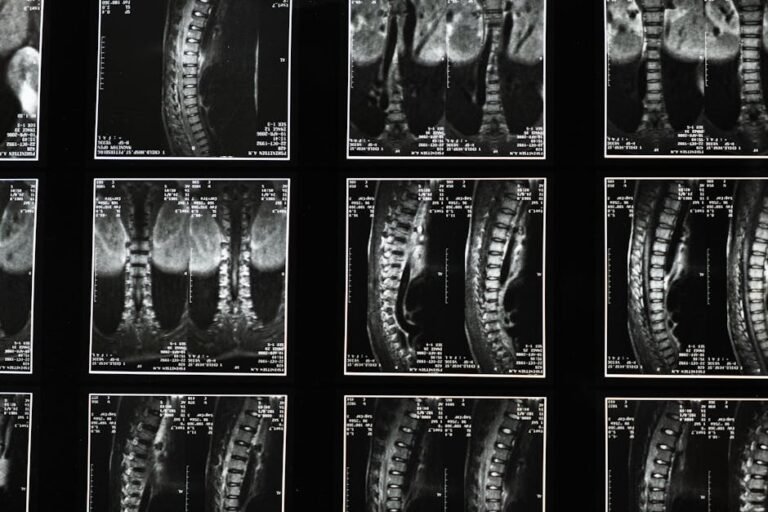
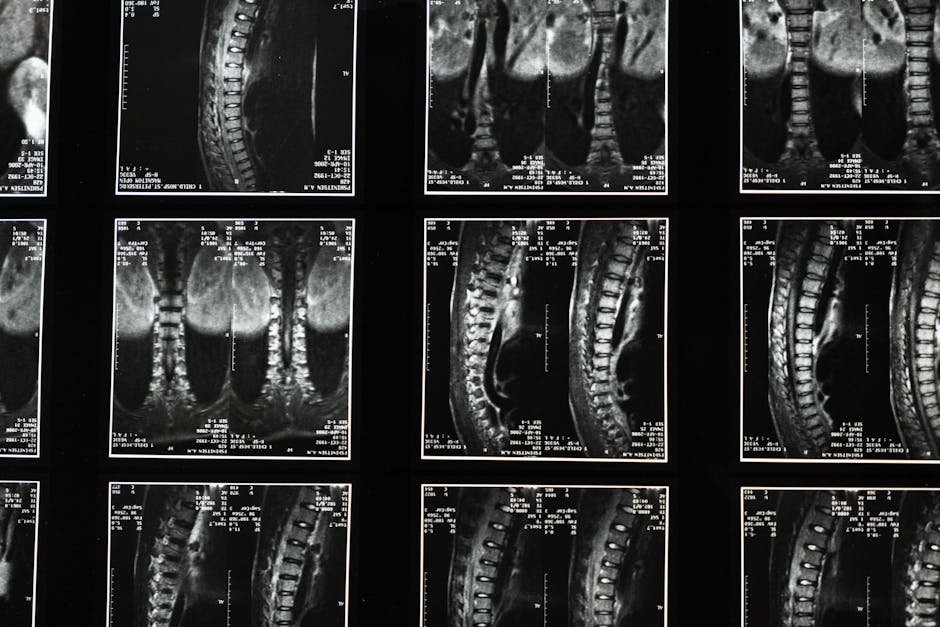
One of the most disheartening things about chronic spinal pain is that it often feels completely disproportionate to what’s actually happening in the tissues. You may have had a scan showing only minor changes, yet the pain feels very real and very persistent. This is because chronic pain isn’t just about damaged tissue — it involves genuine changes in how your nervous system processes and amplifies pain signals.
When motor control deficits go unaddressed, a self-reinforcing cycle sets in. Your body initially adopts compensatory movement patterns to protect the painful area — which makes perfect sense in the short term. But when these inefficient patterns persist, they become ingrained habits. Other muscles grow tight or weak in response, your biomechanics shift further, and the underlying instability worsens. Meanwhile, prolonged muscular dysfunction and ongoing stress on the tissues can contribute to low-grade, persistent inflammation that keeps feeding pain signals to your brain.
Over time, something called central sensitisation can develop. This is where your nervous system essentially gets stuck in “high alert” mode, amplifying pain signals far beyond what the tissue damage alone would warrant. It’s as if your body’s internal alarm system has had its sensitivity dial turned up too high — small, harmless movements start triggering disproportionate pain responses, and discomfort can spread to new areas. Psychological and social factors — stress, poor sleep, anxiety, feeling isolated — can further amplify this cycle. This isn’t imaginary or exaggerated pain; it’s a real neurophysiological process with a real biological explanation.
Understanding this journey from acute muscle dysfunction to chronic, persistent spinal pain is genuinely empowering. Because if motor control deficits are a core part of the problem, then retraining your muscles and restoring proper coordination is a core part of the solution.
What You Can Do: Practical Tips for Better Spinal Motor Control
The encouraging news is that motor control deficits are not a life sentence. Your muscles and nervous system are adaptable — they can learn new, better patterns with the right guidance and consistent practice. The goal here isn’t just to strengthen muscles in the conventional sense, but to retrain them to activate at the right time, in the right sequence, with appropriate coordination. Here are practical steps you can start working on:
- Focus on mindful movement, not just exercise: Pay attention to how you move through everyday activities — sitting, standing up, lifting the shopping, picking something off the floor. Are you bracing your core slightly before you move? Are you distributing load evenly? Small, intentional adjustments repeated consistently throughout the day add up to big changes over time.
- Address your posture proactively: Slumping at a desk for hours trains your spinal muscles to adopt inefficient positions. Work on sitting with a gentle natural curve in your lower back, keep screens at eye level, and try to vary your position regularly rather than staying in one posture for too long.
- Prioritise deep core stability exercises: Generic sit-ups and crunches aren’t always the answer. Exercises that target the deep stabilising muscles — think Pilates-based movements, bird-dogs, dead bugs, and gentle lower abdominal activations — tend to be far more effective for spinal motor control. Low-load, controlled, and precise beats high-intensity every time for this goal.
- Try Pilates or functional movement training: Both are excellent for retraining the coordination between your deep and superficial muscle systems. Many studios and online platforms offer beginner-friendly programmes specifically designed for back health.
- Make your workspace ergonomic: An ergonomic chair, a monitor at the right height, a keyboard that keeps your wrists neutral — these aren’t luxuries, they’re genuine investments in your spinal health. Set a timer to remind yourself to stand, stretch, and move briefly every 45–60 minutes.
- Manage stress actively: Chronic stress increases muscle tension throughout the body and can amplify how intensely your nervous system perceives pain. Build in daily stress-reduction practices — even ten minutes of deep breathing, a short walk outside, or a simple mindfulness exercise can make a measurable difference to how your body handles pain.
- Don’t ignore early warning signs: A persistent ache, a new stiffness, a feeling that something’s “not quite right” — these are your body’s signals that something needs attention. Early intervention is far easier than trying to address deeply ingrained patterns months or years down the line.
- Seek assessment from a qualified professional: A physiotherapist, osteopath, or chiropractor can assess your specific motor control patterns, identify which muscles are underactive or overcompensating, and design a personalised rehabilitation programme. This is arguably the single most valuable step you can take.
The Role of Professional Guidance in Retraining Your Spine
It’s worth dwelling on that last point, because self-directed exercise has its limits — especially when movement patterns have been dysfunctional for a long time. A trained physiotherapist or movement specialist doesn’t just give you a generic exercise sheet. They watch how you move, assess the timing and quality of your muscle activations, and identify the specific weak links in your spinal control system. This kind of tailored approach is far more effective than any one-size-fits-all programme.
Motor control rehabilitation often progresses in stages — starting with learning to correctly activate the deep stabilisers in simple, controlled positions, before gradually layering in more complex, functional movements that reflect real life. This process takes patience and consistency, but the research behind it is solid, and many people who have struggled with recurring spinal pain for years find significant, lasting improvement through this approach.
If access to in-person physiotherapy is limited, there are reputable online programmes and apps developed by physiotherapists that can guide you through evidence-based spinal motor control exercises. Look for programmes that emphasise form, breathing, and gradual progression rather than simply “pushing through” discomfort. Equally, supportive products like lumbar cushions for desk work, foam rollers for muscle release, or resistance bands for rehabilitation exercises can complement your recovery — just be sure to use them as part of a broader strategy, not as a replacement for proper movement retraining.
Building a Spine-Healthy Lifestyle for the Long Term
Recovering from — and preventing — chronic spinal pain isn’t a one-time fix. It’s an ongoing commitment to how you move, rest, and look after your body. The reassuring thing is that once you start retraining your motor control system and building better movement habits, these improvements tend to compound. Your muscles become more responsive, your posture improves almost automatically, and activities that used to provoke pain gradually become manageable again.
Think of it as restoring your body’s natural intelligence about how to move safely. You were born with this capability — injury, sedentary habits, stress, and poor ergonomics can erode it, but it can always be rebuilt. The key is approaching the process with patience rather than frustration. Progress in motor control rehabilitation is often non-linear; you may have good weeks and harder ones. That’s completely normal. What matters is the overall trend over weeks and months.
Stay consistent with your exercises, keep moving throughout the day, prioritise sleep (your muscles and nervous system both recover during rest), manage stress, and stay in communication with any healthcare professionals supporting your journey. Small, sustained efforts really do add up to transformative results for spinal health.
The Bottom Line: Chronic spinal pain is often far more than a straightforward structural problem — it’s frequently rooted in how your muscles coordinate and control your spine, a concept known as motor control deficits. When your deep stabilising muscles and superficial mobilisers stop working in harmony, compensatory patterns develop, tissues become overloaded, and your nervous system can amplify pain in a self-perpetuating cycle. The empowering flip side of this is that by retraining your muscles to activate correctly, improving your posture and movement habits, managing stress, and working with qualified professionals, you can genuinely interrupt that cycle and build a healthier, more resilient spine — whatever your age or starting point.
This is not medical advice. Consult your healthcare provider before starting any new health routine or using any product mentioned here.