Daily Bone-Strengthening Habits: Simple Routines to Protect Your Joints and Stay Active
This post contains affiliate links. As an Amazon Associate, I earn from qualifying purchases at no extra cost to you.
Free resources — no credit card required for trial
🎧 Listen to health & wellness audiobooks free for 30 days
Start 30-Day Free Trial →
🛒 Recommended Products
As an Amazon Associate we earn from qualifying purchases at no extra cost to you.
TheraBand First Step to Active Health Kit — Senior Exercise Program for Balance and Fall P
$19.99
Vitality 4 Life Senior Resistance Band with Instruction Guide — Specifically for Elderly F
$16.99
Relaxgiant Resistance Bands for Seniors — Exercise Bands for Elderly Physical Therapy and
$12.99
Resistance Bands for Seniors — Exercise Band for Mobility and Strength with Standing and C
$14.99
📚 Read unlimited health books free for 30 days
Try Kindle Unlimited Free →
Free resources — no credit card required for trial
🎧 Listen to health & wellness audiobooks free for 30 days
Start 30-Day Free Trial →
📚 Read unlimited health books free for 30 days
Try Kindle Unlimited Free →
Your bones are quietly working hard for you every single day — supporting every step you take, every reach, every grandchild’s hug. But as the years go by, bones can lose a little of their density and resilience, and joints can start to feel the difference. The wonderful news? You don’t need a gym membership or a complicated programme to make a real difference. Daily bone-strengthening habits — small, consistent actions woven into your regular routine — can help keep your bones strong, your joints mobile, and your independence firmly in your hands. Whether you’re in your sixties, seventies, eighties, or beyond, it’s never too late to start investing in your skeletal health.
Why Bone Health Matters More Than You Might Think
Most of us don’t give our bones much thought until something goes wrong. But bones aren’t just rigid scaffolding — they work hand in hand with your joints to help you move, bend, stand, and sit comfortably. When bones are strong and dense, they’re better equipped to handle the everyday stresses of life: climbing stairs, carrying groceries, getting out of bed, or kneeling down in the garden.
As we age, natural changes in bone density, balance, and muscle strength can increase the risk of fractures — even from a minor stumble. This doesn’t mean slowing down is inevitable. It means that building daily bone-strengthening habits now can genuinely protect you later. Healthy bones also support better joint mobility, so you’ll likely notice that when you work on bone health, your overall movement feels freer and more comfortable too.
Think of bone health as a long-term investment. Every walk you take, every calcium-rich meal you enjoy, and every balance exercise you practise is a deposit into that account — and the returns are a more active, confident, and independent life.
Daily Bone-Strengthening Habits: Movement That Really Helps
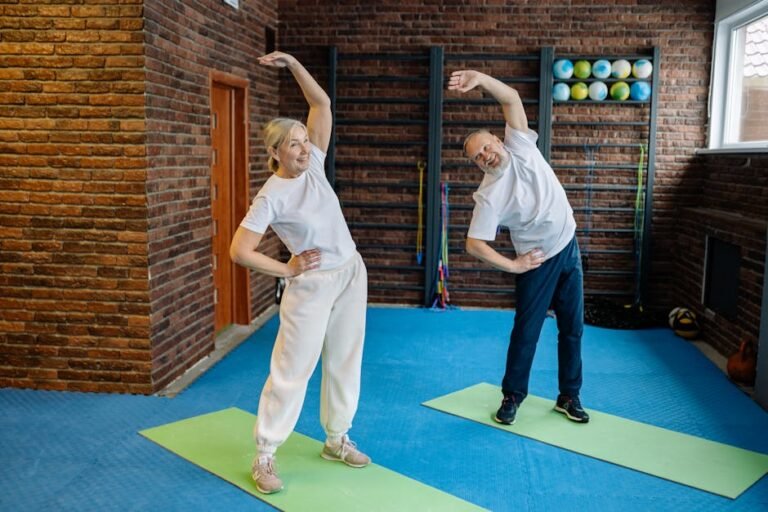
The two most powerful tools in your bone-health toolkit are weight-bearing activity and resistance (strength) work. Weight-bearing activities are simply movements that make you work against gravity — walking, marching in place, gentle stair climbing, or even standing while doing household tasks. These activities stimulate bone growth and keep joints flexible. Aim for around 20 to 30 minutes most days, or break it up into two 10-minute sessions if that’s more manageable.
Resistance exercise is equally important, because strong muscles actually pull on bones — and that pulling action encourages bones to stay dense and sturdy. You don’t need a weight rack. Chair squats, wall push-ups, seated knee extensions, and leg lifts using your own body weight are all brilliant starting points. If you’d like a little extra challenge, light dumbbells or resistance bands are affordable and easy to use at home. Try to do resistance work two to three times a week, with at least one rest day in between, and start with one set of 8 to 12 repetitions for each exercise before gradually building up.
Safety is everything here. Always have a sturdy chair or counter nearby for balance support, wear supportive shoes with good grip, and stop immediately if you feel sharp pain, dizziness, or significant joint discomfort. If you have a history of fractures, osteoporosis, or ongoing joint conditions, check with your doctor or physiotherapist before beginning any new exercise routine.
Balance and Flexibility: Your Best Defence Against Falls
Falls are one of the biggest risks to bone health in older adults, and the good news is that balance training can dramatically reduce that risk. You don’t need special equipment — just a few minutes a day near a kitchen counter or the back of a sturdy chair. Simple practices like standing on one leg for 15 to 20 seconds, heel-to-toe walking along a straight line, or gently shifting your weight from foot to foot can make a meaningful difference to your stability over time.
Flexibility work is the perfect complement to balance training. Gentle stretches for your hips, shoulders, and spine help maintain your range of motion and reduce the stiffness that can creep in as we age. Try to set aside 5 to 10 minutes most days for balance and flexibility — even on days when you’re not doing more active exercise. These quiet, gentle sessions are just as valuable as a brisk walk, and many people find them wonderfully calming too.
If heel-to-toe walking feels challenging at first, that’s completely normal. Walk slowly along the kitchen worktop, placing one foot directly in front of the other, and let the counter be your safety net. With regular practice, most people notice a real improvement in their steadiness within just a few weeks.
Nourishing Your Bones From the Inside: Nutrition Tips That Work
Exercise is only half of the bone-health picture. What you eat every day plays a huge role in keeping your bones strong and resilient. Calcium is the mineral your bones rely on most, and the best way to get it is through food. Dairy products like milk, yoghurt, and cheese are classic sources, but if you’re dairy-free or lactose intolerant, fortified plant milks, leafy greens like kale and collard greens, and canned fish with soft bones (think sardines and salmon) are all excellent alternatives.
Vitamin D is equally important because it helps your body actually absorb and use the calcium you consume. A modest amount of sunlight each day supports vitamin D production, and foods like fortified cereals, fortified milk alternatives, and fatty fish can help too. If you’re concerned about your vitamin D levels — particularly if you spend a lot of time indoors — speak to your doctor about whether a supplement might be appropriate for you. It’s always best to check before starting any new supplement, especially if you take other medications.
Beyond calcium and vitamin D, a balanced diet rich in protein, fruits, vegetables, and whole grains provides the broader nutritional foundation that bones and joints need. Staying well hydrated throughout the day matters too — even mild dehydration can contribute to general stiffness and fatigue. Aim for regular sips of water throughout the day rather than waiting until you feel thirsty.
What You Can Do: Practical Tips to Build Your Bone-Health Routine
Getting started is often the hardest part. Here’s a collection of simple, actionable steps you can begin this week — pick one or two that feel achievable and build from there:
- Start with a short morning walk: Even 10 minutes of brisk walking around the house or garden counts as weight-bearing activity. Pair it with breakfast to make it a habit.
- Add a calcium-rich food to each meal: A pot of yoghurt at breakfast, a slice of cheese with lunch, or a side of leafy greens at dinner are all easy wins.
- Try chair squats while the kettle boils: Hold the back of a sturdy chair and lower yourself slowly, then rise again. Repeat 8 to 10 times — it takes less than a minute.
- Practice balance near the kitchen counter: While you’re waiting for food to cook, try standing on one leg for 15 to 20 seconds on each side. Hold the counter if you need to.
- Do a 5-minute evening stretch: Before bed, gently stretch your hips, shoulders, and spine. This supports flexibility and helps you sleep more comfortably.
- Make your home safer: Clear walking pathways of clutter, use non-slip mats, keep assistive devices close by, and always wear supportive shoes — even indoors.
- Invite a friend or family member to join you: Exercising with a companion is more enjoyable and helps you stay consistent.
- Keep a simple log: Note what you did each day and how you felt. Seeing your progress — even small steps — is genuinely motivating.
- Limit smoking and heavy alcohol: Both can weaken bone-building activity over time. If either is a concern, your healthcare provider can help you put a plan in place.
- Prioritise good sleep: Aim for 7 to 9 hours a night. A well-rested body heals and rebuilds more efficiently, supporting both muscle and bone health.
Remember, you don’t need to do everything at once. Consistency over time is far more powerful than a perfect routine you can’t sustain. Start small, be patient with yourself, and celebrate every step forward.
When to Talk to Your Healthcare Provider About Bone Health
While these daily bone-strengthening habits are designed to be safe and gentle for most people, there are times when it’s especially important to get professional guidance before you begin. If you have a known history of osteoporosis, fractures, or persistent bone and joint pain, your doctor or physiotherapist can help you tailor an exercise plan that works with your specific needs — not against them.
You should also speak to a healthcare professional if you’re taking medications that may affect bone density (such as long-term steroid medications), or if you have kidney, thyroid, or heart conditions. If you experience dizziness, fainting, sharp pain, sudden changes in mobility, or any swelling or warmth in a joint during exercise, stop the activity and seek advice promptly. The goal is to build strength safely, and a professional who knows your health history is always your best guide.
If you’re considering starting calcium or vitamin D supplements — or any other nutritional supplement — it’s worth a quick conversation with your doctor first. Supplements can interact with certain medications, and it’s easy to get the right balance when you have personalised advice.
The Bottom Line: Building daily bone-strengthening habits doesn’t require a dramatic lifestyle overhaul — just steady, kind, and consistent effort. By combining gentle weight-bearing movement, simple resistance exercises, balance practice, and nourishing nutrition, you’re giving your bones and joints the support they need to carry you through the activities you love. Start with one small habit today, build gradually, and don’t hesitate to involve your healthcare team along the way. Strong bones mean greater freedom, confidence, and comfort — and you absolutely deserve all three.
This is not medical advice. Consult your healthcare provider before starting any new health routine or using any product mentioned here.