How to Reduce Blurry Vision Naturally: Simple Daily Steps for Clearer Eyesight as You Age
This post contains affiliate links. As an Amazon Associate, I earn from qualifying purchases at no extra cost to you.
Free resources — no credit card required for trial
🎧 Listen to health & wellness audiobooks free for 30 days
Start 30-Day Free Trial →
📚 Read unlimited health books free for 30 days
Try Kindle Unlimited Free →
There’s something quietly unsettling about picking up a book you love and finding the words just won’t come into focus the way they used to. If you’ve been dealing with blurry vision — whether it’s after too long on a screen, first thing in the morning, or seemingly out of nowhere — you’re far from alone. For many older adults, changes in eyesight are a normal part of aging, but that doesn’t mean you’re powerless. The good news is that there are genuinely helpful, natural strategies you can start using right now to reduce blurry vision, ease eye strain, and support your long-term eye health. Let’s walk through them together.
Why Blurry Vision Becomes More Common as We Age
As the years go by, our eyes go through real physical changes. The lenses inside our eyes gradually lose flexibility, making it harder to focus — especially up close. Tear production can decrease, leading to dry, gritty eyes that blur and ache. Screen time, artificial lighting, and even the heating or air conditioning in our homes can all add to the strain. These aren’t signs that something is terribly wrong; they’re signs that your eyes need a little more attention and care than they used to.
The most common causes of everyday blurry vision in older adults include dry eyes, uncorrected or outdated prescriptions, digital eye strain, and age-related refractive changes. While conditions like cataracts, glaucoma, and macular degeneration are also real concerns, many cases of day-to-day blurriness respond beautifully to simple lifestyle adjustments. That’s what we’re focusing on here — the practical, natural steps you can take at home to feel a real difference.
It’s worth saying upfront: natural strategies are wonderful companions to professional care, not replacements for it. Regular eye exams are essential, and if you ever experience sudden vision changes, eye pain, or new floaters or flashes of light, please seek medical attention promptly. But for the everyday blur that creeps in after screen time or in dry environments? Let’s get to work.
Everyday Habits That Can Help Reduce Blurry Vision
One of the simplest and most effective tools for reducing blurry vision from eye strain is the 20-20-20 rule. Every 20 minutes of screen time, look at something at least 20 feet away for 20 seconds. It sounds almost too easy, but it genuinely gives the muscles inside your eyes a chance to relax. Set a gentle timer on your phone if you need the reminder — it becomes second nature surprisingly quickly.
Lighting matters more than most people realise. Reading in dim light or staring at a bright screen in a dark room both force your eyes to work harder than they should. Aim for soft, even lighting when you read, and use the blue light filter or night mode settings on your devices in the evening. Larger text sizes and high-contrast display settings aren’t just for people with significant vision problems — they’re genuinely easier on everyone’s eyes.
Don’t underestimate the power of blinking. When we’re focused on screens or absorbed in reading, our blink rate drops significantly — sometimes to less than half the normal rate. Fewer blinks mean less moisture spread across the eye’s surface, which leads directly to that dry, blurry feeling. Make a conscious effort to blink fully and regularly, especially during screen use. And if your eyes often feel dry or gritty, preservative-free artificial tears used several times a day can make a remarkable difference to your comfort and clarity.
If you wear glasses or reading glasses, keeping your prescription up to date is one of the most straightforward ways to tackle blurry vision. If you find yourself squinting or holding things at arm’s length even with your current lenses, it’s worth booking an eye exam. Your prescription may simply need refreshing.
Nourishing Your Eyes: Diet and Nutrition for Natural Vision Support
What you eat genuinely influences the health of your eyes. Research consistently points to certain nutrients as being particularly valuable for maintaining eye health as we age, and the great news is that most of them are found in delicious, everyday foods. Filling your plate with eye-friendly ingredients is one of the most enjoyable ways to support clearer vision naturally.
Lutein and zeaxanthin are two carotenoids — plant-based pigments — that concentrate in the macula, the part of your eye responsible for sharp, central vision. Dark leafy greens like kale, spinach, and collards are among the richest sources. Broccoli, peas, and egg yolks are also excellent options. Egg yolks in particular are a wonderfully convenient source because the lutein and zeaxanthin in them are highly absorbable due to the fat content.
Omega-3 fatty acids, found in fatty fish like salmon, sardines, and mackerel, play a role in supporting tear production — which directly affects how dry or comfortable your eyes feel. If fish isn’t your thing, plant-based omega-3 sources and supplements are worth discussing with your doctor or pharmacist. Vitamins C and E, along with zinc, also feature in research on eye health for older adults. You’ll find these in citrus fruits, berries, nuts, seeds, and whole grains — all excellent additions to a senior-friendly diet.
And don’t forget water. Staying well-hydrated throughout the day is a surprisingly effective natural strategy for managing dry eye symptoms. Dehydration can worsen eye dryness and strain, making blurry vision worse. Aim to drink water steadily across the day rather than in large quantities all at once.
Gentle Eye Exercises and Relaxation Techniques Worth Trying
Eye exercises won’t reverse serious eye conditions, but they can meaningfully reduce the fatigue and strain that contribute to everyday blurry vision. Think of them as a gentle stretch routine for your eyes — a few minutes of intentional movement that helps them feel more comfortable and less worn out after a busy day.
The near-far focus exercise is a great starting point. Hold a finger about eight inches from your face, focus on it for five to ten seconds, then shift your gaze to something far across the room for another five to ten seconds. Repeat this five to ten times. This gently works the focusing muscles inside your eye, helping them stay flexible. Another lovely exercise is figure-eight tracing — imagine a large figure-eight shape about ten feet in front of you and slowly trace the path with your eyes for a minute in one direction, then reverse. Gentle clockwise and counterclockwise eye rotations are also easy to do anywhere, anytime.
These exercises are safe, simple, and free. Many people find them genuinely relaxing, especially at the end of a long day in front of a screen. If any movement causes discomfort or makes your vision feel worse, stop and rest — and mention it at your next eye appointment. The goal is relaxation and relief, not pushing through discomfort.
Natural Home Care Remedies for Dry, Tired Eyes
One of the most soothing natural remedies for tired, dry eyes is a simple warm compress. Soak a clean washcloth in warm (not hot) water, wring it out, and rest it gently over your closed eyelids for five to ten minutes. This helps loosen any debris around the lash line and encourages better tear flow. It’s a wonderfully calming ritual to build into your morning or evening routine, and many people notice their eyes feel noticeably more comfortable and clearer afterwards.
The air quality in your home matters more than you might think. Dry indoor air — especially during winter when heating systems run constantly — can significantly worsen dry eye symptoms and contribute to blurry vision. A humidifier in your bedroom or living room can make a real difference, keeping the air moist enough to support comfortable, healthy eyes. Also be mindful of fans, heaters, and air conditioning vents blowing directly towards your face — this kind of directed airflow dries out eyes quickly.
Sleep is another natural remedy that’s easy to overlook. Tired eyes genuinely do feel and see more poorly. Prioritising seven to eight hours of sleep when possible gives your eyes the restorative rest they need. You may notice that your vision feels noticeably clearer and more comfortable after a genuinely good night’s sleep — especially compared to those mornings after a restless night.
One word of caution about herbal and natural remedy trends you might come across online: while some are popular, the evidence for many of them directly improving vision is limited. Before trying any herbal supplement or remedy, have a conversation with your doctor or pharmacist, particularly if you’re already taking medications. Your safety always comes first.
What You Can Do Right Now: A Practical Action Plan to Reduce Blurry Vision Naturally
Ready to take action? You don’t need to overhaul your entire routine overnight. Small, consistent steps are what actually create lasting change. Here’s a simple, week-by-week approach to getting started:
- Start the 20-20-20 rule today. Set a timer or use a reminder app to take screen breaks every 20 minutes. Your eyes will thank you within the first day.
- Check your lighting. Make sure reading and working areas are well-lit with soft, even light. Adjust text sizes on your phone, tablet, and computer to a comfortable level.
- Try a warm compress tonight. If your eyes feel dry or gritty, spend five to ten minutes with a warm cloth over closed eyes before bed.
- Add eye-friendly foods to your next shop. Grab a bag of spinach or kale, some eggs, and a tin or two of salmon or sardines. Simple swaps add up to meaningful nutritional support.
- Pick up preservative-free artificial tears. Keep a bottle on your desk or beside your reading chair for quick relief during dry spells.
- Get a humidifier for your bedroom if you live in a dry climate or run central heating regularly through winter.
- Wear wraparound sunglasses outdoors. These protect your eyes from wind, UV light, and airborne irritants — all of which contribute to dryness and strain.
- Practice near-far focus exercises for just five minutes a day — in the morning, during an ad break, or before bed.
- Book an eye exam if you haven’t had one in the past year. If you have diabetes, high blood pressure, or a family history of eye disease, you may need more frequent check-ups.
- Drink water consistently throughout the day. Staying hydrated is one of the simplest and most overlooked natural supports for eye comfort.
When Natural Strategies Aren’t Enough: Warning Signs to Watch For
It’s really important to know when blurry vision needs more than a lifestyle tweak. Most day-to-day blur responds well to the strategies we’ve covered here — but some types of vision change are urgent medical situations that need professional attention right away. Please don’t wait to seek help if you experience any of the following.
Sudden vision loss, a dark shadow or “curtain” across part of your visual field, a significant increase in new floaters (spots or shapes drifting across your vision), or flashes of light — these can all be signs of a retinal detachment or another serious condition. Eye pain combined with vision changes, or redness with severe light sensitivity, also warrant emergency care. These are not situations to manage at home or sleep on — please get seen promptly.
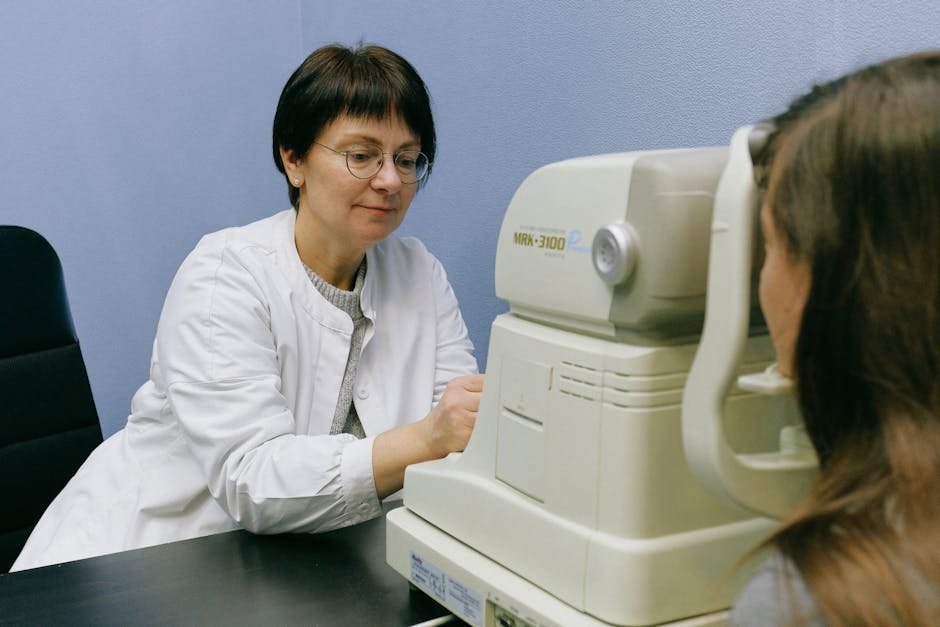
For less urgent but persistent changes — vision that’s been gradually blurring over weeks or months, increasing difficulty driving at night, or trouble reading even with your glasses — schedule a comprehensive eye examination as soon as you can. Annual eye exams are the minimum recommendation for most older adults; those with diabetes, high blood pressure, or a history of eye conditions may need to go more often. Always tell your eye doctor about any supplements or medications you take, and mention any changes in your vision you’ve noticed at home, no matter how small they seem.
The Bottom Line: Blurry vision can feel unsettling and frustrating, but there are genuinely effective, natural steps you can take to support clearer, more comfortable eyesight in your daily life. From following the 20-20-20 rule and staying hydrated, to eating more leafy greens and adding a warm compress to your evening routine, these practical habits add up to real relief and meaningful eye health support. Natural strategies work best as part of a complete approach that includes regular professional eye care — so keep those check-ups on the calendar, stay alert to warning signs, and know that taking small, steady steps each day really does make a difference. Your vision is worth protecting, and you have more tools at your fingertips than you might think.
This is not medical advice. Consult your healthcare provider before starting any new health routine or using any product mentioned here.