Gentle Mobility Routine for Upper Spine: Help Seniors Stand Taller and Move with Ease
This post contains affiliate links. As an Amazon Associate, I earn from qualifying purchases at no extra cost to you.
Free resources — no credit card required for trial
🎧 Listen to health & wellness audiobooks free for 30 days
Start 30-Day Free Trial →
🛒 Recommended Products
As an Amazon Associate we earn from qualifying purchases at no extra cost to you.
TheraBand First Step to Active Health Kit — Senior Exercise Program for Balance and Fall P
$19.99
EZ Off Jar Opener for Seniors — Under Cabinet Jar Opener for Weak Hands and Arthritis
$9.99
Omron 5 Series Upper Arm Blood Pressure Monitor — 2-User 100-Reading Memory Wide-Range Cuf
$44.99
OMRON 7 Series Wireless Wrist Blood Pressure Monitor — Clinically Validated with Connect A
$69.99
Vitality 4 Life Senior Resistance Band with Instruction Guide — Specifically for Elderly F
$16.99
📚 Read unlimited health books free for 30 days
Try Kindle Unlimited Free →
If you’ve noticed your shoulders creeping forward, your upper back feeling stiff by mid-morning, or simple tasks like reaching for something on a high shelf becoming a little harder than they used to be, you’re not alone — and you don’t have to just accept it. A gentle mobility routine for the upper spine can make a real, noticeable difference in how you feel day to day. This part of your back, called the thoracic region, quietly does a lot of important work: it supports your posture, helps your shoulders sit comfortably, allows your neck to align properly, and even affects how fully you can breathe. The good news? Just a few minutes of the right movements, a few days a week, can help loosen stiffness, ease mild discomfort, and help you move through life with a little more confidence and ease.
Why Upper Spine Mobility Matters as We Age
As we get older, it’s natural for muscles to tighten and joints to become less flexible. Over time, this can lead to the rounded, forward-leaning posture many people associate with aging — sometimes called a “dowager’s hump” or just plain slouching. But here’s something encouraging: this stiffness isn’t inevitable, and it’s never too late to start working on it gently.
When your upper spine moves freely, everything around it benefits. Your shoulders can sit back more naturally instead of rounding forward. Your neck doesn’t have to strain to compensate for a hunched mid-back. Your ribcage can expand more fully, so breathing feels easier and deeper. Even everyday activities — driving, cooking, carrying groceries, or simply sitting at a table for a meal — become a little less effortful when your upper back is mobile and supported.
A gentle upper spine mobility routine doesn’t require a gym, special fitness experience, or even a lot of time. It just requires a chair, a bit of wall space, a rolled-up towel, and a few mindful minutes to yourself. That’s genuinely it. And the payoff — better posture, reduced stiffness, and improved ease of movement — is well worth the investment.
Before You Begin: Safety First
This routine is designed to be gentle and accessible, but a few simple safety reminders will help you get the most out of it without risk. If you have osteoporosis, a recent spinal fracture, or significant ongoing back pain, please check in with your doctor before starting any new movement routine. It’s always better to get the green light first so you can exercise with confidence.
The golden rule for every movement in this routine is: never push into pain. Move slowly, stay within a comfortable range, and if something doesn’t feel right — stop. Sensations of mild stretch or gentle effort are fine; sharp, pinching, or radiating pain are your body’s signal to ease off. If you feel dizzy or lightheaded at any point, rest and give yourself time to recover before continuing.
Keep your breathing steady and even throughout. It sounds simple, but holding your breath is a surprisingly common habit during exercise, and it actually creates tension rather than releasing it. Slow, rhythmic breathing helps your muscles relax and makes every movement more effective and comfortable.
What You’ll Need for This Upper Spine Routine
One of the best things about this routine is how little equipment it requires. Here’s your short list: a sturdy chair with a solid back (not a wheeled office chair), a small rolled bath towel, a clear space to move, and optionally, a mirror to check your posture. That’s it.
If you find that sitting on a firm, comfortable surface helps your posture during the routine, a supportive seat cushion can be a worthwhile addition. Similarly, if you enjoy doing these movements in the morning, having everything laid out the night before — towel rolled, chair in position — removes any little barriers that might tempt you to skip it. Small preparations make big habits easier to keep.
The Gentle Upper Spine Mobility Routine, Step by Step
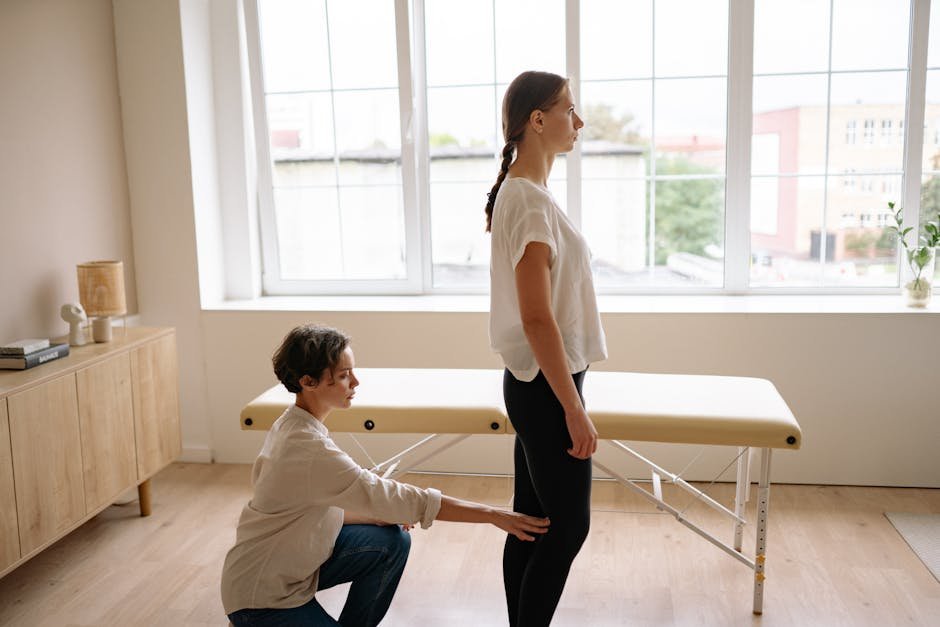
Aim for about 5–10 minutes per session, two to four days per week. Start with fewer repetitions and build gradually as you feel more comfortable. There’s no rush — slow and steady genuinely wins this race.
1. Gentle Breathing and Shoulder Relaxation Warm-Up. Start by sitting tall in your chair, feet flat on the floor. Place one hand on your chest and the other on your belly. Breathe in slowly through your nose for a count of four, feeling your belly rise. Breathe out gently through your mouth for a count of four, letting your chest soften and your shoulders drop. Do 6–8 breaths. This warm-up helps you tune into tension in your upper back and prepares your muscles for movement — it also naturally encourages a taller, more open posture.
2. Seated Thoracic Extension Over a Rolled Towel. Place a small rolled towel horizontally across your upper back, between your shoulder blades. Rest your hands lightly on the sides of your head or cross your arms over your chest. Gently lean back just enough to feel a mild opening across your upper spine — never force it. Hold for 3–5 seconds, return to neutral, and repeat 6–8 times. This movement gently counters the forward rounding that builds up over time and helps you stand taller with less neck strain.
3. Wall Angels. Stand with your back against a wall, arms in a “goalpost” position with elbows bent at 90 degrees. Slowly slide your forearms up the wall and back down, keeping your spine in gentle contact with the wall. Do 8–12 repetitions. Wall angels strengthen the upper back muscles that hold the shoulders back and support better alignment. If standing at the wall is uncomfortable, you can adapt this movement seated.
4. Seated Thoracic Rotation. Sit tall with hips stable and feet flat. Inhale to lengthen your spine, then exhale as you gently rotate your upper torso to the right, turning your head to look over your shoulder if comfortable. Hold for 3–5 seconds, return to centre, and repeat on the left. Do 6–8 repetitions per side. This rotation keeps your mid-back flexible, supports safer turning during daily activities, and helps your chest feel less tight.
5. Seated Side Bend with Gentle Rotation. Sit tall, left hand resting lightly on the chair’s edge. Reach your right arm overhead and gently toward the left, feeling a stretch along the right side of your upper body. Add a small rotation by turning your chest slightly left as you reach. Hold for 3–5 seconds, return to centre, and switch sides. Do 6–8 reps per side. This movement expands your ribcage and promotes balanced, even movement through the upper spine.
6. Seated Cat-Cow. Sit with hands on your knees. Inhale as you gently arch your chest forward and allow your shoulder blades to slide together (cow). Exhale as you round your upper back and tuck your chin slightly (cat). Flow slowly with your breath for 6–10 cycles. This gentle rhythm helps lubricate the joints of the upper back and keeps the spine supple. If you notice neck strain, keep your gaze forward rather than looking up during the arch.
What You Can Do to Build a Lasting Habit
Knowing a routine is one thing — actually sticking with it is another. Here are practical strategies to help you make this upper spine mobility routine a regular, enjoyable part of your life:
- Pair it with something you already do. Try doing your routine right after brushing your teeth in the morning, or before your favourite television programme in the evening. Attaching a new habit to an existing one makes it much easier to remember.
- Start small and be kind to yourself. Even two or three movements done consistently is better than a full routine done once and then abandoned. Build up gradually.
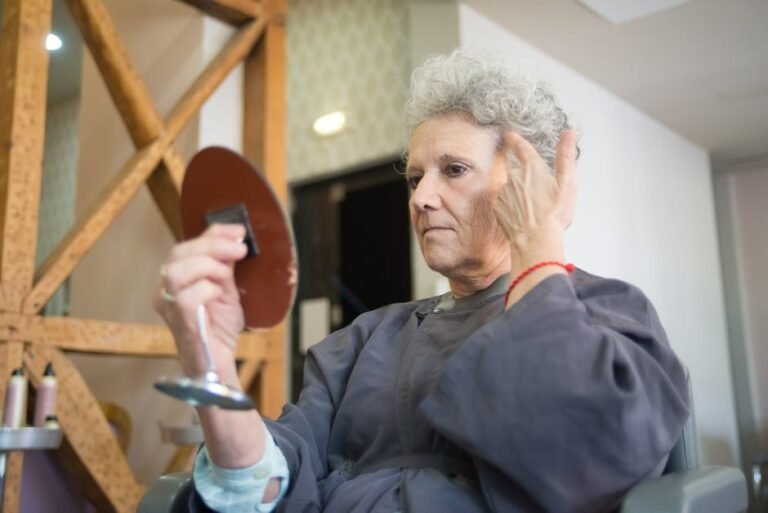
- Use a mirror occasionally. A quick glance can help you check your posture during movements — just don’t obsess over it. You’re aiming for comfort and natural alignment, not perfection.
- Keep a simple progress note. Jot down how you feel after each session in a notebook or on your phone. Note whether turning felt easier, whether breathing felt deeper, or whether reaching that high shelf was a little smoother. These small wins add up to real motivation.
- Finish with a posture reset. After your routine, stand tall for a moment. Imagine a gentle string pulling the crown of your head upward, relax your shoulders away from your ears, and take three easy breaths. Then go about your day carrying that slightly taller, more aware posture with you.
- Hydrate and follow up with gentle movement. A short walk or a light household task after your routine is a lovely way to reinforce the benefits and keep things feeling enjoyable rather than like a chore.
- Celebrate every small improvement. Improved breathing, a longer stretch reach, or simply feeling less stiff getting out of bed in the morning — all of these are genuine victories worth acknowledging.
How This Routine Supports Your Overall Wellbeing
It might seem like a short, simple series of movements couldn’t have much impact — but the effects of improving thoracic mobility ripple outward in meaningful ways. When your upper spine moves more freely, your whole body benefits. Better posture reduces the strain on your neck and lower back. An open chest means fuller, easier breathing. Improved rotation helps you turn safely while driving or checking your surroundings, which matters enormously for day-to-day safety and independence.
There’s also an emotional dimension to posture and movement that’s easy to overlook. Moving your body with intention, even gently, sends a message of capability and care to your nervous system. Many people find that a short, mindful movement routine in the morning helps them feel more alert, more grounded, and more positive about the rest of their day. That’s not a small thing — that’s a genuine quality-of-life benefit that starts with a rolled towel and a sturdy chair.
The exercises in this routine work together as a team. Breathing and warm-up prepare the muscles and calm the nervous system. Towel extensions and wall angels counteract forward rounding and build the muscle strength needed to hold good posture. Rotations and side bends maintain the full range of motion your spine needs for safe, comfortable daily movement. Cat-cow keeps everything supple and well-lubricated. Together, they address the upper spine from every angle, gently and safely.
The Bottom Line: A gentle mobility routine for the upper spine is one of the most practical, accessible things you can do for your posture, your comfort, and your independence as you age. With just a few simple movements, a towel, a chair, and a few minutes a few times a week, you can work against the stiffness and rounding that creep in over time — and help yourself stand taller, breathe more fully, and move through your days with greater ease. Start small, be consistent, and celebrate every bit of progress. Your upper spine will thank you, and so will the rest of your body.
This is not medical advice. Consult your healthcare provider before starting any new health routine or using any product mentioned here.