How Seniors Can Reduce Tooth Sensitivity Naturally: A Practical Guide to a More Comfortable Smile
This post contains affiliate links. As an Amazon Associate, I earn from qualifying purchases at no extra cost to you.
Free resources — no credit card required for trial
🎧 Listen to health & wellness audiobooks free for 30 days
Start 30-Day Free Trial →
🛒 Recommended Products
As an Amazon Associate we earn from qualifying purchases at no extra cost to you.
TheraBand First Step to Active Health Kit — Senior Exercise Program for Balance and Fall P
$19.99
EZ Off Jar Opener for Seniors — Under Cabinet Jar Opener for Weak Hands and Arthritis
$9.99
Omron 5 Series Upper Arm Blood Pressure Monitor — 2-User 100-Reading Memory Wide-Range Cuf
$44.99
OMRON 7 Series Wireless Wrist Blood Pressure Monitor — Clinically Validated with Connect A
$69.99
Vitality 4 Life Senior Resistance Band with Instruction Guide — Specifically for Elderly F
$16.99
📚 Read unlimited health books free for 30 days
Try Kindle Unlimited Free →
That sharp little zing when you sip your morning coffee or take a bite of ice cream — it’s more than just an annoyance. For many older adults, tooth sensitivity can make everyday pleasures feel like something to dread. The good news? You don’t have to simply put up with it. Reducing tooth sensitivity naturally is absolutely possible, and it often comes down to a handful of gentle, consistent habits you can start right in your own bathroom. Whether your discomfort is mild or has been bothering you for a while, this guide walks you through why sensitivity tends to increase as we age, what triggers it, and the most practical, safe steps you can take to feel more comfortable every single day.
Why Tooth Sensitivity Increases as We Age
If your teeth feel more sensitive now than they did twenty years ago, you’re not imagining things — and you’re definitely not alone. Several natural changes happen in our mouths over the decades, and together they can make teeth more reactive to temperature, sweetness, and even cold air.
One of the most common culprits is gum recession. Over time, gums can gradually pull back from the tooth, exposing the softer layer underneath called dentin. Unlike the hard enamel that covers the crown of your tooth, dentin contains tiny microscopic tubes that connect directly to the nerve. When those tubes are exposed, hot soup, cold drinks, or a sweet treat can travel right to the nerve and cause that familiar wince-inducing sensation.
Enamel wear is another factor. Years of chewing, brushing, and eating acidic foods slowly thin the protective enamel on your teeth’s surfaces. Once that armour is worn down, dentin becomes more vulnerable. Add to this the fact that many older adults experience dry mouth — often as a side effect of common medications or certain health conditions — and sensitivity can become even more pronounced. Saliva is actually one of your mouth’s best natural defences, helping to neutralise acids and remineralise enamel. Less saliva means less protection.
Existing dental concerns like cavities, cracked teeth, old fillings, or gum disease can also contribute to or worsen sensitivity. Understanding these root causes helps you target the right solutions rather than just masking the discomfort.
Common Triggers to Watch For
Knowing what sets off your sensitivity can help you manage it much more effectively. Some triggers are obvious — an icy glass of water or a steaming bowl of soup — but others can catch you off guard.
Temperature extremes are the most frequent offenders. Very hot foods and drinks, very cold beverages, and even breathing in a blast of cold winter air can all cause a sudden sharp sensation in sensitive teeth. Acidic foods and drinks are another big one: citrus juices, fizzy drinks, wine, vinegar-based foods, and even some coffees can soften enamel temporarily and make sensitivity worse.
Sweet foods and sour flavours can also trigger discomfort, especially if dentin is exposed near the gum line. And here’s one many people don’t consider: how you brush. Brushing too hard or using a toothbrush with firm bristles can wear away both enamel and gum tissue over time, creating more sensitivity rather than preventing it. Whitening toothpastes and treatments are another common trigger, particularly for those with already-sensitive teeth.
Natural Strategies to Reduce Tooth Sensitivity at Home
Here’s the encouraging part — there is a lot you can do at home to manage and reduce tooth sensitivity naturally. These strategies are gentle, safe, and don’t require expensive treatments or procedures.
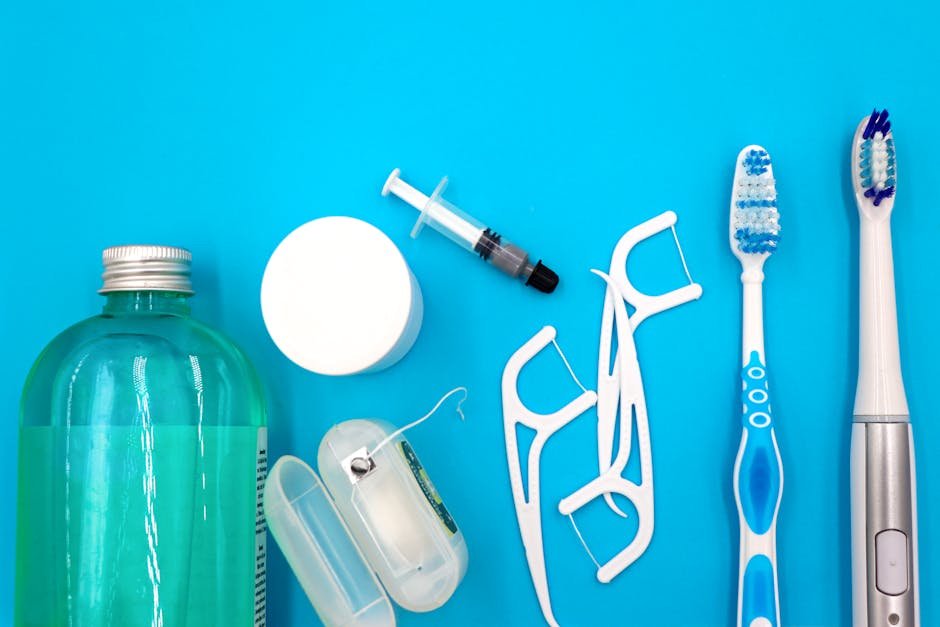
Start with how you brush. Switch to a soft-bristled toothbrush if you haven’t already, and use light, gentle pressure in small circular motions rather than scrubbing back and forth. Brush for about two minutes, twice a day, and replace your brush every three to four months. If you have exposed root surfaces, be especially gentle around the gum line — those spots don’t need more friction, they need more care. Also, if you’ve just eaten something acidic, rinse your mouth with plain water and wait about 30 minutes before brushing. Brushing immediately after acidic foods can actually spread the acid around and accelerate enamel wear.
Desensitising toothpaste can be a game changer. Many formulas contain ingredients like potassium nitrate, which works by calming the nerves inside the tooth over time. It usually takes a couple of weeks of consistent use to notice a real difference, so be patient. If you already use a fluoride toothpaste, that’s also a good choice — fluoride helps strengthen enamel and reduce sensitivity. If you’re currently using a whitening toothpaste, consider switching to a gentler formula, as whitening products can be more abrasive and may worsen sensitivity.
Hydration and dry mouth management matter more than most people realise. Sipping water regularly throughout the day supports saliva production, which naturally protects your teeth. If dry mouth is a persistent issue (especially if you’re on medications), talk to your dentist — they may recommend sugar-free xylitol gum or lozenges to stimulate saliva, or suggest a humidifier for your bedroom to help keep your mouth moist while you sleep.
A gentle saltwater rinse is a wonderfully simple and soothing option. Mix half a teaspoon of salt into a cup of warm water, swish for about 30 seconds, and spit it out. This can help calm irritated gum tissue and provide mild relief. It’s also a helpful rinse to use after meals if you’re not ready to brush just yet.
What You Can Do: Practical Tips for Reducing Tooth Sensitivity Naturally
- Switch to a soft-bristled toothbrush and brush gently in small circular motions — never scrub side to side aggressively.
- Use a desensitising toothpaste with potassium nitrate or a fluoride formula — give it at least two weeks to see results.
- Rinse with water after acidic foods and drinks (citrus, soda, wine) and wait 30 minutes before brushing.
- Use a straw for cold or acidic beverages to reduce direct contact with your teeth.
- Floss daily to keep plaque from building up along the gum line, which helps maintain healthy gums that protect exposed roots.
- Try a saltwater rinse (½ tsp salt in 8 oz warm water) to soothe irritated gums and rinse away food particles.
- Choose an alcohol-free mouthwash — alcohol can dry the mouth and potentially worsen sensitivity for some people.
- Eat calcium- and vitamin D-rich foods like dairy, leafy greens, tofu, and fortified plant milks to support stronger teeth and bones.
- Stay well hydrated throughout the day to support natural saliva production.
- Avoid biting hard objects like ice, popcorn kernels, or your fingernails, which can chip enamel and aggravate sensitive spots.
- Consider a night guard if you grind your teeth during sleep — your dentist can prescribe one to reduce wear and sensitivity.
- Try a bedroom humidifier if dry mouth is an issue — keeping the air moist can help your mouth stay hydrated overnight.
- If you try oil pulling, use a small amount of coconut or sesame oil for 5–10 minutes once daily, spit into the bin (not the sink), rinse, and then brush as normal. Skip this if you have swallowing difficulties, and never use it as a replacement for brushing or flossing.
The Role of Diet and Gum Health in Reducing Sensitivity
What you eat has a surprisingly significant impact on how sensitive your teeth feel. Cutting back on acidic beverages like fizzy drinks, citrus juice, and wine can make a noticeable difference over time. When you do indulge, using a straw and rinsing with water afterward can minimise the impact on your enamel. Sugary and sour foods are also worth moderating, particularly if you have exposed dentin near the gum line.
On the positive side, loading your plate with calcium-rich and vitamin D-rich foods actively supports your dental health. Think dairy products, leafy greens like kale and broccoli, tofu, and fortified plant-based milks. Vitamin D helps your body absorb calcium properly, so if your doctor has suggested a supplement, it can be worth discussing in the context of your overall oral health too. Crunchy vegetables, lean proteins, and fibre-rich foods also support healthier gums, which in turn reduce the risk of recession and the sensitivity that comes with it.
Speaking of gums — don’t underestimate their role. Healthy gums act like a natural protective barrier around your teeth’s roots. Flossing daily and keeping plaque at bay along the gum line is one of the most impactful things you can do to maintain that protection. If your gums bleed regularly, look swollen, or seem to be pulling back, that’s a sign to book a dental appointment promptly, as gum disease can significantly worsen sensitivity and needs professional care.
When to See Your Dentist About Tooth Sensitivity
While many cases of tooth sensitivity in older adults respond beautifully to gentle home care, there are times when a trip to the dentist is essential — and it’s important to recognise those signs sooner rather than later.
If your sensitivity has lasted more than two to four weeks despite trying home remedies, it’s time to get it checked. Severe or sharp pain that doesn’t settle down after exposure to hot or cold foods, a visibly chipped or cracked tooth, or signs of gum disease (persistent redness, swelling, or bleeding) all warrant professional attention. Similarly, if sensitivity began after a recent dental procedure, or if you suspect there might be a cavity hiding under an old filling, your dentist can assess this quickly and put your mind at ease.
One more important tip: bring a list of all your current medications to your dental appointment. Many common medications cause dry mouth as a side effect, and your dentist can tailor their recommendations specifically to your situation. A great dental team won’t just clean your teeth — they’ll help you build a personalised plan for managing sensitivity that fits your health needs and lifestyle. Regular check-ups are valuable even when you don’t have obvious problems, because early detection of enamel wear, root exposure, or gum changes means you can address them before they become more serious.
The Bottom Line: Reducing tooth sensitivity naturally as a senior is absolutely within reach, and it doesn’t have to involve complex treatments or expensive products. By brushing gently with the right toothbrush, choosing a desensitising or fluoride toothpaste, staying hydrated, being mindful of acidic and sugary foods, taking care of your gums, and knowing when to reach out to a dentist, you can significantly improve your comfort and protect your smile for years to come. Small, consistent changes truly do add up — and your quality of life is absolutely worth the effort. You deserve to enjoy your meals, your morning coffee, and your favourite treats without wincing. Start with one or two changes today and build from there — your smile will thank you.
This is not medical advice. Consult your healthcare provider before starting any new health routine or using any product mentioned here.