How Seniors Can Prevent Gum Disease: A Practical Guide to Healthier Gums Every Day
This post contains affiliate links. As an Amazon Associate, I earn from qualifying purchases at no extra cost to you.
Free resources — no credit card required for trial
🎧 Listen to health & wellness audiobooks free for 30 days
Start 30-Day Free Trial →
🛒 Recommended Products
As an Amazon Associate we earn from qualifying purchases at no extra cost to you.
TheraBand First Step to Active Health Kit — Senior Exercise Program for Balance and Fall P
$19.99
EZ Off Jar Opener for Seniors — Under Cabinet Jar Opener for Weak Hands and Arthritis
$9.99
Omron 5 Series Upper Arm Blood Pressure Monitor — 2-User 100-Reading Memory Wide-Range Cuf
$44.99
OMRON 7 Series Wireless Wrist Blood Pressure Monitor — Clinically Validated with Connect A
$69.99
Vitality 4 Life Senior Resistance Band with Instruction Guide — Specifically for Elderly F
$16.99
📚 Read unlimited health books free for 30 days
Try Kindle Unlimited Free →
If you’ve ever noticed your gums bleeding when you brush, or felt a little tenderness you just couldn’t shake, you’re not alone — and you’re right to pay attention. Gum disease is one of the most common oral health concerns for older adults, but here’s the encouraging truth: it’s largely preventable. With the right daily habits and a good relationship with your dental team, you can protect your gums, keep your teeth comfortable and secure, and even improve your overall well-being. This guide breaks down everything you need to know about how seniors can prevent gum disease — in simple, practical steps that fit into real life.
Why Gum Health Matters More as We Get Older
Your gums do an important job — they hold your teeth firmly in place and act as a barrier against bacteria. But as we age, our gums naturally become more vulnerable. Medications that many seniors rely on (think blood pressure pills, antihistamines, antidepressants) can cause dry mouth, which reduces saliva. Saliva isn’t just there to help you swallow — it actually rinses away bacteria and keeps your mouth’s natural balance in check. Less saliva means more risk for gum inflammation and infection.
Gum disease typically starts quietly. You might notice gums that look a little red or swollen, or that bleed when you brush or floss. This early stage, called gingivitis, is reversible with good care. But if left untreated, it can progress to a more serious form that causes receding gums, painful infections, and even tooth loss. That’s why catching it early — or better yet, preventing it altogether — is so important.
There’s another compelling reason to take gum health seriously: your mouth is connected to your whole body. Research has linked gum disease to conditions like heart disease and diabetes. Keeping your gums healthy isn’t just about your smile — it’s a meaningful part of looking after your overall health as you age.
Building a Daily Routine to Prevent Gum Disease
Good gum health starts at home, and it really does come down to consistency. You don’t need a complicated routine — just a few steady habits done well, every day. The cornerstone is brushing twice a day with a soft-bristled toothbrush and fluoride toothpaste. The key word here is soft. Many people think scrubbing harder means cleaner teeth, but it actually irritates the gum line. Instead, hold your brush at a 45-degree angle toward the gums and use small, gentle circular motions for about two minutes. Set a timer if it helps — two minutes can feel surprisingly long!
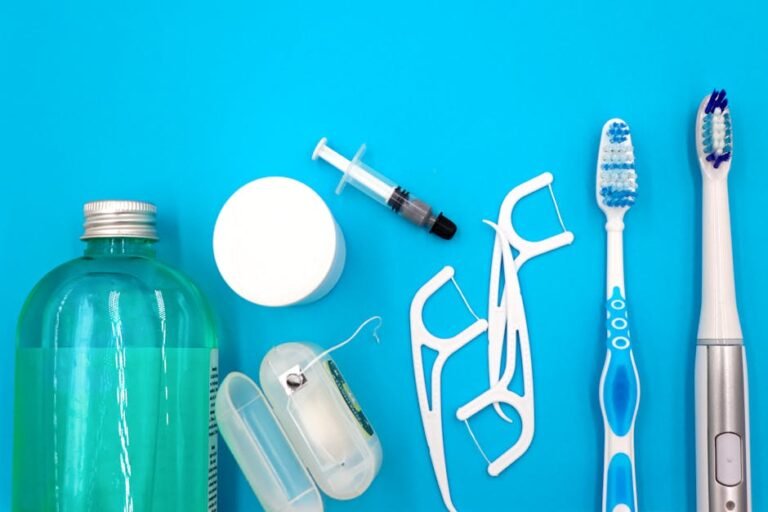
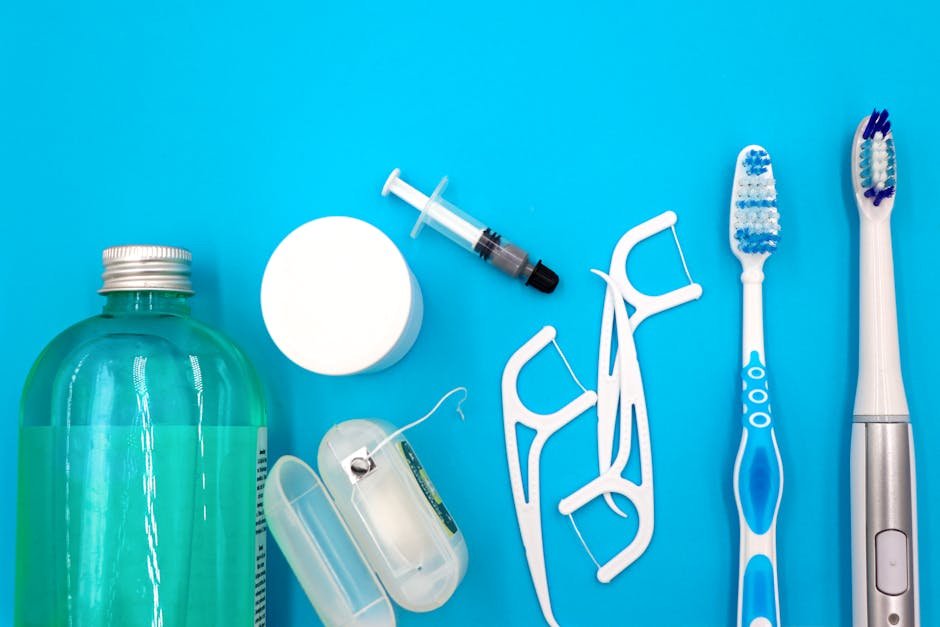
If gripping a regular toothbrush is difficult due to arthritis or limited hand strength, an electric toothbrush can be a genuine game-changer. Many models have wide, easy-grip handles and do the circular motion work for you. They’re widely available online and worth the investment for the comfort and effectiveness they offer.
Flossing every single day is equally important, even if your teeth feel close together or you have few gaps. Plaque builds up between teeth and along the gum line where your toothbrush simply can’t reach. If traditional floss feels fiddly or frustrating, there are brilliant alternatives. Floss picks are easy to manage with one hand. A water flosser uses a gentle stream of water to clean between teeth and is particularly popular among seniors who find string floss hard to handle. Whichever option you choose, be gentle — the goal is to guide the floss or water along the gum line, not force it.
Rounding out your routine with a mouth rinse can also help, especially if your dentist recommends one. If you have dry mouth, opt for an alcohol-free rinse — alcohol can actually make dryness worse. And don’t overlook your tongue! A quick, gentle swipe with your toothbrush or a tongue scraper removes bacteria that contribute to bad breath and overall mouth health.
Managing Dry Mouth: A Key Part of Gum Disease Prevention for Seniors
Dry mouth is incredibly common among older adults and often goes unaddressed. If your mouth frequently feels parched, sticky, or uncomfortable, it’s worth knowing that this isn’t just an inconvenience — it’s a real risk factor for gum disease. Without enough saliva to neutralise acids and rinse away food particles, bacteria can thrive and plaque builds up faster.
The most straightforward solution is to sip water throughout the day — not just when you feel thirsty. Keeping a water bottle nearby is a small habit that makes a big difference. Sugar-free lozenges or chewing gum (if your dentist or doctor approves) can also stimulate saliva production between meals. There are also specific dry mouth products available — rinses, sprays, and gels — that your dentist or pharmacist can recommend based on your particular needs and medications.
It’s worth mentioning your dry mouth concerns at your next dental visit. Your dentist can review your medications, suggest appropriate products, and give you tailored advice. Never stop or change a medication on your own because of dry mouth — but do speak with your prescribing doctor if it’s significantly affecting your quality of life.
Diet and Lifestyle Choices That Support Healthy Gums
What you eat has a direct impact on your gum health, and the good news is that gum-friendly eating doesn’t require dramatic changes. One of the biggest culprits for gum problems is frequent snacking on sugary foods and drinks. Every time sugar enters your mouth, bacteria feed on it and produce acids that attack your gums and teeth. You don’t have to give up the occasional treat — just try to limit sugary snacks between meals, and rinse your mouth with water afterwards.
On the positive side, there are plenty of foods that actively support your gums. Crunchy fruits and vegetables like apples and carrots help stimulate saliva and gently clean teeth. Leafy greens are packed with vitamins that support gum tissue. Dairy products or calcium-fortified alternatives provide the calcium and vitamin D your teeth and bones need to stay strong. If you enjoy coffee or tea, try to rinse your mouth with water after — especially if you add sugar or creamy additions.
Tobacco use is one of the most significant risk factors for gum disease, full stop. Smoking reduces blood flow to the gums, making it harder for your body to fight infection and heal. If you currently smoke or use tobacco, seeking support to quit is one of the most impactful things you can do for your gum health — and the benefits can begin quite quickly once you stop. Talk to your GP or healthcare provider about the support options available to you.
What You Can Do: Practical Tips for Preventing Gum Disease
Sometimes the simplest way to make progress is a clear, actionable list you can actually follow. Here are practical steps you can start this week to protect your gums:
- Brush twice daily using a soft-bristled toothbrush and fluoride toothpaste — spend a full two minutes and use gentle circular strokes at the gum line.
- Consider an electric toothbrush if gripping or maneuvering a manual brush is difficult. Look for models with wide, ergonomic handles designed for ease of use.
- Floss or use a floss alternative every day — floss picks, water flossers, and interdental brushes are all effective and easier for many seniors to manage.
- Stay hydrated by sipping water throughout the day to combat dry mouth and keep saliva flowing.
- Choose an alcohol-free mouthwash if your dentist recommends a rinse, especially if you experience dry mouth.
- Eat gum-friendly foods like fruits, vegetables, leafy greens, and calcium-rich options, and limit sugary snacks between meals.
- Replace your toothbrush every three months, or sooner if the bristles look frayed or worn.
- Tell your dentist about all your medications, including over-the-counter products and supplements — many affect gum health and dry mouth.
- Set simple reminders — a sticky note on the bathroom mirror, an alarm on your phone, or a care kit kept in the same spot each day can help make the routine stick.
- Ask your dental team for help finding the right tools for your dexterity or sensitivity needs — they’re there to make this easier, not harder.
- Contact your dentist promptly if you notice bleeding gums, persistent bad breath, redness, swelling, or any changes in how your teeth fit together.
If you wear dentures, remember that oral care doesn’t stop there. Clean your dentures daily and pay attention to your gums and any remaining natural teeth. Ill-fitting dentures can irritate gum tissue over time, so if yours feel uncomfortable, mention it at your next dental appointment.
Regular Dental Visits: Your Partnership in Gum Health
No matter how diligent your home routine is, professional dental care is an essential part of preventing gum disease. A dental hygienist can remove tartar — the hardened build-up of plaque that simply cannot be removed with a toothbrush at home — and spot early warning signs that you might not notice yourself. Most adults benefit from a professional cleaning every six months, though if you’ve had gum problems in the past, your dentist may recommend more frequent visits.
Don’t hesitate to ask your dental team questions. Some helpful ones to raise at your next appointment include: How often do I need cleanings given my current gum health? Is there a mouth rinse or toothpaste that would help my dry mouth? What’s the best flossing method given my hand strength? How should I care for my dentures alongside my natural teeth? A good dental team will welcome these questions and tailor their advice specifically to your situation and age-related needs.
If cost is a concern — and for many seniors it genuinely is — don’t let that stop you from seeking care. Talk to your dental team about payment plans. Community health clinics and dental schools often offer significantly reduced-cost services without compromising on quality. Delaying care when gum disease symptoms are present can lead to far more complex and costly problems down the track, so it’s always worth exploring your options early.
The Bottom Line: Preventing gum disease as a senior is absolutely within reach, and you don’t have to overhaul your entire lifestyle to make it happen. Start with the basics — gentle brushing twice a day, daily flossing (or a comfortable alternative), staying well hydrated, eating tooth-friendly foods, and keeping up with your regular dental visits. If dry mouth, limited dexterity, dentures, or medications make oral care more challenging, there are practical tools and supportive professionals ready to help you find what works for you. Small, consistent steps build up to real, lasting results. Your smile is worth looking after — and so are you.
This is not medical advice. Consult your healthcare provider before starting any new health routine or using any product mentioned here.