How to Lift Objects Safely After 60: A Complete Guide to Protecting Your Spine
This post contains affiliate links. As an Amazon Associate, I earn from qualifying purchases at no extra cost to you.
Free resources — no credit card required for trial
🎧 Listen to health & wellness audiobooks free for 30 days
Start 30-Day Free Trial →
🛒 Recommended Products
As an Amazon Associate we earn from qualifying purchases at no extra cost to you.
TheraBand First Step to Active Health Kit — Senior Exercise Program for Balance and Fall P
$19.99
EZ Off Jar Opener for Seniors — Under Cabinet Jar Opener for Weak Hands and Arthritis
$9.99
Omron 5 Series Upper Arm Blood Pressure Monitor — 2-User 100-Reading Memory Wide-Range Cuf
$44.99
OMRON 7 Series Wireless Wrist Blood Pressure Monitor — Clinically Validated with Connect A
$69.99
Vitality 4 Life Senior Resistance Band with Instruction Guide — Specifically for Elderly F
$16.99
📚 Read unlimited health books free for 30 days
Try Kindle Unlimited Free →
Whether you’re hauling groceries from the car, shifting a laundry basket to the washing machine, or moving a box from the garage shelf, lifting is just a normal part of daily life — and staying independent means keeping it that way. But if you’re over 60, you may have noticed that your back doesn’t bounce back quite like it used to. The good news? Learning how to lift objects safely after 60 doesn’t mean giving up your independence. It means making a few smart adjustments that protect your spine, keep you out of pain, and help you feel confident in your own home every single day. Let’s walk through everything you need to know.
Why Safe Lifting Matters More After 60
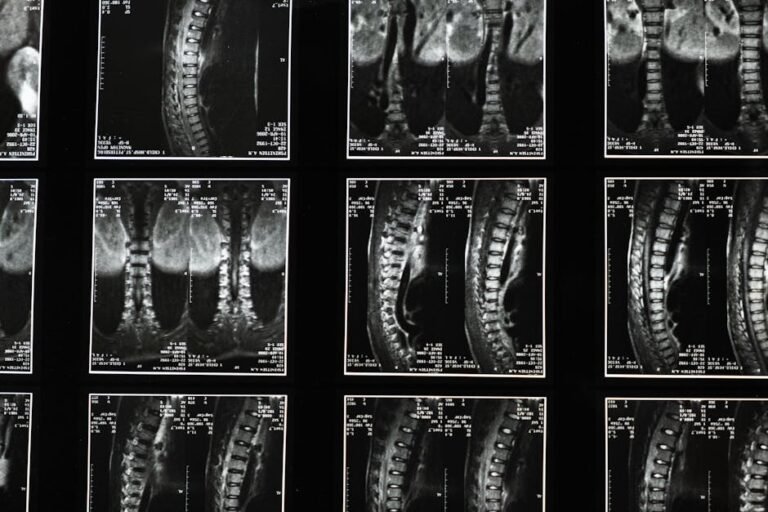
As we age, our bodies go through natural changes that can make the spine more vulnerable. Conditions like osteoarthritis and osteoporosis become more common, muscles take longer to recover after exertion, and our sense of balance can shift subtly. None of these changes mean you’re fragile — but they do mean that the way you lift matters more than it used to.
The lower back, in particular, absorbs an enormous amount of stress during lifting. When technique is poor — think bending at the waist or twisting while carrying something heavy — the discs, joints, and muscles of the spine take on more load than they’re designed to handle. Over time, or even in a single misjudged moment, this can lead to painful flare-ups, muscle strains, or more serious injuries.
The goal here is never to stop lifting altogether. It’s to lift smarter. With the right habits in place, you can continue doing the everyday tasks that matter to you while giving your spine the protection it deserves. Think of proper lifting technique as a form of self-care — one that pays dividends every single day.
Step-by-Step: Proper Lifting Technique for a Healthier Spine
Good lifting technique is a skill, and like any skill, it gets easier with practice. Here’s how to do it safely every time, starting from the moment you approach an object to the moment you set it back down.
Plan before you lift. Before you touch the object, take a quick moment to assess. How heavy does it feel? Is it awkward to grip? Are there obstacles in your path? If something feels too heavy or unbalanced, reach for a tool — a hand truck, a dolly, or a sliding mat — or ask for help. There’s no award for struggling through a lift that could hurt you.
Stand close and stable. Position yourself right next to the object with your feet shoulder-width apart. Keep your knees slightly bent and your belly relaxed — not sucked in tightly. The object should be close to your body before you begin to lift, because the closer it stays to your centre of gravity, the less strain your spine takes on.
Hinge at your hips and knees, not your waist. This is the most important habit to build. Think of it like sitting back into a chair — lower yourself by bending your hips and knees, keeping your spine in a neutral, straight line. Avoid rounding your lower back or arching it excessively. Look forward or slightly down to keep your head aligned with your spine.
Engage your core and lift with your legs. Gently brace the muscles around your middle as you start the movement, then push through your heels and straighten your legs to stand up slowly. Keep the object pressed close to your chest as you rise. Once you’re upright, move your whole body — shift your feet to change direction rather than twisting your torso. When you set the item down, reverse the process: bend at your knees, lower slowly, and keep your back straight throughout.
Common Lifting Mistakes That Could Be Hurting Your Back
Even people who know the basics of safe lifting can fall into habits that put the spine at risk. Recognising these mistakes is the first step to breaking them.
Bending at the waist is probably the most widespread error, and it’s easy to understand why — it feels natural. But bending forward from the waist places enormous pressure on the discs and muscles of the lower back. Always hinge from your hips and knees instead.
Twisting while lifting is another serious risk. When you rotate your torso at the same time as you’re bearing a load, the stress on your spine multiplies significantly. If you need to turn, move your feet first and carry the object with you as a unit.
Lifting too quickly or with jerky movements is surprisingly easy to do when you’re in a hurry, but fast, uncontrolled lifts dramatically increase your risk of injury. Slow and steady really does win the race when it comes to spine safety. Other habits to watch for include carrying objects far from your body, lifting when you’re already in pain, and using your arms alone to do the heavy work rather than letting your legs take the load.
Practical Tips: What You Can Do Every Day to Support Your Spine
Lifting technique is just one piece of the puzzle. Daily habits that support overall spine health make a real difference in how you feel — and how resilient your back is when you do need to lift something. Here are some practical, easy-to-adopt strategies:
- Do a posture check several times a day. Stand tall, imagine a string gently pulling the crown of your head toward the ceiling, let your shoulders relax, and keep your hips aligned under your ribcage. It takes just a few seconds and adds up over time.
- Use safe sit-to-stand technique. When getting up from a chair, lean forward slightly with a straight back, keep your feet flat, and push up using your leg muscles. Avoid hunching over the edge of the seat.
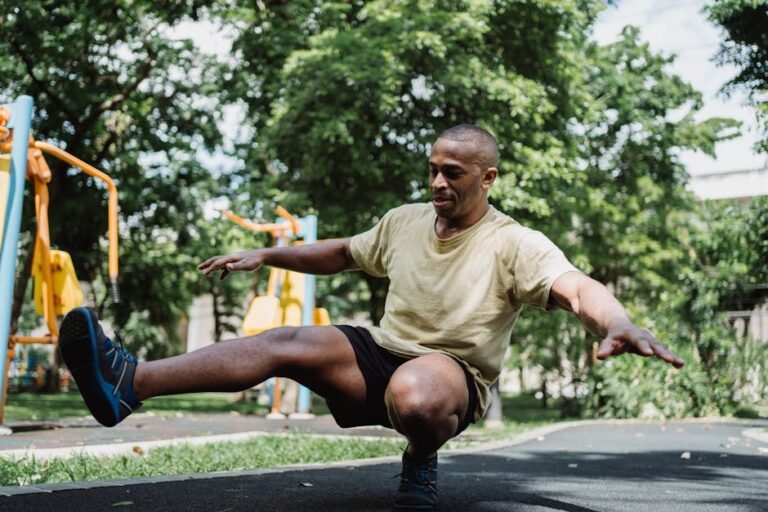
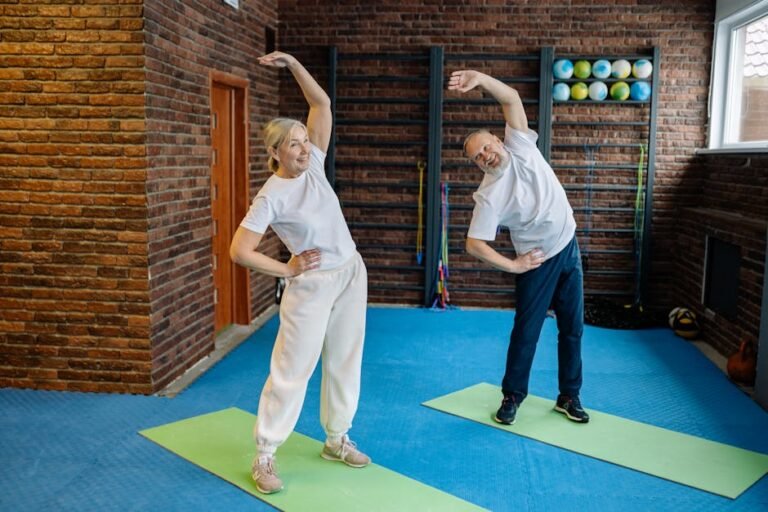
- Keep moving with gentle, regular activity. A daily 10–15 minute walk, light stretching, or chair-based exercises help keep joints flexible and muscles supportive. You don’t need a gym membership — just consistency.
- Try gentle core-strengthening exercises. Pelvic tilts, bridge exercises, and gentle abdominal bracing are all spine-friendly options. Start slowly and stop immediately if anything causes pain.
- Invest in a supportive mattress and pillow. Good sleep support can reduce morning stiffness and help your spine recover overnight. A pillow that keeps your neck aligned is especially helpful.
- Organise your home thoughtfully. Place the items you use most often at waist height to reduce unnecessary bending and reaching. Use lightweight containers and label heavier boxes so you’re never caught off guard.
- Use assistive tools confidently. Long-handled reachers, rolling shopping carts, and lightweight tote bags all reduce the demand on your spine. Using them isn’t a sign of weakness — it’s a sign of wisdom.
- Wear supportive footwear and use non-slip mats. Good grip under your feet keeps you stable when bending or reaching, reducing the risk of slips that could lead to sudden, awkward movements.
Modifications for Lifting When Mobility Is Limited
Not everyone’s body is the same, and if you’re managing arthritis, osteoporosis, previous back injuries, or limited mobility, some extra adjustments can make a big difference. The key is working with your body rather than against it.
Slide instead of lift whenever you can. For items on the floor or a low surface, try sliding them across a smooth mat or piece of cardboard to your destination rather than hoisting them into the air. This significantly reduces spinal load. Similarly, when moving an object along a surface, pushing is generally safer than pulling, as pulling can encourage a twisting motion in the back.
Two-person lifts are always an excellent option for heavier items. Don’t hesitate to ask a trusted friend, family member, or neighbour for help. Clear communication before you begin — agreeing on the count, the path, and the destination — makes the process safer for everyone involved.
Know your limits and respect them. If an item feels heavy or awkward when you test it, that’s important information. There’s no shame in stepping back and finding another way. If you have osteoporosis, scoliosis, or have had recent spinal or hip surgery, speak with your doctor or a physical therapist before lifting anything heavy. They can give you personalised guidance based on your specific situation and health history.
When to Stop and Seek Help with Back Pain or Lifting Concerns
Safe lifting after 60 is largely about prevention, but it’s equally important to recognise when your body is telling you something is wrong. There are certain signs that should prompt you to stop and seek professional support rather than pushing through.
If you experience back, hip, or knee pain that lasts more than a few days, it’s worth checking in with your healthcare provider. Persistent pain is not just “getting older” — it’s a signal worth taking seriously. Numbness or tingling in your legs, sudden weakness, or difficulty standing up are also signs that should not be ignored and warrant prompt medical attention.
If a load feels unmanageable even when you’re using proper technique, trust that instinct. And if you’ve recently had surgery or a medical procedure involving your spine or hips, always get clearance from your medical team before resuming any lifting activity. Protecting your long-term health is always worth the brief pause to ask for guidance.
The Bottom Line: Lifting safely after 60 is about balance — staying active and capable while giving your spine the respect it deserves. With a few simple technique adjustments, some daily habits that support spinal health, and the confidence to ask for help when you need it, you can keep doing the everyday tasks that help you feel independent and in control of your life. Your body has carried you this far — with a little mindfulness and the right approach, it can carry you comfortably through many more years to come. Start small, practise consistently, and remember: safety and independence genuinely do go hand in hand.
This is not medical advice. Consult your healthcare provider before starting any new health routine or using any product mentioned here.