Rest and Recovery Tips for Seniors: How to Stay Mobile, Strong, and Pain-Free
This post contains affiliate links. As an Amazon Associate, I earn from qualifying purchases at no extra cost to you.
Free resources — no credit card required for trial
🎧 Listen to health & wellness audiobooks free for 30 days
Start 30-Day Free Trial →
🛒 Recommended Products
As an Amazon Associate we earn from qualifying purchases at no extra cost to you.
TheraBand First Step to Active Health Kit — Senior Exercise Program for Balance and Fall P
$19.99
EZ Off Jar Opener for Seniors — Under Cabinet Jar Opener for Weak Hands and Arthritis
$9.99
Omron 5 Series Upper Arm Blood Pressure Monitor — 2-User 100-Reading Memory Wide-Range Cuf
$44.99
OMRON 7 Series Wireless Wrist Blood Pressure Monitor — Clinically Validated with Connect A
$69.99
Vitality 4 Life Senior Resistance Band with Instruction Guide — Specifically for Elderly F
$16.99
📚 Read unlimited health books free for 30 days
Try Kindle Unlimited Free →
If you’ve ever woken up stiff after a busy day, or noticed that your body needs a little more time to bounce back than it used to, you’re not alone — and you’re not imagining it. As we get older, rest and recovery become just as important as the movement itself. In fact, for seniors who want to stay mobile, independent, and pain-free, knowing how to recover is one of the most powerful health tools available. The good news? You don’t need a gym membership or a complicated routine. With a few simple, consistent habits around sleep, stretching, nutrition, and managing fatigue, you can keep your joints happy, your muscles strong, and your energy steady — day after day.
Why Rest and Recovery Matter So Much for Senior Mobility
Movement is one of the greatest gifts we can give ourselves as we age. It protects our joints, keeps our balance sharp, supports heart health, and helps us stay independent longer. But here’s something that doesn’t get talked about enough: recovery is the other half of that equation. Without adequate rest, even gentle activity can leave your muscles tighter, your joints achier, and your energy lower than before.
When you rest well after activity, your body gets busy doing important repair work. Muscles rebuild tiny micro-tears from exertion, inflammation settles down, and your nervous system resets. This is how strength and flexibility actually improve over time — not just from moving, but from the recovery that follows. Skipping this step is a bit like revving a car engine without ever topping up the oil. Things wear down faster than they should.
The encouraging thing is that rest and recovery for seniors doesn’t mean doing less. It means being smarter about how you balance activity with downtime — and building habits that support your body between those moments of movement. Think of it as self-care that pays real dividends in how you feel every single day.
Better Sleep: The Foundation of Rest and Recovery for Seniors
Quality sleep is where the magic really happens. When you get a good night’s sleep, your muscles recover more efficiently, your balance and coordination improve, and you wake up with the kind of energy that makes safe movement feel natural — not like a chore. Unfortunately, sleep often becomes more fragmented as we age, thanks to changes in sleep cycles, medications, pain, or stress. The good news is that a few consistent habits can make a meaningful difference.
One of the most effective things you can do is keep a regular sleep schedule. Going to bed and waking up at roughly the same time every day — yes, even on weekends — helps regulate your body’s internal clock, making it easier to fall asleep and stay asleep. Pair that with a calming bedtime routine: dim the lights about 30 to 60 minutes before bed, put on some soft music, or read something enjoyable. These small cues signal to your brain that it’s time to wind down.
Your sleep environment matters too. Many people sleep best in a cool, dark, quiet room — around 65°F (18°C) tends to work well for a lot of older adults. A supportive mattress can also help reduce morning stiffness significantly. During the day, try to avoid caffeine after 2 p.m. and skip heavy meals within two to three hours of bedtime. If you enjoy a nap, keep it short — 20 to 30 minutes earlier in the afternoon — so it doesn’t chip away at your nighttime sleep. And if sleep remains a persistent struggle, it’s worth chatting with your doctor, since sleep problems can sometimes be linked to medications or underlying health conditions that have real solutions.
Gentle Stretching: Keep Your Joints and Muscles Moving Freely
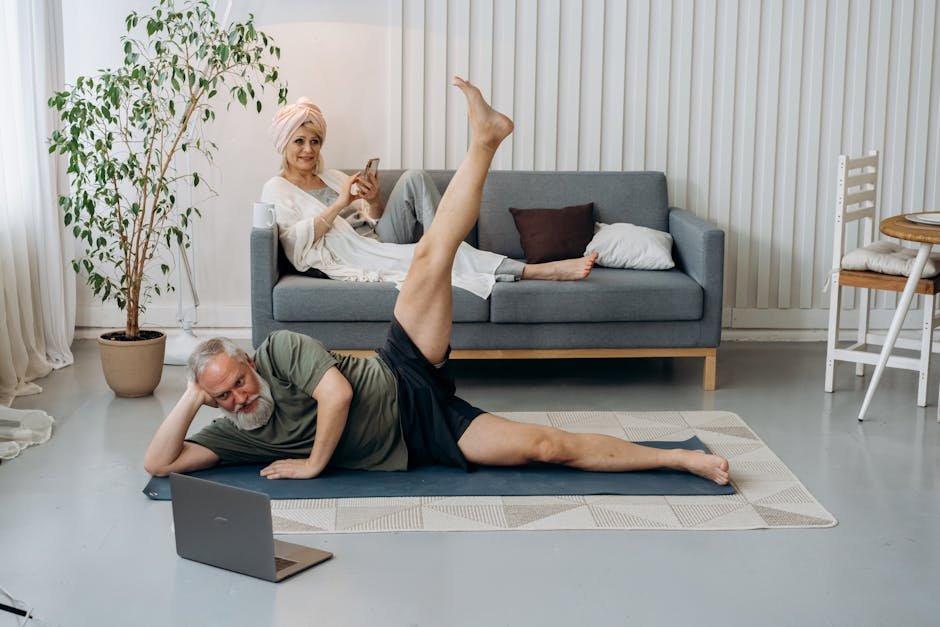
Stretching is one of the simplest and most effective recovery tools available to seniors — and you don’t need to be flexible to start. Regular, gentle stretching helps keep muscles from tightening up between activities, supports joint comfort, and reduces the risk of stiffness that can make everyday movements feel harder than they need to. The goal here isn’t to push your limits. It’s slow, steady, and consistent practice that counts.
A few easy stretches you can weave into your day include a gentle neck tilt from side to side and slow shoulder rolls, which are great for releasing tension that builds up from sitting. A seated hamstring stretch — extending one leg with your heel on the floor and hinging gently forward at the hip — can ease tightness in the back of your thighs. For your calves and ankles, standing behind a sturdy chair and stepping one foot back while pressing the heel down gives a lovely, safe stretch. A gentle seated torso twist can help keep your lower back and hips mobile. And if you’d like to open up your chest and improve posture, a gentle wall stretch — hands at shoulder height, slowly bending the elbows to bring the chest slightly forward — works beautifully.
The golden rules for safe stretching are simple: move slowly, breathe steadily (exhale as you ease into the stretch), and never bounce. If you have any concerns about balance, do your stretches seated or with one hand on a sturdy countertop or chair back. And if you feel sharp pain, dizziness, or numbness at any point, stop and check in with your healthcare provider before continuing.
Hydration and Nutrition: Fueling Your Recovery from the Inside Out
Think of hydration and nutrition as the fuel and oil that keep everything running smoothly. When you’re well hydrated, your joints stay lubricated, your energy holds steadier, and your body has what it needs to clear out the byproducts of exercise. When you eat well, you’re giving your muscles the building blocks they need to repair and stay strong. Neither of these needs to be complicated or expensive — small, steady changes really do add up.
For hydration, aim for around 6 to 8 cups of fluid a day, though your needs may vary depending on the weather, your activity level, and any medications you take. The key is to sip regularly throughout the day rather than waiting until you feel thirsty, since thirst signals can become less reliable as we age. Keep a water bottle nearby as a visual reminder. If plain water feels boring, try infusing it with a slice of lemon, cucumber, or a few berries — it makes a surprising difference. Watch for signs of dehydration like dark urine, dry lips, or dizziness, and let your doctor know if those symptoms persist.
On the nutrition side, protein is your best friend for muscle recovery and maintenance. Try to include a source of protein at every meal — eggs, yogurt, beans, fish, chicken, tofu, or cottage cheese are all excellent options. Build your meals around lean protein, colorful vegetables, whole grains, and healthy fats like olive oil, avocado, or a small handful of nuts. Calcium and vitamin D are particularly important for bone health, so include dairy or fortified plant milks, leafy greens, and fortified cereals where you can. For snacks, Greek yogurt, fruit with a little cheese, or whole-grain crackers with hummus can help keep your energy stable between meals — and keep you away from the blood-sugar rollercoaster that comes with sugary choices.
Managing Muscle Soreness and Fatigue: Practical Tips for Smarter Recovery
A little muscle soreness after activity is completely normal — it’s a sign your body is working and adapting. But how you handle that soreness can make a real difference to how you feel the next day. The goal is to give your body the support it needs to repair itself, so you can keep moving comfortably rather than sitting out because things ache too much.
Here are some of the most helpful recovery habits for seniors:
- Cool down after activity: Spend 5 to 10 minutes slowly walking or marching in place after any exercise, then follow up with a couple of gentle stretches. This helps your muscles ease out of effort gradually rather than shutting down abruptly.
- Use warmth to ease stiffness: A warm bath, a warm towel, or a heating pad on a low setting can be wonderfully soothing for tight muscles. Always check your skin comfort, and never fall asleep with a heating pad switched on.
- Try gentle self-massage: Lightly rubbing sore areas with your hands or a soft massage tool can ease discomfort and improve circulation. You don’t need to press hard — gentle pressure is enough.
- Use cold for swelling or sharp pain: If an area is swollen or acutely painful, a cold pack for 10 to 15 minutes can help. Always place a cloth between the ice pack and your skin to protect it.
- Wear supportive footwear: Good shoes with non-slip soles reduce fatigue on your joints and lower limbs during daily activities. It’s a small thing that makes a surprisingly big difference.
- Plan strategic rest breaks: It’s not weakness to rest — it’s wisdom. Short rests after increased activity or on busier days allow your body to recover and help you avoid overdoing it.
- Alternate movement with rest: Spreading shorter activity sessions — say, two or three 10 to 15 minute walks across the day — is often more sustainable than one long session and is gentler on joints and energy levels.
- Consider chair-based exercises: If standing for extended periods is challenging, chair exercises for the legs, arms, and core are a gentle but effective way to maintain mobility and strength.
It’s also worth making sure your home supports your recovery. Clear walking paths, good lighting on stairs, and grab bars in the bathroom are simple changes that reduce the risk of falls — which is especially important when your body is in recovery mode and perhaps feeling a little more fatigued than usual.
Building a Simple Daily Recovery Routine That Actually Works
One of the most powerful things you can do is build rest and recovery into a gentle daily structure, so it becomes as automatic as brushing your teeth. You don’t need a long or elaborate plan — a simple, realistic routine you actually enjoy is far more valuable than a perfect one you never follow.
Here’s an example of how a recovery-friendly day might flow. In the morning, after waking, spend a few minutes doing gentle stretches before getting up — neck rolls, shoulder circles, and a slow seated stretch to ease overnight stiffness. Follow that with a short 10 to 15 minute walk or some chair-based movement, and fuel yourself with a protein-rich breakfast like eggs on wholegrain toast or yogurt with fruit. At midday, check in with your hydration — sip water with your meal — and choose a balanced lunch with protein and vegetables. If you feel tired after lunch, a brief 20-minute rest is perfectly reasonable. In the afternoon, a light stretching session or some gentle strengthening moves like chair squats or resistance band exercises can keep your joints mobile without draining your energy. In the evening, a warm bath or a heating pad can help muscles relax, and a calm, predictable bedtime routine sets you up for restorative sleep. Before bed, take a moment to notice any stiffness or soreness and mentally adjust tomorrow’s plan if your body is telling you it needs a gentler day.
Knowing when to seek help is just as important as knowing what to do at home. If you experience ongoing or worsening pain, swelling, redness, or warmth near a joint; new numbness, tingling, or weakness affecting your balance or walking; or sudden dizziness, chest pain, or fainting — please contact your healthcare provider promptly. It’s also worth checking in with your doctor or pharmacist before starting any new exercise plan or taking new supplements, to make sure everything fits safely with your current medications and health conditions.
The Bottom Line: Rest and recovery tips for seniors aren’t about slowing down — they’re about staying strong, comfortable, and mobile for the long haul. By prioritising quality sleep, practising gentle daily stretches, staying well hydrated, eating to support your muscles and bones, and managing soreness with smart, simple habits, you give your body everything it needs to keep you moving with confidence and ease. Start small, be consistent, and remember that every mindful choice you make — every good night’s sleep, every glass of water, every gentle stretch — is an investment in your independence and your quality of life. You deserve to feel well, move freely, and enjoy every day to the fullest.
This is not medical advice. Consult your healthcare provider before starting any new health routine or using any product mentioned here.