
Safe Abdominal Exercises for Seniors: The Gentle Guide to Better Joint Health and Mobility
This post contains affiliate links. As an Amazon Associate, I earn from qualifying purchases at no extra cost to you.
Free resources — no credit card required for trial
🎧 Listen to health & wellness audiobooks free for 30 days
Start 30-Day Free Trial →
🛒 Recommended Products
As an Amazon Associate we earn from qualifying purchases at no extra cost to you.
TheraBand First Step to Active Health Kit — Senior Exercise Program for Balance and Fall P
$19.99
EZ Off Jar Opener for Seniors — Under Cabinet Jar Opener for Weak Hands and Arthritis
$9.99
Omron 5 Series Upper Arm Blood Pressure Monitor — 2-User 100-Reading Memory Wide-Range Cuf
$44.99
OMRON 7 Series Wireless Wrist Blood Pressure Monitor — Clinically Validated with Connect A
$69.99
Vitality 4 Life Senior Resistance Band with Instruction Guide — Specifically for Elderly F
$16.99
📚 Read unlimited health books free for 30 days
Try Kindle Unlimited Free →
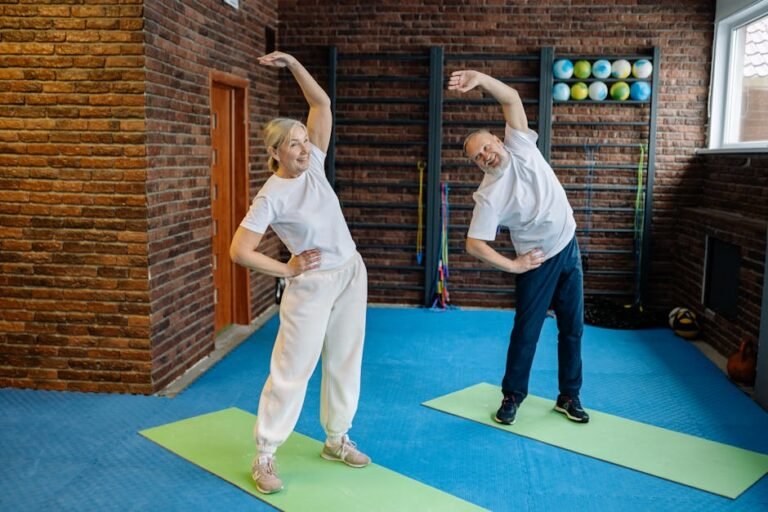
Did you know that one of the most powerful things you can do for your joints, balance, and everyday movement has nothing to do with lifting weights or running a mile? It’s building a strong, stable core — and it’s something you can start doing safely today, right in your own home. Safe abdominal exercises for seniors are not about crunches or sit-ups that strain your neck and back. They’re gentle, controlled movements designed to support your spine, ease stiffness, improve your posture, and help you move with more confidence whether you’re climbing the stairs, getting up from a chair, or taking a walk around the block. If that sounds like something your body has been asking for, you’re in exactly the right place.
Why Your Core Matters More Than You Might Think
When most people hear “core,” they picture six-pack abs — but your core is so much more than that. It’s the whole group of muscles wrapped around your abdomen, lower back, and pelvis, working together like a natural corset to keep your spine stable and your body upright. When this group of muscles is weak, your joints — especially in your hips, knees, and spine — have to work overtime to compensate. That extra effort contributes to wear and tear, stiffness, and discomfort over time.
For seniors especially, a well-supported core can be a genuine game-changer. Better core strength means better posture, which reduces pressure on joints. It means improved balance, which lowers the risk of falls. And it means more freedom in everyday movements — standing up from a sofa, bending to pick something up, or carrying groceries without that familiar ache in your lower back. The good news is that you don’t need to do anything extreme to get these benefits. Gentle, consistent core work a few times a week is enough to make a meaningful difference.
If you have osteoporosis, arthritis in the spine or hips, a back injury, or any recent surgery, it’s important to have a conversation with your healthcare provider before starting a new routine. They can help you identify which movements are safe and appropriate for your specific situation.
How to Prepare Safely Before You Begin
One of the most common mistakes people make when starting any exercise routine is skipping the preparation. A few minutes of warming up makes your muscles more pliable and your joints more comfortable — and it sets the tone for a safer session. Before you begin any safe abdominal exercises, spend three to five minutes doing something gentle to get the blood moving: march slowly in place, do a few easy shoulder rolls, or simply walk around the room.
Choose your exercise surface thoughtfully. A sturdy chair is perfect for seated movements. If you’re working on the floor, use a non-slip yoga mat or exercise mat to cushion your spine and prevent sliding. A firm bed can also work well for some lying-down exercises if getting up and down from the floor feels uncomfortable.
Always breathe freely throughout your exercises — never hold your breath. Holding your breath while bearing down (sometimes called the Valsalva manoeuvre) can spike blood pressure and put unnecessary strain on your body. And perhaps most importantly: listen to your body. If you feel sharp pain, tingling, numbness, dizziness, or chest tightness at any point, stop immediately and check in with a healthcare professional. Mild muscle fatigue is normal; pain is not something to push through.
Safe Abdominal Exercises to Try at Home
The following exercises are specifically chosen because they are gentle on the joints, easy to modify, and effective at building core stability without risky positions or excessive strain. Work through them at your own pace, starting with just one or two if you’re new to core exercise.
Diaphragmatic Breathing with Abdominal Engagement is the perfect starting point. Sit tall in a chair or lie on your back with knees bent. Place one hand on your chest and one on your belly. Breathe in through your nose, letting your belly rise, then exhale slowly through pursed lips while gently drawing your belly button toward your spine. This deceptively simple exercise trains your core to engage correctly and is completely safe for almost everyone. Do five to ten breaths.
Pelvic Tilts are wonderful for the lower abdomen and spinal control. Lying on your back with knees bent, exhale and gently press your lower back toward the floor by tilting your pelvis slightly upward. Hold for three to five seconds, then relax. Aim for eight to twelve repetitions. If your lower back feels uncomfortable, tuck a small pillow under your knees.
Seated Knee Lifts are ideal if getting on the floor feels daunting. Sit tall in a chair, brace your abdomen gently, and slowly lift one knee a few inches, then lower it. Alternate legs, doing eight to twelve lifts per side. Hold the sides of the chair if you need extra stability.
Toe Taps (lying on your back with knees bent at 90 degrees, feet lifted) engage your lower abs beautifully. Slowly tap one toe to the floor and bring it back up, keeping your back gently pressed toward the floor. Alternate sides for eight to twelve taps each. If your back lifts off the floor, keep your feet a little higher or bend your knees less.
The Gentle Dead Bug sounds unusual but is incredibly effective for teaching your core and limbs to work together. Lying on your back, arms extended toward the ceiling and knees bent at 90 degrees, brace your abdomen and slowly lower your right arm overhead while straightening your left leg toward the floor. Return and switch sides. Start with just four to six repetitions per side and build up gradually.
Bird-Dog is done on hands and knees, reaching your right arm forward and left leg back simultaneously, holding for three to five seconds before switching. This movement strengthens the back of your core, glutes, and hips — all crucial for stability and pain-free movement. If balance feels tricky, keep the movements smaller or work near a wall for support.
The Pelvic Bridge is a favourite for good reason. Lying on your back with feet flat, brace your abdomen, exhale, and lift your hips until your body forms a straight line from shoulders to knees. Hold a few seconds, lower slowly, and repeat eight to twelve times. This works your core and glutes together, giving your lower back and hips excellent support.
Standing Abdominal Bracing is something you can literally do anywhere. Stand tall, breathe in, then gently tighten your abdomen as if you’re pulling in a belt — without arching your back or tensing your shoulders. Hold for five to ten seconds, release, and repeat. This is a fantastic exercise to sprinkle into daily life while you’re at the kitchen counter or waiting for the kettle to boil.
What You Can Do: Practical Tips for Getting Started
- Start small and build gradually. Begin with one to two sets of six to ten repetitions per exercise, then increase to two to three sets as you feel more comfortable over the coming weeks.
- Aim for two to four sessions per week, with at least one rest day between core-focused sessions to allow your muscles to recover properly.
- Prioritise slow, controlled movement over speed. Quality truly matters more than quantity when it comes to safe abdominal exercises.
- Invest in a good non-slip exercise mat to cushion your spine and provide a safe surface for floor exercises. Look for one that’s thick enough to be comfortable but firm enough to be stable.
- Pair your core work with daily walking and gentle stretching for the best overall results for joint health and mobility.
- Use a sturdy chair with a firm seat for seated exercises — avoid soft sofas or chairs without armrests.
- Consider a session with a physical therapist if you’re unsure about form or have a specific health condition. Even one or two appointments can give you enormous confidence and ensure you’re moving safely.
- Keep a simple log of what you did and how you felt — even a few notes in a notebook can help you track progress and notice patterns.
- Warm up every single time, no matter how short your session is. It’s never optional.
- Celebrate small wins. Noticing that you’re sitting up taller, feeling steadier on your feet, or experiencing less lower back stiffness are all genuine victories worth acknowledging.
Common Mistakes to Avoid
Even the gentlest exercise routine can cause problems if a few key things go wrong. The most common issue is holding your breath during movements — this strains your cardiovascular system and can make core engagement feel much harder than it needs to be. Breathe steadily throughout every exercise, exhaling on the effort.
Another frequent mistake is using momentum instead of muscle control. It can be tempting to swing a leg or rush through repetitions, but this reduces the effectiveness of the exercise and increases injury risk. Slow and deliberate wins every time. Similarly, avoid rounding your back or neck to “get through” a movement — if you can’t complete a rep with good alignment, reduce the range of motion instead.
Skipping rest days is something many enthusiastic beginners do, only to find themselves feeling sore and discouraged. Muscles need time to adapt and strengthen, so rest days are productive days, not lazy ones. And please don’t ignore warning signs. Sharp or worsening pain in the back, hips, or joints during an exercise, dizziness, shortness of breath, chest pain, or any numbness or tingling in the limbs are all signals to stop and seek guidance. Pain that lingers for more than a day or two after a session also warrants a conversation with your doctor or physiotherapist.
Building Consistency and Staying Motivated
The most effective exercise routine is one you’ll actually do — and that means making it feel manageable and even enjoyable. Many seniors find it helpful to exercise at the same time each day so it becomes part of their routine, much like morning tea or an evening news programme. Pairing core exercises with something you already do, like watching your favourite show or listening to a podcast, can make the time feel effortless.
Remember that consistency beats intensity at every stage of life, but especially as we get older. A gentle ten-minute session three times a week, done reliably over months, will produce far better results than an ambitious hour-long workout that leaves you exhausted and reluctant to try again. Small, steady steps genuinely do add up — and before long, you may find that getting up from the floor feels easier, your posture feels more upright, or that familiar lower back ache has quietly become less of a daily companion.
If you ever feel unsure about whether you’re doing an exercise correctly, don’t guess — ask. A physical therapist or exercise physiologist can watch your form, suggest adjustments tailored to your body, and build a personalised plan that takes any health conditions into account. Many GP surgeries and community health centres also offer exercise classes specifically designed for older adults, which have the added bonus of social connection along with the movement.
The Bottom Line: Safe abdominal exercises for seniors are one of the most accessible and rewarding investments you can make in your joint health, mobility, and quality of life. You don’t need special equipment, a gym membership, or an hour to spare — just a few minutes of focused, gentle movement several times a week can meaningfully improve your stability, posture, and confidence in everyday activities. Start slow, breathe well, listen to your body, and trust the process. With patience and consistency, a stronger, more supported core is well within your reach — and so is the more comfortable, mobile daily life that comes with it.
This is not medical advice. Consult your healthcare provider before starting any new health routine or using any product mentioned here.