Senior-Friendly Pilates Basics: A Gentle Guide to Better Joint Health and Mobility
This post contains affiliate links. As an Amazon Associate, I earn from qualifying purchases at no extra cost to you.
Free resources — no credit card required for trial
🎧 Listen to health & wellness audiobooks free for 30 days
Start 30-Day Free Trial →
🛒 Recommended Products
As an Amazon Associate we earn from qualifying purchases at no extra cost to you.
HONEYBULL Walking Cane for Men and Women — Foldable Adjustable Heavy Duty Free-Standing Al
$34.99
BeneCane Walking Cane Adjustable with Offset Cushioned Handle — Lightweight Mobility Aid f
$29.99
REHAND Walking Cane Foldable Adjustable Collapsible — Heavy Duty All-Terrain with Travel B
$32.99
Stand Assist Walking Cane with 4-Prong Base — Adjustable Elderly Toilet and Chair Standing
$27.99
📚 Read unlimited health books free for 30 days
Try Kindle Unlimited Free →
If you’ve been searching for a gentle, effective way to keep your joints happy and your body moving freely, senior-friendly Pilates basics might just be the answer you’ve been looking for. Pilates isn’t about extreme flexibility or intense workouts — it’s about small, controlled movements, mindful breathing, and treating your body with care. For adults who want to reduce stiffness, improve balance, and feel more confident in everyday life, it offers an approachable and deeply rewarding path forward. The best part? You can tailor it completely to how you’re feeling on any given day.
What Makes Pilates So Well-Suited for Seniors?
Unlike high-impact exercises that put stress on aging joints, Pilates is built around precision and control. Every movement is intentional, every breath has a purpose, and nothing is rushed. This makes it particularly well-suited for older adults who may be dealing with arthritis, stiffness, balance concerns, or simply a body that doesn’t bounce back quite as quickly as it used to.
The foundation of Pilates rests on a few simple but powerful principles. First, there’s breath awareness — breathing slowly through the nose while letting the belly soften on the exhale helps you stay calm, focused, and in control of your movements. Then there’s centering, which means gently engaging the muscles around your middle so that effort comes from your core rather than straining your joints. Alignment keeps your spine in a comfortable, natural position, and control means moving slowly and purposefully — because tiny, accurate movements are actually far more effective (and safer) than large, hurried ones.
Together, these principles create a practice that works with your body rather than against it. Many seniors report feeling less stiff after regular sessions, finding it easier to get in and out of a chair, and noticing improved posture over time. These aren’t dramatic overnight changes — they’re the kind of steady, meaningful gains that quietly transform daily life.
Getting Started Safely: What to Know Before You Begin
Before you roll out a mat or pull up a chair, there are a few sensible preparations worth making. If you have osteoporosis, severe arthritis, a recent injury, or chronic pain, it’s a good idea to check in with your doctor before starting any new exercise routine. This isn’t about creating barriers — it’s about making sure your practice supports your health rather than working against it.
Once you have the green light, a simple two-to-three-minute warm-up makes a real difference. Try marching in place, rolling your shoulders gently, doing some slow neck stretches, and pumping your ankles back and forth. This wakes up the joints and gets the blood flowing before you ask your body to do anything more demanding. Wear comfortable, non-slip footwear, keep a glass of water nearby, and make sure you have a sturdy chair or a clear wall within easy reach for balance support.
The golden rule in senior-friendly Pilates is this: move within a comfortable range, and stop before any movement becomes painful. If something feels tight, shorten the movement. If something hurts, stop. Pain is never the goal — ease and gradual progress are.
Seven Beginner-Friendly Pilates Exercises for Joint Health and Mobility
These gentle exercises are a wonderful place to start. You don’t need to do all of them at once — pick four or so for a session and rotate through them as you build confidence.
Seated Diaphragmatic Breathing: Sit tall in a sturdy chair with feet flat on the floor. Place one hand on your belly and one on your chest. Inhale slowly through the nose, letting your belly rise and your ribs expand sideways. Exhale gently through the mouth, feeling the belly draw in softly. Repeat 6–10 times. This calming exercise supports posture and trains the core gently.
Seated Leg March: Still in your chair, sit tall and lift one knee a few inches toward hip height, then lower it slowly. Alternate legs for 8–12 repetitions each. This warms up the hips and knees in a safe, supported position. If lifting feels like too much at first, start with small toe taps on the floor.
Pelvic Tilt and Mini-Bridge: Lying on your back with knees bent and feet flat, exhale and gently press your lower back toward the floor. Hold a couple of seconds, then release. If comfortable, press into your heels and lift your hips just a few inches off the floor, keeping your ribcage down. Lower slowly. Repeat 6–8 times. This movement supports spinal mobility and gently strengthens the glutes and core.
Wall Roll-Down: Stand with your back against a wall, feet about shoulder-width apart and knees soft. Inhale to lengthen the spine, then slowly peel the upper back away from the wall one vertebra at a time — just until the shoulders float forward comfortably. Roll back up slowly, pressing the spine against the wall as you rise. Do 4–6 of these. If balance is a concern, a similar spinal articulation can be done seated.
Seated Spinal Twist: Sit tall with feet flat. Place hands on your shoulders or behind your head with elbows wide. Inhale to lengthen, then exhale and gently twist your upper body to the right while keeping your hips stable. Return to centre and repeat to the left. Do 4–6 twists per side. Keep the range small and comfortable — this isn’t about going as far as possible.
Ankle and Foot Mobility: Point your toes, then pull them back toward you in a pumping motion — 10–15 times. Then circle your ankles in both directions, 6–8 circles each way. This improves circulation and ankle flexibility, both of which support safer walking and better balance.
Shoulder and Neck Looseners: Roll your shoulders slowly up, back, and down a few times. Then tilt your head gently side to side and look slowly over each shoulder. These simple movements ease upper body stiffness and support better posture. Always move slowly and stop if you feel any neck discomfort.
Practical Tips: Adapting Pilates to Your Body’s Needs
One of the most beautiful things about Pilates is how adaptable it is. No matter what you’re working with physically, there’s almost always a way to modify a movement so it works for you. Here are some practical guidelines for common conditions:
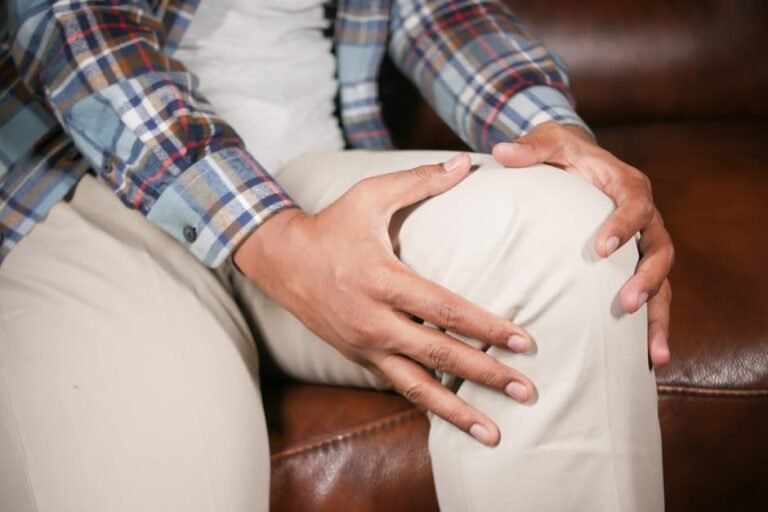
- Knee pain or arthritis: Use shorter ranges of motion and keep your feet well-supported. Focus on seated exercises and avoid deep knee bends entirely.
- Hip arthritis: Stick to smaller pelvic tilts and seated movements. Limit deep hip rotations or full bridges if they cause discomfort.
- Osteoporosis or low bone density: Avoid deep twisting or any movement with a sudden loss of balance. Always use chair or wall support, and skip any positions that require lying on your stomach for extended periods.
- Back pain: Prioritise neutral spine and gentle pelvic tilts. If any exercise increases pain, back off and return to simple breathing or ankle pumps. A qualified Pilates instructor experienced with seniors can be a wonderful guide here.
- Balance concerns: Always practise near a sturdy chair or wall. Keep feet hip-width apart, move slowly, and use support whenever standing.
- Wrist or hand pain: Use forearm support instead of weight-bearing on the hands, or try a soft fist position. Many exercises can be adapted so the arms rest comfortably on a chair.
- Fatigue: It is absolutely fine to split a routine into two short 5-to-10-minute segments throughout the day. Shorter sessions done regularly are far better than pushing through exhaustion.
The most important tip of all? Listen to your body above everything else. Progress in Pilates is measured in how you feel, not how far you can stretch or how many repetitions you complete.
Building a Routine That Actually Sticks
One of the biggest hurdles for any new exercise habit is consistency. The good news is that with senior-friendly Pilates, you don’t need long sessions to see real benefits. Starting with just two to three short sessions per week — each around 10 to 20 minutes — is entirely enough. Consistency over time matters far more than the length of any single session.
A simple starter structure looks like this: spend two to three minutes warming up with seated marching and gentle shoulder rolls, then choose four of the beginner exercises above for your main set (about 8–12 minutes), and finish with a two-to-three-minute cooldown of slow breathing and gentle stretching. As weeks go by and your confidence grows, you can add one new movement or an extra repetition every week or two — but only when you genuinely feel ready.
Your environment matters too. Clear a safe space, keep non-slip footwear on, have your chair or wall close by, and stay hydrated. Treat this time as a small but meaningful gift to yourself rather than another obligation on your to-do list. Because that’s exactly what it is.
The Mindset That Makes All the Difference
Pilates for seniors isn’t about pushing limits or comparing yourself to anyone else. It’s about showing up for your body with kindness and patience. Celebrate the small wins — the morning when your hips feel a little less stiff, the moment getting out of a chair becomes noticeably easier, or the day your balance feels steadier on a walk. These are real, meaningful improvements worth acknowledging.
On days when your body feels tight or tired, it’s perfectly fine to scale back. Maybe that’s a session of just breathing and ankle circles — and that is still a good session. The practice grows with you, adapting to where you are right now rather than demanding you perform at some fixed standard. Movement is a form of self-care, and every mindful breath counts.
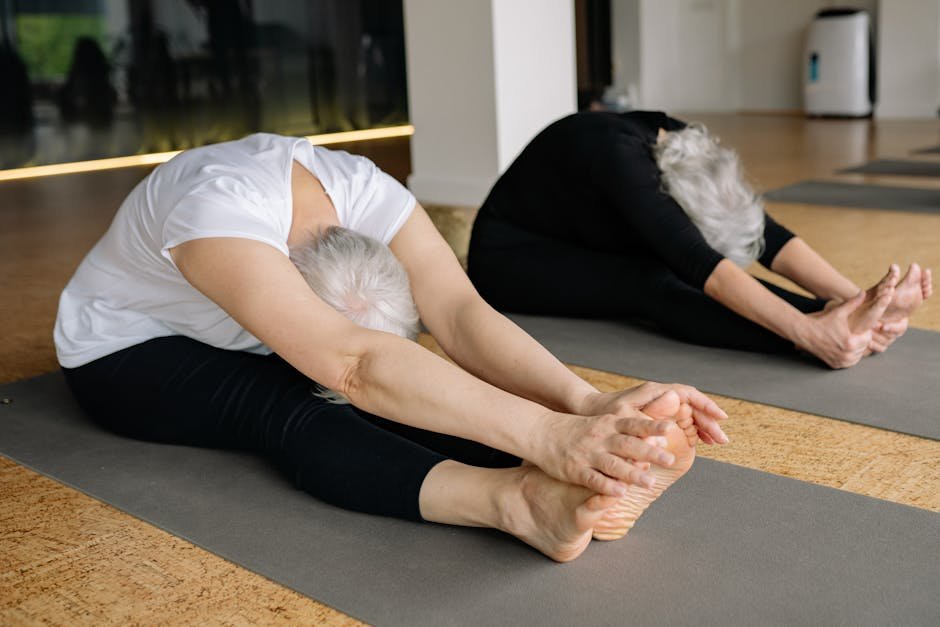
If you’d like additional support, working with a Pilates instructor who has experience with older adults can be incredibly valuable. A skilled instructor can tailor movements to your specific joints and health history, provide personalised safety guidance, and help you celebrate progress as your confidence and mobility improve. Many offer chair-based or gentle mat classes specifically designed for seniors.
The Bottom Line: Senior-friendly Pilates basics offer a safe, gentle, and genuinely effective way to support joint health, reduce stiffness, improve balance, and feel more at ease in everyday life. By focusing on controlled breathing, careful alignment, and small purposeful movements, you can build a practice that honours where your body is today while steadily working toward greater comfort and independence. Start simply, move mindfully, and remember that every gentle session is a step in the right direction. Your joints will thank you for it.
This is not medical advice. Consult your healthcare provider before starting any new health routine or using any product mentioned here.