Pilates for Spine Health: A Senior’s Warm and Practical Guide to Feeling Stronger Every Day
This post contains affiliate links. As an Amazon Associate, I earn from qualifying purchases at no extra cost to you.
Free resources — no credit card required for trial
🎧 Listen to health & wellness audiobooks free for 30 days
Start 30-Day Free Trial →
🛒 Recommended Products
As an Amazon Associate we earn from qualifying purchases at no extra cost to you.
Branfit Shoulder and Back Brace Posture Corrector — Breathable Posture Trainer for Upper B
$24.99
Posture Corrector for Women and Men — Comfortable Effective Brace for Shoulder and Back Pa
$22.99
Bodywellness Posture Corrector for Men and Women — Adjustable Back Straightener with Clavi
$19.99
Updated Posture Corrector — Adjustable Upper Back Brace for Clavicle Support and Neck Pain
$21.99
TRIDUCNA Shiatsu Neck Back and Shoulder Massager with Heat — Deep Tissue 3D Kneading Pillo
$49.99
📚 Read unlimited health books free for 30 days
Try Kindle Unlimited Free →
If your back has been feeling stiffer lately, your posture isn’t quite what it used to be, or you find yourself wincing when you get up from a chair, you’re far from alone. These are some of the most common concerns among adults as they age — but here’s the encouraging news: they don’t have to be permanent. Pilates for spine health is gaining real recognition as one of the gentlest, most effective ways for seniors to rebuild core strength, ease stiffness, and move through daily life with greater confidence. Whether you’ve never tried Pilates before or you’re simply looking for a smarter way to care for your back, this guide is for you.
Why the Spine Needs Extra Attention as We Age
The spine is one of the hardest-working structures in your body, supporting you through every sit, stand, walk, and stretch you take across a lifetime. Over the decades, it naturally undergoes some changes. The discs between your vertebrae can lose a little height and cushioning, the spine’s curves may become stiffer, and the muscles that support the back tend to weaken if they’re not regularly engaged. The result? More stiffness, slower movement, and sometimes persistent aching in the lower back or neck.
Posture is another big piece of the puzzle. Years of sitting — at desks, in cars, on sofas — can gradually pull the shoulders forward and cause the upper back to round. This “posture drift” puts extra strain on the neck and lower back and can make everyday tasks feel more effortful than they should. For some seniors, conditions like osteoporosis also mean that bones are more fragile, which makes it especially important to choose exercise that’s safe and controlled rather than high-impact or jarring.
Back and neck discomfort can also affect balance and confidence. When movement hurts, we tend to move less — and moving less leads to more stiffness and weakness. It becomes a cycle. The good news is that gentle, purposeful movement like Pilates can help break that cycle by building strength and mobility without putting the spine under unnecessary stress.
What Pilates Can Actually Do for Your Spine Health
Pilates was designed from the ground up to build what its founder Joseph Pilates called “the powerhouse” — the deep core muscles that wrap around your torso and support your spine. A strong core doesn’t mean a six-pack; it means your back has the internal scaffolding it needs to stay upright, absorb impact, and move safely. For seniors, this kind of functional strength is genuinely life-changing.
Beyond strength, Pilates emphasises controlled, small-range movements that gently lengthen and mobilise the spine. Many people are surprised by how much relief comes from simply learning to move the spine in a coordinated, deliberate way. These movements help restore the natural curves of the spine — what Pilates practitioners call a “neutral spine” — which reduces mechanical stress on the back whether you’re sitting, standing, or lifting something from the floor.
Breathing is another underrated benefit. In Pilates, every movement is coordinated with intentional breath. This not only supports the movement itself but helps reduce tension and prevents the common habit of holding your breath during effort — which can spike blood pressure and create unnecessary strain. And practically speaking, building a strong, mobile, well-aligned spine makes everyday tasks easier: getting in and out of a car, reaching overhead in the kitchen, carrying shopping bags, or simply standing tall while chatting with friends.
Spine Health and Safety: What Seniors Need to Know Before Starting
Before you roll out a mat or sit down in a chair for your first Pilates session, it’s worth taking a few important steps. If you have osteoporosis, a history of spinal surgery, herniated discs, arthritis, or any other medical condition affecting your back or bones, please check in with your doctor or physiotherapist first. This isn’t about gatekeeping — it’s about making sure your practice is tailored to your needs from the very beginning.
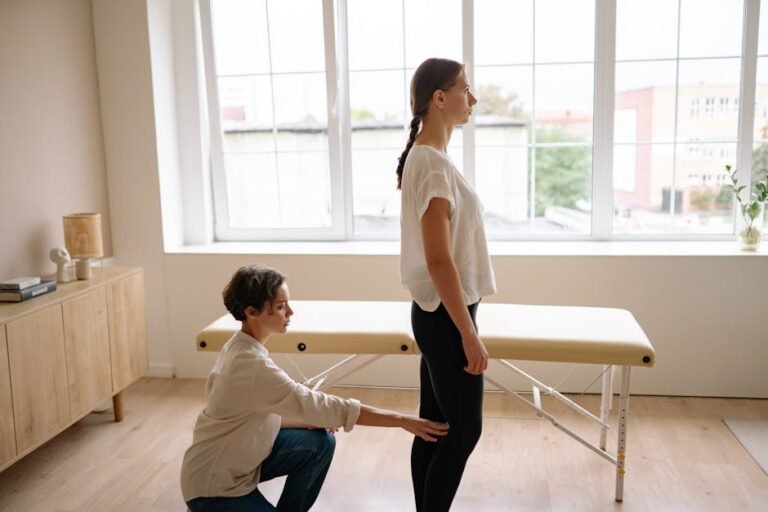
Equally important is finding a qualified instructor who has experience working with older adults or people with spine concerns. A knowledgeable teacher can offer safe modifications, keep an eye on your form, and help you progress at the right pace. Many Pilates studios now offer senior-specific classes, and there are also well-designed online and chair-based programmes if attending a studio isn’t practical for you.
When you’re exercising, keeping your spine in its natural “neutral” position — neither fully arched nor pressed completely flat — is key. This protects the back and ensures you’re working the right muscles. It’s also wise to avoid deep forward bends, fast twisting movements, or any exercises that place heavy load on the spine. If something causes sharp or worsening pain, that’s your body’s signal to stop and reassess. Mild muscle awareness as you engage new muscles is normal; pain is not something to push through.
Practical Tips: How to Start a Pilates Routine for Spine Health
Starting small is always the smartest approach. You don’t need hour-long sessions or fancy equipment to get meaningful results. Here’s how to build a safe, sustainable routine:
- Start with short sessions: Aim for 10–20 minutes, two to four times a week. As your strength and comfort grow, gradually increase the duration or frequency.
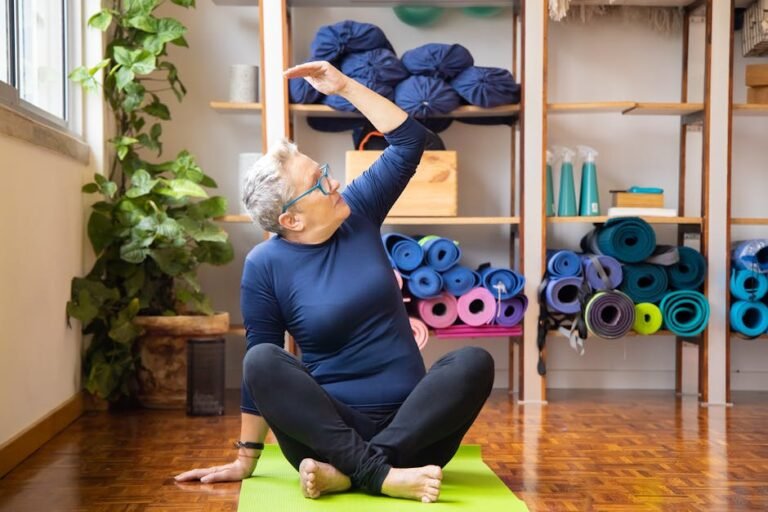
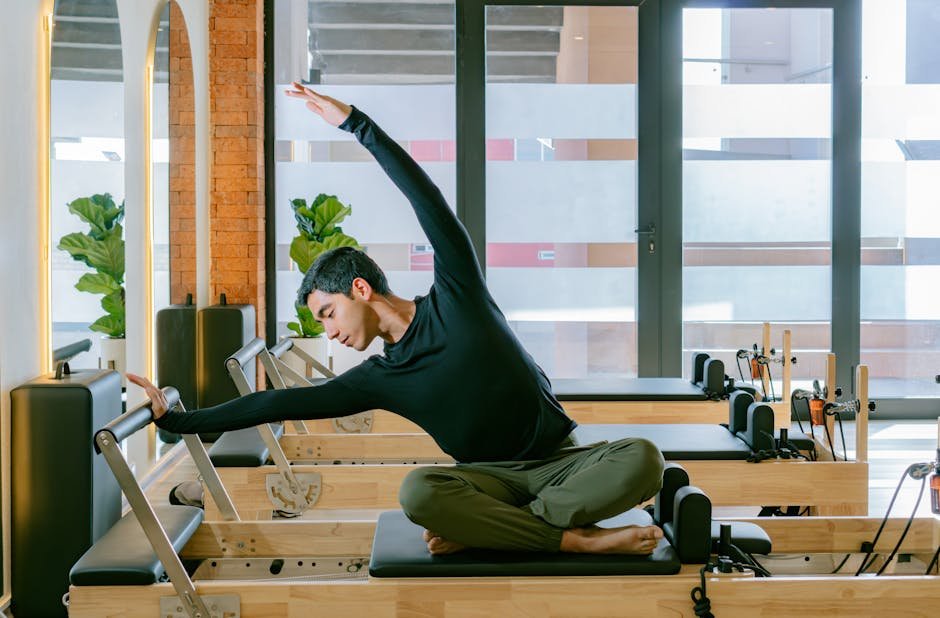
- Choose the right format: Chair-based Pilates is ideal for seniors who want extra support and stability. Mat-based practice works well if you have a flat, non-slip surface and feel confident getting up and down from the floor.
- Set up a safe space: Use a sturdy chair with a back, a quality non-slip mat, and enough clear floor space to move freely. A non-slip mat or Pilates mat with good cushioning (look for one around 8–10mm thick) makes all the difference for comfort.
- Always warm up: Begin every session with gentle breathing and slow movements to wake up the spine and core before you ask them to do more.
- Dress comfortably: Wear clothing you can move freely in. On the floor, bare feet or non-slip socks are safer than regular shoes.
- Stay hydrated: Keep a glass of water nearby, especially if you’re working in a warm room.
- Progress gradually: Start with the most basic exercises — breathing, gentle pelvic tilts, small spinal movements — and only add more repetitions or range of motion as you feel stronger and more confident.
- Make it enjoyable: Put on some music you love, follow a programme you look forward to, or join a class with others. Consistency matters far more than intensity.
- Keep a simple log: Note down which movements felt easy or challenging. Celebrating small wins — less morning stiffness, steadier balance, easier stairs — keeps you motivated.
- Check in periodically: A regular review with an instructor or physio helps you adjust your routine as your strength improves.
A Gentle Beginner Routine to Support Your Spine
You don’t need to dive into a complicated programme to start seeing benefits. The following simple sequence takes around 10–20 minutes and focuses on the core Pilates principles of breathing, alignment, and gentle spinal mobility. If you have osteoporosis, arthritis, or any back or neck conditions, go slowly, use modifications, and stop if any movement causes pain.
Diaphragmatic breathing is always the starting point. Sit tall or lie on your back with knees bent. Place one hand on your belly and breathe in slowly through the nose, letting the belly rise, then exhale gently through the mouth. Do five or six breaths, consciously relaxing your jaw and shoulders. From there, pelvic tilts are a wonderfully gentle way to introduce spinal movement. Lying on your back, slowly tilt your pelvis toward your belly button, flattening the small of your back against the floor, then release. Repeat eight to ten times, moving with your breath.
A modified bridge builds on this beautifully — simply lift your hips a small way off the floor, hold for a breath, and lower slowly. Six to eight repetitions is plenty. On hands and knees, Cat-Cow with a limited range gently encourages the upper and lower spine to move together: arch gently, then round gently, always staying within what feels comfortable. Seated gentle twists done in a chair — sitting tall and rotating softly to one side, then the other — help maintain thoracic mobility without stressing the spine. Shoulder blade squeezes combined with a gentle upward arm reach are excellent for counteracting rounded posture. Finish with slow, mindful breathing, a gentle neck nod, and a full-body stretch. That’s a complete, meaningful session for your spine.
When to Seek Professional Support for Spine Health
Pilates is safe and beneficial for the vast majority of seniors, but there are situations where professional guidance isn’t just helpful — it’s essential. If you have a history of fractures or osteoporosis, have had spinal surgery, or experience any of the following symptoms, please seek medical advice promptly rather than continuing to exercise independently: numbness or tingling down the legs, weakness in the legs or feet, loss of bladder or bowel control, or new and severe back pain.
These symptoms can signal something that needs proper medical assessment and should never be managed with exercise alone. For everyone else, if you’re feeling uncertain about a movement, experiencing persistent discomfort, or simply not sure whether your form is right, a session or two with a qualified Pilates instructor or physiotherapist who specialises in senior spine care is one of the best investments you can make in your wellbeing. Think of it as getting a personalised road map for your practice — one that’s built around your body, your history, and your goals.
The mindset that serves seniors best in Pilates is one of patience and self-compassion. This isn’t about achieving perfect flexibility or pushing through discomfort to keep up with anyone else. It’s about learning to listen to your body, building a steady foundation, and gradually creating a movement practice that makes daily life feel easier, more comfortable, and more joyful. Your spine has carried you faithfully for decades — a little consistent, thoughtful care can go a very long way.
The Bottom Line: Pilates for spine health is one of the most practical, accessible, and effective tools available to seniors who want to move more freely, reduce stiffness, and feel stronger in everyday life. By building core strength, restoring spinal mobility, and encouraging better posture through gentle and controlled movement, Pilates supports your back in a way that translates directly to everything you do — from getting out of bed in the morning to enjoying a walk in the park. Start small, honour your limits, work with qualified support where you can, and above all, keep showing up consistently. Your spine — and your whole quality of life — will thank you for it.
This is not medical advice. Consult your healthcare provider before starting any new health routine or using any product mentioned here.