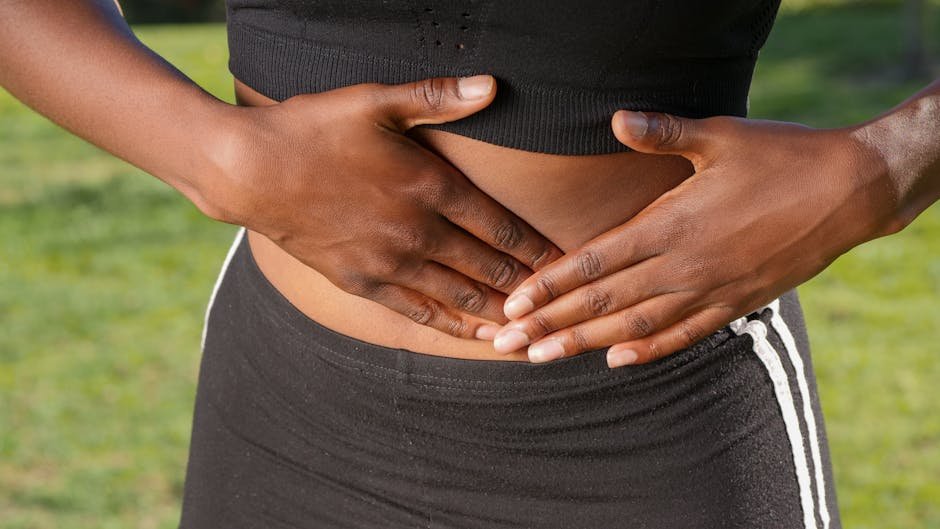
Standing vs. Sitting After Meals: What Older Adults Need to Know for Better Digestion
This post contains affiliate links. As an Amazon Associate, I earn from qualifying purchases at no extra cost to you.
Free resources — no credit card required for trial
🎧 Listen to health & wellness audiobooks free for 30 days
Start 30-Day Free Trial →
🛒 Recommended Products
As an Amazon Associate we earn from qualifying purchases at no extra cost to you.
TheraBand First Step to Active Health Kit — Senior Exercise Program for Balance and Fall P
$19.99
EZ Off Jar Opener for Seniors — Under Cabinet Jar Opener for Weak Hands and Arthritis
$9.99
Omron 5 Series Upper Arm Blood Pressure Monitor — 2-User 100-Reading Memory Wide-Range Cuf
$44.99
OMRON 7 Series Wireless Wrist Blood Pressure Monitor — Clinically Validated with Connect A
$69.99
Vitality 4 Life Senior Resistance Band with Instruction Guide — Specifically for Elderly F
$16.99
📚 Read unlimited health books free for 30 days
Try Kindle Unlimited Free →
Have you ever finished a meal and wondered whether you should get up and move around or simply settle into your favourite chair? It might seem like a small decision, but for older adults, what you do in the minutes and hours after eating can make a real difference to your comfort, your digestion, and even your safety. The truth is, the question of standing vs. sitting after meals is one that more of us should be thinking about — and the good news is that a few simple, gentle changes to your post-meal routine can go a long way toward helping you feel better every day.
What Actually Happens to Your Body After a Meal
After you finish eating, your body quietly gets to work. The food travels from your mouth to your stomach, where it mixes with stomach acids and digestive enzymes. This breaks it down into a softer, more liquid mixture that your body can then push into the small intestine, where all those valuable nutrients are absorbed. The muscles lining your stomach and intestines do this through rhythmic, wave-like contractions called peristalsis — it’s a bit like a gentle internal massage that keeps everything moving along.
Here’s where posture and position come in. Gravity actually plays a helpful supporting role in this whole process. When you’re upright — whether standing or sitting tall — gravity assists in guiding food and gas through your digestive tract. When you lie down shortly after eating, you’re essentially working against that natural assistance, which can slow things down and, for many people, cause uncomfortable heartburn or a heavy, sluggish feeling in the stomach.
Everyone’s digestive system is a little different, especially as we get older. Changes in stomach acid production, slower motility, and certain medications can all affect how digestion feels after a meal. That’s why there’s no single perfect answer — but understanding the basics helps you make smarter, more comfortable choices for yourself.
The Benefits and Drawbacks of Standing After Meals
Standing after a meal has some genuinely appealing benefits. When you stand upright, gravity does a lovely job of keeping stomach contents moving in the right direction — downward and forward — rather than pressing back up toward the oesophagus. Many people find this reduces the likelihood of acid reflux or that uncomfortable burning sensation after eating. Standing also naturally encourages you to be a little more active, even if it’s just shifting your weight or taking a few steps around the kitchen.
A short, easy walk after a meal is one of the most recommended post-meal habits for good reason. Even a 5 to 10-minute stroll around your home or garden can help your body process the energy from your meal, support blood sugar regulation, and lift your mood. It doesn’t need to be vigorous — slow and steady is perfectly effective.
That said, standing after meals isn’t without its risks, particularly for older adults. One thing to be aware of is postprandial hypotension — a drop in blood pressure that some people experience after eating. This happens because blood is directed toward the digestive system, and it can cause dizziness or lightheadedness, especially when standing up quickly. If you have arthritis or joint pain, standing for extended periods can also be uncomfortable. The key takeaway: standing is generally helpful, but how you stand and for how long matters just as much as the act itself.
The Benefits and Drawbacks of Sitting After Meals
Sitting after a meal is a perfectly reasonable choice — and for many older adults, it’s the safer and more comfortable option, especially right after eating. The important thing is how you sit. Sitting upright in a supportive chair with your back tall and your feet flat on the floor allows your digestive system to work efficiently without putting unnecessary pressure on your stomach or back.
For people with balance concerns, unsteady legs, or dizziness after meals, sitting is often the smarter choice than trying to stand or walk straight away. It gives your body a chance to settle, lets blood pressure stabilise, and reduces the risk of a fall. You can still be gently active while seated — ankle circles, gentle foot lifts, or simply shifting position every 20 to 30 minutes all help to keep circulation moving.
The downside of sitting comes mostly from staying still for too long or sitting in a slouched position. Slouching or leaning back heavily can actually increase pressure on the stomach and may worsen heartburn for some people. And if you spend the next two or three hours completely motionless after a meal, you miss the digestive and metabolic benefits that light movement can provide. A little goes a long way — even small movements count.
Standing vs. Sitting After Meals: What to Watch Out For
Understanding the potential pitfalls of each position helps you stay safe and comfortable. One of the most important things to be aware of if you tend to stand after meals is the risk of dizziness. Rising too quickly from a seated position can cause a sudden drop in blood pressure, making you feel faint. Always stand up slowly, pause for a moment before you start walking, and keep a hand on a sturdy piece of furniture until you’re sure you’re steady.
Falls are a serious concern for older adults, and the period after a meal can be a vulnerable time — especially if you’re feeling full, a little tired, or have taken medications that affect balance. Having a sturdy chair, a counter to hold onto, or a walking aid nearby is simply good planning. Wearing slip-resistant shoes or slippers around the house is another small but meaningful safety measure.
On the sitting side, the biggest thing to avoid is lying flat too soon after eating. Lying down within two to three hours of a meal — particularly if you experience acid reflux or heartburn — can significantly worsen those symptoms. If you’re feeling tired after eating and want to rest, try propping yourself up with pillows rather than lying completely flat, or simply stay seated for a while longer before heading to bed or the sofa.
What You Can Do: Practical Tips for a Comfortable Post-Meal Routine
The good news is that building a better post-meal routine doesn’t require big changes or special equipment. Here are some simple, practical ideas you can start trying today:
- Rise slowly after eating. Whether you’ve been sitting at the dining table or in your armchair, always take your time getting up. Hold onto a sturdy surface and give yourself a moment before walking.
- Try a 5–10 minute gentle walk. A slow stroll around your home, hallway, or garden after a meal is one of the best things you can do for your digestion. A family member or carer can join you for company and added safety.
- Do a standing stretch routine. Stand with good support nearby, roll your shoulders back, take a few deep breaths, and try gentle side-to-side twists. This encourages movement without overexertion.
- Stay seated but keep moving. If standing doesn’t feel right, sit upright in a firm chair and do gentle ankle circles or alternate foot lifts. This keeps blood circulating without any fall risk.
- Set a timer for position breaks. If you’re sitting after a meal, aim to stand or stretch every 20 to 30 minutes. Even a brief change of position helps.
- Avoid lying down for at least 2–3 hours after eating. Especially if you’re prone to heartburn or reflux, staying upright — whether seated or standing — gives your stomach time to settle.
- Sip water gently throughout the day. Staying hydrated supports digestion and helps prevent constipation, though it’s always worth checking with your doctor if you have specific fluid guidelines to follow.
- Wear safe footwear. Slip-resistant shoes or supportive slippers significantly reduce the risk of slipping, especially if you’re moving around after a meal.
- Have a consistent meal schedule. Eating at regular times with balanced portions helps your digestive system settle into a rhythm, which often means less discomfort after meals overall.
Listening to Your Body and Finding What Works for You
Perhaps the most important thing to remember is that there’s no one-size-fits-all answer when it comes to post-meal posture. Your best routine will depend on your own health, your energy levels on any given day, and the conditions you’re managing. Someone with acid reflux may find that standing for a short while after eating makes a meaningful difference. Someone with low blood pressure or joint pain may be much more comfortable with a seated routine that includes gentle movement. Both approaches can work — it’s about finding your own balance.
Pay attention to how you feel after meals. If you frequently experience bloating, gas, or a heavy sensation, gentle movement — whether standing or seated — is likely to help. If heartburn is a regular issue, focus on staying upright and avoiding lying down. If dizziness is a concern, plan your transitions carefully and always have something sturdy to hold onto. Your body gives you signals — learning to listen to them is one of the kindest things you can do for your health.
If you have conditions such as GERD, diabetes, postural hypotension, arthritis, or balance difficulties, it’s well worth having a conversation with your doctor or a physiotherapist about tailoring your post-meal routine specifically to your needs. They can offer personalised guidance that takes all of your circumstances into account. And if you ever experience chest pain, severe heartburn, frequent fainting, or sudden difficulty walking after meals, don’t hesitate to seek medical advice promptly.
The Bottom Line: Whether you choose standing or sitting after meals — or a comfortable combination of both — the most important thing is to stay upright, move gently, and listen to your body. Small, consistent habits like a short post-meal walk, good seated posture, and slow, careful transitions can make a genuine difference to your digestive comfort and your overall wellbeing. You don’t need to overhaul your whole routine overnight. Start with one small change today — perhaps a five-minute stand and stretch after dinner — and build from there. Your digestive health is absolutely worth the effort, and these gentle steps can help you feel more comfortable, more energised, and more confident in your everyday self-care.
This is not medical advice. Consult your healthcare provider before starting any new health routine or using any product mentioned here.