Immune Health for Seniors: Practical Lifestyle Changes to Strengthen Low Immunity
This post contains affiliate links. As an Amazon Associate, I earn from qualifying purchases at no extra cost to you.
Free resources — no credit card required for trial
🎧 Listen to health & wellness audiobooks free for 30 days
Start 30-Day Free Trial →
🛒 Recommended Products
As an Amazon Associate we earn from qualifying purchases at no extra cost to you.
TheraBand First Step to Active Health Kit — Senior Exercise Program for Balance and Fall P
$19.99
EZ Off Jar Opener for Seniors — Under Cabinet Jar Opener for Weak Hands and Arthritis
$9.99
Omron 5 Series Upper Arm Blood Pressure Monitor — 2-User 100-Reading Memory Wide-Range Cuf
$44.99
OMRON 7 Series Wireless Wrist Blood Pressure Monitor — Clinically Validated with Connect A
$69.99
Vitality 4 Life Senior Resistance Band with Instruction Guide — Specifically for Elderly F
$16.99
📚 Read unlimited health books free for 30 days
Try Kindle Unlimited Free →
If you’ve noticed that colds seem to linger longer than they used to, or that you feel run down more easily than in years past, you’re not imagining it. As we age, our immune system naturally becomes a little less agile — it doesn’t react as fast or as powerfully as it once did. But here’s the encouraging news: lifestyle changes for seniors with low immunity can make a very real difference. You don’t need to overhaul your entire life overnight. Small, consistent steps — in what you eat, how you move, how you sleep, and how you manage stress — can genuinely support your body’s natural defenses and help you feel stronger, more energized, and more resilient day to day.
Why Seniors Are More Vulnerable to Immune Challenges
It helps to understand what’s actually happening in your body as you get older. The immune system is incredibly complex, and aging affects it in several ways. The body produces fewer immune cells, those cells communicate less efficiently, and inflammatory responses can become both slower and, paradoxically, more prone to low-grade chronic inflammation. This means that infections can take hold more easily, last longer, and take more out of you during recovery.
The good news is that immunity isn’t simply a fixed feature of your biology. It’s influenced enormously by the daily choices you make. Diet, physical activity, sleep quality, stress levels, hygiene habits, and social connection all play meaningful roles in how well your immune defenses function. That gives you a lot of power — and a lot of practical options to work with.
It’s also worth noting that many seniors are managing chronic conditions or taking multiple medications, which can interact with supplements or new exercise routines. That’s why the golden rule throughout this guide is: always check with your healthcare provider before making significant changes. Think of your doctor as your partner in this journey, not a gatekeeper.
Nourishing Your Immune System Through Diet
Food really is one of the most powerful tools you have for supporting immune health. A steady, balanced diet gives your immune cells the raw materials they need to do their jobs. No single “superfood” will transform your immunity, but a consistently colorful, varied plate can absolutely support your body’s defenses over time.
Protein is especially important for seniors, because it helps keep immune cells strong and functioning properly. Try to include a source of lean protein at every meal — think grilled chicken, fish, eggs, dairy, beans, lentils, tofu, or a small handful of nuts. Pair that with plenty of fruits and vegetables in as many colors as you can manage. Those vibrant hues signal vitamins, minerals, and antioxidants that your immune system genuinely needs. Whole grains like oats, brown rice, and quinoa, along with healthy fats from olive oil, avocado, and nuts, round out an immune-supportive eating pattern beautifully.
Vitamin D deserves a special mention. It’s strongly linked to immune function, and many older adults don’t get enough of it, especially in winter months or if they spend a lot of time indoors. Safe, brief periods of sun exposure, along with foods like fortified dairy or plant milks and fatty fish such as salmon or sardines, can help. Zinc, found in dairy, meat, beans, and whole grains, is another mineral worth paying attention to. And don’t underestimate hydration — water and low-sugar fluids keep the mucus membranes in your airways moist, which is actually one of your first lines of defense against infection.
If you’re thinking about taking supplements, please speak with your clinician first. While vitamin D or zinc supplements may be appropriate for some people, high doses of certain nutrients can cause side effects or interact with medications. A registered dietitian can also help tailor a plan if you have dietary restrictions or specific health conditions to manage.
Gentle Movement: How Physical Activity Supports Immunity
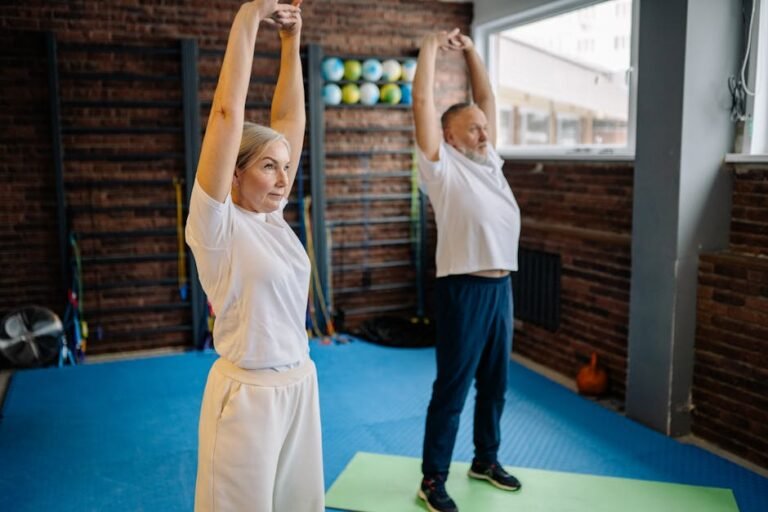
You don’t need to run marathons or join a gym to get real immune benefits from exercise. In fact, for most seniors, moderate, consistent movement is far more beneficial — and safer — than intense workouts. Regular activity improves circulation, helps regulate sleep, supports a healthy weight, and reduces stress hormones, all of which influence how well your immune system functions.
Walking is one of the simplest and most accessible forms of exercise. Even 15 to 20 minutes most days is a great starting point, and you can gradually work up to 30 minutes as you build stamina. If a longer walk feels like too much at first, break it into two 10-minute sessions — that counts just as well. For those with balance concerns or joint issues, chair-based routines are a wonderful alternative. Seated leg lifts, gentle arm circles, and light resistance band exercises can all be done safely from a sturdy chair.
Aim to include some balance and light strength work twice a week as well. Simple exercises like standing on one foot while holding a counter, or doing heel-to-toe walking, can improve your stability and reduce fall risk — a very real concern for seniors. Water aerobics, tai chi, and beginner yoga are also excellent options that are gentle on the joints while still building strength and flexibility. Always wear supportive shoes, stay hydrated, and stop immediately if you experience chest pain, dizziness, or shortness of breath, and contact your doctor.
The Power of Sleep and Stress Management for Immune Health
Sleep is often underestimated as an immune-health tool, but it’s genuinely one of the most powerful things you can do for your body. During sleep, your immune system releases proteins called cytokines that help fight infection and inflammation. Most adults benefit from around 7 to 8 hours per night, though individual needs do vary slightly. Poor or insufficient sleep can leave you more vulnerable to illness and slower to recover.
Building good sleep habits doesn’t have to be complicated. Try to go to bed and wake up at roughly the same time every day — yes, even on weekends. A cool, dark, comfortable room makes a real difference. In the 30 minutes before bed, wind down with something calming: a gentle read, some quiet music, or a warm bath. Avoid caffeine after mid-afternoon and limit alcohol close to bedtime, as both can interfere with sleep quality even if they don’t seem to at first. Short daytime naps can be refreshing, but long or late naps may make it harder to sleep well at night.
Chronic stress is another significant factor in immune health that many people overlook. When your body is in a prolonged state of stress, it produces elevated levels of stress hormones that can suppress immune function over time. The good news is that even small, regular stress-management practices can genuinely help. Deep breathing is one of the simplest: inhale slowly through your nose for 4 counts, then exhale through your mouth for 6. Repeat five times. You can do this anywhere, anytime. Brief mindful moments — just pausing for a minute to notice your surroundings and your breath — can also reset a tense mind. And don’t underestimate the immune-supporting power of social connection. Regular chats with friends or family, whether in person, by phone, or over video, nurture both mood and resilience.
What You Can Do: Practical Tips for Seniors with Low Immunity
Ready to get started? Here’s a practical summary of the most impactful lifestyle changes for seniors with low immunity. Remember, you don’t need to do everything at once — pick one or two to begin with and build from there.
- Eat protein at every meal: Include eggs, fish, chicken, beans, dairy, or tofu to keep immune cells strong.
- Fill half your plate with color: Aim for a variety of fruits and vegetables every day for vitamins, minerals, and antioxidants.
- Stay hydrated throughout the day: Keep a water bottle nearby and sip regularly — soups and herbal teas count too.
- Move gently and consistently: Even a 15-minute daily walk makes a meaningful difference over time.
- Prioritize 7–8 hours of sleep: Stick to a consistent schedule and create a calming pre-bed routine.
- Practice deep breathing daily: Just five slow, deliberate breaths can ease stress and support your nervous system.
- Wash your hands thoroughly: At least 20 seconds with soap and water, especially before meals and after being in public spaces.
- Keep up with recommended vaccines: Annual flu shots, COVID-19 boosters, pneumococcal vaccines — discuss your schedule with your doctor.
- Stay socially connected: Regular contact with friends and family supports mood, which in turn supports immune resilience.
- Limit alcohol and avoid smoking: Both can significantly dampen immune function, especially in combination with medications.
- Get some safe sun exposure: Short, regular periods outdoors help your body produce vitamin D, a key immune nutrient.
- Schedule regular checkups: Keep your healthcare team informed about any new symptoms or changes you’re making to your routine.
Hygiene, Prevention, and Other Habits That Protect You
Supporting your immune system isn’t just about building it up — it’s also about reducing the number of threats it has to face. Good hygiene practices are genuinely one of the most effective ways to stay well. Thorough handwashing for at least 20 seconds is still one of the single best defenses against common infections. It’s simple, free, and enormously effective.
Good ventilation in your home matters too. Open windows when weather allows and ensure air circulates well through your living spaces. Oral health is another often-overlooked factor — regular brushing, flossing, and dental checkups support overall health in ways that connect back to immunity. Keep your living areas clean and dry, and attend promptly to any cuts or sores, which can become entry points for infection if neglected.
Vaccinations remain one of the most powerful tools available to older adults for preventing serious illness. Talk with your doctor about which vaccines are recommended for your age group and health status. The annual flu vaccine, up-to-date COVID-19 vaccines, and pneumococcal vaccines are commonly recommended for seniors, but your clinician is the best person to guide you based on your individual circumstances. Routine checkups also give you the opportunity to discuss any concerns, catch potential issues early, and get personalized advice on supporting your health.
The Bottom Line: Lifestyle changes for seniors with low immunity don’t have to be dramatic or overwhelming to be effective. Nourishing meals rich in protein and colorful vegetables, regular gentle movement, quality sleep, daily stress-relief practices, consistent hygiene, and meaningful social connection all work together to support your body’s natural defenses. Progress over perfection is the goal here — every small, steady step you take genuinely counts. Be kind to yourself, celebrate the small wins, and keep your healthcare provider in the loop as you build habits that support your strength, resilience, and wellbeing for years to come.
This is not medical advice. Consult your healthcare provider before starting any new health routine or using any product mentioned here.