
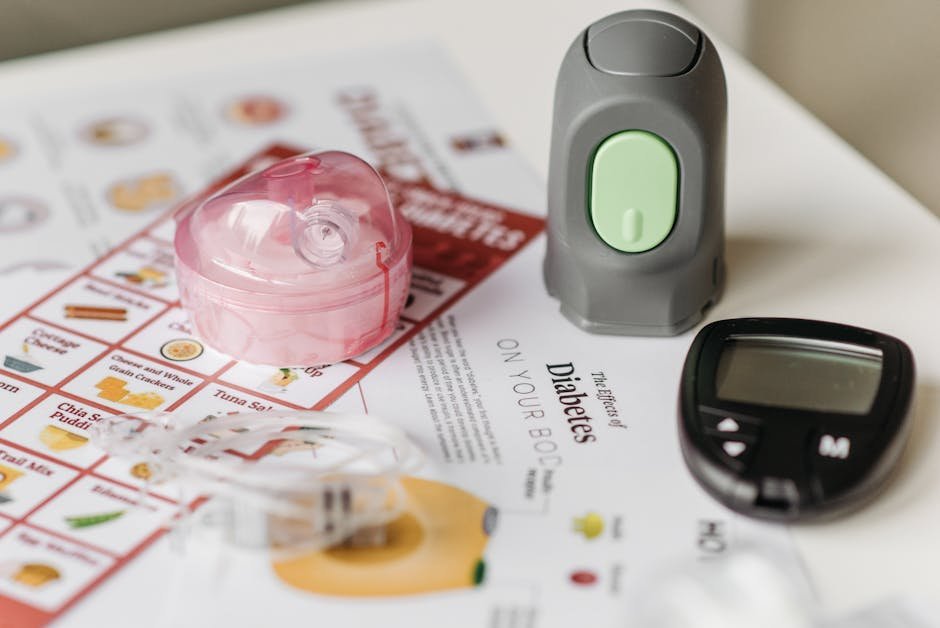
The Connection Between Mental Health and Diabetes: A Practical Guide for Seniors
This post contains affiliate links. As an Amazon Associate, I earn from qualifying purchases at no extra cost to you.
Free resources — no credit card required for trial
🎧 Listen to health & wellness audiobooks free for 30 days
Start 30-Day Free Trial →
🛒 Recommended Products
As an Amazon Associate we earn from qualifying purchases at no extra cost to you.
TheraBand First Step to Active Health Kit — Senior Exercise Program for Balance and Fall P
$19.99
EZ Off Jar Opener for Seniors — Under Cabinet Jar Opener for Weak Hands and Arthritis
$9.99
Omron 5 Series Upper Arm Blood Pressure Monitor — 2-User 100-Reading Memory Wide-Range Cuf
$44.99
OMRON 7 Series Wireless Wrist Blood Pressure Monitor — Clinically Validated with Connect A
$69.99
Vitality 4 Life Senior Resistance Band with Instruction Guide — Specifically for Elderly F
$16.99
📚 Read unlimited health books free for 30 days
Try Kindle Unlimited Free →
If you’re living with diabetes, you already know it takes more than just tracking numbers and remembering medications. There are days when the worry feels heavier than the routine, when low energy makes it hard to stick to your plan, or when life’s stresses seem to send your blood sugar in the wrong direction. The truth is, the connection between mental health and diabetes is very real — and understanding it can be one of the most powerful things you do for your overall wellbeing. Whether you’ve been managing diabetes for years or you’re still finding your footing, this guide is here to help you see the full picture: body and mind, together.
Why Mental Health and Diabetes Are More Connected Than You Might Think
Many people think of diabetes as a purely physical condition — something managed with pills, injections, and meal planning. But your emotional world and your blood sugar levels are deeply intertwined. When you feel stressed, your body releases hormones that can actually raise your blood sugar, even if you’ve been careful with your diet and medications. Everyday worries — about money, family, or your health — can make glucose control more difficult, even when you’re doing everything right.
Depression and low mood can quietly chip away at your motivation. When you’re feeling down, it becomes harder to check your blood sugar, take your medications on time, prepare balanced meals, or get up and move around. Anxiety works in a different way — fear of complications might lead you to check your numbers obsessively, or on the other end, to avoid testing altogether because you’re scared of what you might see. Both extremes can disrupt the steady routines that keep diabetes well-managed.
Sleep is another important piece of this puzzle. Poor sleep affects your mood and your ability to manage day-to-day tasks — including the small but important habits that make a big difference in diabetes care. And loneliness, which is more common in older adults than we’d like to admit, can lead to skipping appointments, missing meals, or losing the social support that keeps us engaged with our own health. Recognising these connections isn’t cause for alarm — it’s the first step toward real, whole-person care.
What This Looks Like in Real Life
It’s one thing to talk about the connection between mental health and diabetes in abstract terms — it’s another to see it play out in everyday situations that might feel familiar. Consider someone who wakes up anxious about finances and finds herself too drained to check her fasting blood sugar or remember her morning medication. Or an older gentleman who uses insulin but feels so discouraged when his numbers aren’t where he wants them that he starts skipping injections, thinking, “What’s the point?” These feelings are more common than you might imagine, and they are completely understandable.
Then there’s the quieter scenario: someone living alone whose sleep has become erratic, whose appetite shifts from day to day, and who doesn’t feel comfortable calling the clinic when things feel off. Without regular meals and consistent sleep, blood sugar becomes unpredictable — and the emotional weight of managing it all alone makes everything harder. These are real experiences that real people face, and they deserve real, compassionate attention.
The good news is that recognising these patterns is half the battle. Once you can see the connection between how you feel emotionally and how your diabetes management is going, you can start making small, meaningful changes that support both your mind and your body at the same time.
Understanding Diabetes Distress — It’s Not the Same as Depression
You may have heard the term “diabetes distress,” and it’s worth understanding what that means. Diabetes distress is a normal emotional response to the ongoing demands of managing a chronic condition. It’s the frustration of imperfect numbers, the exhaustion of constant vigilance, and the quiet worry about what the future might hold. It’s not the same as clinical depression, but it is very real — and it deserves just as much attention.
Clinical depression goes a step further. It involves persistent sadness or hopelessness, loss of interest in things you used to enjoy, changes in sleep or appetite, and difficulty concentrating — lasting for two weeks or more. If any of these sound familiar, it’s important to mention them at your next doctor’s appointment. Your healthcare provider can screen for depression or anxiety and may refer you to a counsellor, social worker, or psychologist who has experience supporting people with chronic illness. Many of these services are now available by phone or video, which is a real help if getting to appointments is difficult.
The key message here is this: emotional struggles in the context of diabetes care are not a personal failing. They are a recognised part of living with a long-term health condition, and help is available. Reaching out is a sign of strength, not weakness.
What You Can Do: Practical Tips to Support Your Mental Health and Diabetes Together
The following steps are simple, manageable, and designed to fit into everyday senior life. You don’t need to do all of them at once — even one or two small changes can make a meaningful difference over time.
- Start a daily morning check-in. Spend five minutes asking yourself how you’re feeling and setting one small diabetes-related goal for the day — something like “check my blood sugar after breakfast” or “take my pill with my morning tea.” A small notebook or your phone’s notes app works perfectly for this.
- Build reliable medication routines. Use a pill organiser, set a phone alarm, or pair taking your medication with an existing habit — like your morning coffee or a favourite show. Consistency is far more important than perfection.
- Keep a simple blood sugar log. Choose one regular time to check and record your reading — before breakfast, after lunch, or before dinner. Share trends with your clinician rather than worrying about individual numbers.
- Prioritise sleep. Aim for consistent bed and wake times, keep your bedroom quiet and comfortable, and avoid large meals or screens in the 30 minutes before bed. A gentle wind-down routine — dim lights, light stretching — can make a real difference.
- Move in ways that feel good to you. A 10–15 minute walk, chair-based exercises, or gentle stretching can boost mood and help lower blood sugar. If joint pain is a concern, ask your doctor about arthritis-friendly options.
- Try simple stress-relief techniques. Deep breathing is remarkably effective: inhale for 4 seconds, hold for 4, then exhale slowly for 6–8 seconds. Repeat four to six times. You can also try a grounding exercise — name 5 things you can see, 4 you can touch, 3 you can hear, 2 you can smell, and 1 you can taste.
- Stay connected with others. A phone call, a visit from a friend, or joining a local or online group can lift your spirits and help you stay motivated with your care. If you live alone, consider arranging a regular “care buddy” check-in with someone you trust.
- Eat regular, balanced meals. Consistent meals with a mix of protein, fibre, healthy fats, and carbohydrates help stabilise both mood and blood sugar. If your appetite has changed, a registered dietitian can suggest easy, senior-friendly meal ideas.
- Be honest with your healthcare team. Mention mood changes, sleep problems, or feelings of overwhelm at your appointments. Your doctor is there to help with the whole of you — not just your numbers.
Building a Self-Care Routine That Supports Mind and Body
One of the most encouraging things about the mental health and diabetes connection is that many of the habits that help your mood also help your blood sugar — and vice versa. Regular movement, consistent meals, good sleep, and meaningful social connection benefit your emotional wellbeing and your glucose control at the same time. This means that small positive steps tend to build on each other in a genuinely uplifting way.
A gentle weekly plan might look something like this: each morning, a five-minute mood and goal check-in. A brief walk or some chair exercises after a meal. Medications taken at the same time each day, paired with a routine you already have. A 15-minute wind-down before bed. Two phone calls or visits with people you care about during the week. None of these are grand gestures — they’re small, sustainable habits that, over time, add up to real improvements in how you feel day to day.
If you’re unsure where to start, simply pick one thing from that list and try it for a week. Notice how it feels. Then, when you’re ready, add something else. There’s no pressure to overhaul everything at once. Gradual, consistent progress is far more valuable than a perfect plan you can’t maintain.
When to Seek Help — And Why It’s Always the Right Call
Knowing when to ask for help is just as important as the daily habits you build. If you notice persistent sadness, hopelessness, or — in the most serious cases — thoughts of harming yourself, please reach out to a healthcare professional or crisis service right away. You don’t have to be in a dramatic crisis to deserve support; if your mood has been low, your sleep disrupted, or your appetite changed for more than a couple of weeks, that’s worth a conversation with your doctor.
On the physical side, if you experience severe hypoglycemia — symptoms like shaking, confusion, sweating, or fainting — seek urgent care immediately. And if you’re finding it genuinely difficult to manage your diabetes safely on your own, that’s also a reason to reach out to your healthcare team without delay. Asking for help is not admitting defeat. It is, quite simply, good self-care.
Many seniors feel reluctant to “bother” their doctor with emotional concerns, but mental health is health. Your feelings, your stress levels, and your emotional wellbeing all have a direct impact on how your body functions — including how well your diabetes is controlled. You deserve care that treats you as a whole person.
The Bottom Line: The connection between mental health and diabetes is real, meaningful, and — importantly — something you can work with. Stress, low mood, anxiety, poor sleep, and loneliness can all make diabetes harder to manage, while good diabetes control can, in turn, support your emotional wellbeing. By building simple daily habits, staying connected with the people around you, and being open with your healthcare team about how you’re feeling, you can improve both your mental health and your diabetes management at the same time. You are not alone in this journey, and with small, steady steps, more calm, confidence, and balance are genuinely within reach.
This is not medical advice. Consult your healthcare provider before starting any new health routine or using any product mentioned here.