How Advances in Imaging Technology Are Making Spinal Injections More Precise — and More Effective
This post contains affiliate links. As an Amazon Associate, I earn from qualifying purchases at no extra cost to you.
Free resources — no credit card required for trial
🎧 Listen to health & wellness audiobooks free for 30 days
Start 30-Day Free Trial →
📚 Read unlimited health books free for 30 days
Try Kindle Unlimited Free →
Back pain has a way of quietly taking over your life. One day you’re reaching for something on a high shelf, and the next you’re wincing through every step, cancelling plans, and wondering if this is just how things are going to be from now on. If that sounds familiar, you’re in good company — spinal pain is one of the most common reasons people visit their doctor, and for many, it becomes a long-term companion they desperately want to shake. The good news? Advances in imaging technology and injection precision are genuinely changing what’s possible for people living with chronic or complex back pain. Modern pain management has moved well beyond guesswork, and understanding how these breakthroughs work can help you have smarter, more empowered conversations with your healthcare team.
Understanding Your Spine: The Remarkable Structure Behind Your Pain
Before diving into the technology, it helps to appreciate just how extraordinary your spine actually is. Think of it as a flexible skyscraper built right into your body — a column of individual bones called vertebrae, stacked on top of each other with soft, jelly-filled discs acting as natural shock absorbers in between. Ligaments bind everything together, muscles power your movement, and running through the entire structure is a protected channel housing your spinal cord — the communication superhighway between your brain and your entire body. It’s an engineering marvel, but like any complex system, it can develop problems.
Pain can creep in from a variety of directions. General wear and tear over the years can cause discs to degenerate, leading to conditions like osteoarthritis or disc herniations. Inflammation from injury or irritation can swell the joints or press on nearby nerves. Poor posture, repetitive movements, or a sudden awkward twist can create mechanical stress that the spine struggles to recover from. And when the core muscles that support the spine are weak or tight, alignment suffers — and so do you.
For many people, the first line of defence is what healthcare providers call “conservative care” — physical therapy to rebuild strength and flexibility, over-the-counter or prescription anti-inflammatories, and practical lifestyle changes like losing a little weight, adjusting your workstation, or adopting a more spine-friendly exercise routine. And these approaches genuinely work brilliantly for a large number of people. But for others, they simply don’t provide enough sustained relief. That’s where the story gets more interesting — and more hopeful.
When Targeted Spinal Injections Enter the Picture
If conservative treatments haven’t done enough for you, your doctor may start talking about interventional pain management — which, in plain terms, often means targeted injections delivered directly to the area of your spine that’s causing trouble. At this point, many people feel a mix of curiosity and scepticism. “Aren’t injections just temporary?” is one of the most common questions pain specialists hear, and it’s a fair one. But it’s also largely a misconception about what modern spinal injections are designed to do.
The fundamental idea behind these treatments is precision. Rather than swallowing a pill that disperses medication throughout your whole body, a targeted injection places the right medication directly at the source of your pain — whether that’s an inflamed nerve root, an irritated facet joint, or a damaged disc. This focused delivery can reduce inflammation right where it’s happening, calm overactive pain signals, and give your body a meaningful window of relief.
And here’s the part that often surprises people: that window of relief isn’t just about feeling better temporarily. It’s strategically valuable. When pain eases enough, many patients can finally engage properly in physical therapy and rehabilitation exercises that were previously too painful to attempt. That active participation is what drives real, lasting functional recovery. Spinal injections, at their best, aren’t a shortcut around getting better — they’re a bridge that helps you get there more effectively.
The Role of Imaging Technology in Transforming Injection Precision
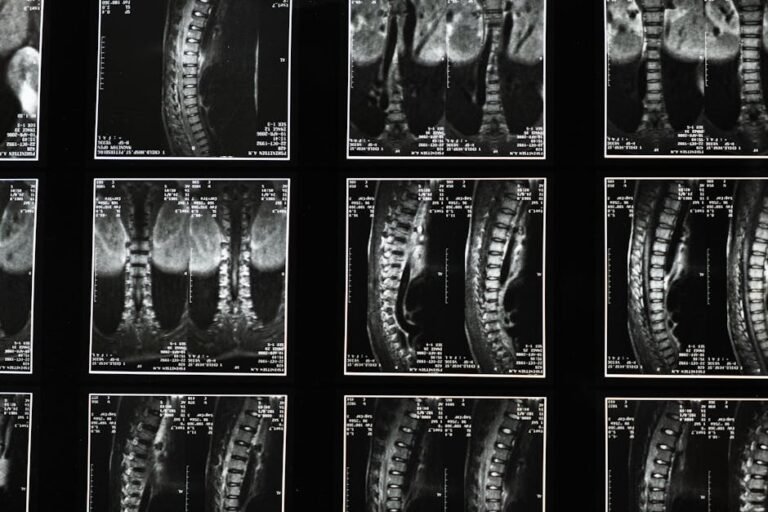
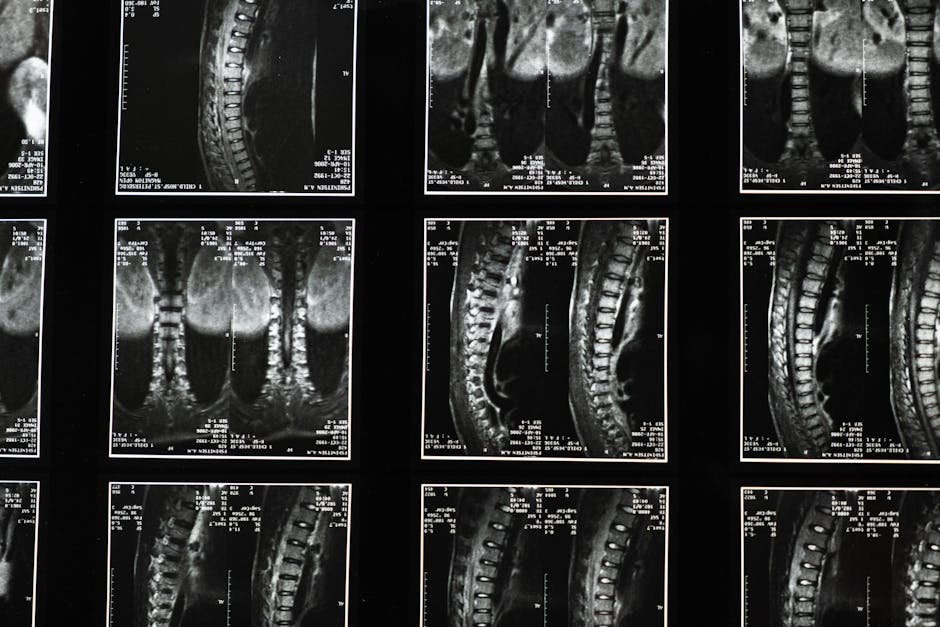
Here’s where things get genuinely exciting. Not so long ago, spinal injections were performed somewhat “blind” — doctors relied on anatomical landmarks and their experience to guide the needle to approximately the right place. It worked reasonably well, but there was an inherent limitation to how precise you can be without actually seeing where you’re going inside the body. Advances in imaging technology have completely transformed this reality, and the difference for patients has been significant.
Today’s pain specialists use real-time imaging tools to guide their needles with remarkable accuracy. Fluoroscopy — essentially a live X-ray that shows moving images — allows a doctor to watch the needle navigate through tissue in real time, confirming its position before any medication is delivered. Ultrasound guidance provides a dynamic, radiation-free view of soft tissues and structures. CT scanning offers detailed cross-sectional images for particularly complex cases. Each of these tools gives the practitioner a window into your body’s internal landscape that simply didn’t exist in earlier decades of pain management.
The impact of this imaging-guided precision is far-reaching. When a doctor can see exactly where the needle tip is in relation to your anatomy, medication lands exactly where it needs to — not approximately where it needs to be. This improves the therapeutic effect considerably. It also dramatically reduces the risk of the needle straying toward sensitive structures like nerves, blood vessels, or the spinal cord itself. Safer procedures with better outcomes: that’s the promise that advances in imaging technology have delivered on in the world of spinal care.
Beyond the imaging hardware itself, our scientific understanding of spinal pain has deepened considerably. Pharmaceutical research has produced medications better suited to these targeted applications, and the combination of improved drugs, real-time imaging, and refined technique has elevated spinal injection therapy into a sophisticated, reliable tool — one that increasingly sits between conservative care and more invasive surgical intervention, helping many patients avoid the operating table altogether.
What Types of Conditions Can Benefit from Image-Guided Injections?
You might be wondering whether image-guided spinal injections are relevant to your particular situation. While your healthcare provider is always the right person to assess your individual needs, these treatments have shown value across a wide range of spinal conditions. Epidural steroid injections are commonly used for nerve pain caused by disc herniations or spinal stenosis, where inflammation is compressing a nerve root and causing radiating pain down the leg or arm. Facet joint injections target the small joints along the back of the spine that can become arthritic and painful over time. Nerve blocks can help identify and treat specific nerves that are generating pain signals.
The breadth of conditions that can potentially be addressed with precision-guided injection therapy continues to expand as both technology and technique improve. From acute inflammatory flare-ups to long-standing degenerative conditions, there are more options available today than ever before. Importantly, these aren’t one-size-fits-all solutions — a well-qualified pain specialist will tailor the choice of injection type, medication, and approach to your specific anatomy and condition, guided by imaging that shows them your unique internal picture.
It’s also worth noting that these injections are almost always part of a broader, multidisciplinary plan. Your pain specialist isn’t working in isolation — ideally, they’re communicating with your physiotherapist, GP, and any other members of your care team to ensure the injection serves a clear purpose within a coherent strategy for your long-term health and function.
Practical Tips: What You Can Do to Navigate Your Spinal Pain Journey
Knowledge is power, especially when you’re dealing with something as impactful as chronic back pain. Here are some practical, grounded steps you can take to make the most of the advances in imaging technology and injection precision that are now available to patients like you:
- Don’t wait too long before seeking specialist input. If conservative treatments like physiotherapy and medication haven’t given you meaningful relief after a reasonable period, speak to your GP about a referral to a pain management specialist. There’s no prize for suffering unnecessarily.
- Come prepared with questions. Before any injection procedure, ask your doctor to explain the type of injection, the medication being used, what imaging guidance will be employed, what you should expect during and after the procedure, and what the specific goal is for your condition. A good specialist will welcome these questions.
- Understand that injections work best as part of a team plan. Think of the injection as creating an opportunity — use that window of reduced pain to engage actively in physical therapy, core strengthening, and rehabilitation. That’s where sustainable improvement often comes from.
- Set realistic, balanced expectations. These treatments are genuinely powerful, but they’re not magic bullets. The aim is typically to reduce pain enough to improve your function and quality of life — not necessarily to eliminate all discomfort permanently. Approach it as progress, not perfection.
- Follow post-procedure instructions carefully. Your doctor’s guidance about rest, activity, and follow-up appointments after an injection is there for good reason. Respecting the recovery process is an important part of getting the most from the treatment.
- Keep investing in your baseline spinal health. Regardless of what treatments you pursue, the everyday basics remain powerful: maintaining a healthy weight, staying active with spine-friendly movement, practising good posture, sleeping on a supportive surface, and managing stress all make a real difference to your long-term spinal wellbeing.
- Be honest with your healthcare team about what’s working and what isn’t. Pain management is often an iterative process. Giving your doctors clear, honest feedback helps them adjust your plan and find the approach that works best for you.
Living with spinal pain is genuinely hard, and it’s easy to feel discouraged when treatments don’t work as quickly as you’d hope. But the landscape of care has never been more promising. Precision-guided injection therapy, powered by advances in imaging technology, has opened doors for patients that simply weren’t available a generation ago.
What to Expect if You’re Considering an Image-Guided Spinal Injection
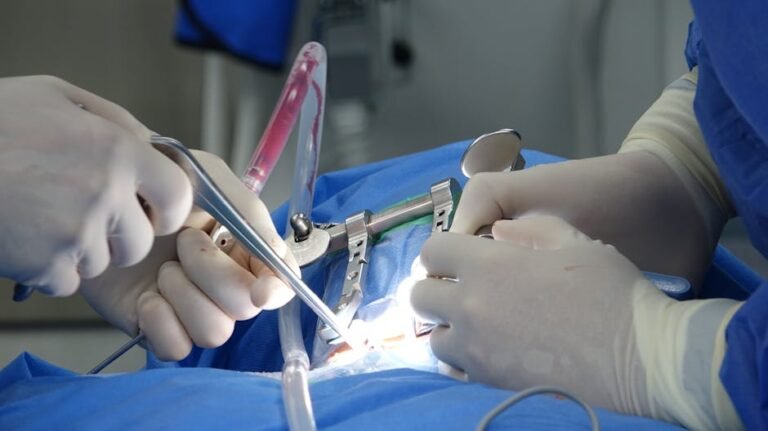
If the idea of a spinal injection feels daunting, a little insight into what the process typically looks like can help ease the anxiety. Most image-guided injection procedures are performed on an outpatient basis, meaning you come in, have the procedure, and go home the same day. The area being treated is usually numbed with a local anaesthetic beforehand, so discomfort during the procedure itself is generally minimal. You might feel some pressure or a brief ache as the needle is positioned, but the real-time imaging guidance means the doctor is working with full visibility the entire time.
Afterwards, you’ll typically rest for a short period before being discharged. Some people notice immediate relief — partly from the local anaesthetic — and then experience a brief return of symptoms before the anti-inflammatory medication takes full effect over the following days. Others notice improvement more gradually. It varies between individuals and between types of injections, which is why your doctor’s guidance about what to expect in your specific case is so important.
Most people are back to gentle daily activities within a day or two. Strenuous activity is usually avoided for a short period as directed. Follow-up appointments allow your doctor to assess how well the injection has worked and to plan the next steps in your overall care. It’s a process, but for many people it’s a process that genuinely leads somewhere better.
The Bottom Line: Advances in imaging technology have fundamentally changed what’s possible in spinal pain management, turning targeted injection therapy from a relatively imprecise practice into a sophisticated, highly accurate tool for delivering relief. Whether you’re dealing with nerve-related pain, joint inflammation, or the lingering effects of disc degeneration, modern image-guided injections — used as part of a thoughtful, comprehensive care plan — offer real hope for improved function and quality of life. The key is to approach your pain proactively, work closely with a qualified healthcare team, and remember that finding lasting relief is often a journey rather than a single destination. You deserve to live with less pain, and the tools to help you get there are better than they’ve ever been.
This is not medical advice. Consult your healthcare provider before starting any new health routine or using any product mentioned here.