Spinal Dysfunction from CNS Injuries: How Your Spine and Nervous System Are Deeply Connected
This post contains affiliate links. As an Amazon Associate, I earn from qualifying purchases at no extra cost to you.
Free resources — no credit card required for trial
🎧 Listen to health & wellness audiobooks free for 30 days
Start 30-Day Free Trial →
📚 Read unlimited health books free for 30 days
Try Kindle Unlimited Free →
Have you ever wondered why a back problem can cause shooting pain down your leg, or why a neurological condition like a stroke can leave someone with lasting posture problems? The answer lies in one of the most fascinating and underappreciated relationships in the human body — the powerful, two-way bond between your spine and your central nervous system (CNS). Spinal dysfunction resulting from CNS injuries is more common than most people realise, and understanding how these two systems influence each other can be genuinely life-changing. Whether you’re dealing with unexplained aches, recovering from an injury, or simply curious about how your body works, this guide will help you see your spine and nervous system in a whole new light.
Your Spine: Far More Than Just a Backbone
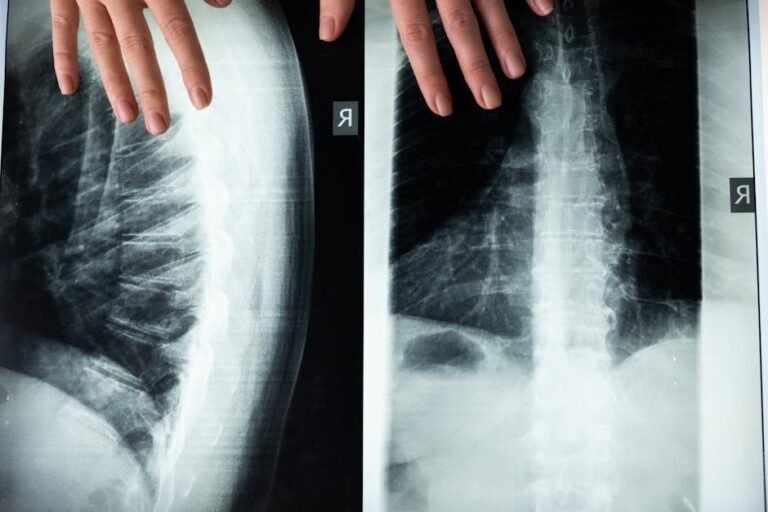
Most of us think of the spine as a structural feature — the thing that keeps us upright and lets us bend and twist. And yes, it does all of that brilliantly. Made up of individual bones called vertebrae, cushioned by soft intervertebral discs, and supported by a complex network of ligaments and muscles, your spine is an architectural marvel. It provides both stability and flexibility, allowing you to move through life with strength and grace.
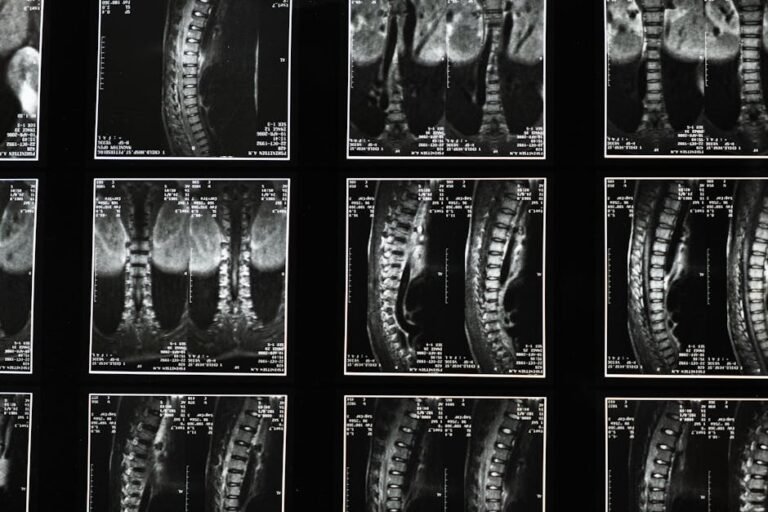
But your spine’s role goes far beyond mechanics. Running through the centre of this protective bony column is your spinal cord — a critical part of the central nervous system. Think of the spinal cord as a superhighway carrying urgent messages between your brain and the rest of your body. It tells your muscles to move, helps regulate your organs, and allows you to feel sensations as subtle as the warmth of sunlight or as sharp as a pinprick. Nerves branch outward from the spinal cord, reaching every corner of your body.
This is why your spine isn’t just a mechanical structure — it’s also the primary guardian of your body’s most vital communication network. These two roles are inseparable. Damage or dysfunction in one almost always sends ripples through the other, and that’s precisely why spinal dysfunction resulting from CNS injuries is such a significant health topic worth understanding.
How Spinal Problems Can Disrupt Your Nervous System
Picture the bones and discs of your spine as a carefully stacked column of building blocks, with delicate wires — your nerves — running between and through them. If even one of those blocks shifts, bulges, or breaks down, it can press on those wires and cause real neurological consequences. This structural compromise can happen in several ways.
Natural ageing brings degenerative changes like thinning discs, bone spurs, and arthritic narrowing of the spaces where nerves exit the spine. Trauma — whether from a car accident, a sports injury, or a bad fall — can cause fractures, herniated (slipped) discs, or torn ligaments that interfere with nerve function. In some cases, developmental abnormalities in spinal structure can predispose certain people to nerve compression from an early age.
When nerves are compressed, irritated, or deprived of adequate blood flow, the symptoms that follow can be startling. We’re not just talking about ordinary back pain. People experience radiating pain that shoots down an arm or leg (the classic hallmark of sciatica), numbness, tingling, muscle weakness, and even loss of coordination. These symptoms can make the simplest daily tasks — tying your shoes, climbing stairs, carrying groceries — feel like enormous obstacles. It’s a vivid reminder that a structural issue in your spine can have profound neurological consequences throughout your entire body.
How CNS Injuries and Neurological Conditions Cause Spinal Dysfunction
Here’s where things get really interesting — and perhaps surprising. The relationship between your spine and nervous system is not a one-way street. Just as spinal problems can disrupt your nervous system, primary neurological conditions — those originating in the brain, spinal cord, or peripheral nerves — can cause significant secondary spinal dysfunction. This is a key concept in understanding spinal dysfunction resulting from CNS injuries.
Your spinal muscles are under constant neurological command. They work together in a finely tuned balance to maintain your posture, support your spine, and coordinate every movement. When the nervous system is disrupted — by a stroke, multiple sclerosis, traumatic brain injury, or severe nerve damage — the signals it sends to those muscles become irregular, weak, or absent. Without proper muscular support, the spine can lose its alignment, leading to instability, abnormal posture, and increased mechanical stress on discs, ligaments, and joints.
Some neurological conditions cause spasticity — a kind of relentless muscle stiffness — or uncontrolled movements that can gradually pull the spine into unnatural positions. Others impair proprioception, your body’s internal sense of where its limbs are in space. When this sense is compromised, the brain receives inaccurate information and the body compensates with altered movement patterns that can place enormous strain on the spine over time. This is what clinicians refer to as “secondary spinal dysfunction,” and it can become a vicious cycle: the neurological problem causes spinal issues, which then worsen neurological symptoms, which further destabilise the spine.
Acute vs. Chronic: Why Timing Matters So Much
Not all spinal dysfunction from CNS injuries looks the same, and one of the most important factors is timing. Acute problems — a sudden spinal injury, a disc herniation, or an abrupt neurological event — often produce immediate, noticeable symptoms. While alarming, these situations sometimes respond well to prompt, appropriate treatment. The body’s natural healing mechanisms can be surprisingly effective when given the right support early on.
Chronic conditions, however, are a different story. When neurological or spinal problems persist over months or years, the body begins to make progressive adaptations. Muscles that were once balanced become chronically tight on one side and weakened on the other. Posture shifts. Movement patterns change. Over time, these adaptations can cause structural changes that become increasingly difficult to reverse.
One of the most important — and often overlooked — concepts in chronic spinal and neurological dysfunction is something called central sensitisation. Your nervous system is remarkably adaptable, a quality scientists call neuroplasticity. Usually, this adaptability is a good thing. But when pain or irritation persists for a long time, the spinal cord and brain can become “hyperexcitable,” effectively turning up the volume on pain signals even when the original tissue damage has healed. This maladaptive neuroplasticity helps explain why some people continue to experience significant pain long after an injury appears to have resolved — and why treating only the physical structure, without addressing the nervous system’s sensitised state, often falls short. Recognising this is a vital step toward more effective, holistic management of chronic spinal conditions.
Practical Tips: What You Can Do to Support Your Spine and Nervous System
Understanding the spine-CNS connection isn’t just fascinating from a science perspective — it’s genuinely empowering. There are meaningful, everyday steps you can take to protect both systems and reduce your risk of dysfunction. Here’s where to start:
- Listen to your body’s early warning signs. Persistent aches, unexplained stiffness, numbness, tingling, or weakness in your limbs are your body’s way of flagging a potential problem in the spine-nerve partnership. Don’t brush them off — report them to a healthcare professional sooner rather than later.
- Be mindful of your posture. Good posture aligns your spine properly, reduces pressure on your discs and ligaments, and minimises the risk of nerve compression. Whether you’re sitting at a desk, standing in a queue, or lifting something heavy, posture matters more than most people realise.
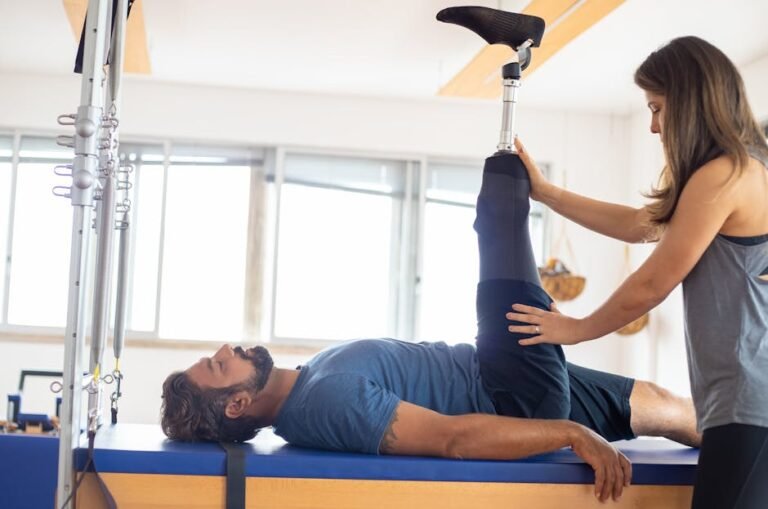
- Stay active — but do it thoughtfully. Regular, appropriate exercise strengthens the muscles that support your spine, improves flexibility, and promotes healthy nerve function. If you’re unsure where to start, a qualified physiotherapist can tailor a programme to your specific needs and limitations.
- Set up an ergonomic environment. If you work at a desk for long hours, invest in a supportive chair, position your screen at eye level, and take regular breaks to move and stretch. Repetitive strain and prolonged poor positioning are major contributors to spinal dysfunction over time.
- Maintain a healthy weight. Excess body weight places additional mechanical load on your spine, accelerating degenerative changes and increasing the risk of nerve compression. Small, sustainable improvements to diet and activity levels can make a real difference.
- Don’t delay seeking help. Early diagnosis and intervention consistently lead to better outcomes. If you’re experiencing symptoms that suggest spinal or neurological involvement, consult a doctor, physiotherapist, neurologist, or other qualified practitioner as soon as possible. Waiting rarely helps and often allows minor issues to escalate.
- Consider supportive products thoughtfully. Lumbar support cushions, ergonomic pillows, and posture-correction devices can be helpful tools when used appropriately. Look for well-reviewed options designed with spinal health in mind.
Small, consistent habits compound over time. You don’t need to overhaul your entire life overnight — even one or two of these changes, practised regularly, can meaningfully reduce your risk of developing or worsening spinal dysfunction.
Understanding the Bigger Picture: Why This Matters for Your Long-Term Health
If there’s one thing to take away from all of this, it’s that your spine and your central nervous system are not separate entities — they are deeply, inseparably intertwined. Spinal dysfunction resulting from CNS injuries doesn’t follow a simple, linear path. It’s a dynamic, bidirectional relationship where problems in one system amplify problems in the other, and where time, lifestyle, and the body’s remarkable (but sometimes problematic) adaptability all play important roles.
This perspective has real implications for how we think about health and recovery. It means that addressing only the mechanical side of a spinal problem — through surgery or physical therapy alone, for example — without considering the neurological dimension may not deliver the full relief someone hopes for. Equally, treating a neurological condition while ignoring its effects on spinal alignment and muscle function can leave a significant piece of the puzzle unsolved.
A more complete picture of spine health acknowledges both systems, respects the role of time and chronic adaptation, and embraces a whole-body approach to care. Whether you’re recovering from an injury, managing a long-term condition, or simply trying to protect your health for the decades ahead, understanding this connection puts you in a much stronger position to make informed decisions and have more meaningful conversations with your healthcare team.
Your spine and nervous system have been working tirelessly on your behalf every single day of your life. They deserve your attention, your respect, and a little proactive care.
The Bottom Line: Spinal dysfunction resulting from CNS injuries is a complex, two-way relationship — structural spinal problems can disrupt nervous system function, and neurological conditions can cause lasting secondary changes to the spine. Chronic dysfunction can be further complicated by central sensitisation, where the nervous system itself becomes a source of ongoing pain. The good news is that understanding this connection empowers you to take meaningful action: prioritising good posture, staying appropriately active, setting up an ergonomic environment, maintaining a healthy weight, and seeking professional guidance early can all make a genuine difference. Your spine and your nervous system are in this together — and so are you.
This is not medical advice. Consult your healthcare provider before starting any new health routine or using any product mentioned here.