Spinal Manipulation and Your Nervous System: What Really Happens When Your Back Gets Adjusted
This post contains affiliate links. As an Amazon Associate, I earn from qualifying purchases at no extra cost to you.
Free resources — no credit card required for trial
🎧 Listen to health & wellness audiobooks free for 30 days
Start 30-Day Free Trial →
📚 Read unlimited health books free for 30 days
Try Kindle Unlimited Free →
That satisfying “pop” when a chiropractor or physical therapist adjusts your spine — you’ve probably heard it, maybe even felt it yourself. But have you ever wondered what’s actually going on inside your body when spinal manipulation happens? It turns out, there’s a fascinating amount of neuroscience and physiology behind that moment of hands-on contact. Spinal manipulation isn’t just about moving bones around. It’s a carefully applied, skilled intervention that influences your nervous system, your muscles, and your body’s entire communication network — often in ways that can bring real, meaningful relief from pain and stiffness. If you’ve been curious about manual therapy for your spine, or you’re already receiving treatment and want to understand it better, this post breaks it all down in plain, practical terms.
Your Spine Is So Much More Than a Stack of Bones
Before we dive into what spinal manipulation does, it helps to truly appreciate what your spine is and why it matters so much. Think of your spine as the central mast of a ship — it provides the structural support that keeps everything upright, while still allowing remarkable flexibility in every direction. You use it every single day, often without a second thought, to stand, walk, reach, twist, bend, and carry. That combination of strength and mobility is genuinely extraordinary from an engineering perspective.
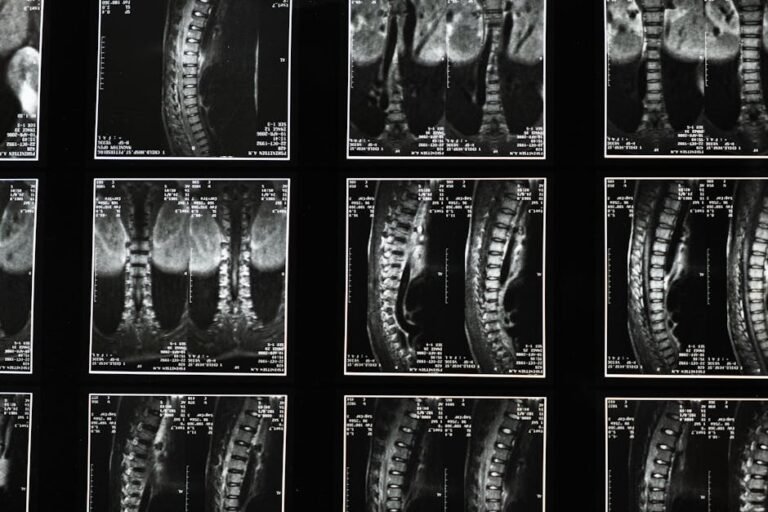
But your spine isn’t just a structural marvel. It’s also the primary highway for your nervous system. Running through the centre of those vertebrae is your spinal cord — the vital communication cable that sends signals back and forth between your brain and every other part of your body. Feeling the warmth of a mug in your hand, moving your fingers, registering pain — all of that depends on your spinal cord and the nerves branching out from it at every level of your back.
When something goes wrong — whether from an injury, years of sitting at a desk, repetitive strain, or simply the natural effects of ageing — this system can start to struggle. Joints become stiff. Muscles guard and tighten. Nerves get irritated. What begins as a niggling ache can spiral into a real limitation on your quality of life, affecting your ability to sleep, work, exercise, or enjoy the activities you love. That ripple effect is exactly why spinal health deserves to be taken seriously.
What Is Spinal Manipulation, and How Does It Work?
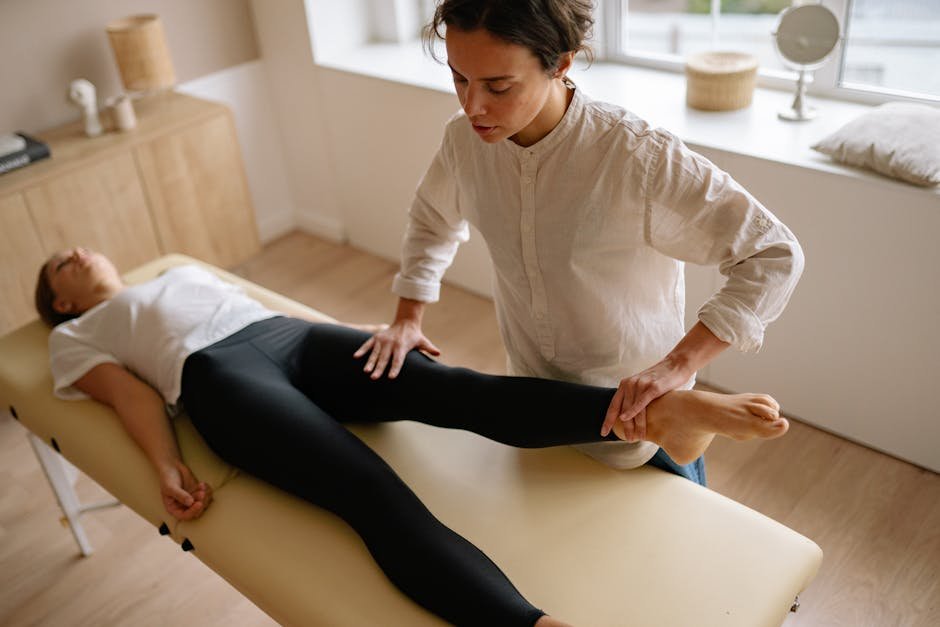
Spinal manipulation is one of the key techniques used in manual therapy — a broad family of hands-on approaches performed by trained healthcare professionals such as physiotherapists, chiropractors, and osteopaths. In simple terms, spinal manipulation involves applying a controlled, precise force to a specific joint in the spine. The goal is to restore normal movement, improve function, and reduce pain. It’s targeted, skilled work — not a rough shove or a random crack.
That familiar popping sound you sometimes hear during an adjustment? It’s not bones grinding together or anything alarming. It’s simply the release of gas bubbles within the fluid that lubricates your joints — the same thing that happens when you crack your knuckles. It’s a completely normal part of the process and doesn’t indicate anything has gone wrong (or, for that matter, that anything has magically “clicked back into place”).
The neurophysiological effects of spinal manipulation are what make it genuinely interesting from a science perspective. When a skilled practitioner applies that controlled force to a spinal joint, it doesn’t just move that joint — it sends a cascade of signals through your nervous system. Research in this area suggests that manipulation can help calm overactive pain signals, influence the way your brain processes sensation, and even reduce the muscle tension that builds up around a dysfunctional joint. In other words, the effects go far beyond the purely mechanical.
Spinal Manipulation Within a Broader Manual Therapy Toolkit
It’s worth understanding that spinal manipulation rarely works in isolation. Modern manual therapy is a rich toolkit of complementary techniques, and skilled practitioners typically weave them together based on what your body specifically needs. Two other key approaches often used alongside manipulation are joint mobilisation and soft tissue interventions.
Joint mobilisation is the gentler cousin of manipulation. Rather than a swift, targeted thrust, mobilisation involves slower, rhythmic movements applied to a stiff joint. It gradually coaxes the joint to move more freely — think of it like slowly working a rusty hinge back to life rather than forcing it open all at once. It’s particularly useful for people who may not be suitable candidates for full manipulation, or in areas where a gentler approach is more appropriate.
Soft tissue interventions target the muscles, tendons, ligaments, and fascia that surround and support your spine. These techniques — which can include therapeutic massage, targeted stretching, and specific pressure work — help release muscle tension, reduce spasms, improve local circulation, and address the adhesions or “knots” that can develop over time. When you combine soft tissue work with joint mobilisation and spinal manipulation, you’re tackling the problem from multiple angles simultaneously, which is why an integrated approach tends to be more effective than any single technique on its own.
The Neurophysiological Connection: Why Your Nervous System Is Central to Spinal Health
Here’s where things get particularly fascinating — and why the phrase “neurophysiological mechanisms” in the world of spinal care isn’t just jargon. Your nervous system is deeply intertwined with every aspect of how your spine feels and functions. When a joint becomes restricted or a muscle is chronically tense, it doesn’t just create a local mechanical problem. It changes the signals being sent to and from your brain, potentially amplifying pain, altering your movement patterns, and even affecting areas of your body seemingly unrelated to where the original issue started.
Spinal manipulation appears to influence this nervous system activity in meaningful ways. By restoring normal joint movement, it can reduce the abnormal sensory input that was bombarding your nervous system and contributing to pain. This is sometimes described as “resetting” the communication between the joint and the brain — helping your body return to a more balanced, less reactive state. It’s one reason why many people report not just local relief at the site of treatment, but a broader sense of ease and improved movement after a session of manual therapy.
The relationship between your spine’s structural function and your neurological health is why good practitioners take a holistic view of your condition rather than just zeroing in on one symptom. Your body works as an integrated system — your joints, muscles, nerves, posture, and habits all influence each other. Treating spinal dysfunction well means understanding and respecting that complexity.
What You Can Do: Practical Tips for Supporting Your Spinal Health
Understanding the science behind spinal manipulation is empowering, but the most important thing is knowing how to apply that knowledge to your own life. Here are some practical, actionable steps you can take to protect your spine and get the most out of any manual therapy you receive:
- Listen to your body early. Persistent stiffness, nagging aches, or discomfort that doesn’t resolve on its own after a few days are worth paying attention to. Don’t wait until things escalate before seeking help.
- Choose the right professional. Look for a qualified physiotherapist, chiropractor, or osteopath who emphasises a holistic, integrated approach. Someone who considers your whole body — not just the spot that hurts — is more likely to get to the root of the problem.
- Ask questions about your treatment plan. A good practitioner will explain what they’re doing and why. Understanding whether they’re using manipulation, mobilisation, or soft tissue techniques — and what each is meant to achieve — helps you become an active partner in your recovery.
- Do your home exercises. Manual therapy works best when supported by the movement and exercise recommendations your therapist gives you. These are designed to reinforce the changes made in the clinic and build lasting resilience in your spine.
- Pay attention to your posture and daily habits. How you sit, stand, lift, and move throughout the day has a significant cumulative impact on your spine. Small, consistent improvements in posture and ergonomics can make a real difference over time.
- Stay active in a way that suits your body. Regular, appropriate physical activity supports spinal health by maintaining muscle strength, joint flexibility, and healthy circulation. If you’re unsure what’s right for your current condition, ask your therapist for guidance.
- Manage stress. Stress contributes to muscle tension and can amplify the perception of pain. Incorporating stress management practices — whether that’s walking, breathing exercises, yoga, or simply good sleep hygiene — supports your overall recovery.
- Stay hydrated. The discs between your vertebrae depend on good hydration to maintain their cushioning properties. Drinking enough water is one of the simplest, most underrated supports for spinal health.
Finding the Right Care: What to Look for in a Manual Therapy Provider
If you’re considering manual therapy — whether it’s spinal manipulation specifically, or a broader hands-on approach — it’s worth knowing what to look for in a provider. The best practitioners combine a deep understanding of spinal biomechanics and neurophysiology with excellent clinical judgement and strong communication skills. Manual therapy is as much an art as it is a science; applying the right technique, at the right moment, in the right way, requires both knowledge and experience.
Look for someone who conducts a thorough assessment before jumping into treatment. A good clinician will want to understand your history, your movement patterns, your lifestyle, and your goals — not just where it hurts. They’ll also be transparent about what they expect treatment to achieve and how long it might take. Be wary of anyone who promises instant, permanent results or suggests you need indefinite, open-ended treatment without clear goals.
It’s also worth noting that manual therapy is most effective as part of a broader strategy for spinal health — not as a standalone fix. The most successful outcomes tend to occur when hands-on treatment is combined with guided exercise, education about your condition, and supportive lifestyle changes. That integrated model is where the real power lies.
The Bottom Line: Spinal manipulation is far more than a simple mechanical adjustment. It’s a skilled, evidence-informed intervention that influences the neurophysiological relationship between your spine, your nervous system, and your whole body. When used as part of an integrated manual therapy approach — alongside mobilisation, soft tissue work, exercise, and lifestyle support — it can be a genuinely effective tool for reducing pain, restoring movement, and helping you get back to living fully. Your spine is extraordinary, and it deserves thoughtful, informed care. Whether you’re already working with a manual therapist or just starting to explore your options, understanding what’s happening beneath the surface puts you in a much better position to take an active, confident role in your own health journey.
This is not medical advice. Consult your healthcare provider before starting any new health routine or using any product mentioned here.