The Erector Spinae Complex: Your Spine’s Unsung Heroes and How to Keep Them Strong
This post contains affiliate links. As an Amazon Associate, I earn from qualifying purchases at no extra cost to you.
Free resources — no credit card required for trial
🎧 Listen to health & wellness audiobooks free for 30 days
Start 30-Day Free Trial →
🛒 Recommended Products
As an Amazon Associate we earn from qualifying purchases at no extra cost to you.
Branfit Shoulder and Back Brace Posture Corrector — Breathable Posture Trainer for Upper B
$24.99
Posture Corrector for Women and Men — Comfortable Effective Brace for Shoulder and Back Pa
$22.99
Bodywellness Posture Corrector for Men and Women — Adjustable Back Straightener with Clavi
$19.99
Updated Posture Corrector — Adjustable Upper Back Brace for Clavicle Support and Neck Pain
$21.99
Upgraded Posture Corrector Back Brace for Men and Women — Full Back Support for Neck and S
$29.99
📚 Read unlimited health books free for 30 days
Try Kindle Unlimited Free →
When most people think about core strength, they picture a set of chiselled abs. But hiding deep within your back is an equally powerful — and often overlooked — muscular system that quietly does some of the most important work in your entire body. Meet the erector spinae complex: a sophisticated network of muscles that keeps you upright, helps you move freely, and protects your spine every single day. Whether you’re lifting shopping bags, sitting at a desk, or chasing the kids around the garden, these muscles are working overtime to keep you functioning at your best. Understanding what they do — and how to support them — could be one of the smartest things you do for your long-term spinal health.
What Exactly Is the Erector Spinae Complex?
Think of your spine as a magnificent skyscraper. It needs more than just bones stacked on top of one another — it needs cables, girders, and support structures to stay stable, absorb shock, and allow for movement in every direction. That’s precisely what the erector spinae complex provides. It is the largest and most prominent group of intrinsic back muscles in your body, running like long, powerful ropes from the base of your sacrum (the triangular bone at the very bottom of your spine) all the way up to your skull.
This muscular powerhouse is actually made up of three distinct columns working in close coordination: the iliocostalis, the longissimus, and the spinalis. Each column has its own specific position along the spine and its own particular strengths, but together they form what’s sometimes called the “sacrospinalis group.” Their muscle fibres run largely lengthwise along the spine, creating incredibly efficient levers that both support your posture and generate the force needed for back extension — the motion of straightening or arching your back.
Because these muscles sit closer to the surface than some of the deeper stabilising muscles, they are the chief conductors of large trunk movements. Their extensive reach along the spine, combined with their interconnection through surrounding connective tissue (called fascia), means they can transmit force efficiently across huge stretches of your back. They’re not just strong — they’re also remarkably coordinated, capable of making tiny, precise adjustments to your spinal position at any given moment.
The Many Roles of the Erector Spinae: Far More Than Just Standing Upright
Yes, keeping you upright against gravity is a big part of the erector spinae’s job description. But these muscles are so much more than your personal anti-gravity system. They are part of a deeply integrated biomechanical network, constantly responding to the demands of movement, posture, and daily life in ways most of us never consciously think about.
One of their most critical roles is load distribution and shock absorption. Every time you walk, run, jump, or even lower yourself into a chair, your spine experiences compressive and shear forces. The erector spinae muscles help spread these loads evenly across your vertebrae, reducing the risk of any one area taking too much strain. Think of them as natural shock absorbers — without them doing their job effectively, your discs, joints, and ligaments would bear a far greater burden.
These muscles also play a vital role in maintaining your spine’s natural curves. A healthy spine isn’t rod-straight — it has gentle S-shaped curves in the neck, upper back, and lower back that act like springs, enhancing shock absorption and keeping your centre of gravity balanced. The erector spinae complex actively works to preserve these curves, which are essential for efficient, pain-free movement. When those curves are well-maintained, your whole body moves more fluidly and with far less strain on surrounding structures.
Perhaps most impressively, the erector spinae complex is built for endurance and neuromuscular control. Thanks in part to our evolutionary history as upright, two-legged beings, these muscles have adapted to sustain prolonged activity without fatiguing quickly. This makes them uniquely suited to the repetitive, everyday demands of human life — holding you upright through a long commute, keeping your back stable during a demanding gym session, or supporting you through hours of gardening or housework.
What Happens When the Erector Spinae Aren’t Working Well
Given how much these muscles do, it probably won’t surprise you to learn that when they’re not functioning optimally, the knock-on effects can be widespread and significant. Dysfunction in the erector spinae complex — whether from weakness, imbalance, injury, or the cumulative effects of poor posture — rarely stays contained to one area. Instead, it tends to trigger what experts call cascading compensatory patterns.
Here’s what that means in practice: if your erector spinae muscles are weak or fatigued, other muscles throughout your body — in your hips, neck, shoulders, or even your legs — have to step in and pick up the slack. These muscles weren’t designed for that job, so they quickly become overloaded and strained themselves. You might notice this as persistent tension in your neck and shoulders, tightness in your hips, or an aching lower back that never quite settles down, even when you rest.
Dysfunction can also alter the way you move on a deeper level. Tasks that should feel effortless — bending down to pick something up, reaching overhead, twisting to look behind you — can start to feel awkward, effortful, or even painful. Over time, these altered movement patterns can place additional stress on the structures of your spine, potentially contributing to conditions like disc problems, facet joint irritation, or chronic back pain. The good news? With the right awareness and consistent effort, there’s a great deal you can do to support these muscles and keep them functioning well.
Practical Tips: What You Can Do to Support Your Erector Spinae
Supporting your erector spinae complex doesn’t require a complicated programme or hours at the gym. Small, consistent habits can make a meaningful difference to the health of these muscles — and to the overall resilience of your spine. Here are the most practical steps you can take starting today:
- Be mindful of your posture: Whether you’re sitting, standing, or walking, aim to keep your spine in a natural, upright alignment. Relax your shoulders, open your chest, and imagine a gentle string pulling you up from the crown of your head. If you work at a desk, set a reminder to check and correct your posture every hour.
- Strengthen your whole core, not just your abs: The erector spinae work best when supported by a balanced core — and that means all of it: abdominals, obliques, pelvic floor, and back muscles. Try incorporating exercises like planks, the bird-dog (on all fours, extend opposite arm and leg), and gentle back extensions (the superman pose) into your weekly routine.
- Move regularly and vary your movements: Prolonged sitting or standing in one position puts sustained strain on your back muscles. Aim to get up and move every 30 to 60 minutes if you have a sedentary job. Mix up your movements throughout the day — a short walk, some gentle twisting stretches, or even just standing and moving around your space can help keep your muscles engaged and blood flowing.
- Lift with care and intention: When picking up heavy objects, always bend at your knees and hips rather than rounding your lower back. Keep the object close to your body, engage your core muscles, and use the strength of your legs to power the lift. This takes the excessive strain off your erector spinae and reduces injury risk.
- Stretch regularly to maintain flexibility: Tight hamstrings, hip flexors, and thoracic muscles can all place extra demand on your erector spinae. Gentle daily stretches make a real difference. Cat-cow stretches, child’s pose, and gentle spinal twists are all excellent options that feel good and are suitable for most fitness levels.
- Listen to what your body is telling you: Persistent stiffness, aching, or pain in your back isn’t something to push through or ignore. These signals are worth paying attention to. Rest when you need to, apply a warm heat pack to ease tight muscles, and modify your activities as needed. If pain persists beyond a few days or is getting worse, don’t hesitate to seek advice from a healthcare professional.
A foam roller or massage ball can also be a great tool to have at home for releasing tension in the erector spinae and surrounding tissue. Look for one with good firmness and a textured surface for deeper relief — they’re widely available online and genuinely useful additions to any home wellness routine.
Building a Long-Term Foundation for Spinal Health
One of the most empowering things about understanding the erector spinae complex is realising that you have real influence over how well these muscles function. This isn’t about achieving a perfect posture overnight or following an intimidating exercise programme. It’s about building sustainable, body-friendly habits over time that allow your spine — and the incredible muscular system supporting it — to thrive.
Consistency is key. A few minutes of targeted stretching and strengthening each day will serve you far better than an occasional intense workout with long stretches of inactivity in between. Think of it as ongoing maintenance for your most important structural asset. Just as you’d service a car regularly to keep it running smoothly, your spine benefits enormously from regular, gentle, and varied movement.
It’s also worth appreciating the bigger picture: the erector spinae complex doesn’t operate in isolation. It works in concert with your deep stabilising muscles, your hip muscles, your glutes, your abdominals, and the connective tissue that weaves through all of these structures. When the whole system is well-conditioned and balanced, your spine becomes remarkably resilient — capable of handling the demands of daily life with ease and recovering quickly from the occasional overexertion. Investing in that balance is one of the most meaningful things you can do for your health at any age.
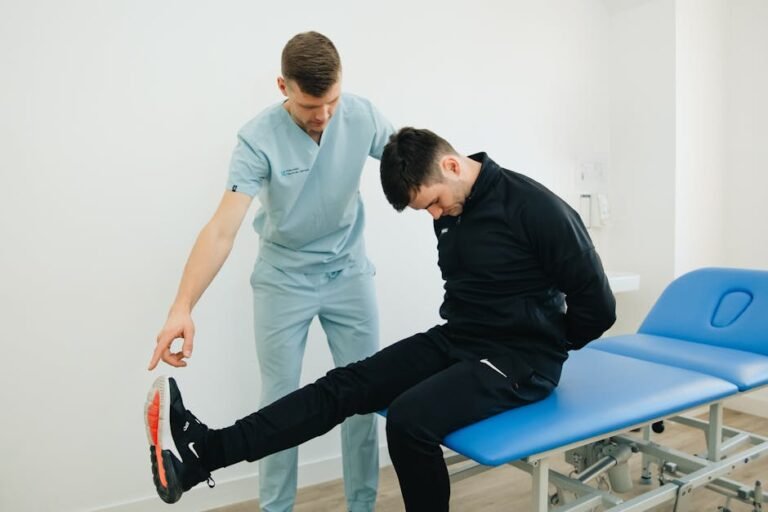
If you’re new to back-focused exercise or have existing back pain, consider working with a physiotherapist, osteopath, or certified personal trainer who has experience in spinal health. They can assess your individual movement patterns, identify any weaknesses or imbalances in your erector spinae and surrounding muscles, and help you build a programme that’s safe and tailored to your specific needs.
The Bottom Line: The erector spinae complex is one of the most important and hardworking muscular systems in your entire body, forming the architectural backbone (quite literally) of your spinal stability and movement. These three columns of muscle — the iliocostalis, longissimus, and spinalis — keep you upright, absorb shock, preserve your spine’s natural curves, and support virtually every movement you make throughout the day. When they’re functioning well, everyday life feels easier and more fluid. When they’re not, the effects can ripple outwards into pain, stiffness, and limited movement. The encouraging news is that with consistent posture awareness, balanced core strengthening, regular movement, and mindful lifting, you have tremendous power to support these remarkable muscles and keep your spine healthy for years to come.
This is not medical advice. Consult your healthcare provider before starting any new health routine or using any product mentioned here.